


7 - 10 hours·English, French
4.7(23,728)

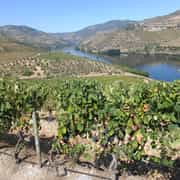
From Porto: Douro Valley w/ Boat Tour, Wine Tasting & Lunch
Free cancellationHotel pickup includedHotel pickup and drop-off (if option selected)

Pick your month, then taste the valley at its best. Wine tours from Porto run in every season, pairing cellar tastings, a river cruise and winding N222 views with a comfortable ride, so heat, rain or harvest crowds never decide your day for you. Book the season that suits you.
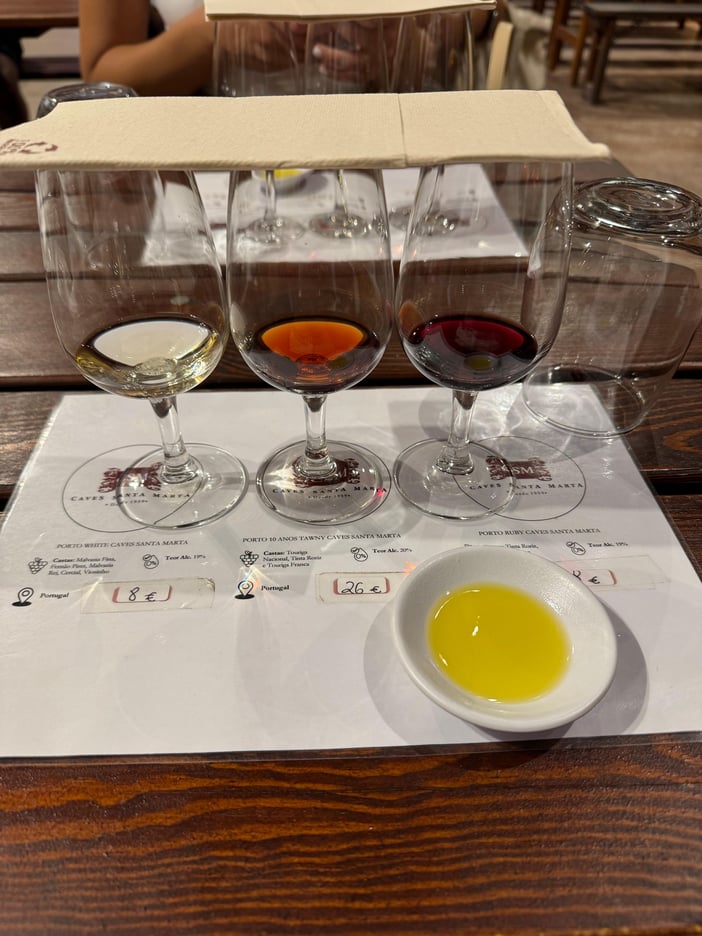
"A fantastic day in a gorgeous corner of the world! Our guide and coach driver were brilliant too, and honestly great value for what we paid."
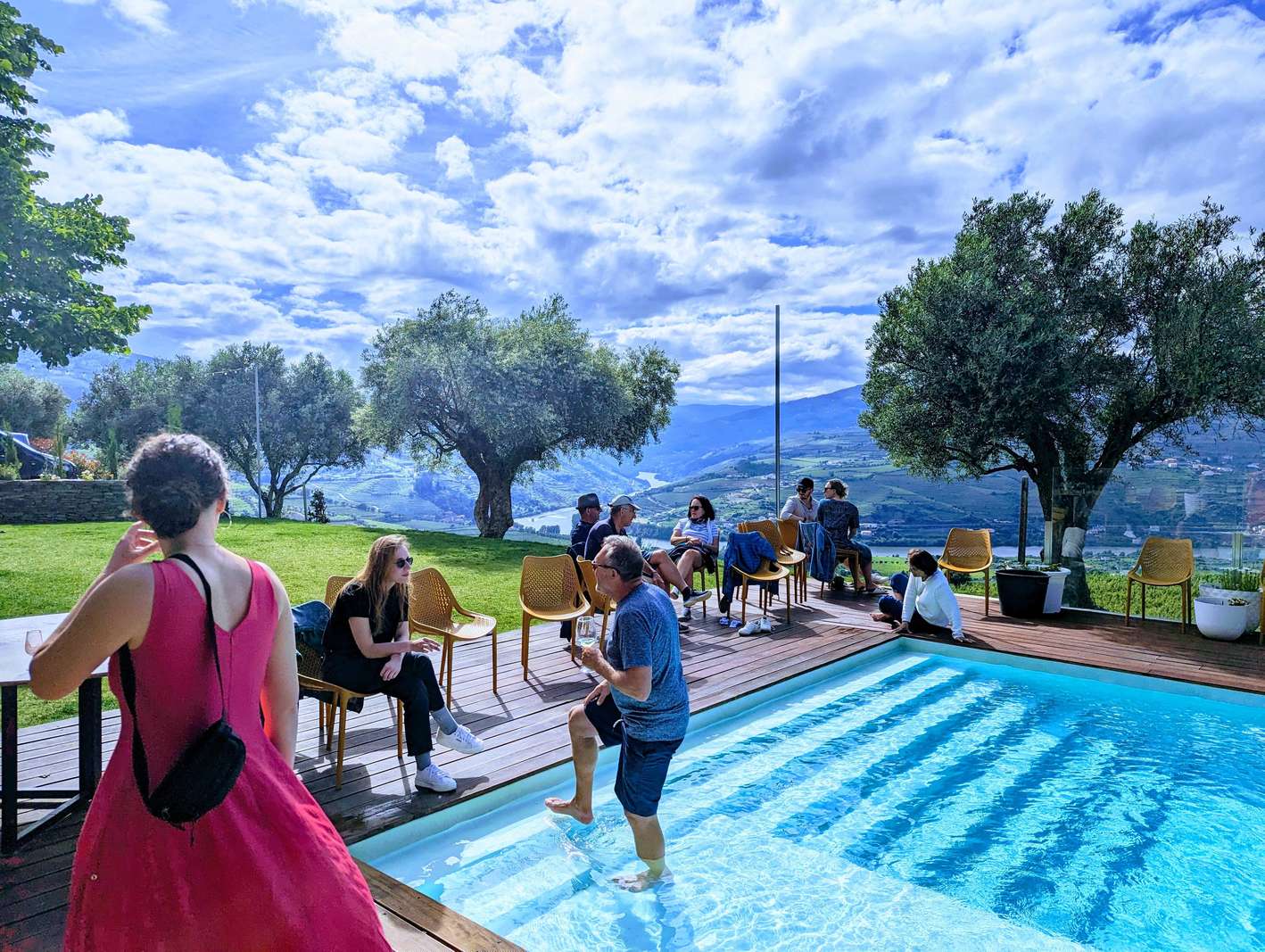
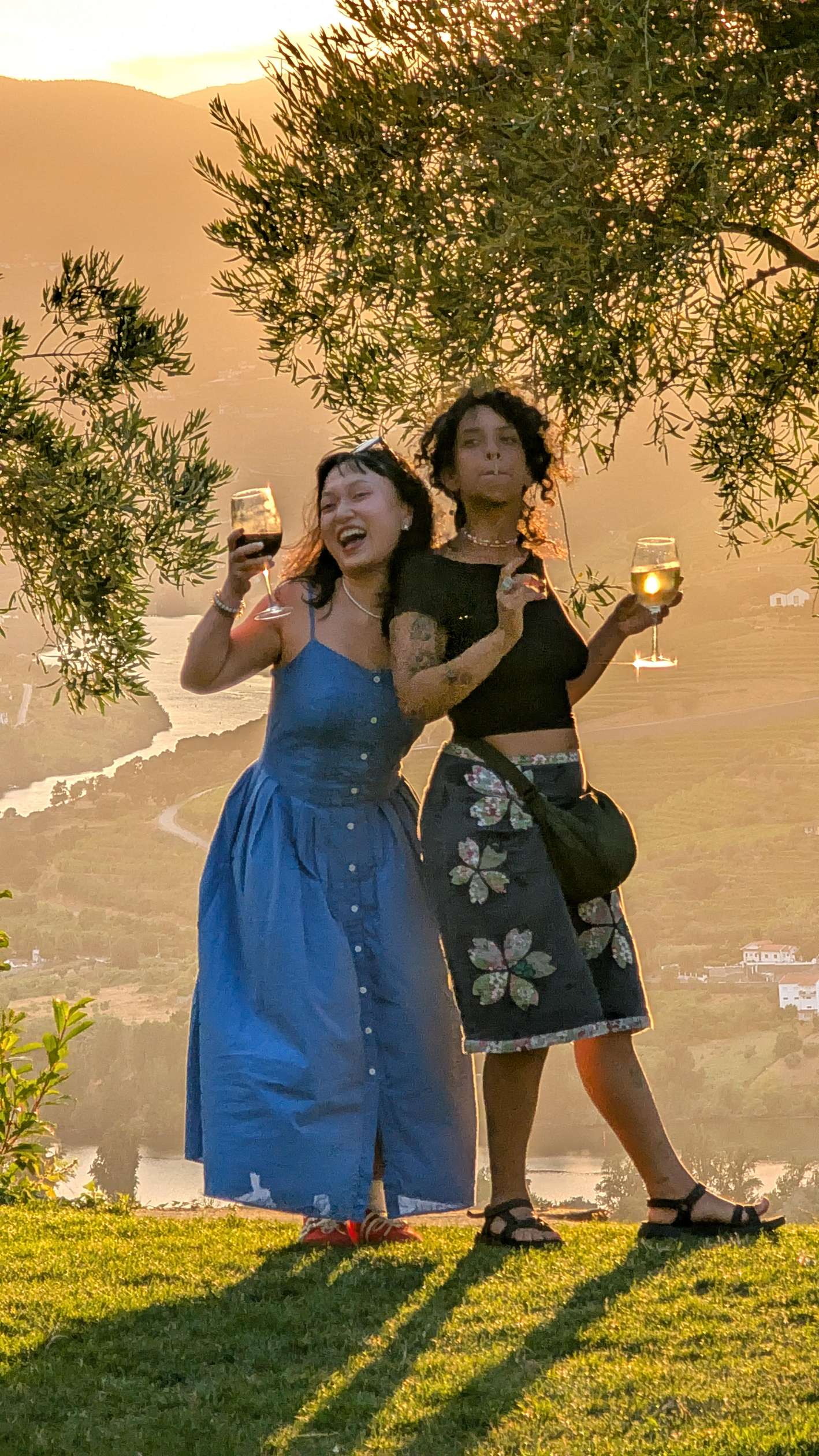
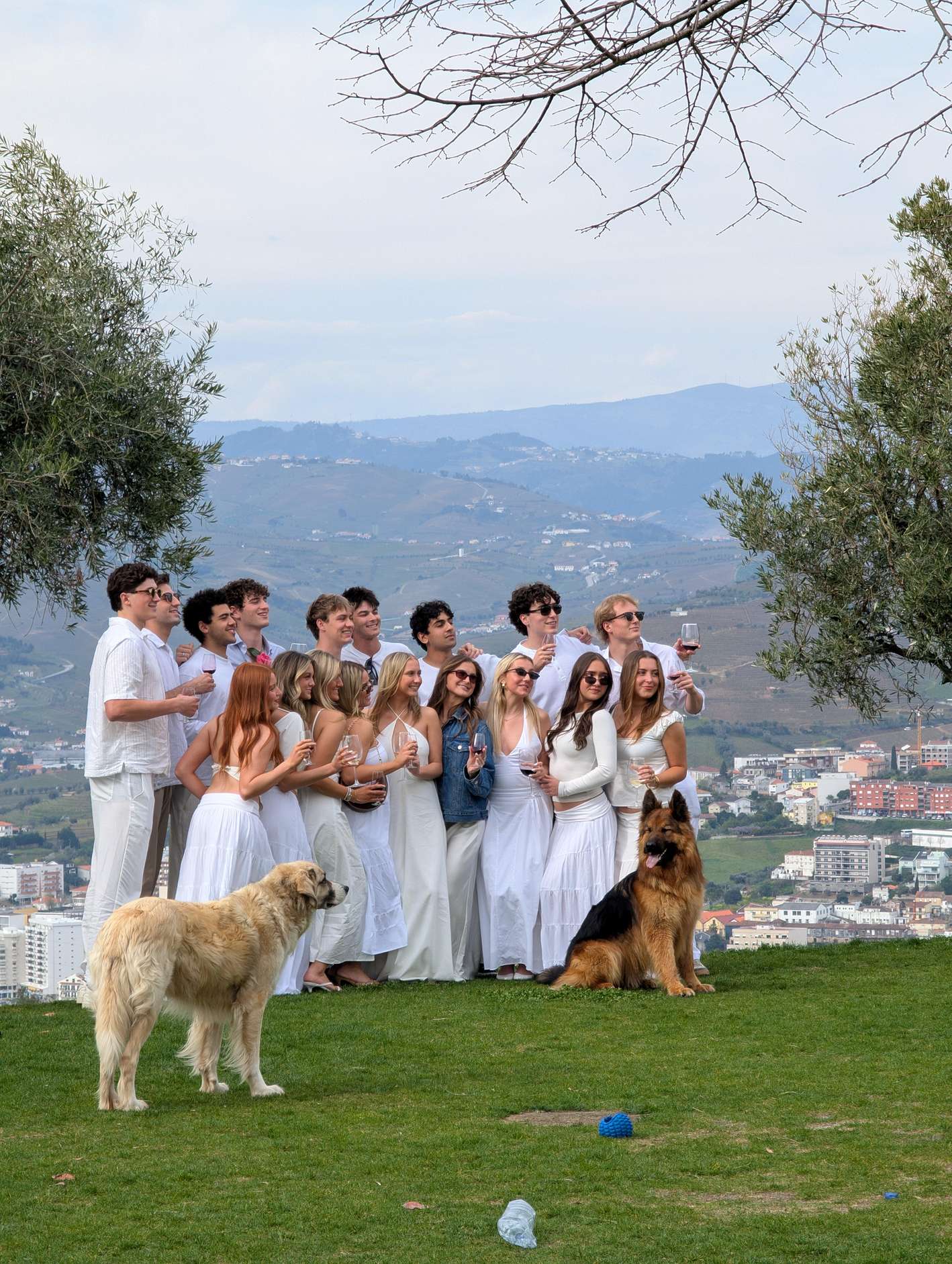
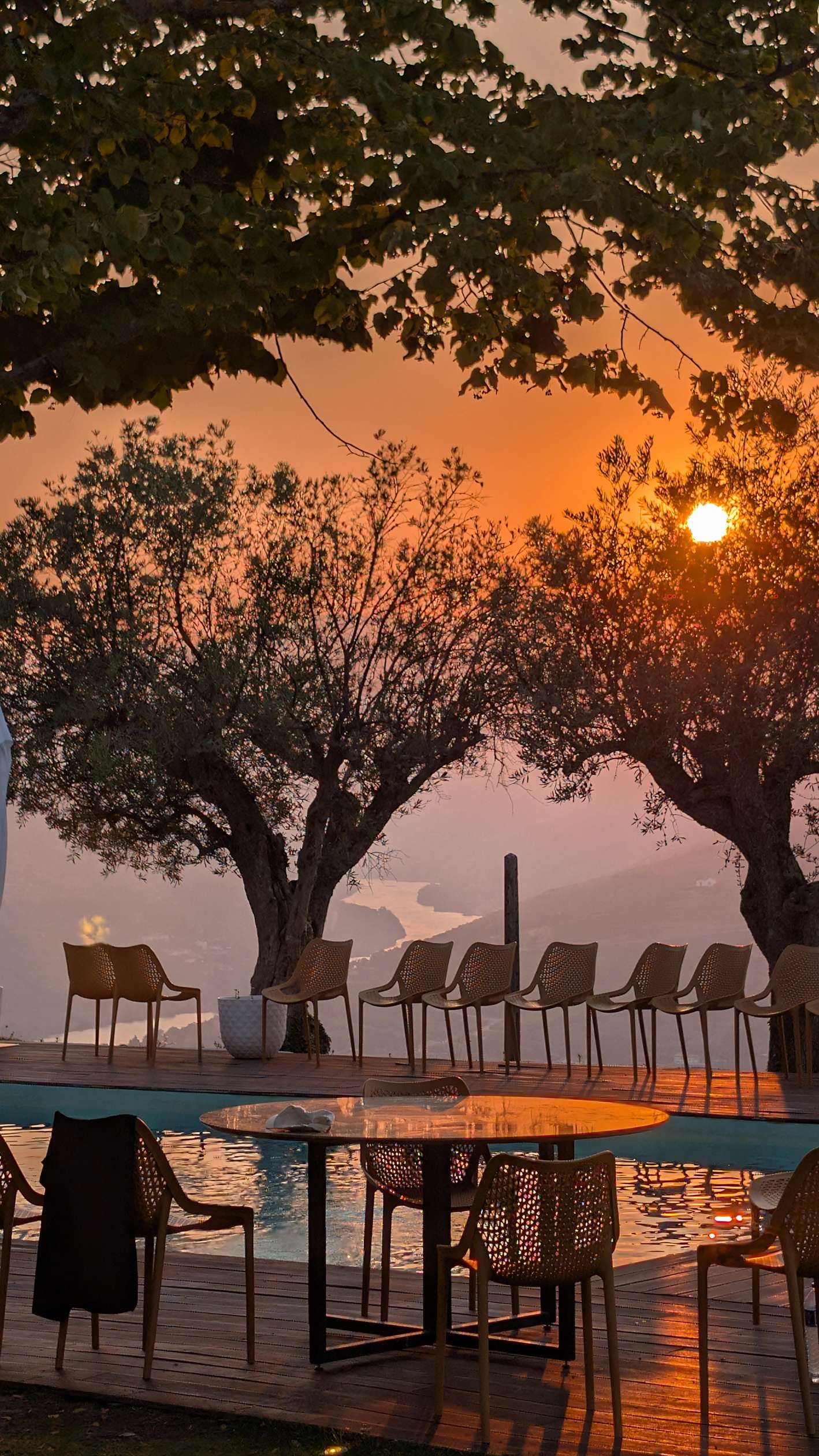
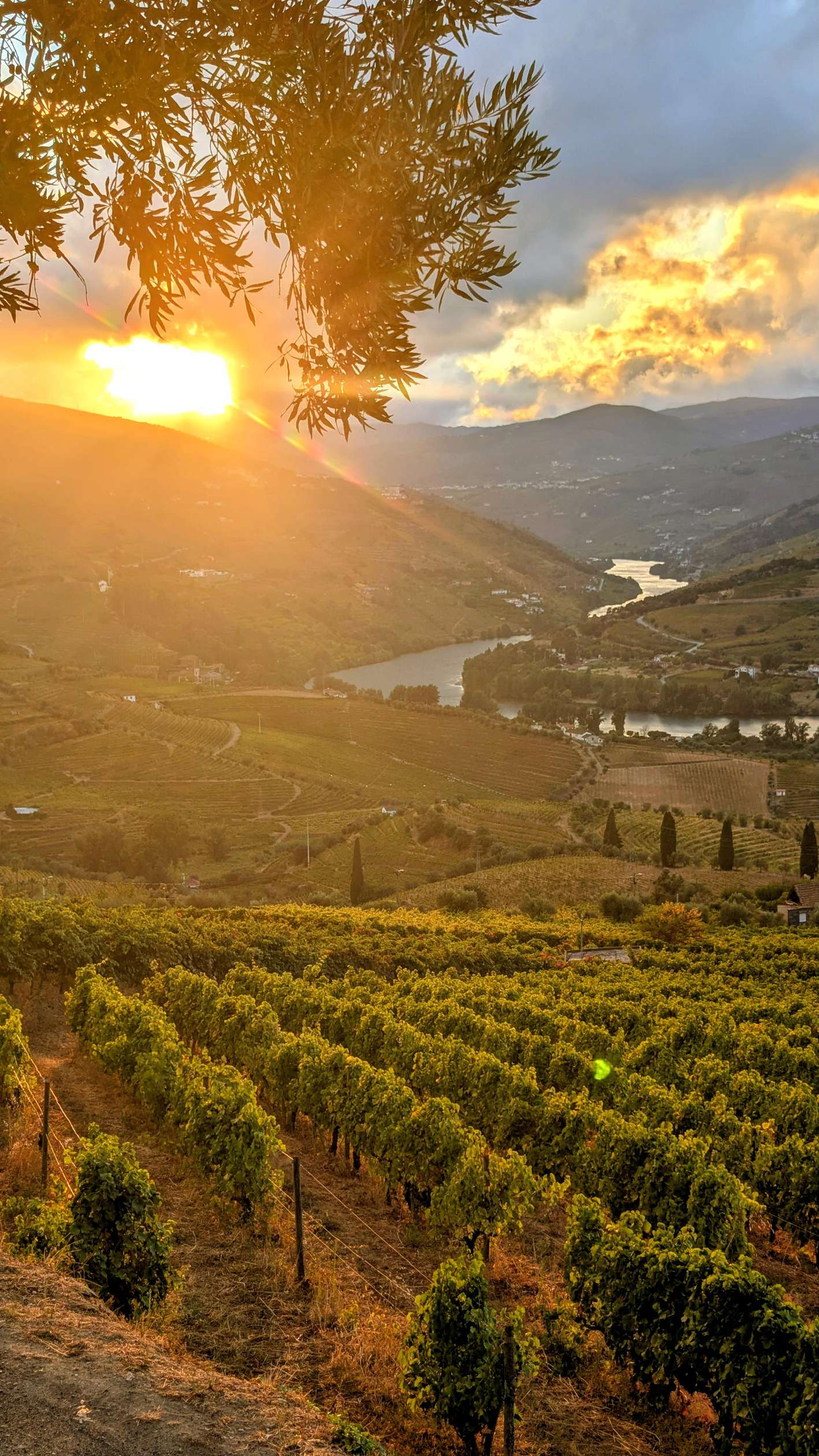


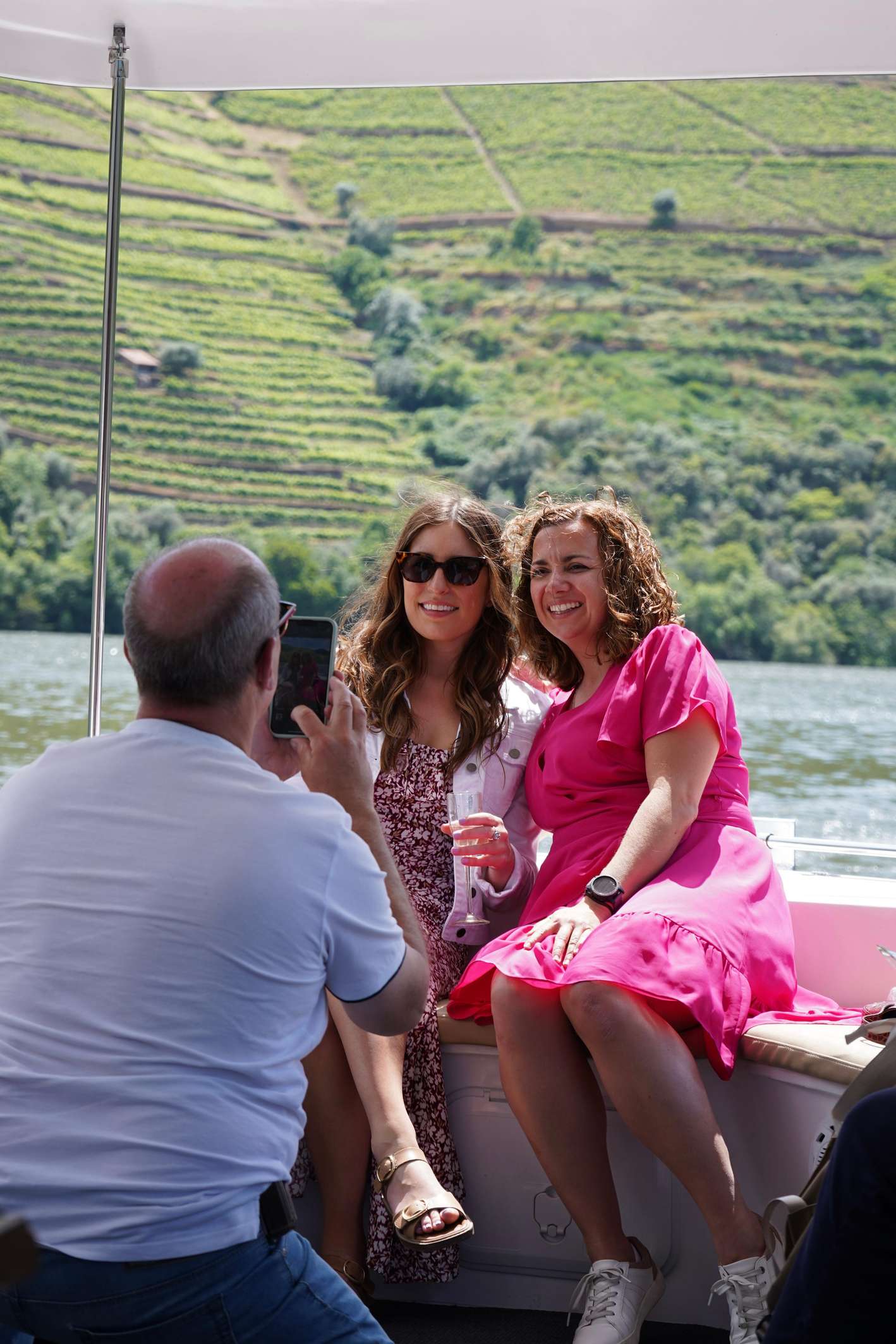
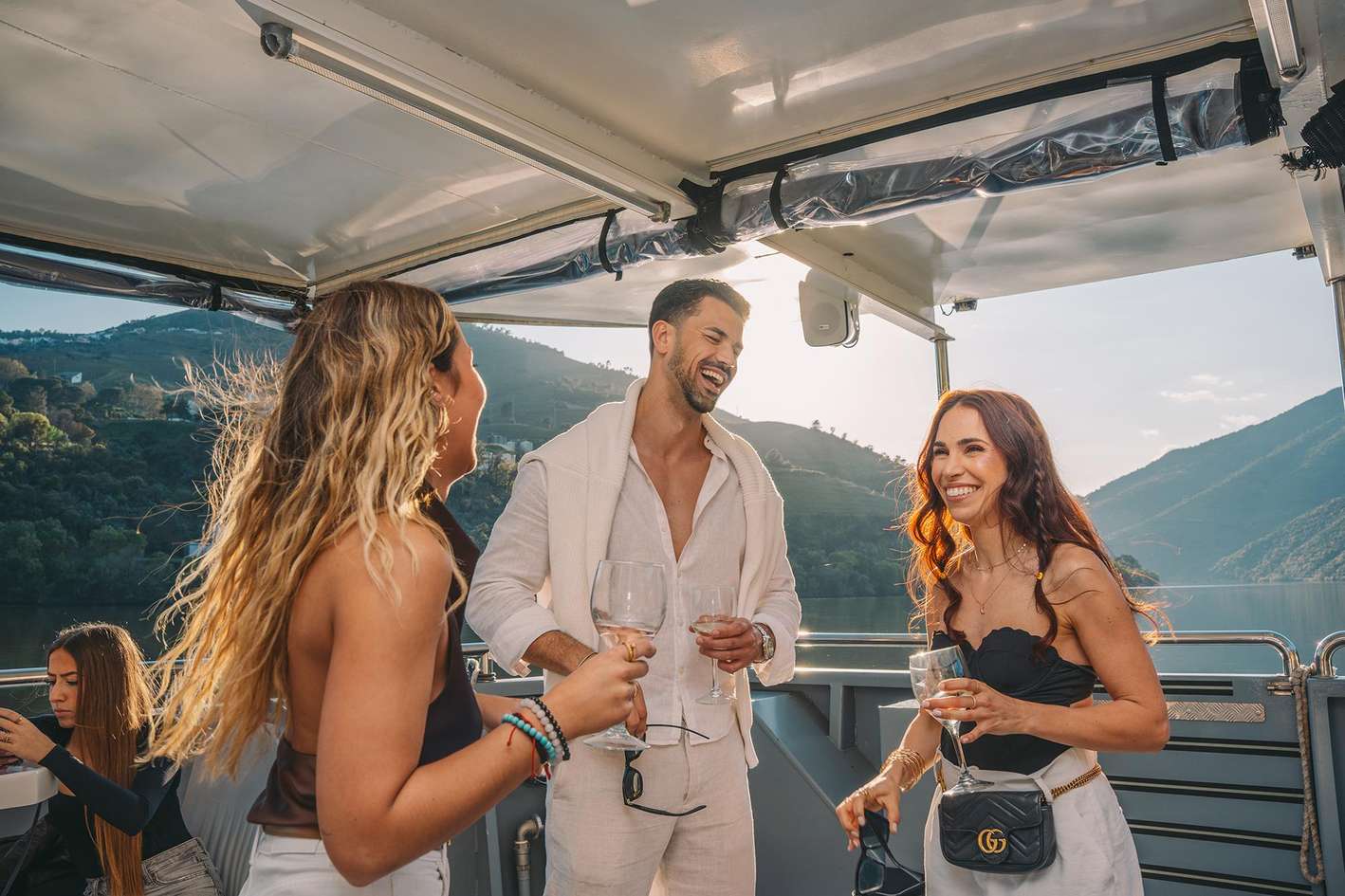
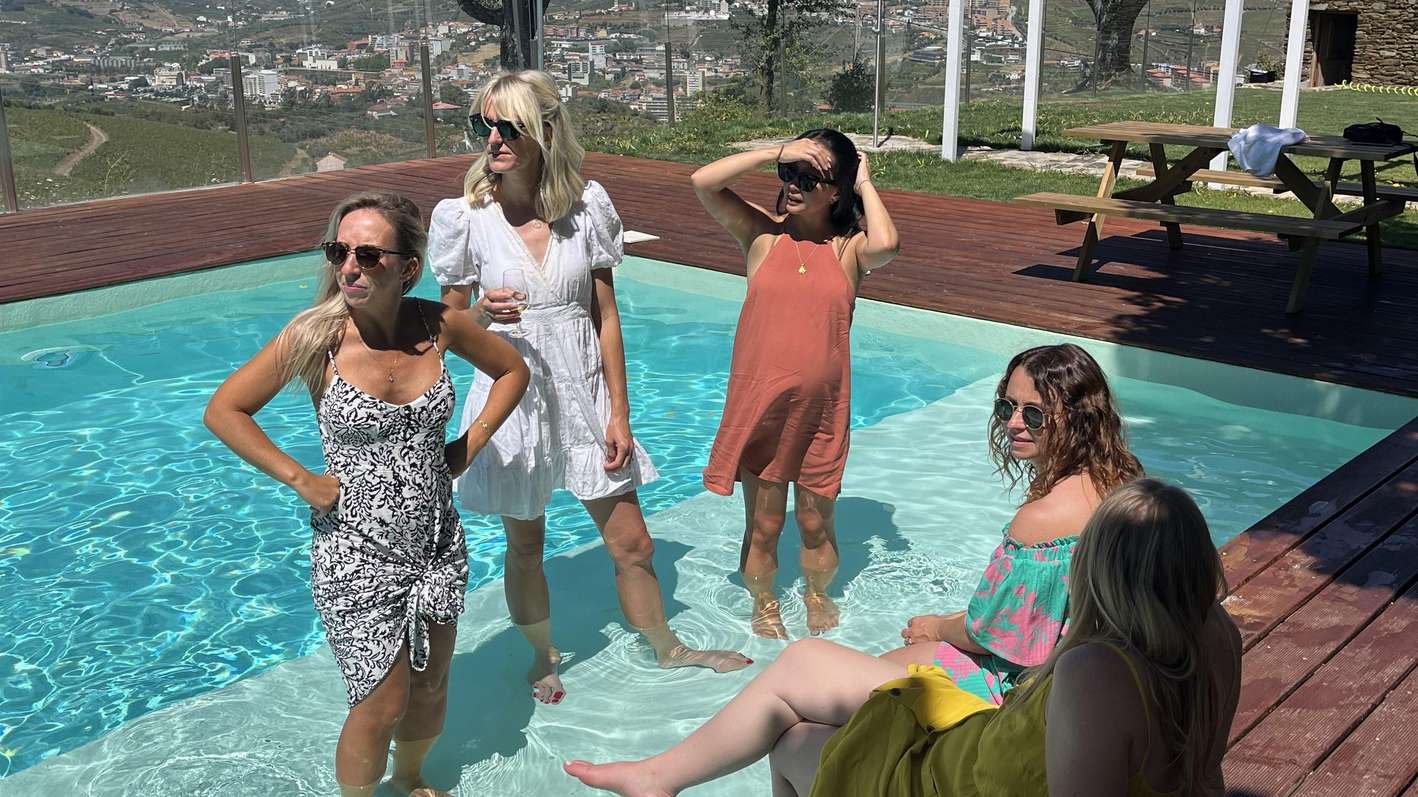
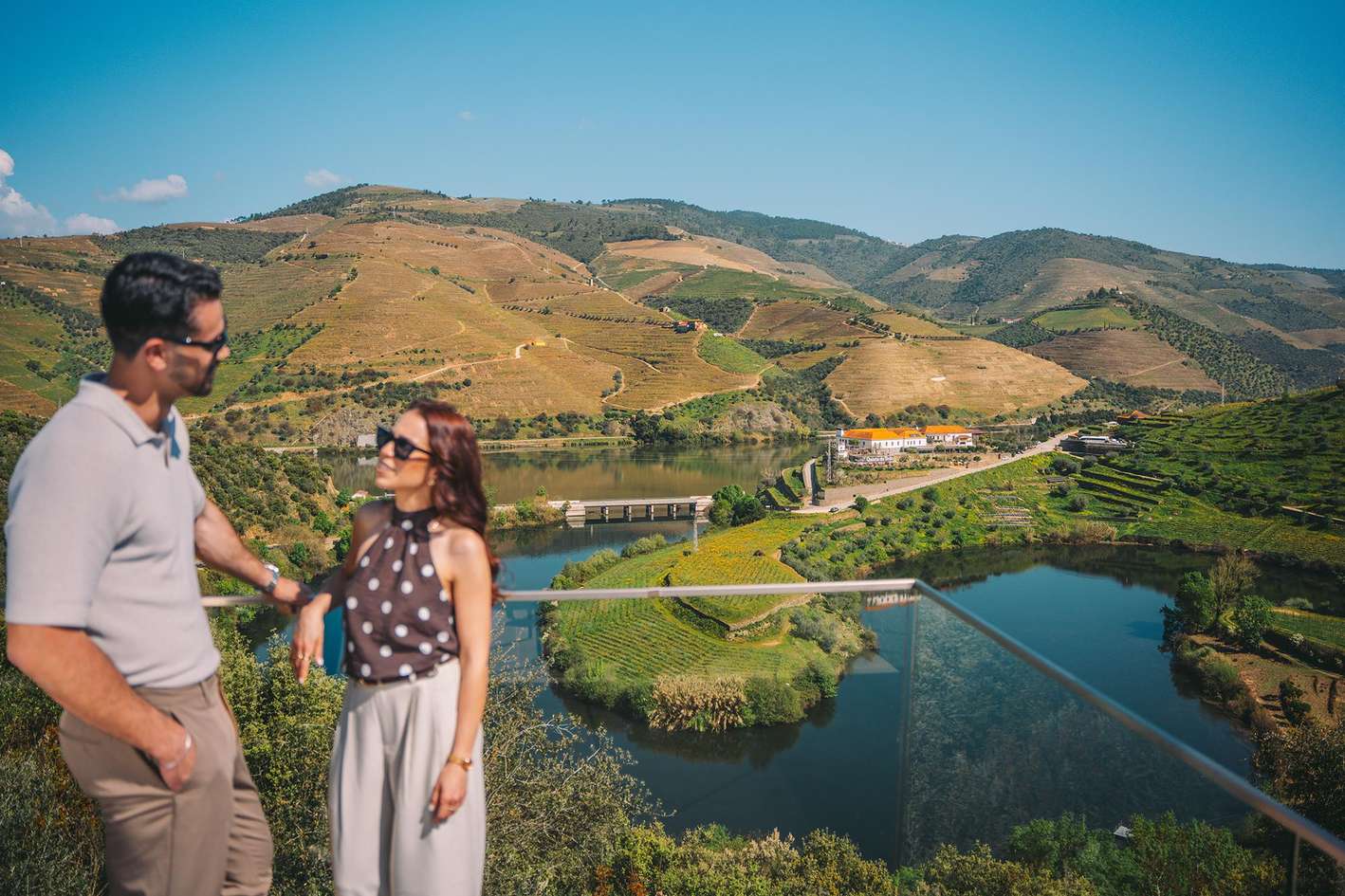
The valley changes four times a year: green, gold, bare and blazing. Pick the wrong month and the terraces are brown; pick the right one and every tasting sits under the color you came for.
May, June and September pair warm-dry days of 20 to 24°C with 20 to 22 dry days a month, though around 8 or 9 days of the month still see some rain.
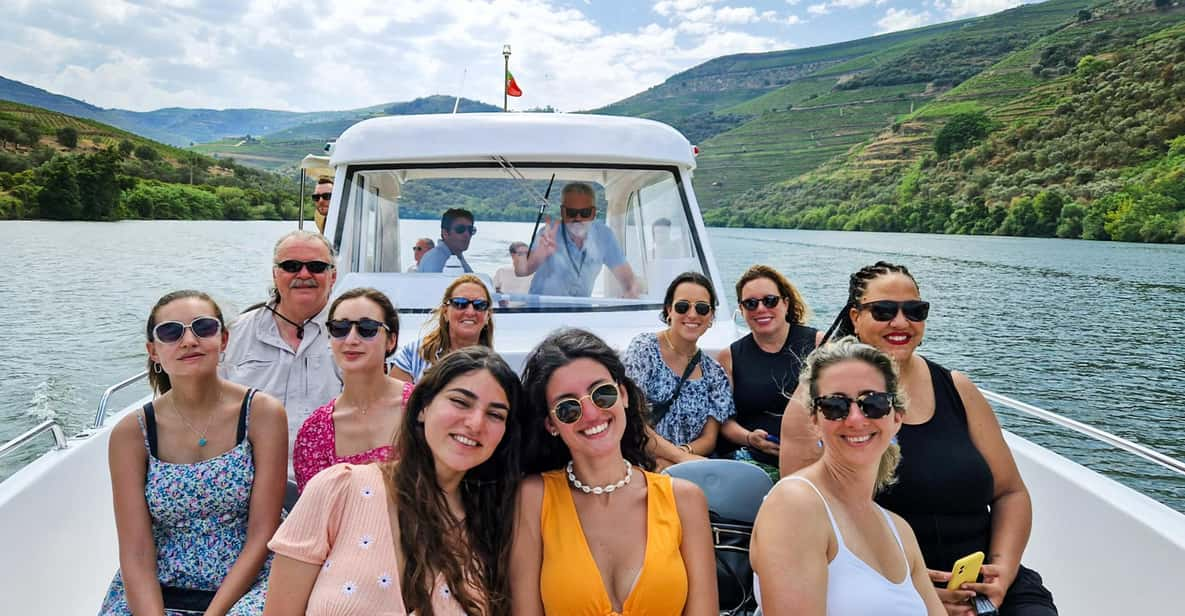
A full-day tour from Porto runs 9 to 10 hours, leaves between 7:30 am and 8:30 am, and holds two estates, a wine-paired lunch and an hour on the river.
Grape stomping in the stone lagares happens only in a roughly three-week window from about September 15 to October 5, and the best quintas are booked by June.
Winter does not close the valley: Pinhão's major quintas open daily except December 25 and January 1, and short rabelo boats sail all year.
Tuesday to Thursday gives you the quietest tasting rooms in any season, and popular quintas still turn walk-ins away, so book ahead.
Base your winter day on the short rabelo boat trips from Pinhão, which run year-round on an open stretch of river, and pick a winery that keeps daily hours, then confirm opening days for any specific quinta you want to visit before you go.
May, June and September are the sweet spot. Average highs sit between 20 and 24°C, with 20 to 22 dry days a month, so terrace tastings and boat decks stay comfortable without a coat or a parasol.
Dry days are not the same as a rainless month: even in May, showers fall on roughly 8 or 9 days out of 31.
Every other season trades something. July and August run hot, often past 35°C down in the canyon. October is the wettest month of the year, with rain on nearly half its days. From November to February the highs stay under 13°C, though the vineyards lie bare and quiet.
One exception worth knowing: late September into early October gives you warm days, cool nights, harvest activity and the first turn of autumn color at once. People who go often call it the best week of the year to taste.
April: 5 out of 5 for how busy it gets. Tours become very busy as afternoons warm to 17°C, though rain still occurs on about 11 days.
Tap a month to read it.
August: highs around 29.3°C. Demand is high during the hottest month of the year, averaging 29°C with virtually no rain.
Tap a month to read it.
August: lows around 16.2°C. Demand is high during the hottest month of the year, averaging 29°C with virtually no rain.
Tap a month to read it.
October: 159 mm of rain. Tours stay busy for autumn foliage, though rainfall increases sharply to 159 mm across 13 wet days.
Tap a month to read it.
August: 30 dry days. Demand is high during the hottest month of the year, averaging 29°C with virtually no rain.
Tap a month to read it.
The numbers point at three different trips. Early summer buys you green terraces and the lowest chance of a wet day. September buys harvest energy at the price of crowds. The cold months buy solitude, because the roads and tasting rooms empty out.
The van rolls out of Porto between 7:30 am and 8:30 am, coffee stops behind it. By mid-morning the coast has fallen away and the first terraced slopes appear.
Two estates, a long wine-paired lunch, an hour on the river at Pinhão, and the N222 road home along the water. Back in the city between 6 pm and 6:30 pm.
That is the standard shape of the wine tasting tour from Porto, and most seasons plug into it. Expect 9 to 10 hours door to door, of which three to three and a half are spent in the vehicle. The rest is cellar, table and river.
One tour that runs this format, From Porto: Douro Valley w/ Boat Tour, Wine Tasting & Lunch, adds hotel pickup, a visit to the region's first winemaking cooperative and a lunch inside a wine cellar, with vegetarian and gluten-free options on request.
If the day involves tasting, skip the wheel. An overnight in the valley or a seat in a van solves what self-drive cannot.
Porto sits on a cool coast; the valley does not. In July and August the basin runs five degrees or more hotter than the city, and afternoons on the exposed schist terraces regularly push past 35°C, occasionally touching 40°C.
The answer is rhythm. Vineyard walks start at sunrise or by 8 am and finish by 11 am, before the sun tops the hills.
Midday belongs to the cellars, which hold a steady 13 to 16°C behind thick stone walls all year. Stepping in from a hot terrace is a drop of up to 20 degrees, so carry a layer even in August.
The boats sail anyway. Heat does not stop a sailing; only severe storms or unsafe river flows do, so tour operators alter itineraries for hazard, never for temperature.
Dress for both worlds: lightweight cotton or linen, a wide-brimmed hat, high-SPF sunscreen, and closed-toe walking shoes with grip for the loose schist gravel underfoot.

Harvest day starts early. Participants arrive between 7:30 am and 8:30 am, collect shears and a basket, and follow the picking team into the rows for two to four hours of cutting bunches in the cool. Lunch is long and regional, house wines on the table.
Then comes the part people travel for. The afternoon moves indoors, to the cellar or the granite lagar, where you may watch the grapes processed or step in and tread them with your feet, the way this valley has always done it. The day closes with a guided tasting, sometimes of the still-fermenting must.
The window is tight. Active picking and foot-treading overlap from roughly September 15 to October 5. The exact dates shift by up to two weeks each year with the weather, and the hot Douro Superior starts picking first while the Baixo Corgo near Régua finishes last.
Picking in the cooler morning hours
Carry them to the collection points
Regional dishes and house wines
Tread grapes or watch the processing
Sometimes the fermenting must
Book early: September dates at the quality quintas are gone by June.
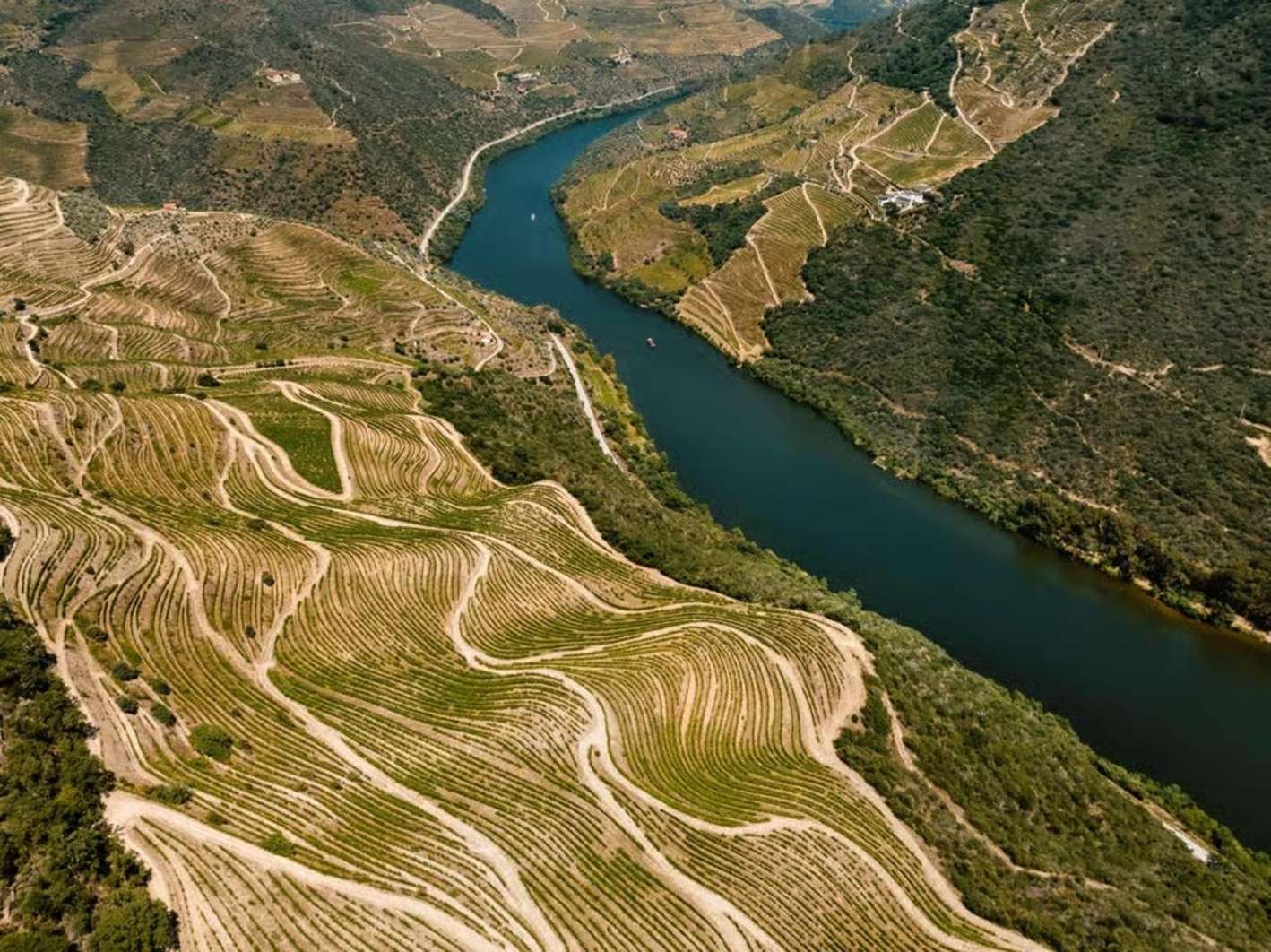
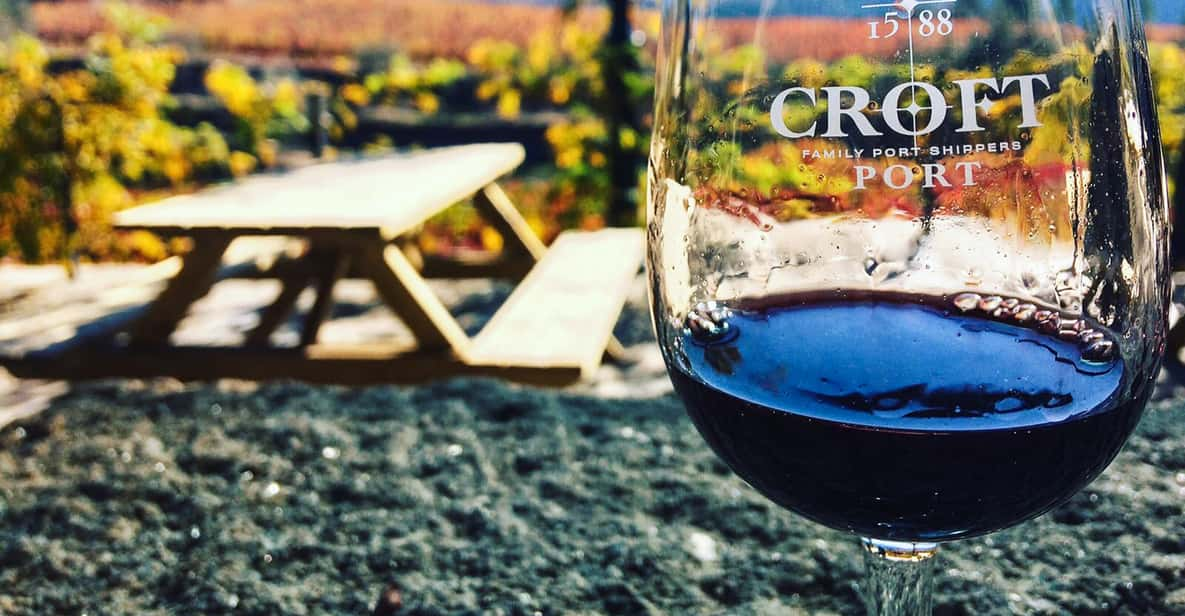
The valley has a color calendar. Peak emerald green runs from mid-May through mid-June, when the canopy is full and the light is still soft. In July the veraison begins and the grapes turn purple and translucent among the leaves.
After the harvest, the palette shifts again. From late September the foliage turns copper, crimson and gold, and the color peaks from the last week of October into the first half of November, before the vines drop their leaves later in the month.
There is one more show, and most visitors miss it.
In late February and early March the almond trees of the Douro Superior, the rugged eastern hills around Torre de Moncorvo, Vila Nova de Foz Côa and Freixo de Espada à Cinta, flush white and pale pink while the rest of the valley still sleeps. Crowds are thin and the quiet suits the blossom.
Spring has a gamble attached, and travelers who have done it say so plainly: April and May can bring heavy, persistent rain that washes out a sightseeing day. The averages look mild, yet a single wet week can eat the green you came for, so build an indoor fallback into the plan.

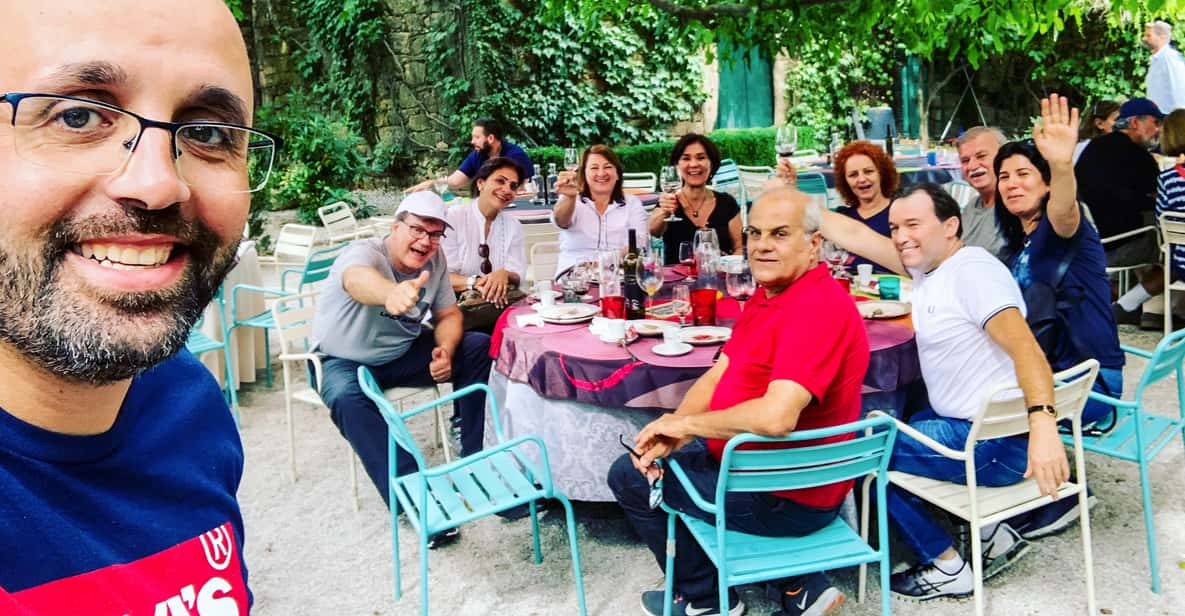
Yes, more than most people expect. The major quintas around Pinhão keep daily winter hours: Quinta do Bomfim opens 9:30 am to 6:30 pm from November through February, Quinta da Roêda runs 9:30 am to 6 pm, and both close only on December 25 and January 1.
The boats keep going too. One-hour rabelo trips leave Pinhão pier hourly between 10 am and 4 pm from November to March, on an open stretch of river that crosses no dams. What pauses is the long-distance cruising, which needs the locks, shut for maintenance from late November through late March.
Winter tastings have their own charm: smaller groups, quieter rooms, and visits held indoors, often beside a fireplace. On the terraces above, workers prune bare vines from December to March, and thin smoke drifts where the cuttings burn.
A few things do go dark. Some smaller producers keep shorter hours, and the restaurant at Quinta de São Luiz closes in January and February. Three dates decide the winter calendar, and they are worth writing down before you book.
December 25 and January 1 Most estates close both days; plan travel or tasting around them December 23 to 27 Quinta Nova's wine tours shut for this stretch in winter January and February São Luiz's estate restaurant is closed; lunch moves elsewhere
Around those dates the valley runs as normal, which is the whole point: a December or February tasting day works if you simply plan lunch away from the one dark kitchen.
May, June, September and October win the water. Afternoons in those months average 21 to 27°C with mostly dry skies, warm enough for an open deck and cool enough to sit out without roasting. September and October add the harvest and the turning foliage, which is why they fill first.
The river itself behaves from March through October, because five hydroelectric dams hold the water in calm, regulated reservoirs. In winter the locks close for maintenance and the long cruises stop, though the short Pinhão loops keep sailing, as the previous chapter showed.
Rain rarely wins. Boats are covered or enclosed, and a wet day usually means a cruise with a roof. Only flood flows or river authority bans stop the sailing, and a tour may swap the cruise for another activity if the water turns.
Know what you are boarding. A traditional 50-minute rabelo trip from Pinhão carries audio narration in several languages, and most one-hour tour boats have no restroom onboard. Go before you board.

The crowd curve is steep. April, May and September run at full roar, with tour buses working the N222 and tasting rooms standing room only. From November to March, bus traffic drops to less than a third of peak autumn levels, and January and February give you the cellar staff almost to yourself.
Late October earns its reputation twice over: the vines are gold and the quintas welcome walk-ins while everyone else has gone home.
If summer dates are fixed, work the week instead. Tuesday through Thursday are the quietest days at the top tasting quintas; Saturdays and Sundays draw the heaviest Porto day-tripper crowds, and weekend slots at sought-after estates book out weeks ahead.
Book regardless of season. Popular quintas turn unannounced visitors away at the door, and small boutique family estates favor intimate tastings with the owners over coach-volume rooms.
| Check | Why it matters | Our pick |
|---|---|---|
| Group cap | Smaller groups reach family quintas and keep the pace human | The two-wineries day runs in luxury vans with a small circle of guests |
| Who pours | Family-run estates mean the winemaker's own story at the table | It visits 2 small family-run wineries with a chef's farm-to-table lunch |
| Boat style | A private cruise beats a shared deck for quiet and guide access | A private boat cruise with snacks, drinks and a guide is included |
| Depth of tasting | More pours per stop means a fuller education | Eleven curated tastings, including a Vintage Port opened with fire |
That format is what From Porto: Tastings at 2 Wineries, Chef's Lunch & Boat Tour sells, and it runs the same careful day in any season.
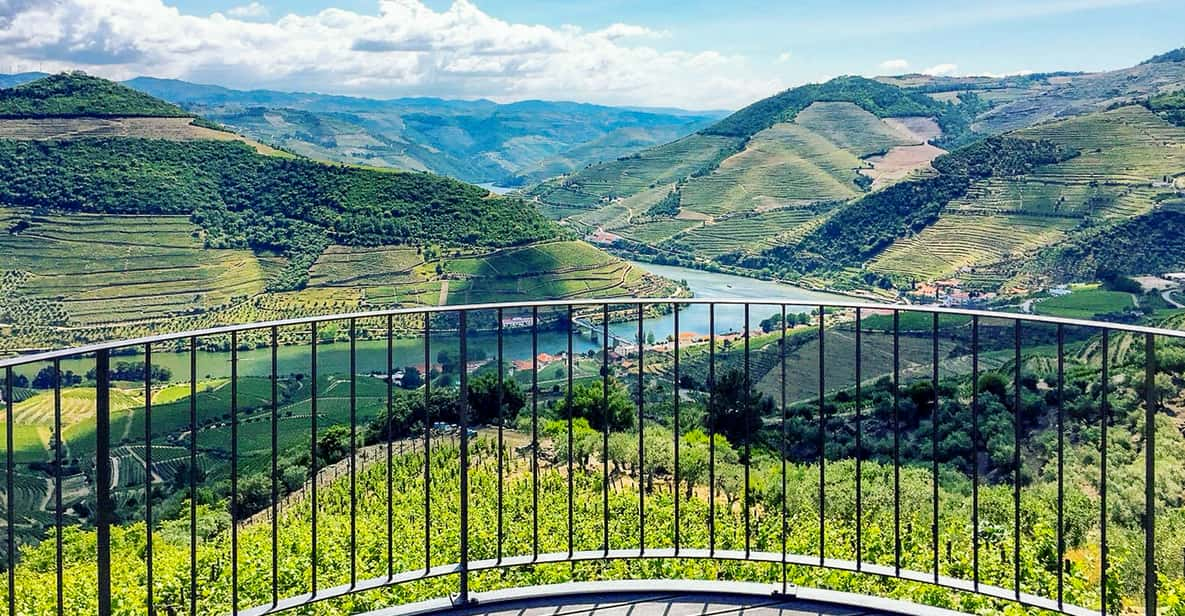
The motorway half is easy. The A4 to Amarante is a smooth, tolled road, and east of the Túnel do Marão the tolls were dropped in January 2025; rental cars carry a Via Verde transponder that settles the rest. Porto to Régua takes about an hour and twenty, Pinhão nearer two.
Then the valley takes over. The N222 runs 27 kilometers along the south bank through 93 bends, gentle enough to enjoy from the passenger seat, but narrow, steep and slower than any map admits. Local hops between quintas stretch the same way.
October to February change the road. Heavy rain leaves the asphalt slick, morning fog settles in, and washouts of leaves, mud and occasionally rock narrow the lanes. Drive shaded corners with care.
Two rules stop rentals at the counter. A license from outside the EU or UK, or in a non-Latin script, may need an International Driving Permit alongside it, and most companies want a physical credit card in the driver's own name for the deposit. Debit and virtual cards often mean refusal.
And the driver drinks nothing: Portugal's limit is 0.5 g/l, and the Douro is an active breathalyzer zone. The full options for getting there, by train as well as car, sit in how to get to the Douro Valley from Porto.
Rain does not cancel the day. Tastings and cellar tours move indoors, estate visits continue under winery roofs, and boats run covered or enclosed. Only unsafe river conditions swap the cruise for another activity. Tours simply proceed rain or shine.
Guided winery tours are usually in English, and many quintas add Portuguese, Spanish or French. Language will not decide your month.
Nor will Port alone. Port is about half of what the valley produces today, so dry Douro DOC reds and whites pour at almost every estate alongside the fortified wines. Non-drinkers still get the scenery, the stories and, at many estates, a grape juice in their glass.
One small freedom survives the booking culture: drivers can stop at any quinta marked rota do vinho do Porto and ask for a taste, and the tasting rooms at Quinta das Carvalhas and Quinta Nova's Patamar bar pour without a booked tour, all year round.
A few beliefs about this valley deserve retiring before you choose your month.
Major Pinhão quintas open daily; only a few restaurants and dates go dark
Dry DOC reds and whites pour at nearly every winery, Port is half the output
Tastings move indoors and covered boats keep sailing
Popular quintas require reservations and turn walk-ins away
Whichever month you settled on, those four hold: the day runs, the glasses pour and the only real risk is arriving without a reservation.
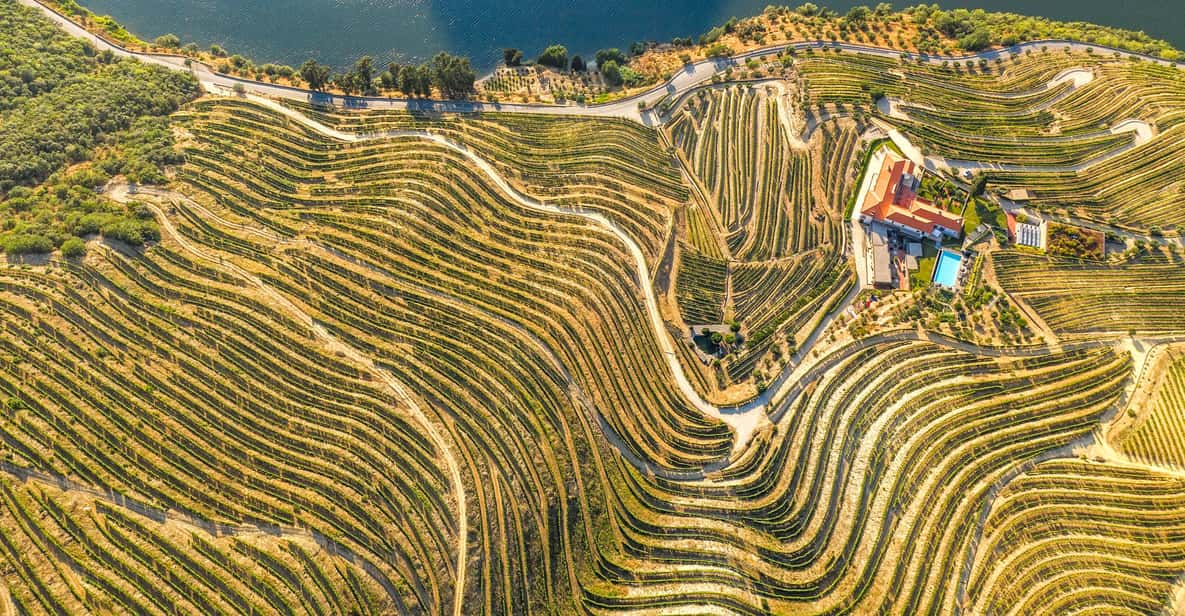
The day trip shows you the valley; a stay lets you live in it. Three to four days is the generous answer: a river cruise, two or three quintas and long lunches, none of it rushed. Two nights buys one full valley day, enough for a couple of wineries and a Pinhão boat.
Staying over also removes the return-drive pressure entirely, which is why people who go often recommend a vineyard hotel or a bed in Pinhão or Peso da Régua instead of passing through on a schedule.
Régua itself rewards a walk. The riverfront park and the Alameda gardens sit minutes from the center, and the statue walk along the water makes an easy evening hour.
Drive a little further and Lamego's castle and cathedral, the sanctuary at Panoias and the university's botanical garden in Vila Nova de Foz Côa country fill a slow morning between tastings.
Trails around Pinhão are well signed for independent walkers, though goat paths cross the official routes and mobile signal fades in the deep valleys, so download offline maps before you set out. Portugal welcomes children warmly in restaurants and wineries alike, and the train-plus-boat combination suits young legs best.
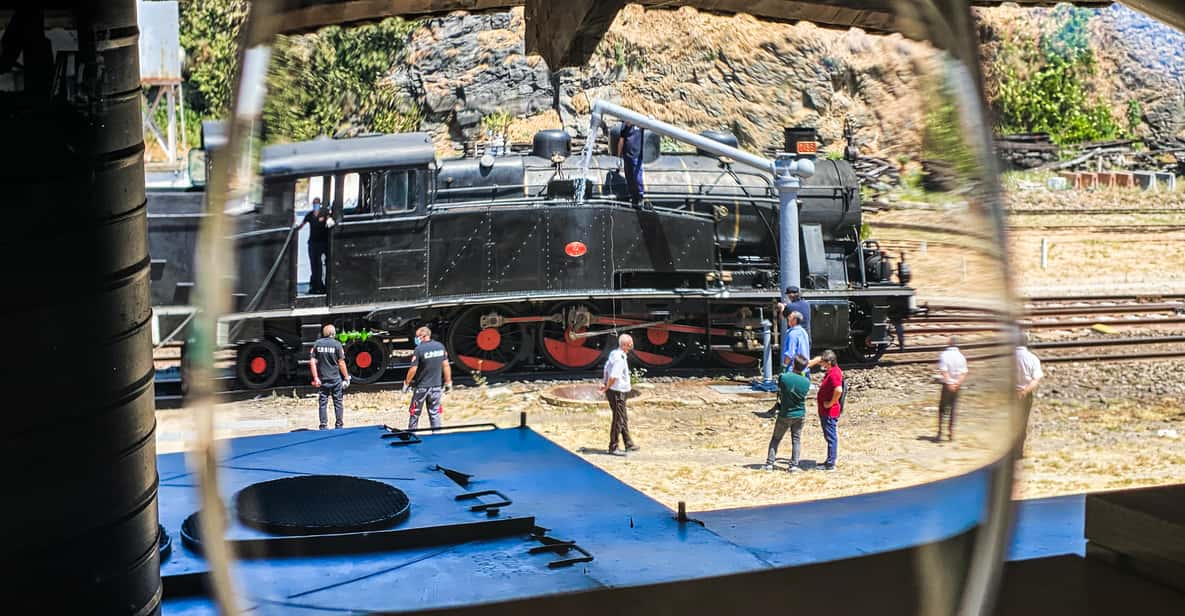
May, June and September are the safest bets, and late September into early October adds the harvest. Whichever month you choose, a small-group day from Porto makes the tasting work: someone else drives the bends, the cellars are cool in August and warm by the fire in January, and the boats sail all year.
Book the quintas ahead. That single habit protects more days than the weather ever will.
How river cruises run month by month, from summer reservoirs to winter short trips from Pinhão.
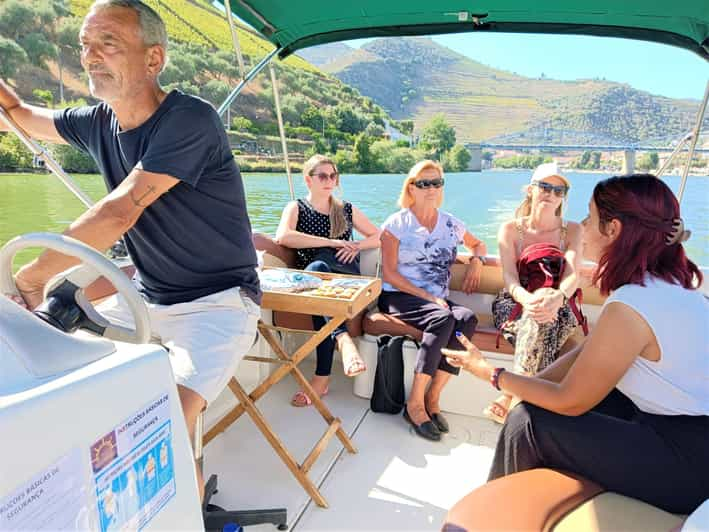
Private boats for quiet seasons, when the river is calmest and the decks are nearly yours alone.
Guided day tours that run in every season, rain or shine, with tasting rooms to duck into.
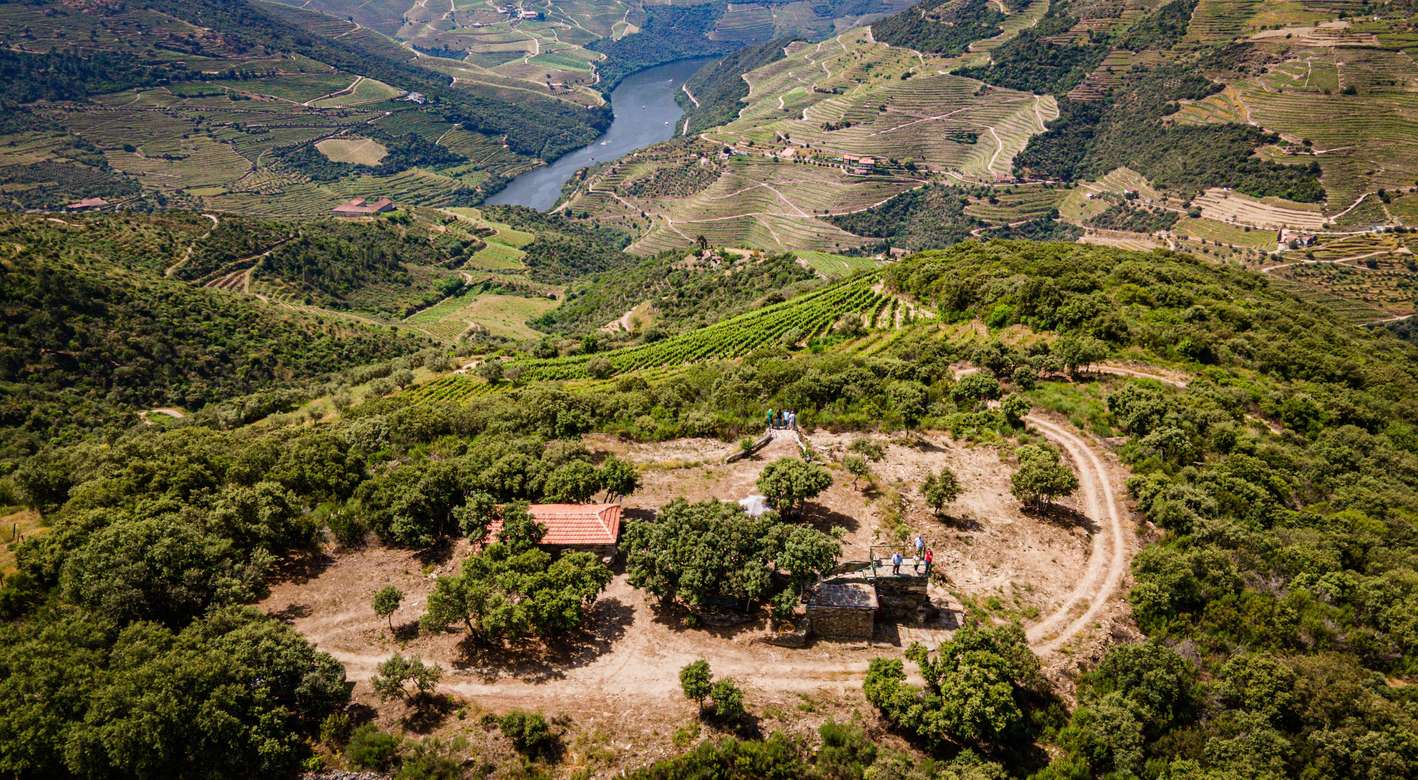
When trails are walkable by season, plus cool-morning starts that beat the terraced summer heat.
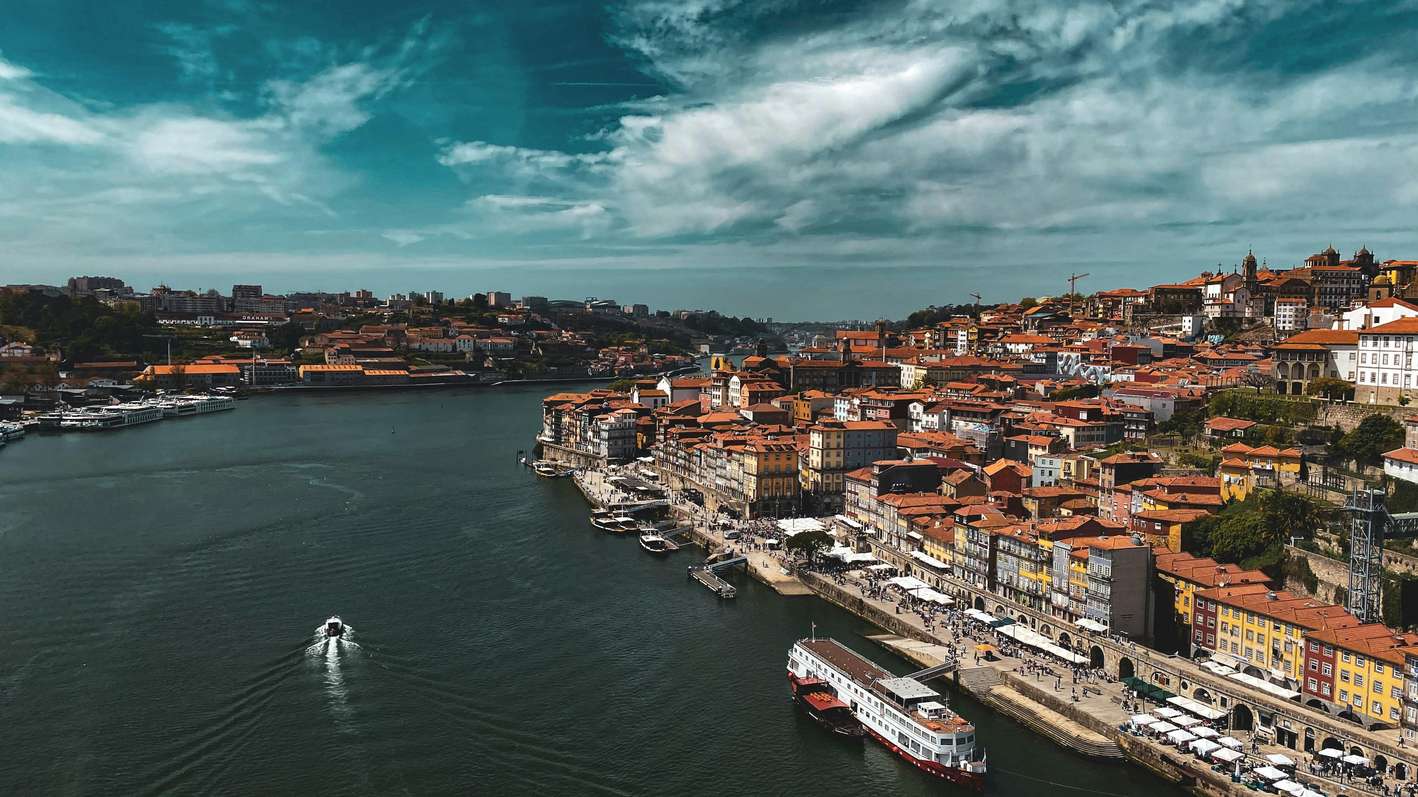
How three days spread across quiet months let you see quintas and river without rushing.

Small-group tours in low season, when tasting rooms are quiet and buses are few and far between.
Private routes you can time to your dates, from almond blossom weeks to the harvest window.
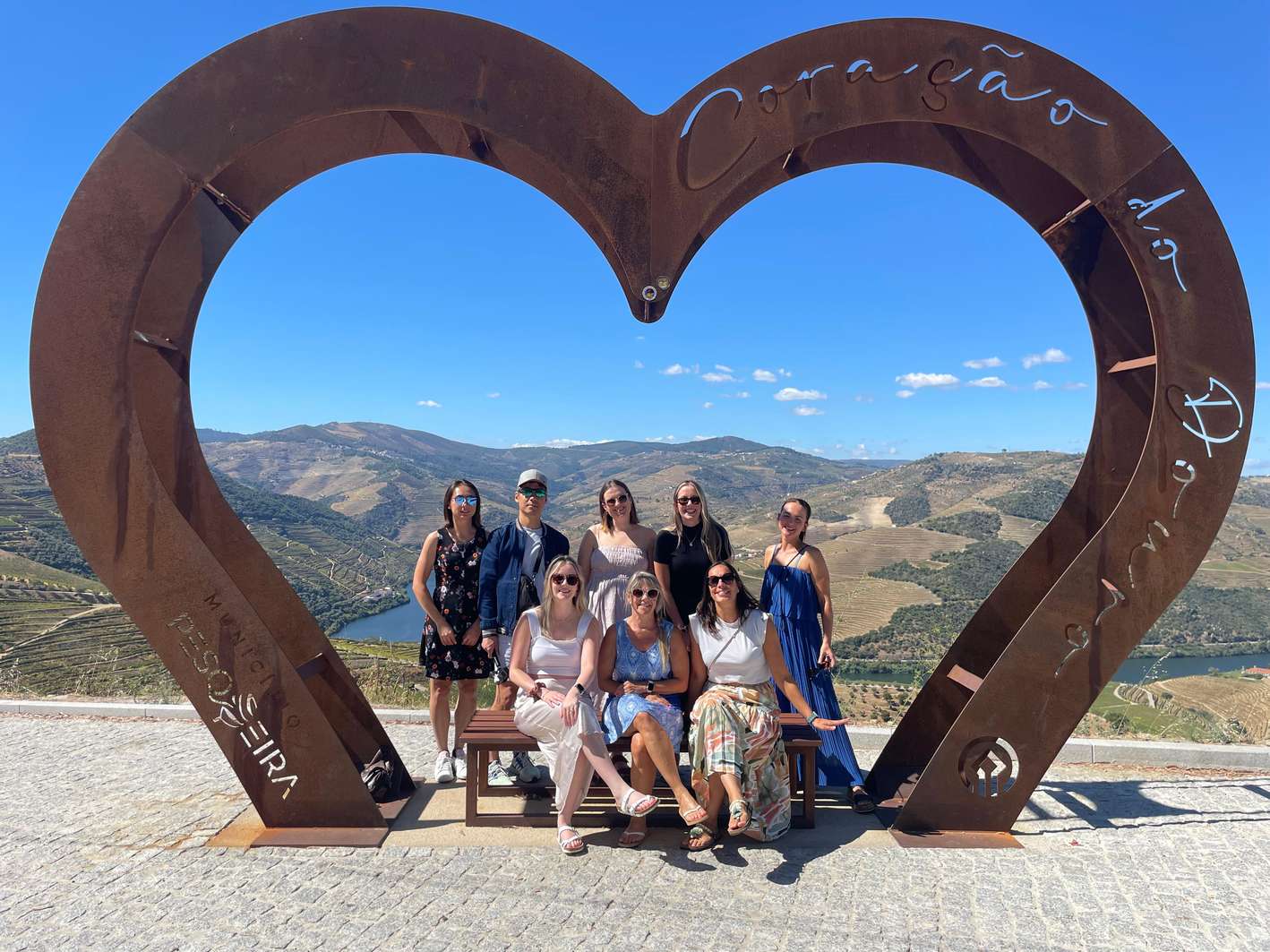
Premium tastings in cooler months, when cellars stay cool and the pace slows down.
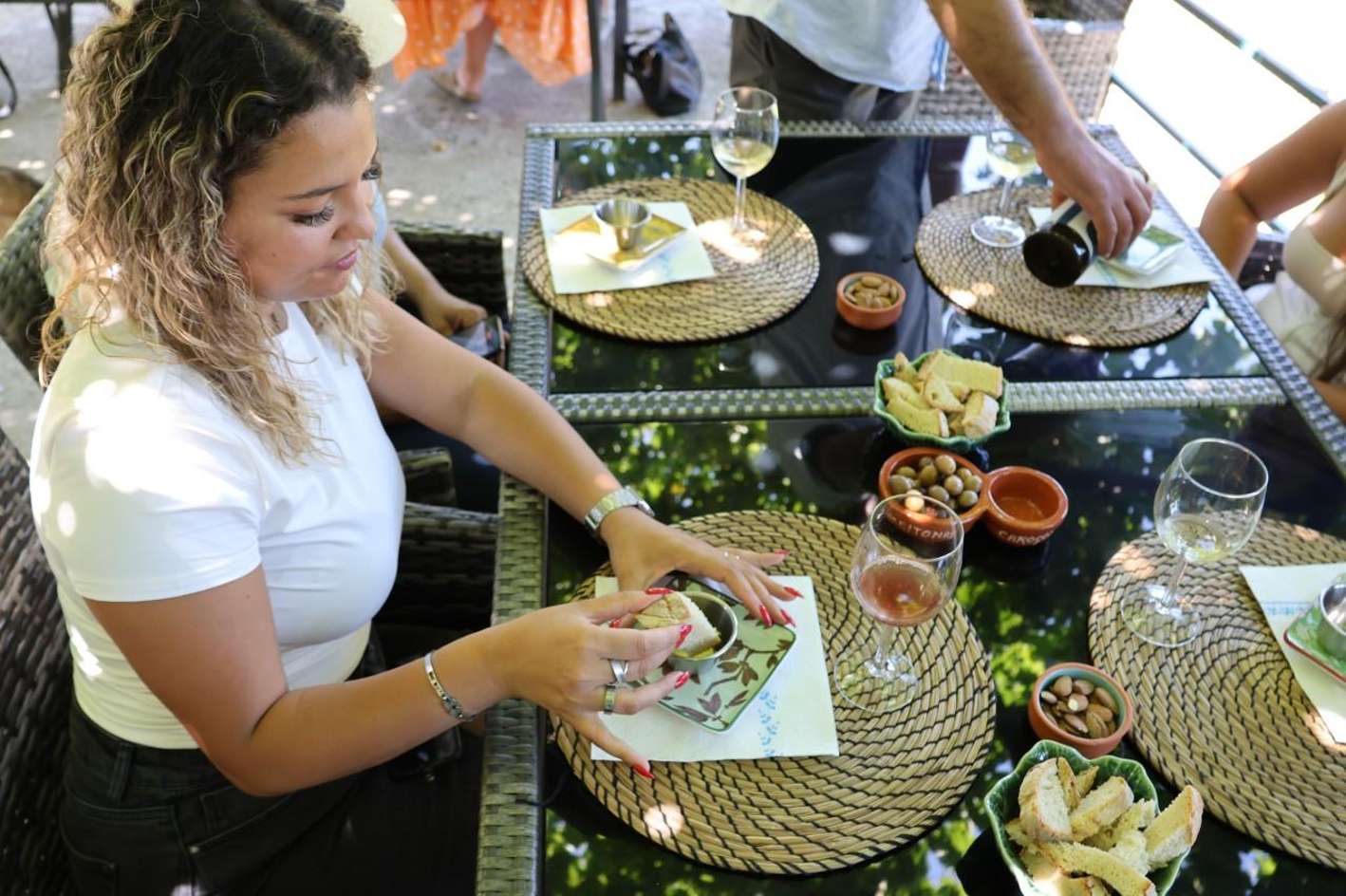
Half-day options that suit shorter winter daylight and early spring afternoons.
The complete full-day schedule, and how summer heat and winter daylight shape each hour.
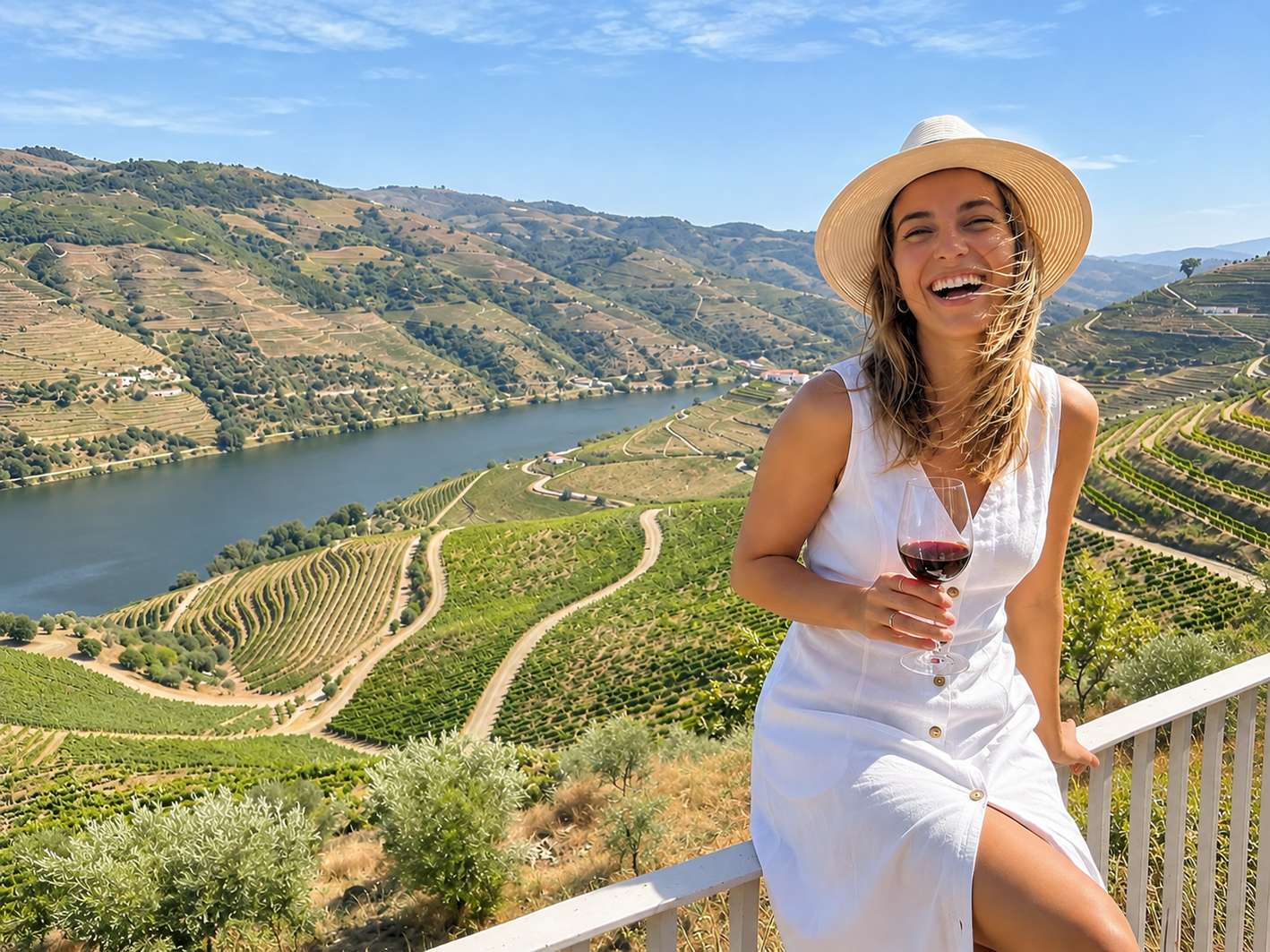
How to catch the September 15 to October 5 window when picking and foot-treading overlap.
Quick answers on heat, rain, harvest weeks and winter closures before you set your dates.
 Pinhão2026
May, June and September pair daytime highs between 20°C and 24°C with 20 to 22 dry days each month, the most comfortable stretch of the year. July and August often climb past 35°C in the valley, while November through February stays chilly with highs under 13°C.
In July and August the valley averages highs of 28°C to 29°C, but afternoons on the terraces frequently reach 32°C to 38°C and occasionally pass 40°C. Coastal Porto stays cooler at around 24.6°C, so pack lighter clothes than the city forecast suggests.
Emerald green foliage peaks from mid-May through mid-June. Autumn golds, coppers and deep reds show from late September, reaching their best in the last week of October and the first half of November before the vines drop their leaves.
Active harvesting and traditional foot-treading in granite lagares overlap from about September 15 to October 5. Stomping is exclusive to those weeks, so a harvest experience cannot be booked at any other time of year.
Most major estates stay open through winter with slightly reduced hours, closing mainly on December 25 and January 1. A few close longer breaks, such as one winery tour programme shut from December 23 to 27, and some quinta restaurants pause in January and February.
January and February bring the quietest tasting rooms and the most personal attention from cellar staff, with tour bus traffic down to less than a third of autumn levels. The bare terraces look brown and grey, but the stonework and geometry of the slopes show clearly, and pruning smoke drifts across the valley.
November through March, plus late October, offer the most unhurried visits. Late October and November pair autumn foliage with small producers who readily welcome walk-in visitors, while summer and harvest weekends draw the heaviest crowds.
Late spring in May and June and early autumn in September and October work best, with afternoon temperatures between 21°C and 27°C and mostly dry weather. September and October also bring harvest activity and colorful vineyards, making them the busiest months on the water.
Between late February and early March, almond trees bloom white and pale pink across the rugged hills of the Douro Superior, while the rest of the valley still sleeps. It is a short window with few other visitors around.
March averages a high of 12.7°C with about 13 wet days, and budburst arrives mid-month, when the first tiny green shoots appear on the vines. Tour bookings run at a moderate level, so it sits between the quiet winter and the busy spring.
October records about 159 mm of rain over nearly 13 wet days, and heavy rain makes the winding N222 slippery with fog and washed-down leaves. Tours run anyway: tastings and cellar visits move indoors, boats are covered or enclosed, and a cruise may be swapped for another activity in bad conditions.
Closed-toe walking shoes with non-slip grip are needed year-round on slopes steeper than 30 degrees. In summer add a wide-brimmed hat, sunglasses and sunscreen, and in spring and autumn bring layers and a light rain jacket.
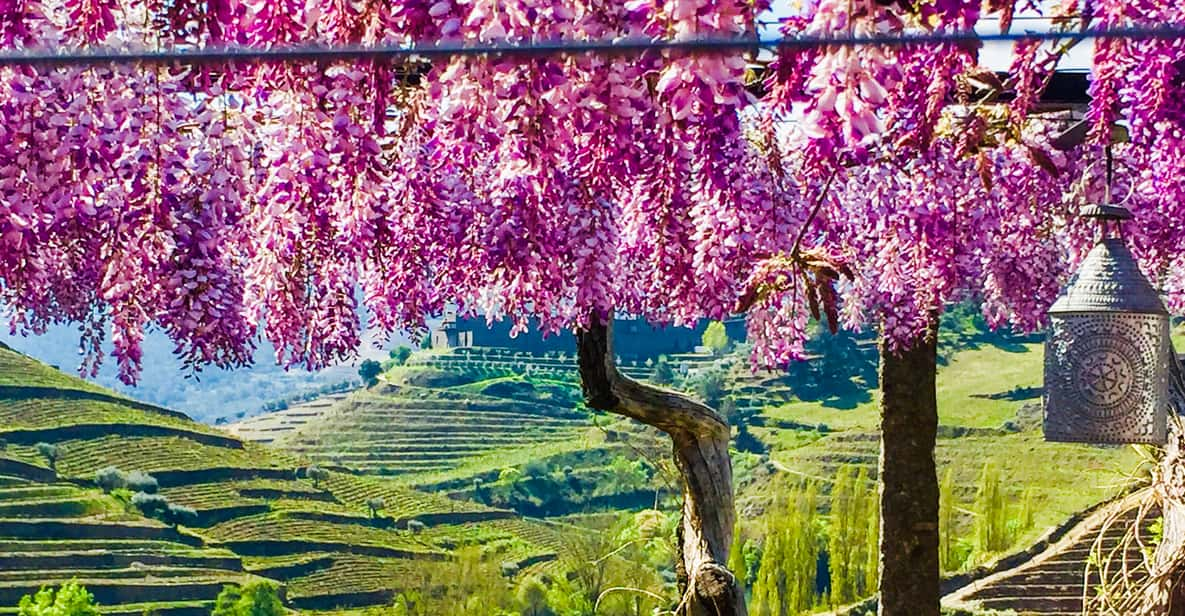
Pick your month, then let this full-day tour from Porto handle the rest: a one-hour cruise, two winery visits and free cancellation up to 24 hours before.