- 1
Book May, June or September: highs of 20 to 24 degrees and 20-plus dry days a month.
- 2
Start vineyard walks between 8 and 9 am and be off the terraces by 11, before the heat peaks.
- 3
Budget 9 to 10.5 hours for the day trip from Porto, with three to four of them on the road.
What non drinkers say about their rated Douro Valley tour
Most reviewers rave about the views, calling the panoramic landscapes the highlight of a special day out.
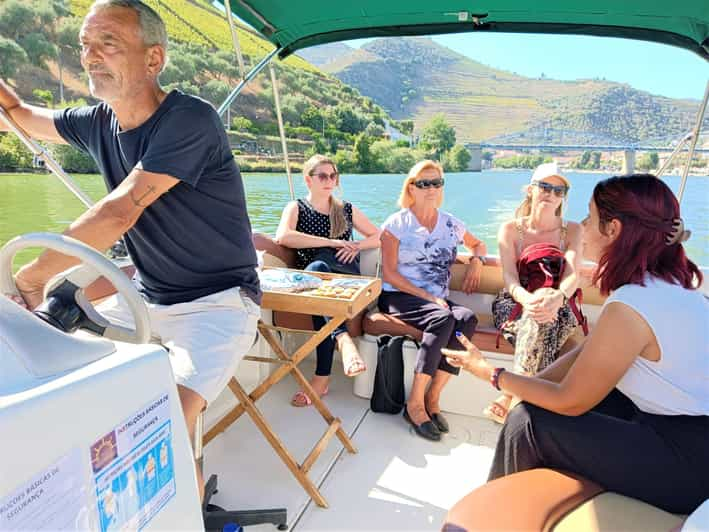
Many travelers loved ending the walk with a relaxed picnic by the river, a finish they did not expect.
Several reviewers wished they had arrived earlier, so they could linger longer on the quieter trails.
 ★★★★★
Hola Manuel! What a fab, memorable day! Great company, fun boat trip, amazing informative tour!
Angela · France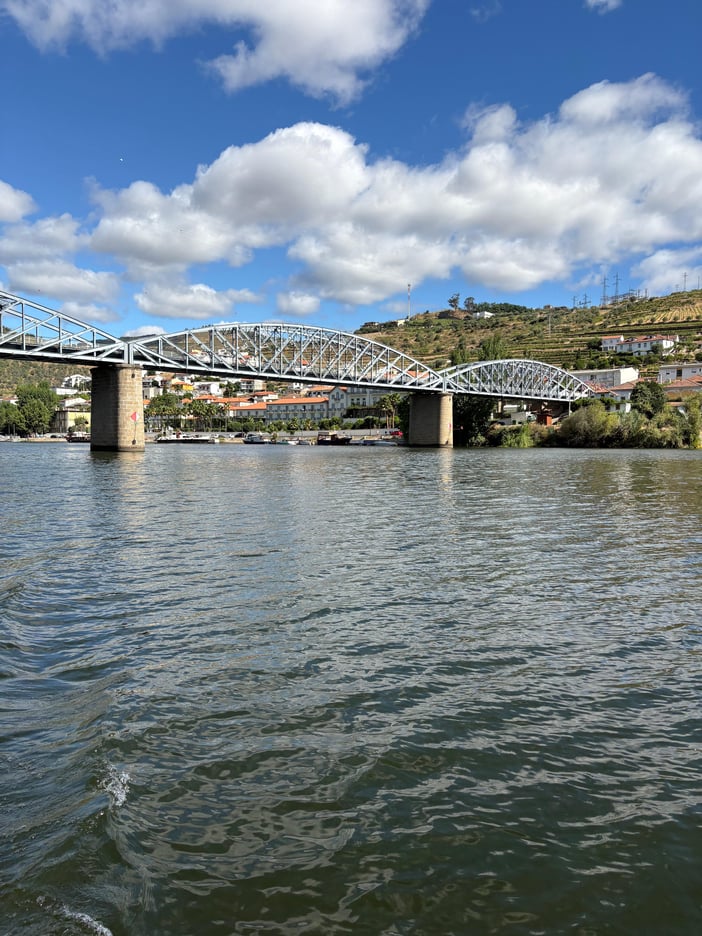 ★★★★★
Ricardo's warmth and knowledge made us comfortable instantly; Lilly was great on the boat. Vineyard tasting good, veg food at Amarante good. Ricardo drives safely, speaks several languages. 5/5!
Sachin · India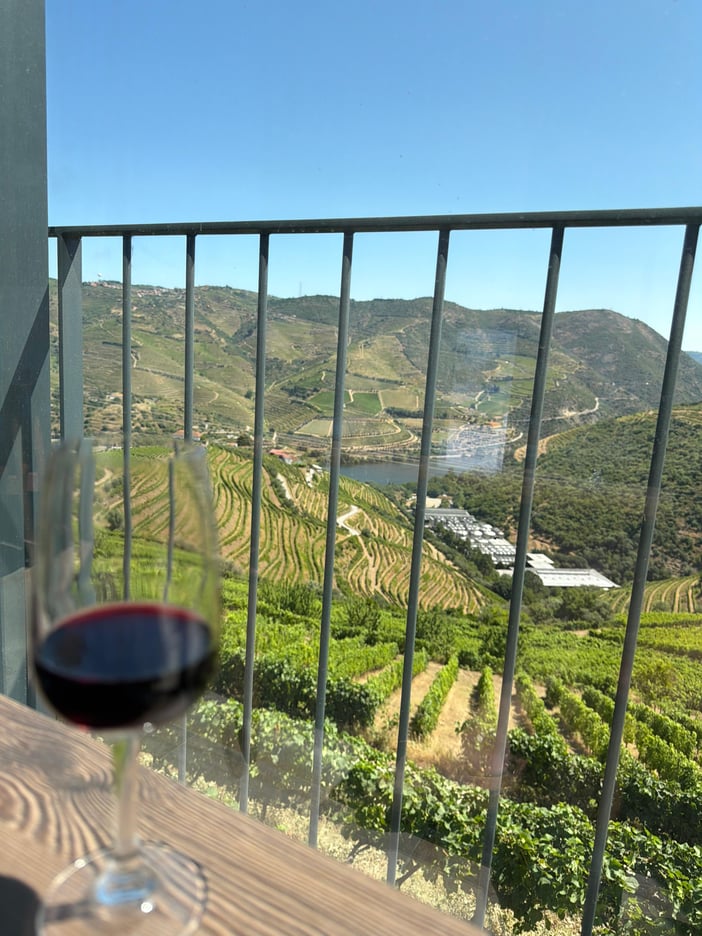 ★★★★★
Best experience from our many Portugal trips! Ruben was prompt, professional, fun. Authentic, magical day with deep regional history, generous food and incredible wine. Highly recommend!
A traveler · United States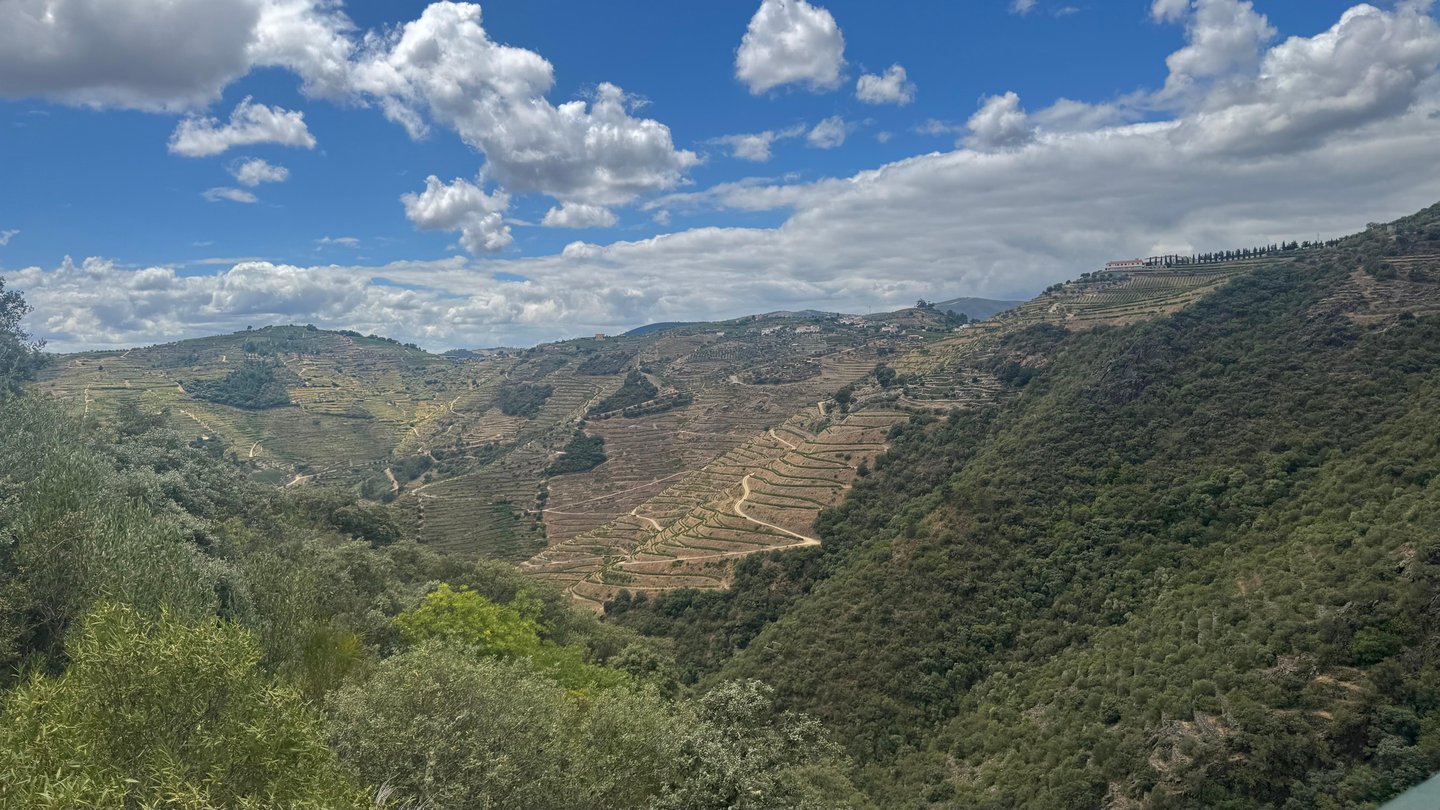 ★★★★★
Pedro and his colleague were lovely and accommodating when we arrived very late. Beautiful views and a lovely picnic at the end. Perfect for seeing the less touristy side of the Douro Valley.
Anat · Germany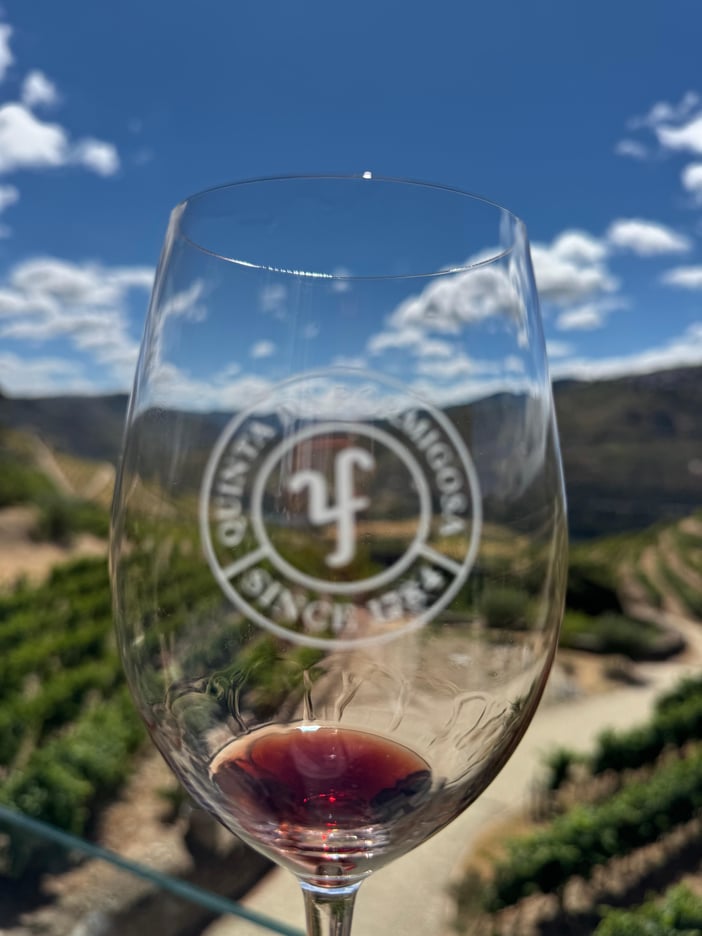 ★★★★★
Varied trip, several transports. Stunning quinta arrival. Rita so friendly and attentive. Good typical restaurant, note lunch is late.
A traveler · France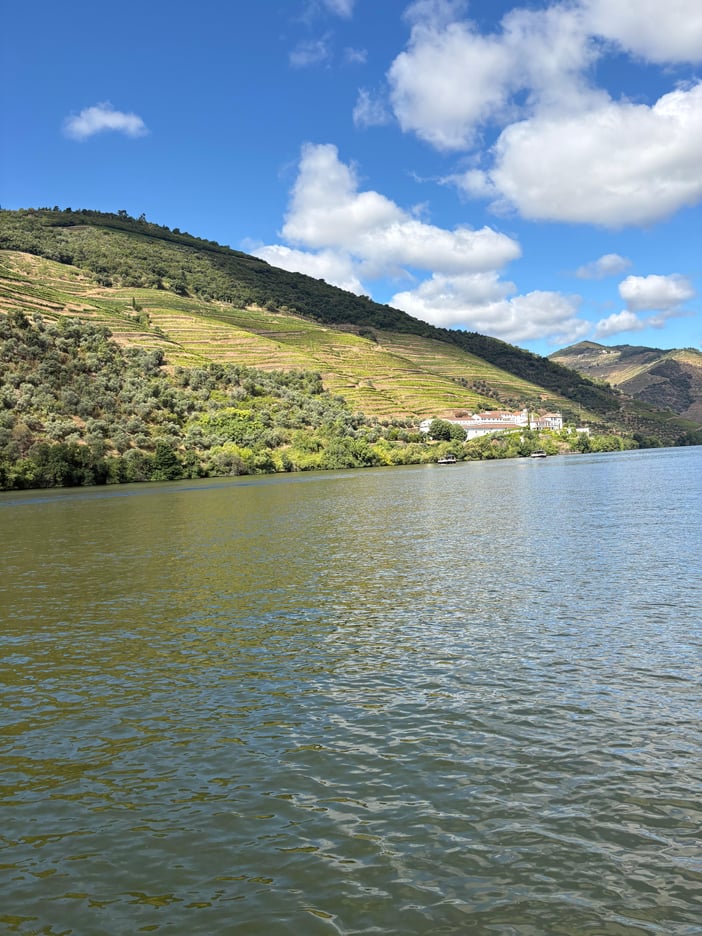 ★★★★★
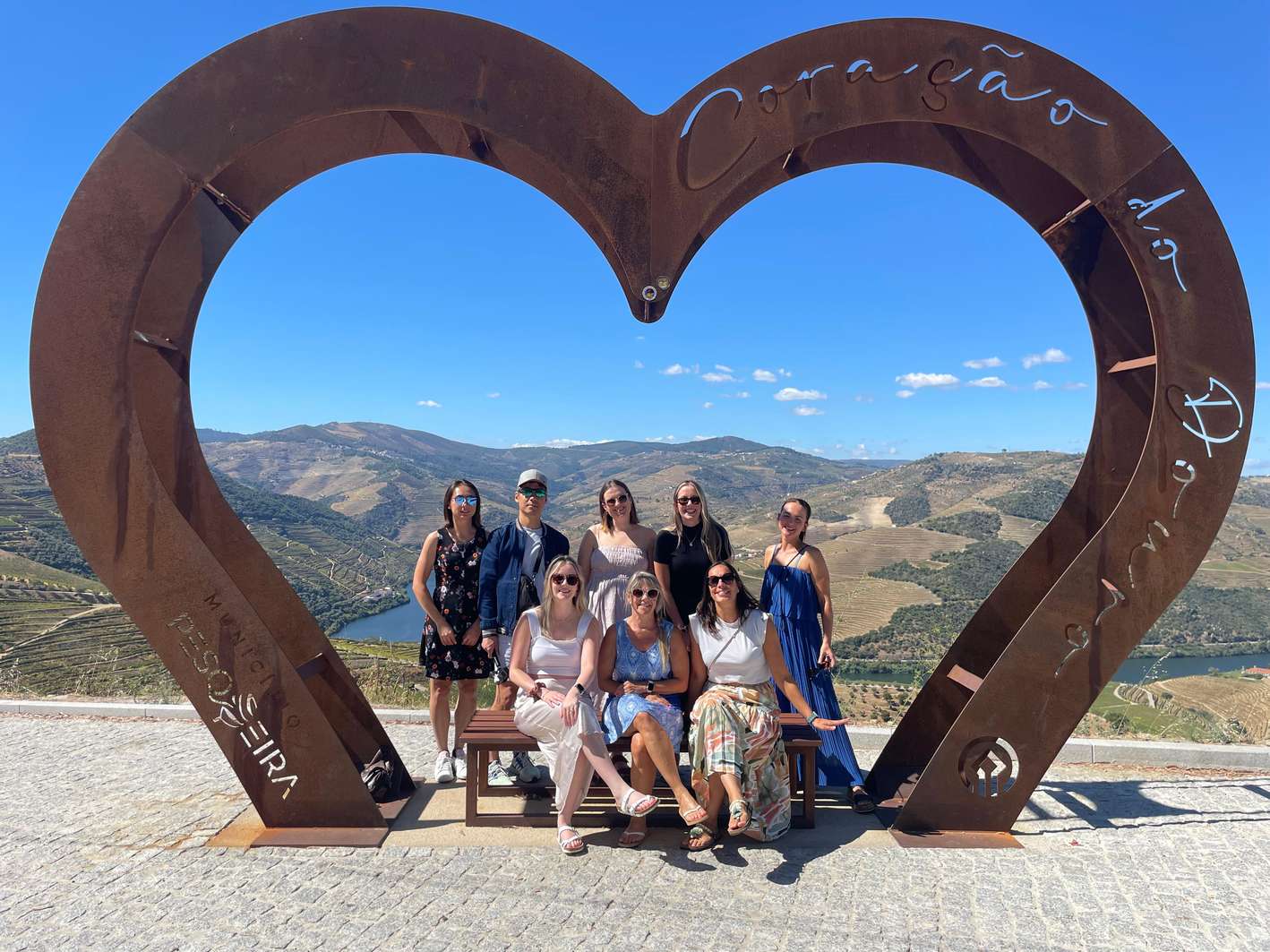
Amazing trip! Carlos was knowledgeable and fun, never dull. Group of seven was perfect. Incredible value: boat, transport, tasting at a family estate, lunch, snacks. We researched and chose right!
Jessica · United Kingdom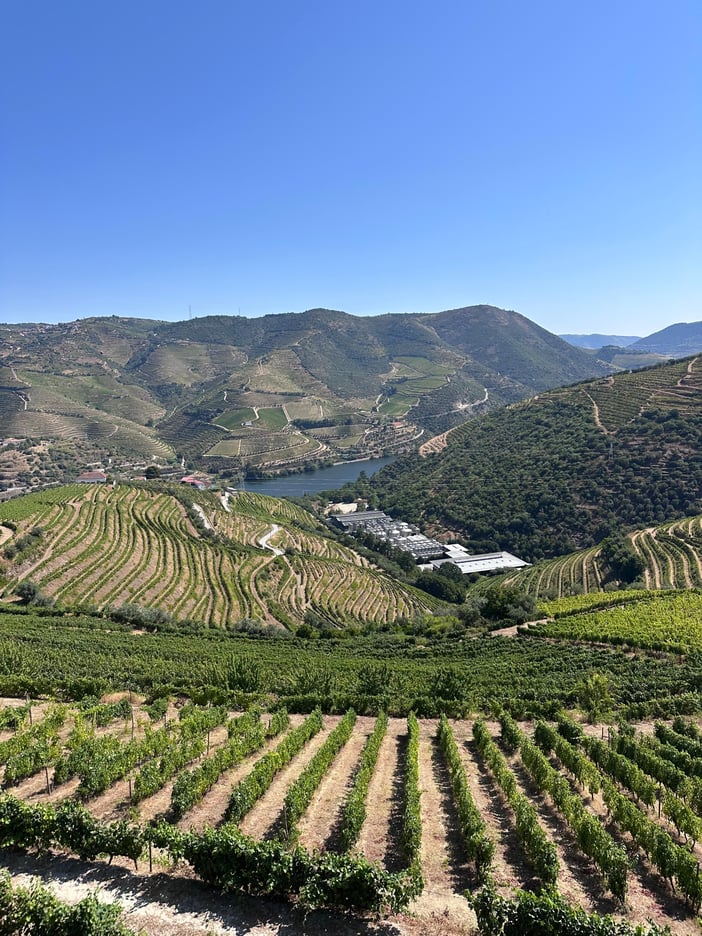 ★★★★★
Exceeded expectations! Don't hesitate few reviews, these brothers use lifelong Douro connections for an intimate tour. Lunch at a 14th-century estate was the highlight; never rushed, glass never empty!
Isabella · United States
Is the Douro Valley worth visiting if you don't drink wine
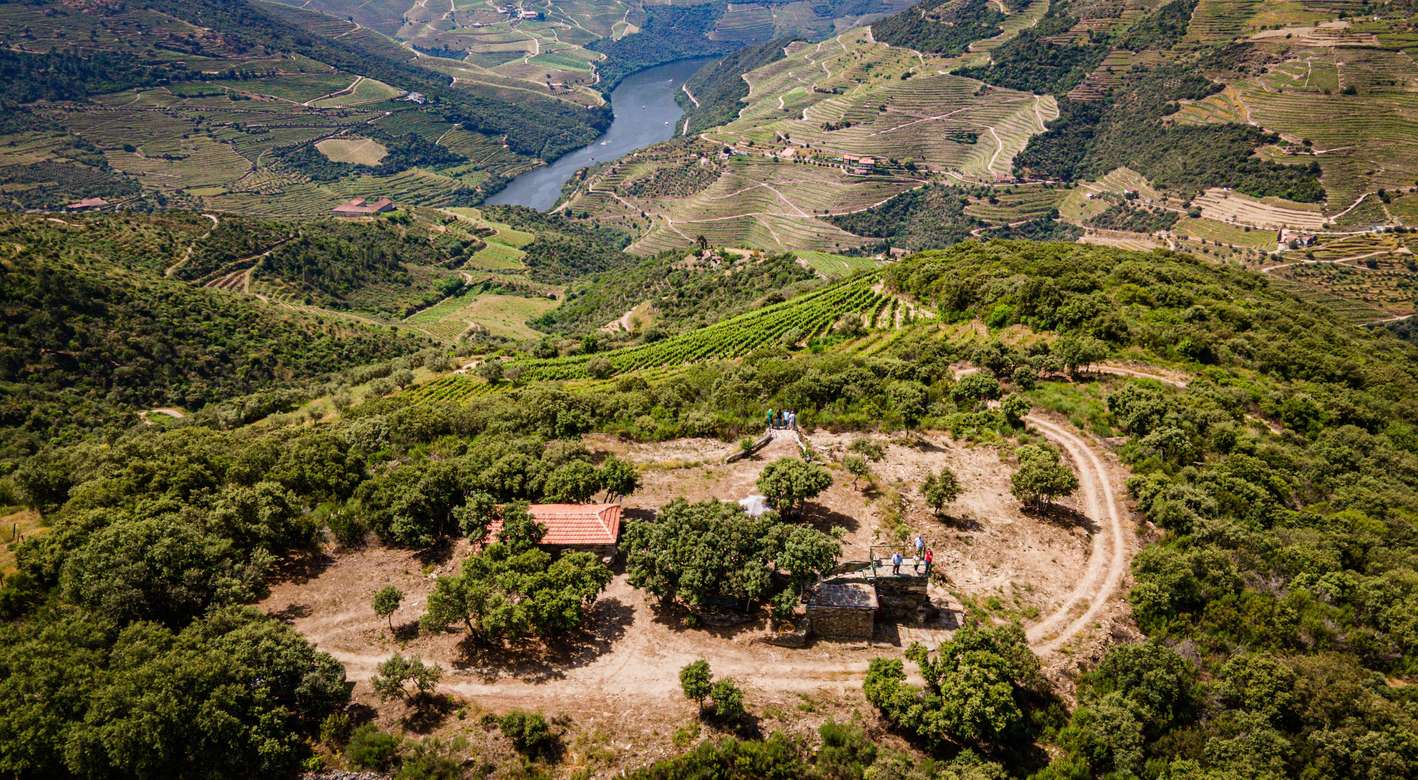
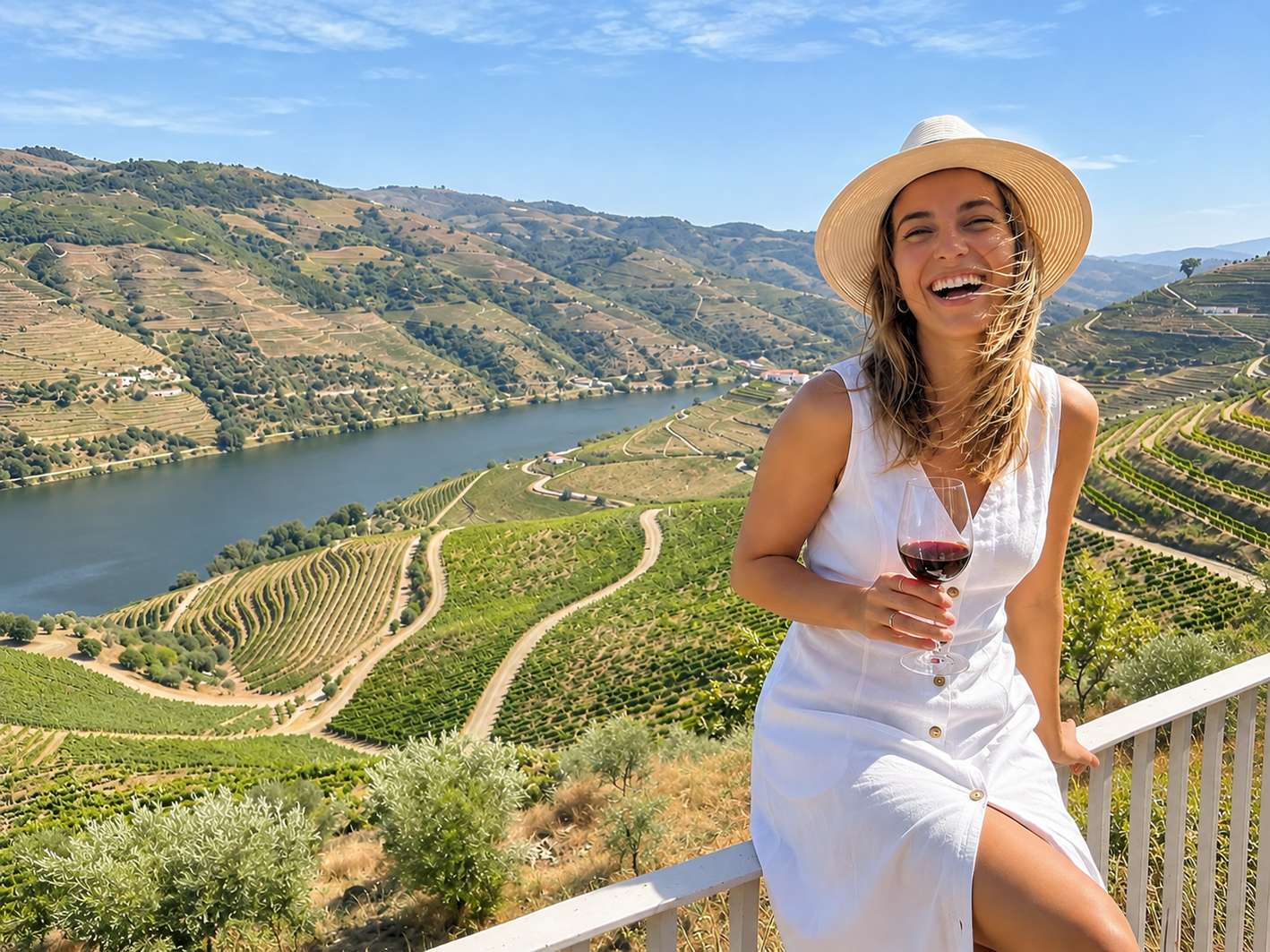
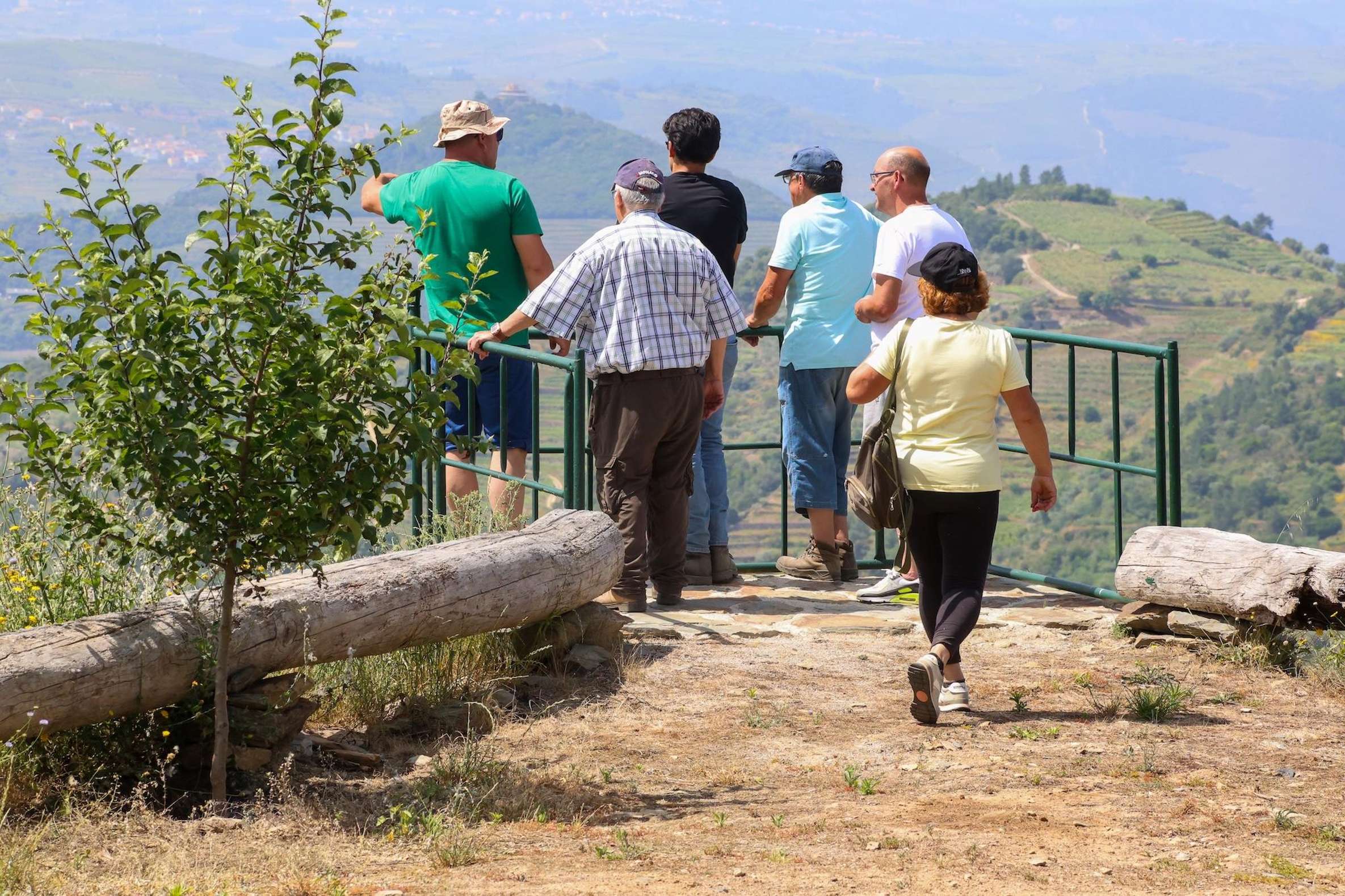
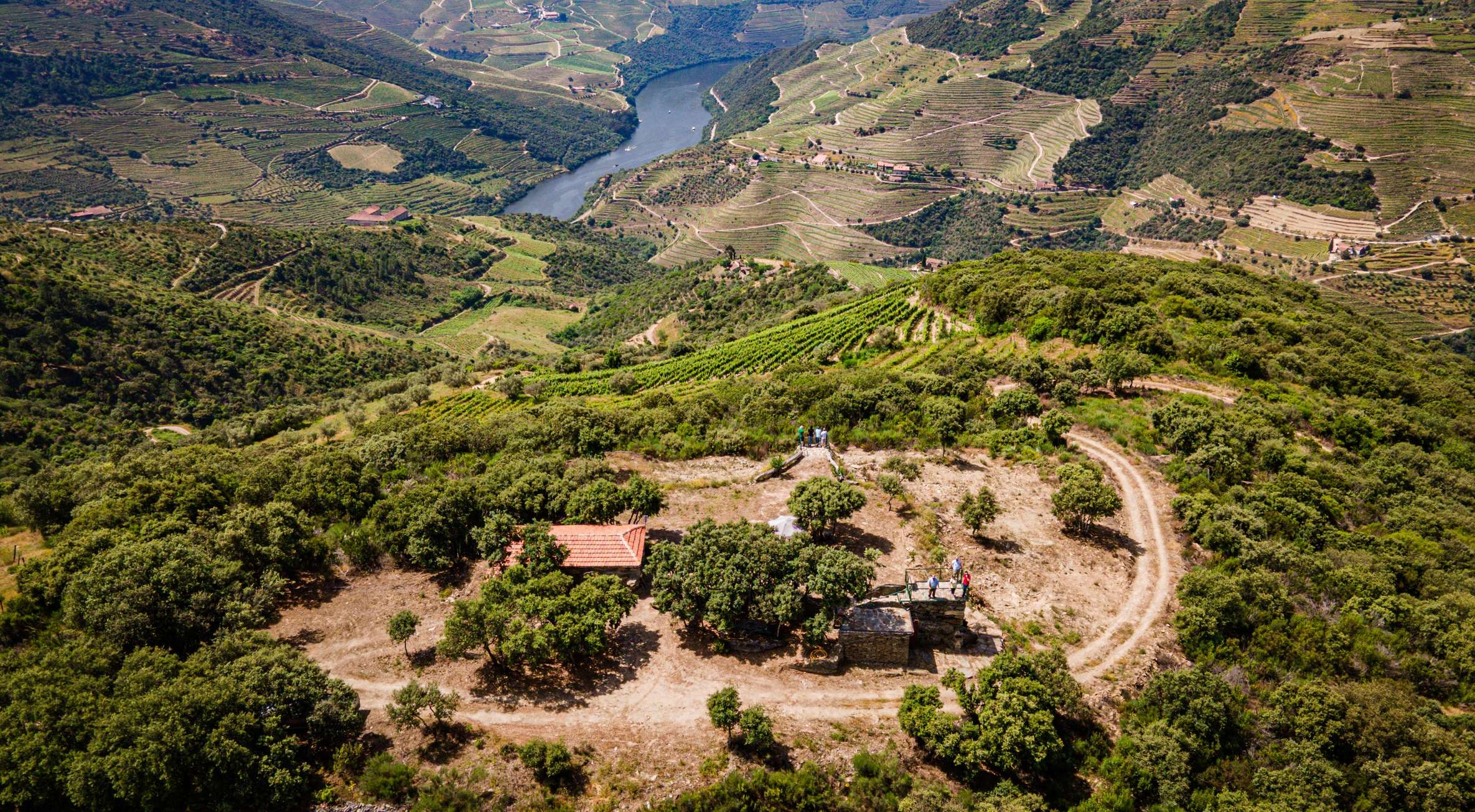
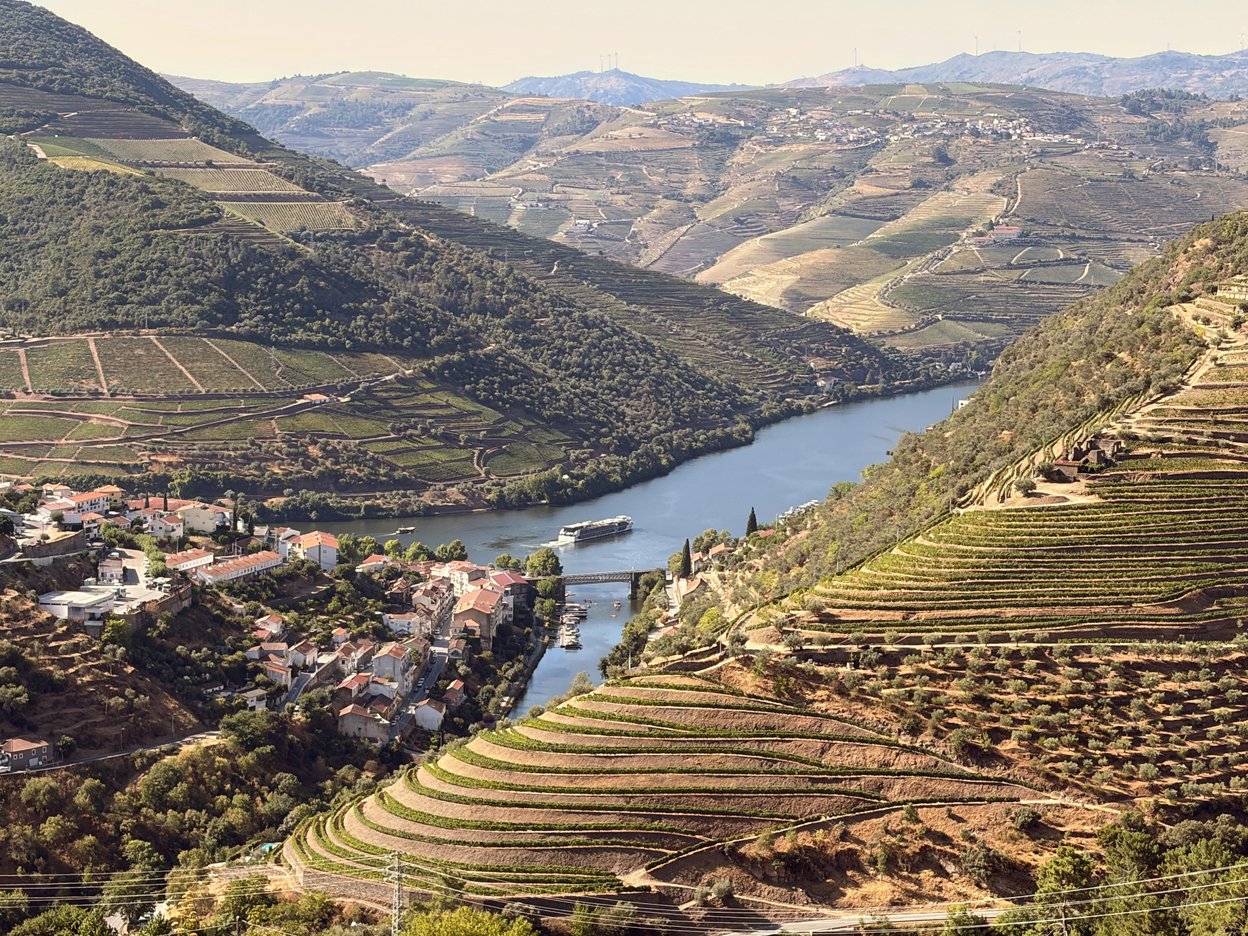
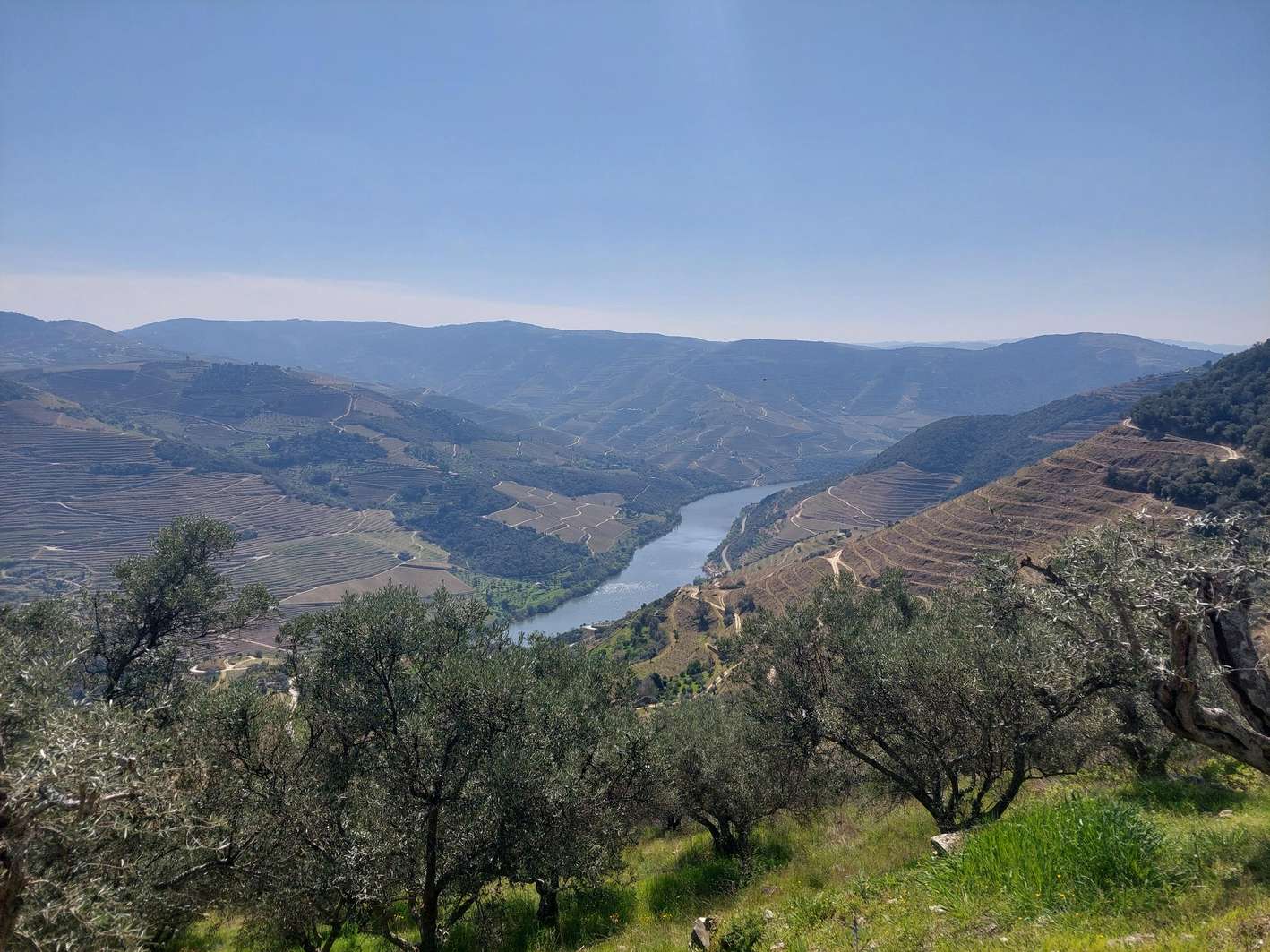
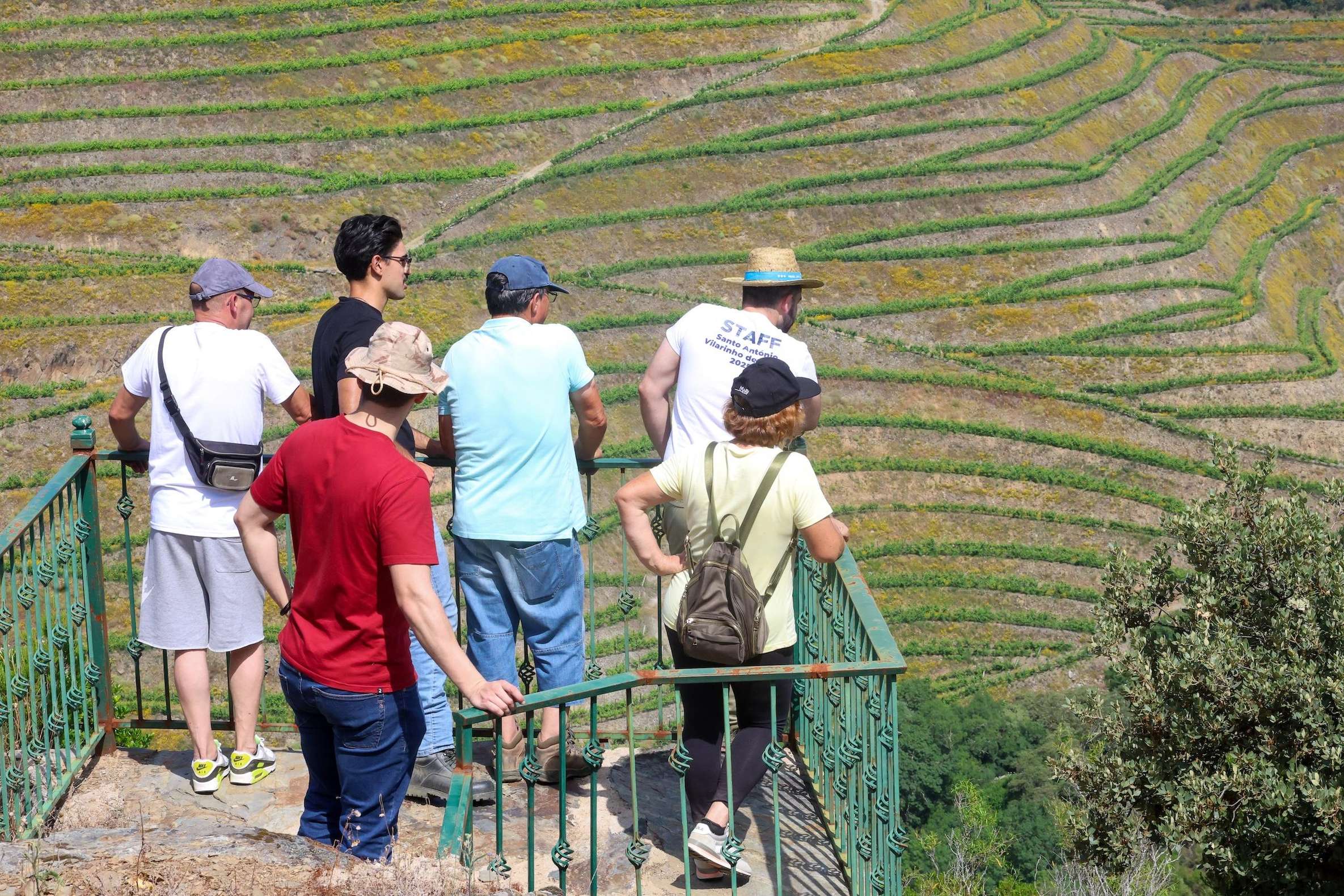
The Miradouro de Casal de Loivos stands on a hillside above Pinhão and looks straight down the river's full S-curve, terraces dropping away on both banks. No glass, no cellar, no tasting list are needed for that view to land.
This is the worry most non-drinkers carry into the Douro: that the world's most famous wine region will be wasted on them. The valley keeps answering it in scenery.
UNESCO's listing here is for the terraced hillsides, cut by hand into steep schist slopes over centuries. Upstream, the Côa Valley preserves rock carvings some 22,000 years old, and hill towns like Lamego stack museums and a baroque sanctuary above the river. Any one of those fills half a day.
People who travel here without drinking come back with the same report: the views, the storytelling and the food carry the day.
Exceeded expectations! Don't hesitate few reviews, these brothers use lifelong Douro connections for an intimate tour. Lunch at a 14th-century estate was the highlight; never rushed, glass never empty!
The distance is the honest cost. Porto to the valley runs 1.5 to 2 hours each way, so a day trip earns itself through what you see out the window, and public transport inside the valley is thin enough that a tour or a driver does the reaching for you.

Best time of year for hiking, viewpoints and river cruises
Weather decides this day more than any booking does. The Douro rewards walking weather, and the comfortable window is narrower than most people expect: a few months on either side of summer.
April: 5 out of 5 for how busy it gets. Spring brings moderate tour crowds and milder 17°C highs, but 11 wet days require rain gear for family strolls.
Tap a month to read it.
August: highs around 29.3°C. Peak summer holiday crowds coincide with the year's hottest weather near 29°C, requiring morning walks to avoid the heat.
Tap a month to read it.
October: 159 mm of rain. Tour demand moderates amidst pleasant 19°C temperatures, but autumn downpours bring 159 mm of rain across 13 wet days.
Tap a month to read it.
August: 30 dry days. Peak summer holiday crowds coincide with the year's hottest weather near 29°C, requiring morning walks to avoid the heat.
Tap a month to read it.
May, June and September are the months to aim for, with highs of 20 to 24 degrees and 20 or more dry days in each. The terraces are lush green by June and copper and gold at the harvest. May is also one of the busiest months for tours, so reserve ahead.
July and August trade comfort for heat, with average highs near 29 degrees and exposed terraces regularly past 35. The boats still run and the cellars stay cool, but a midday viewpoint becomes a sweat. From November through February, rain falls on about one day in three and the vines sit pruned to bare canes.
October is the tempting trap: mild at 19 degrees, full of picking crews and harvest color, and the wettest month of the year, with rain on close to half its days. Take it for the vineyard scenes only if you pack a proper rain layer.
What to know before you book a Douro Valley tour for non drinkers
Every tour on this page lets you cancel up to 24 hours before the start and get everything back. That means you can hold a date while you work out the rest of your trip and change your mind if plans move.
Small-group and private days sell out first, and the boat, train and lunch tour needs booking well in advance to guarantee a seat. Reserve a few days out, and earlier for September and October weekends.
The boat, train and lunch tour asks you to bring a passport or ID card, and some other tours ask for one too. Carry the original rather than a photo of it on your phone.
The hikes, the Amarante tour and the private days all rule out wheelchair users, and the historic manor on the olive oil tour has stairs and uneven floors. One stop that works differently: Quinta das Carvalhas near Pinhão shows its terraces from an open-air vehicle.
The hikes, the olive oil tour and the private day trips include hotel or arranged pickup, while the boat, train and lunch tour starts from a central Porto meeting point. Check which applies before you book, since changing a pickup later needs more than 48 hours of notice.
The olive oil tour and the private days run as small groups, which is where non-drinkers have the easiest time: you can tell the guide once that you are not drinking and move on. Shared full days bring bigger crowds and a faster pour rhythm.
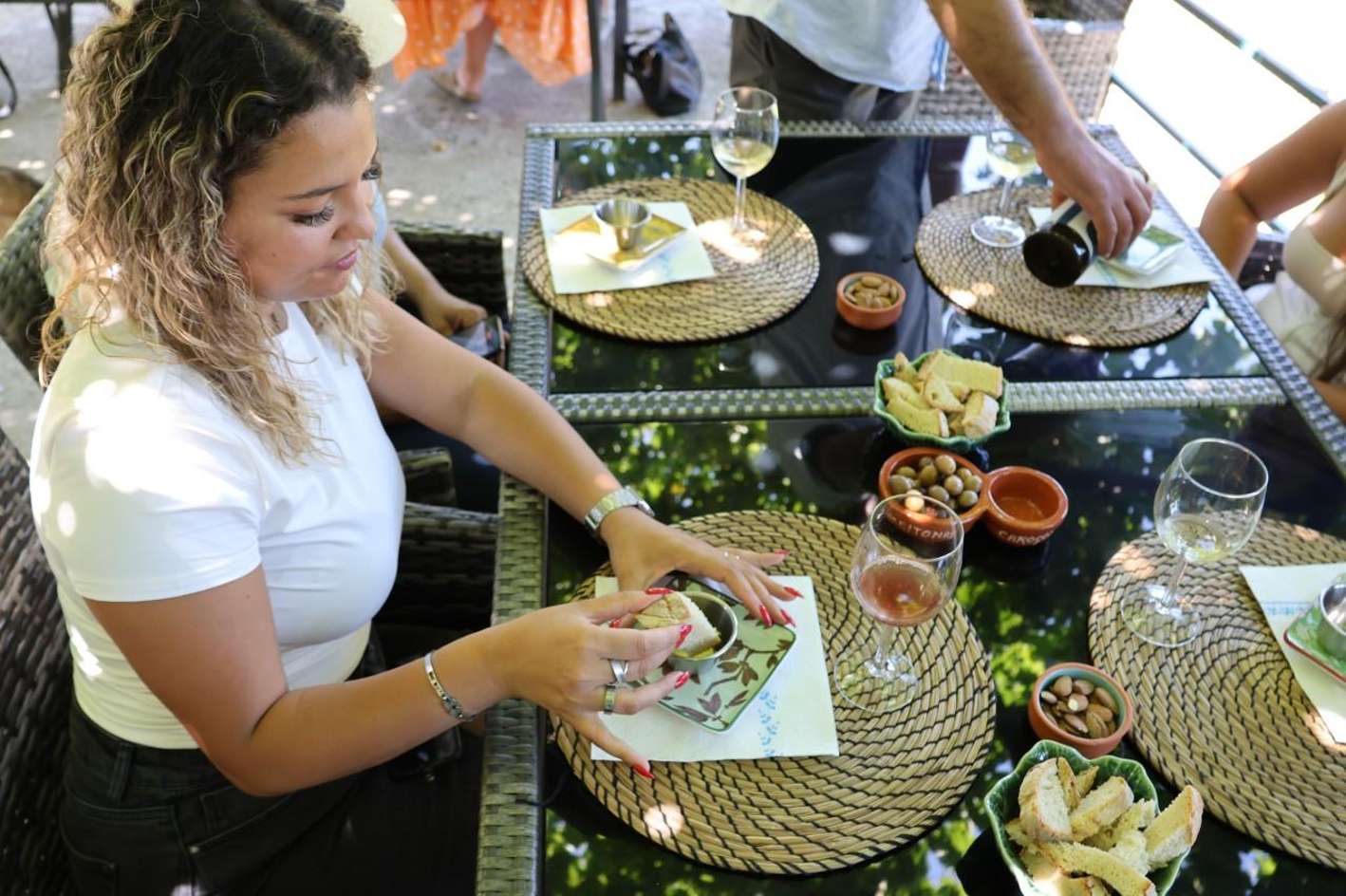
Estates keep non-alcoholic options for non-drinkers, and grape or orange juice is a standard alternative during tastings. Tell your host before the day starts so nobody hands you a glass at every stop.
Lunch sits inside the price on the boat, train and olive oil tours, but the private day from Peso da Régua leaves meals out, and tours generally exclude personal purchases and tips. Dietary needs are covered when you mention them at booking: vegetarian and gluten-free lunches are normal.
July and August push valley terraces past 35°C while Porto stays cooler, so plan viewpoints and walking for the morning. Pack closed-toe shoes with grip, a sun hat and sunscreen for the hikes, since the schist slopes are steep.
Pinhão's short rabelo cruises board by stone steps and over the gunwale, so they do not take wheelchairs, and most one-hour boats have no restroom aboard. Use pier facilities before departure and keep bags slim.
Worth it without a single glass
The Douro repays non-drinkers more generously than its reputation suggests: the terraces, the river bends and the hill towns carry a full day on their own.
Book it when you can walk in the morning light and ride the boat in the warm afternoon. Bring shoes with grip and a rain layer if October calls.
Non-Drinkers FAQ
Is a Douro Valley tour without wine tasting boring for non-drinkers?+
Not at all. Non-drinkers and people who rarely drink wine come away delighted by the scenery, the storytelling and the local culture. Panoramic viewpoints, river boat cruises, riverside train rides, village walks and museums fill a day easily.
What can I do in Pinhão without entering a wine tasting room?+
Plenty. Take a one to two hour traditional boat cruise upriver toward Tua, admire the azulejo tile murals at the railway station, walk the waterfront, or follow a marked trail from the noticeboard near the river bridge. Taxis outside the station drive visitors up to the Casal de Loivos viewpoint.
Can I visit the Douro Valley independently instead of booking a wine tour?+
Yes. Take the train from Porto to Pinhão for a river cruise, village walks and short countryside trails. A rental car works too, letting you build a day that never touches a cellar. No private tour is required.
What happens when my group visits a quinta and I don't drink?+
Tell the host at the start that you are not drinking, so nobody wonders about an untouched glass. Wineries always have non-alcoholic drinks on hand for non-drinkers and children. Holding a water glass during a toast keeps you in the shared moment.
Are there olive oil tastings and food experiences that don't involve alcohol?+
There are. The D'Origem olive oil museum sits in an old mill in Casal de Loivos, and FábricaDouro runs guided mill tours with two olive oils served on regional bread. In Amarante you can taste Doce de São Gonçalo pastries, and Padaria Fátima in Provesende bakes in a wood-fired oven most mornings.
Which historic sights work for an itinerary that skips wine cellars?+
The Museu do Douro in Peso da Régua displays maps, vintage machinery and an original rabelo boat. Lamego offers museums, a medieval castle and the 686 tiled steps up to the Sanctuary of Nossa Senhora dos Remédios.
Amarante has a historic center and the São Gonçalo Bridge, and Casal de Loivos looks down on a sweeping S-curve of the river.
How long is a boat cruise and can I do one without a full wine tour?+
A short rabelo cruise from Pinhão lasts about an hour and turns around halfway upriver, passing vineyard scenery with no roads along the bank.
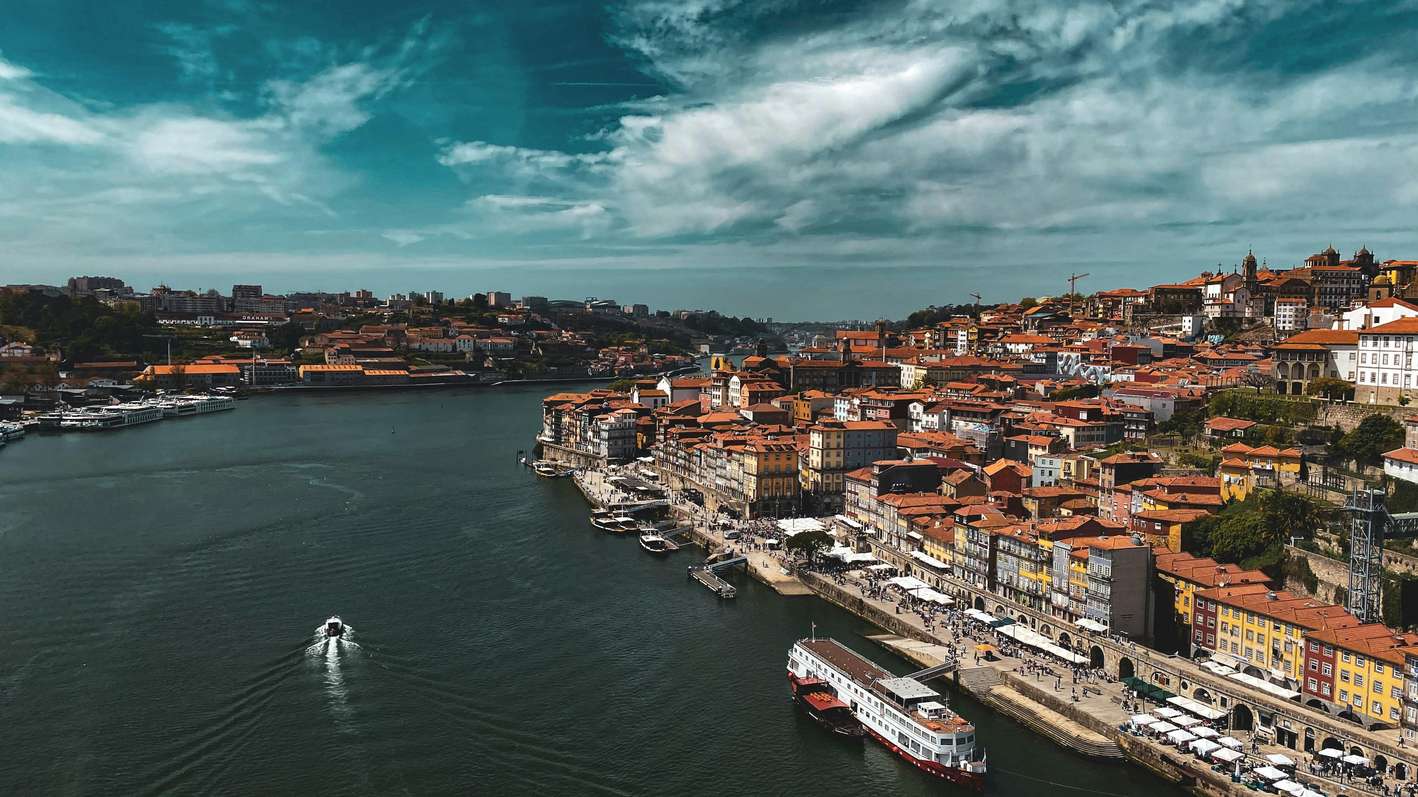
Pair it with a train ride, lunch and a walk, and the day is complete. A full-day cruise from Porto to Régua spends six to eight hours on the water and never reaches the vine terraces around Pinhão.
What is served at a traditional Douro Valley lunch for someone who doesn't drink?+
Regional lunches in Pinhão, Régua and Lamego center on hearty meat and fish dishes, with standard Portuguese non-alcoholic drinks alongside. Dietary requests such as vegetarian and gluten-free meals are accommodated when mentioned in advance.
Is a Douro Valley tour suitable if I get carsick on winding roads?+
Drivers navigate the narrow valley roads smoothly and carefully, so most passengers travel comfortably. Riding with an experienced chauffeur takes the stress out of the steep switchbacks entirely. The train from Porto into the valley is another good option for avoiding the winding hill roads.
Can I bring my children on a Douro Valley day trip even if we skip the wine?+
Yes. Wineries consistently provide non-alcoholic drinks such as grape or orange juice, and some estates add playgrounds, walking trails and picnic spots. A few estates and tours keep adults-only policies, so check before booking.
When is the best time of year for a non-wine Douro Valley visit?+
Mid-September to mid-October brings the harvest, crimson leaves and working terraces. May and June are a strong alternative, with green hillsides and mild highs of 20 to 24 degrees. Winter is cold and quiet, when the bare terraces show their stonework best.