4.96,365 travelers went from the olive press to the manor table
Douro Valley Wine and Olive Oil Tour Food and Wine Tour Options
Give Douro olive oil its own hour - an artisanal mill visit and a proper estate tasting beside the vineyards. Small family estates, a long lunch at a historic manor, and a rabelo cruise from Pinhão, guided by one of two local brothers. Pick your date and reserve.
"This tour exceeded my expectations. Few reviews shouldn't stop you, the brothers' lifelong Douro connections make it intimate. Lunch at a 14th-century private estate was my highlight. Never rushed, never an empty glass!"
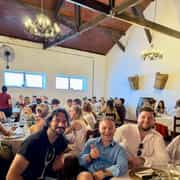
4.9★average rating6,365traveler reviews100%free cancellation37countries travelers came from
Choosing your olive oil and wine tour in the Douro Valley
A food and wine day comes in two shapes: a shared guided tour on a fixed route, and a private excursion that moves at your pace. Shared suits a first visit; private suits anyone who wants extra time over olive oil and lunch. Both can start with hotel pickup in Porto and end with someone else doing the driving.
importantOlive mills press only in late autumn and winter, so a summer visit shows the mill and its story without the working press.
If seeing the press in action matters to your olive oil tour, plan the trip for the months after the grape harvest; the tastings, the estate lunch and the boat cruise run all year, whatever the season.
Comparing your Douro options for a wine and olive oil day
Best for the olive mill
8 hours·English, French
5.0(85)
Douro Valley: Wine & Olive Oil Tour with Boat & Lunch
The only option with a working olive oil mill and premium tasting; lunch at a historic manor, port on the boat, rated 5.0 by all 85 groups.
Free cancellationHotel pickup included1-hour Rabelo boat cruise in Pinhão
Porto: Douro Valley Tour with Lunch, Boat Cruise & Tastings
The lightest choice here: a 7-hour format that keeps the river cruise, a stop at the 1959 cooperative and an olive oil tasting, 4.7 from 3,259 travelers.
Free cancellationHotel pickup includedHotel pickup and drop-off (if option selected)
What happens on a Douro Valley wine and olive oil tour
about 8 h
The day is built around one idea: the Douro grows olives as well as grapes, and both deserve a proper tasting.
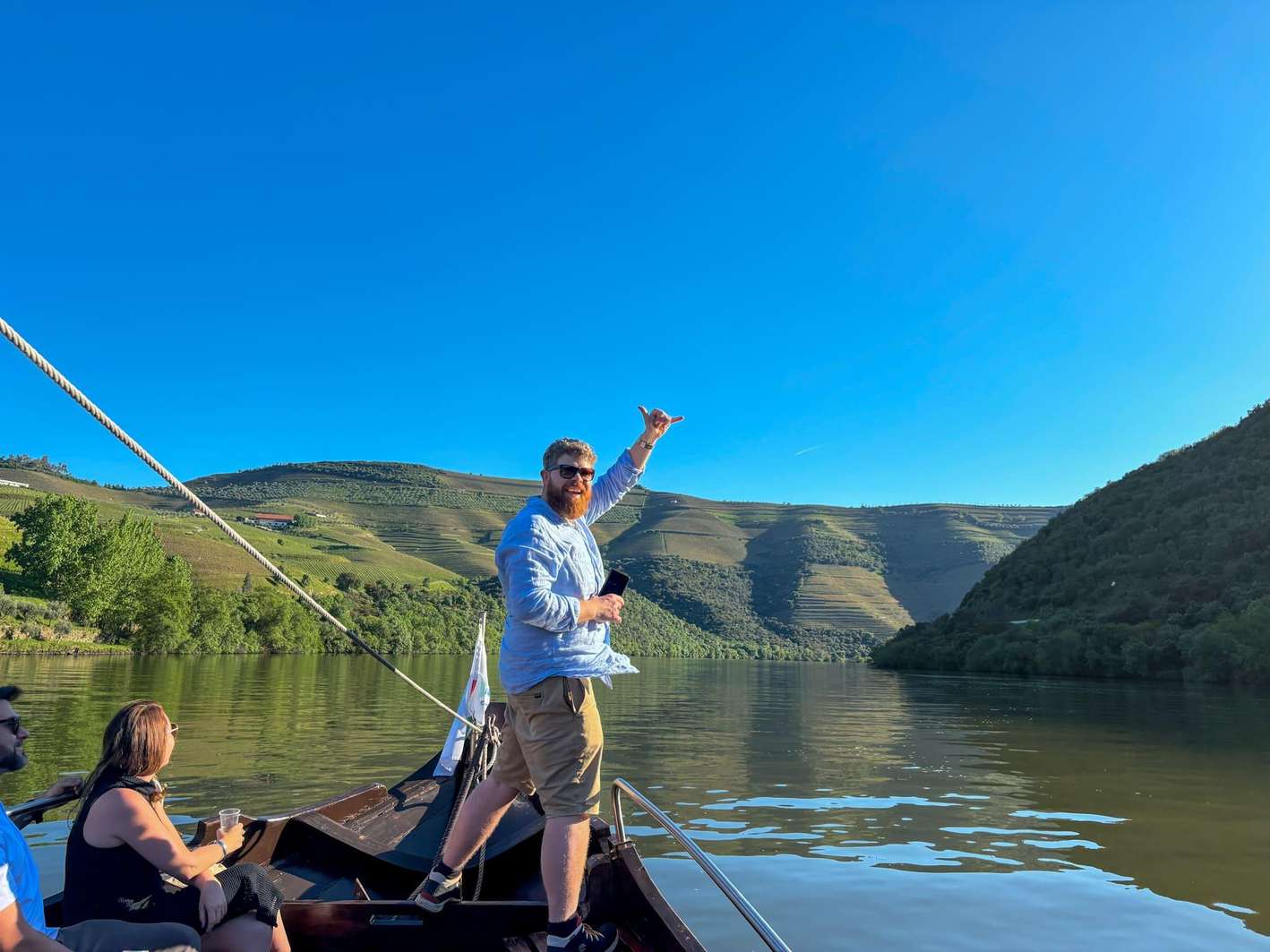
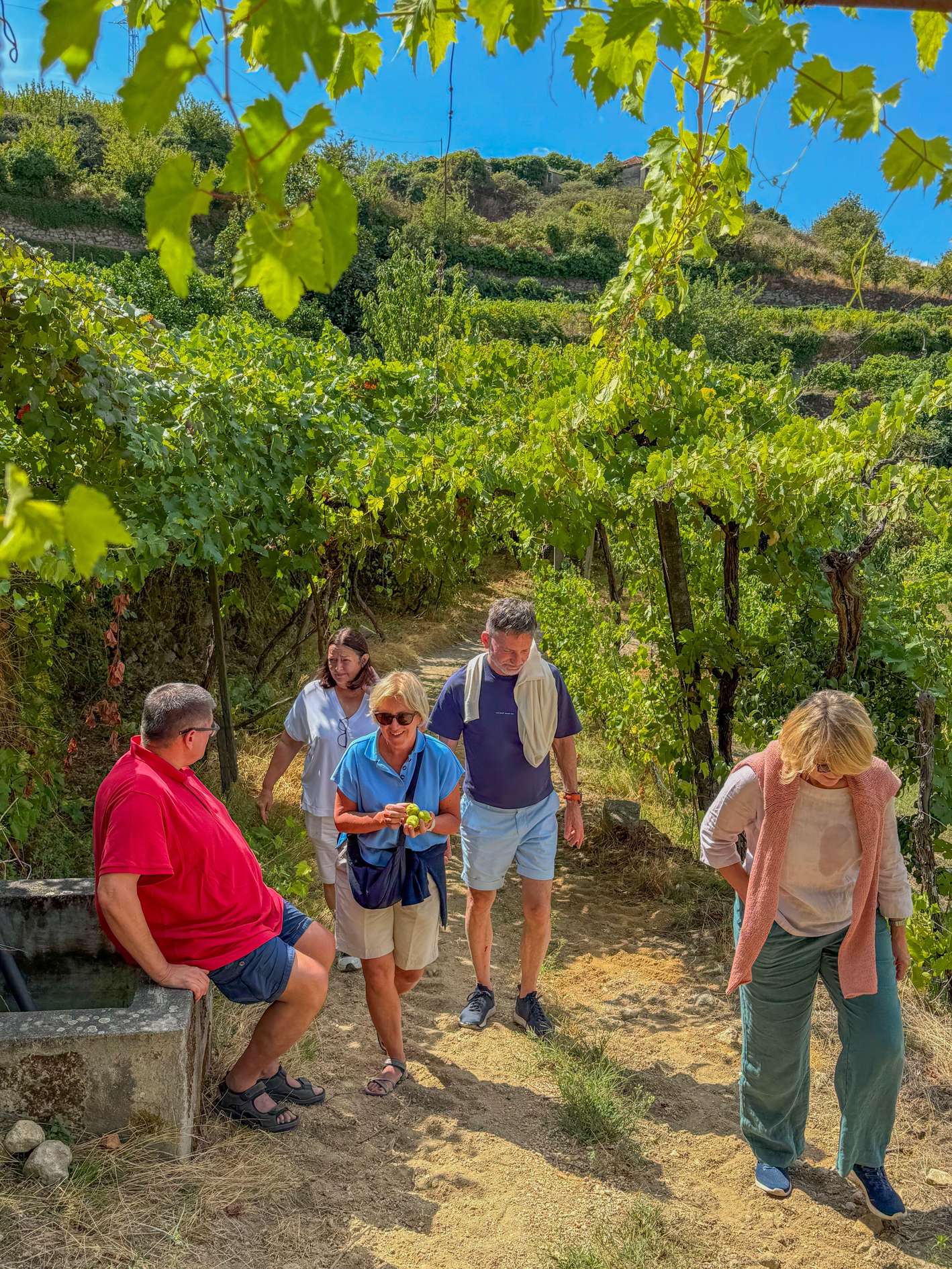
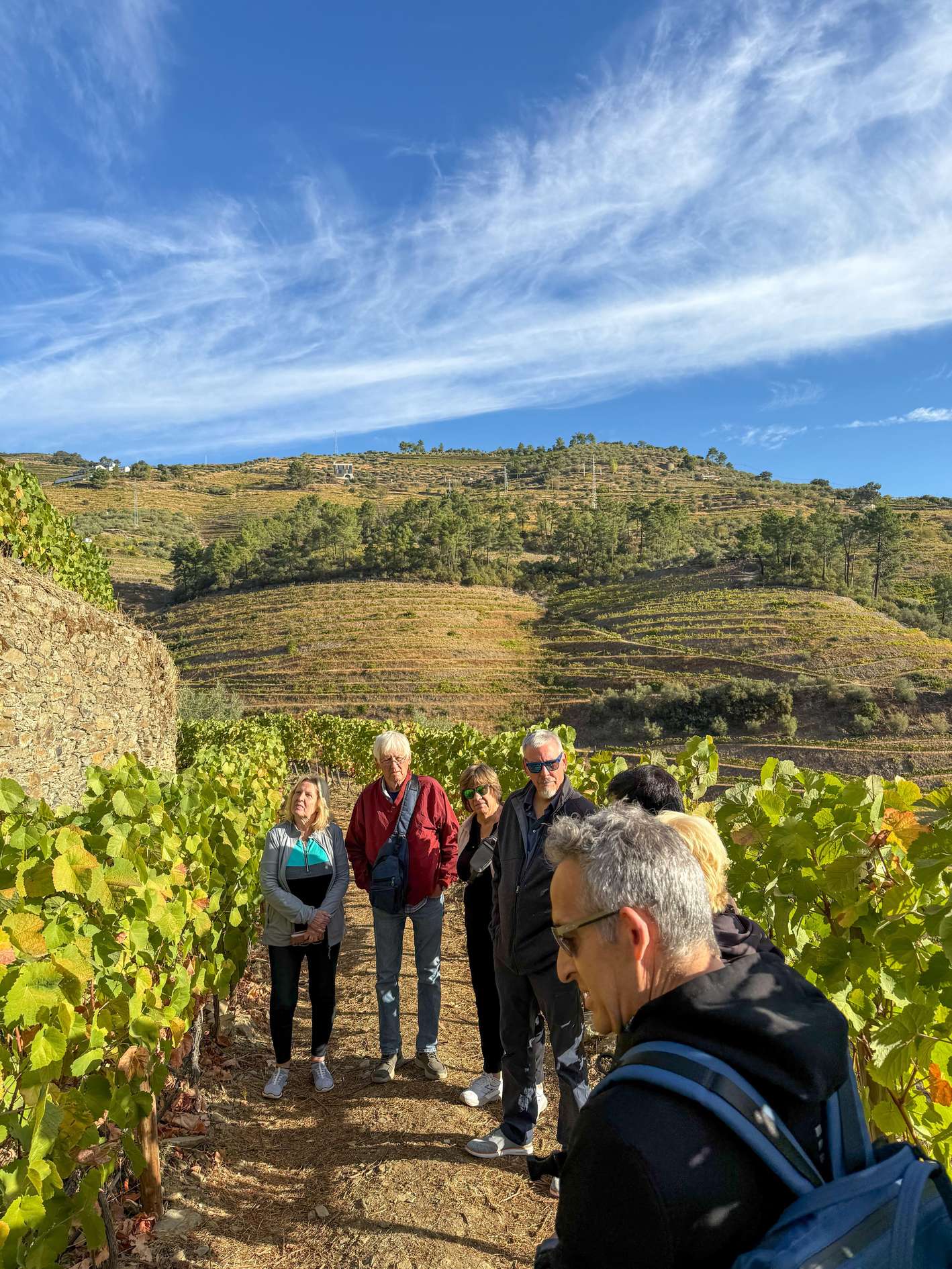
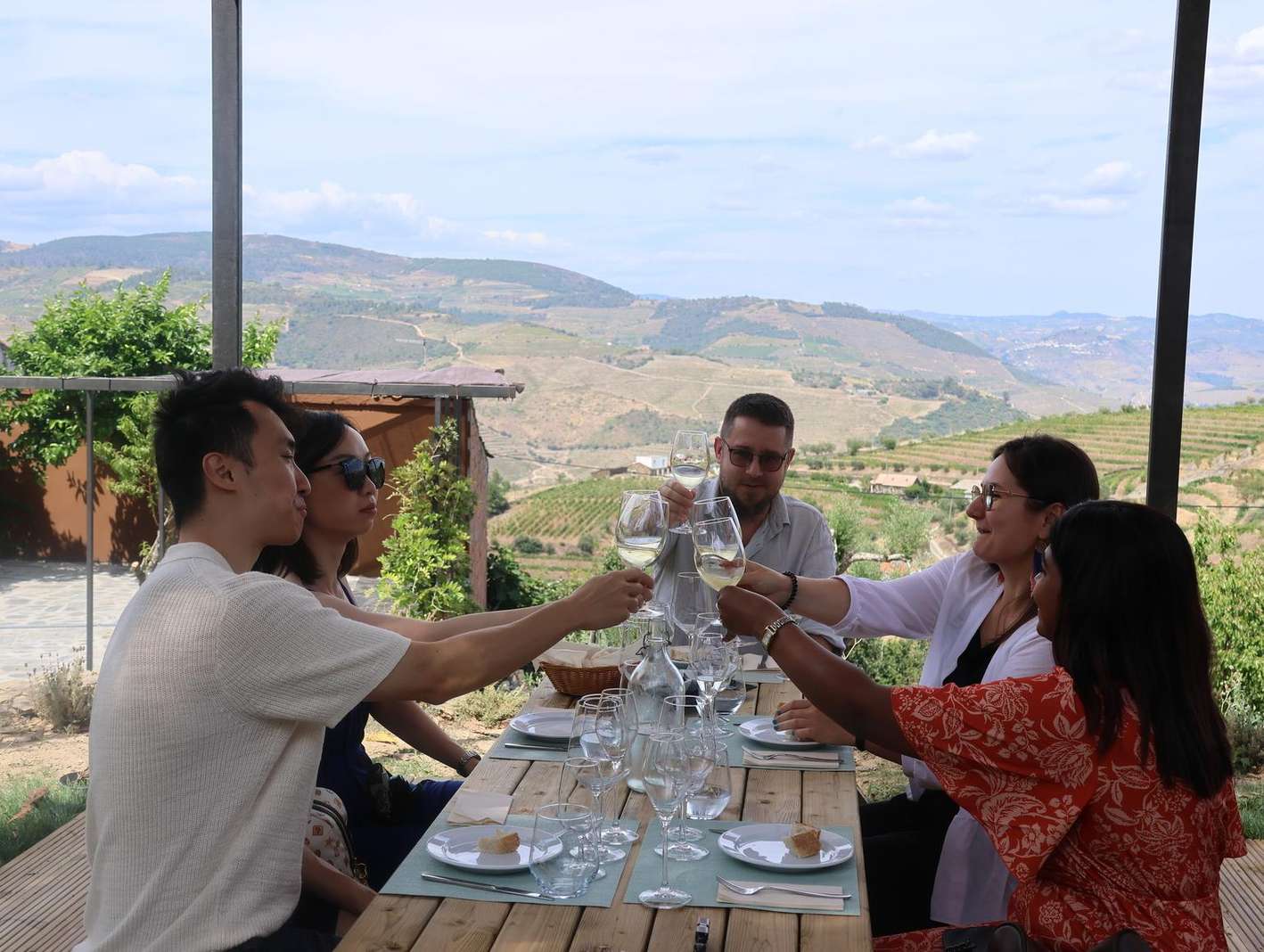
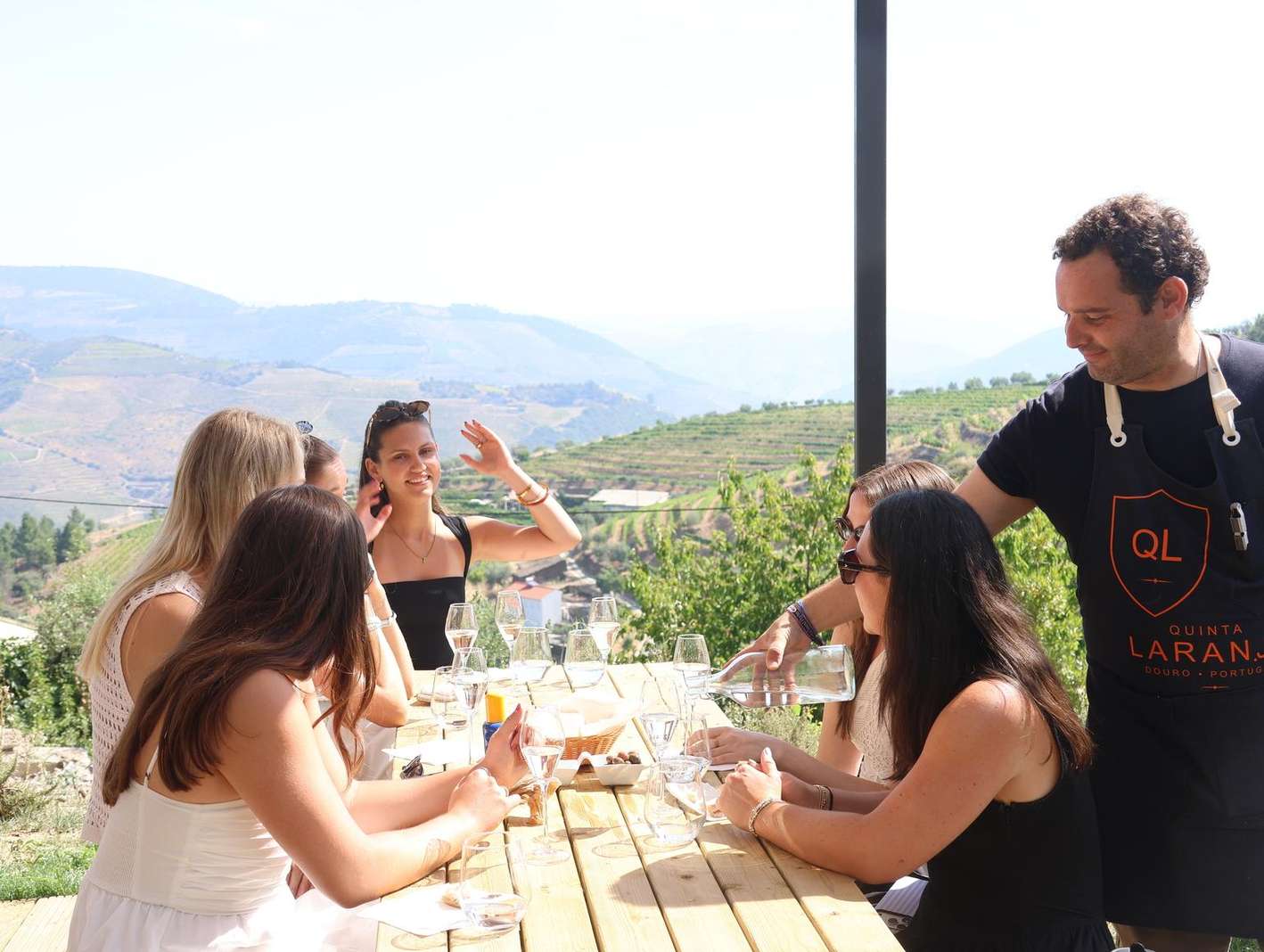
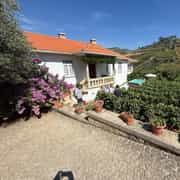
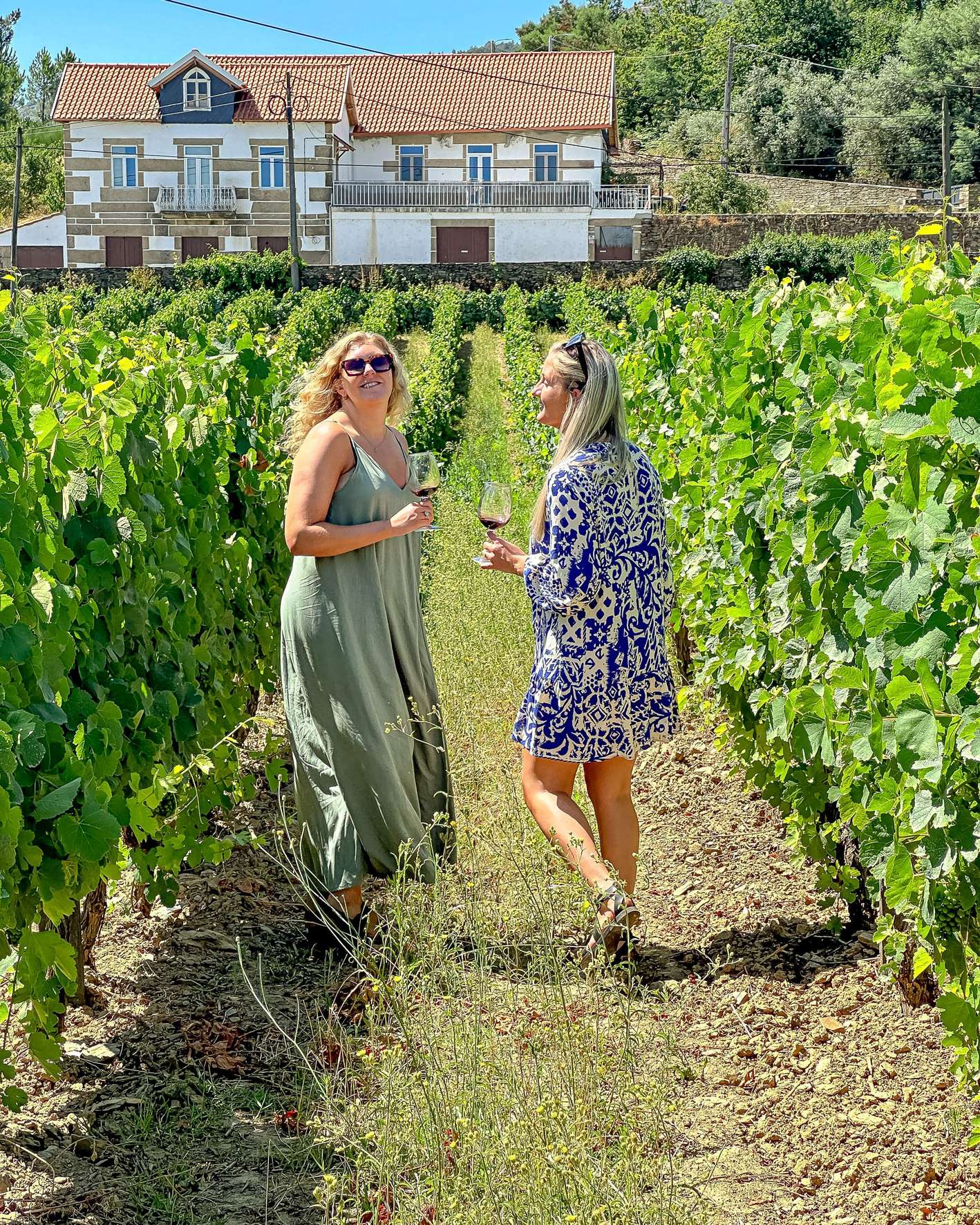
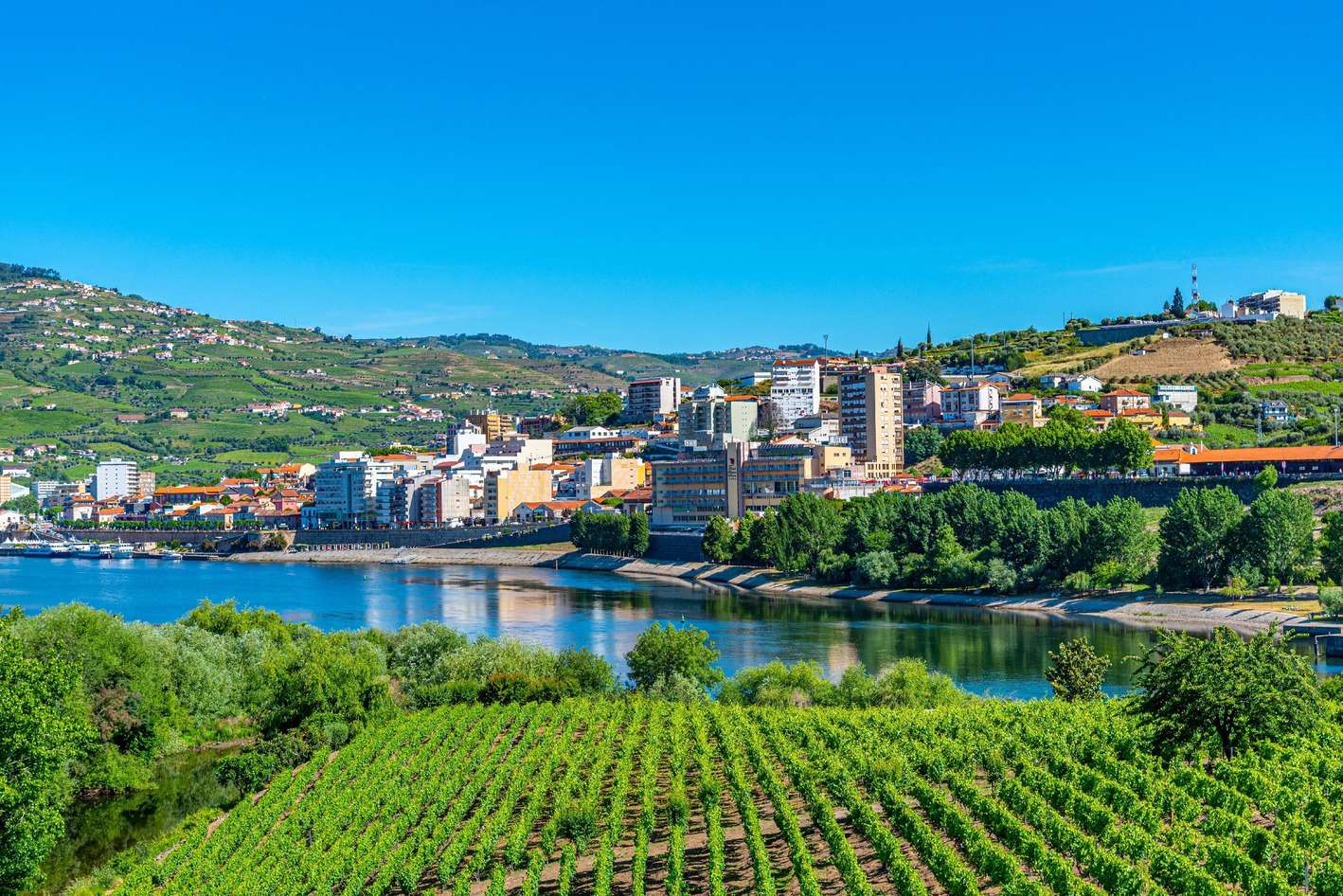
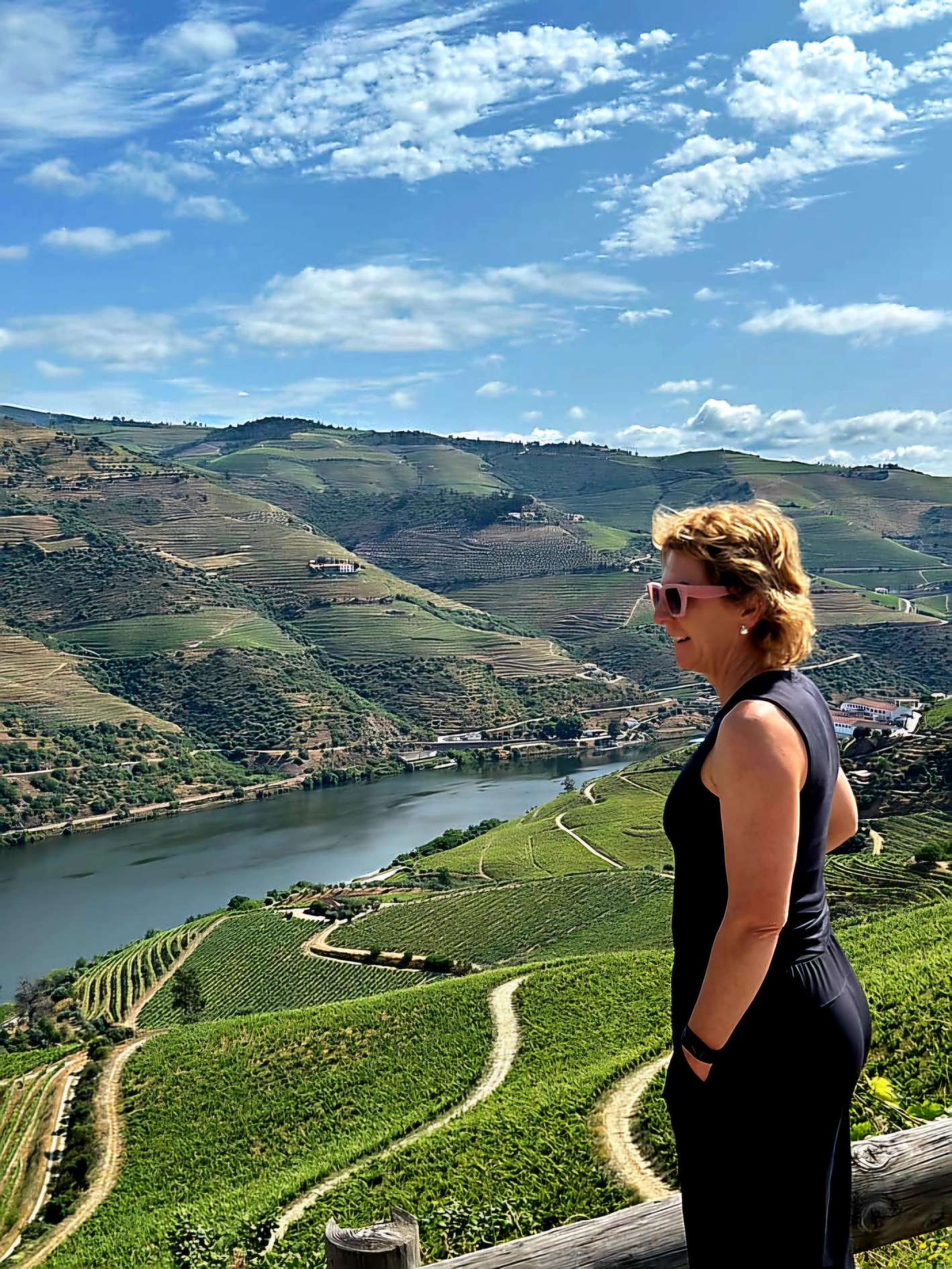
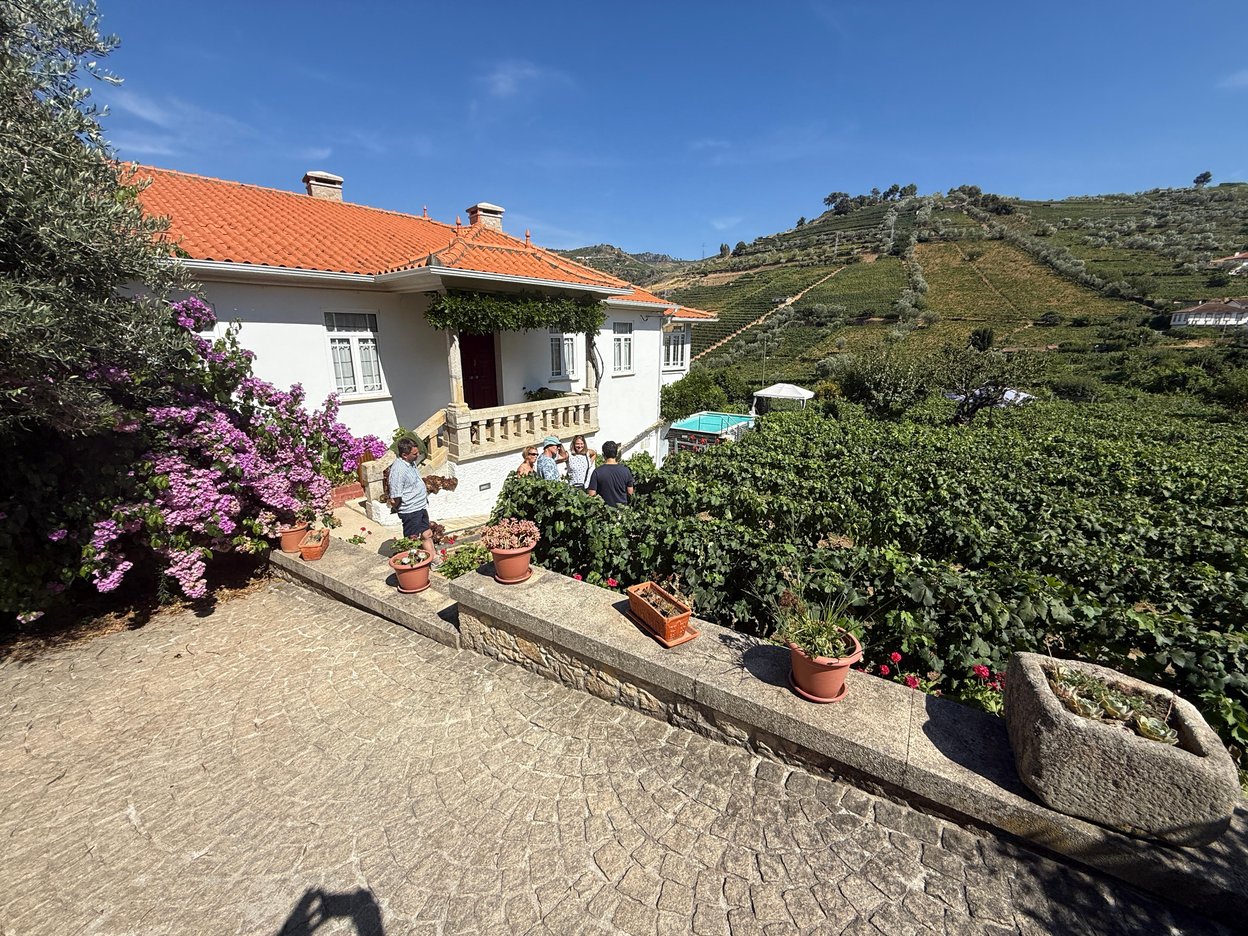
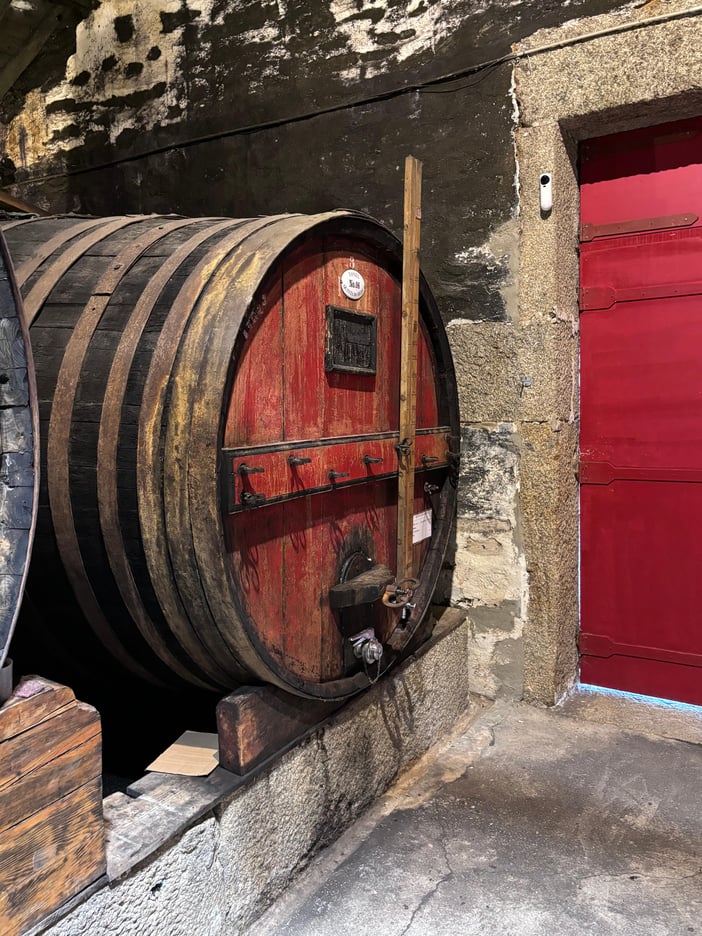
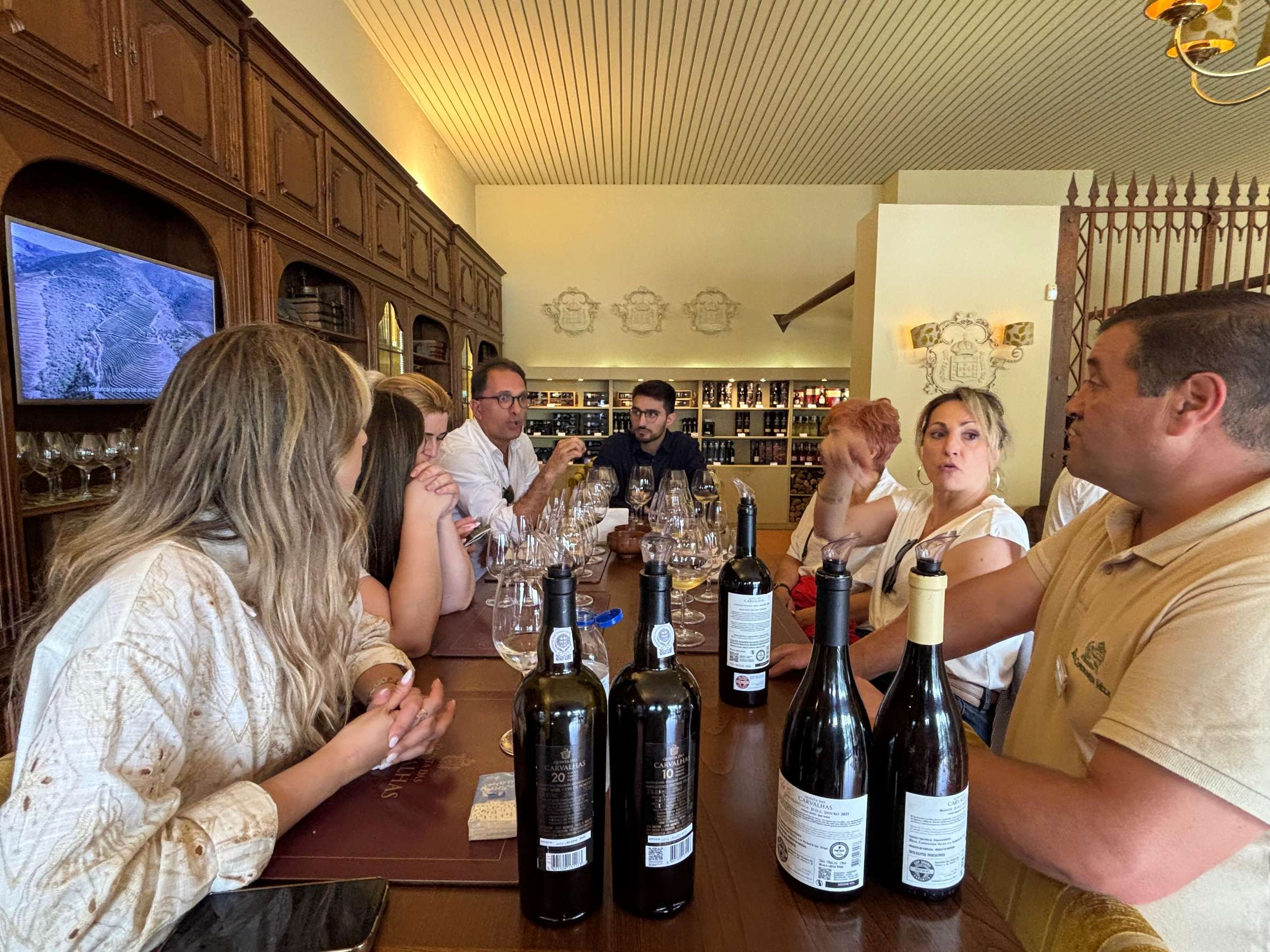
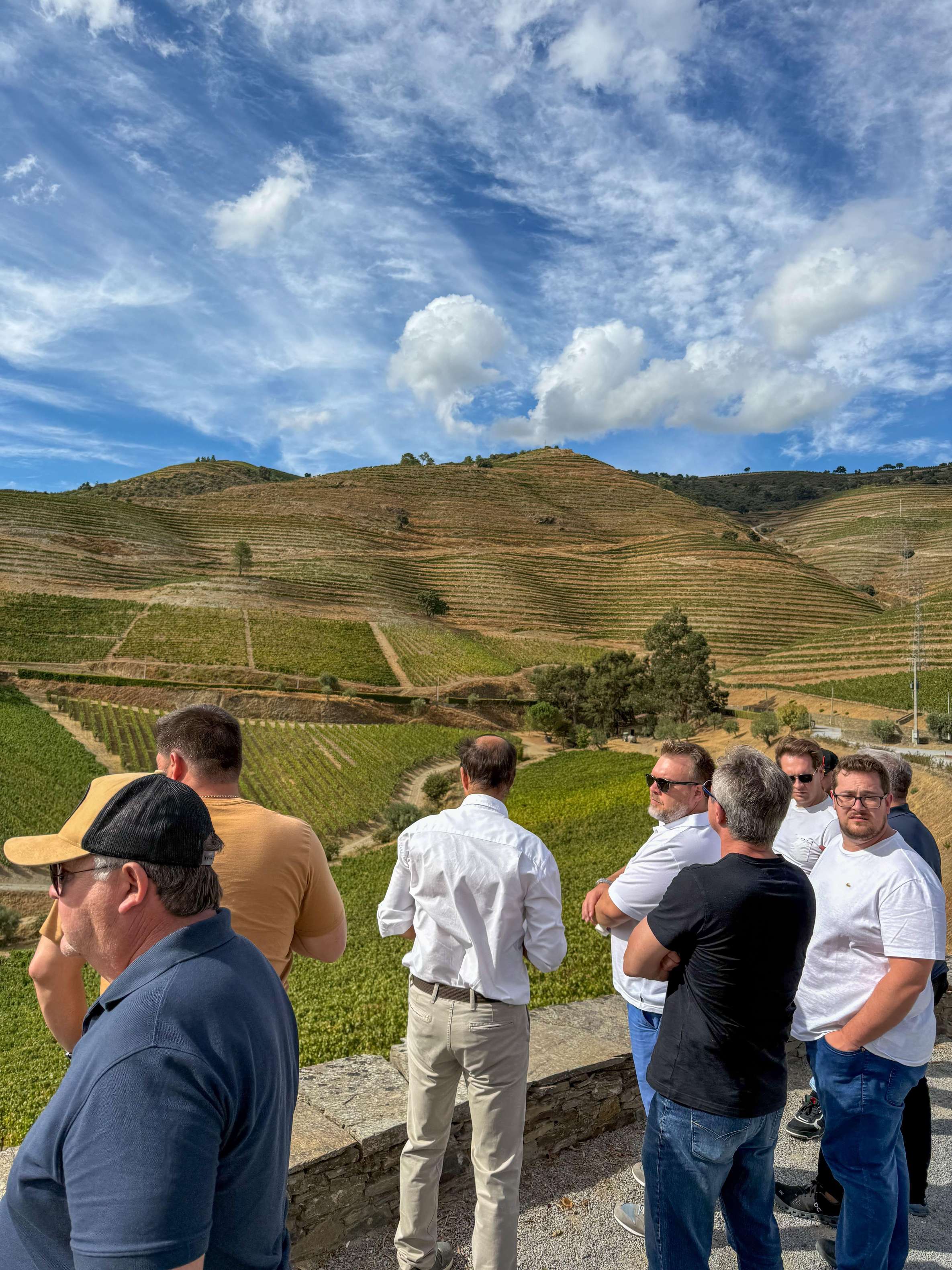
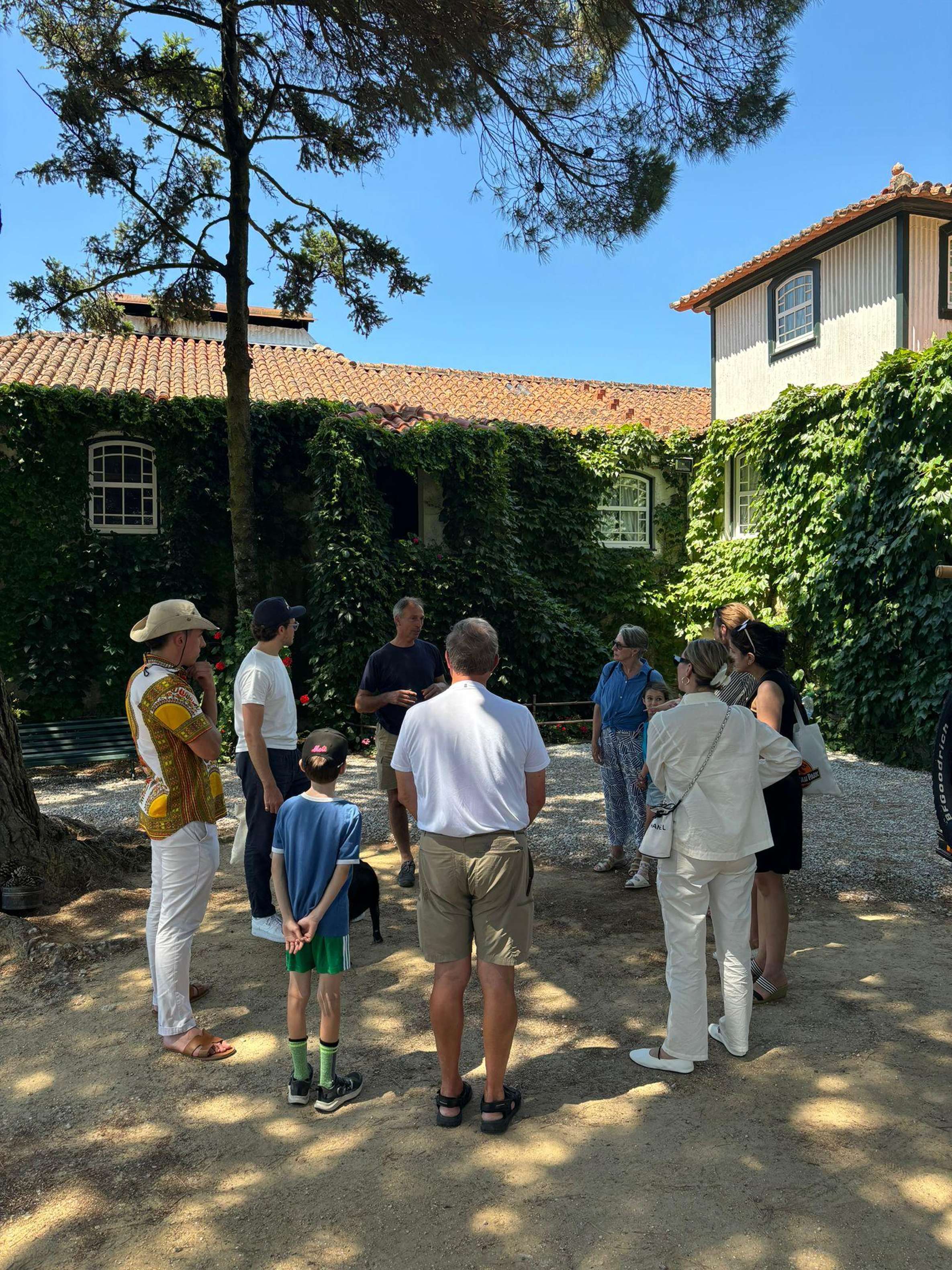
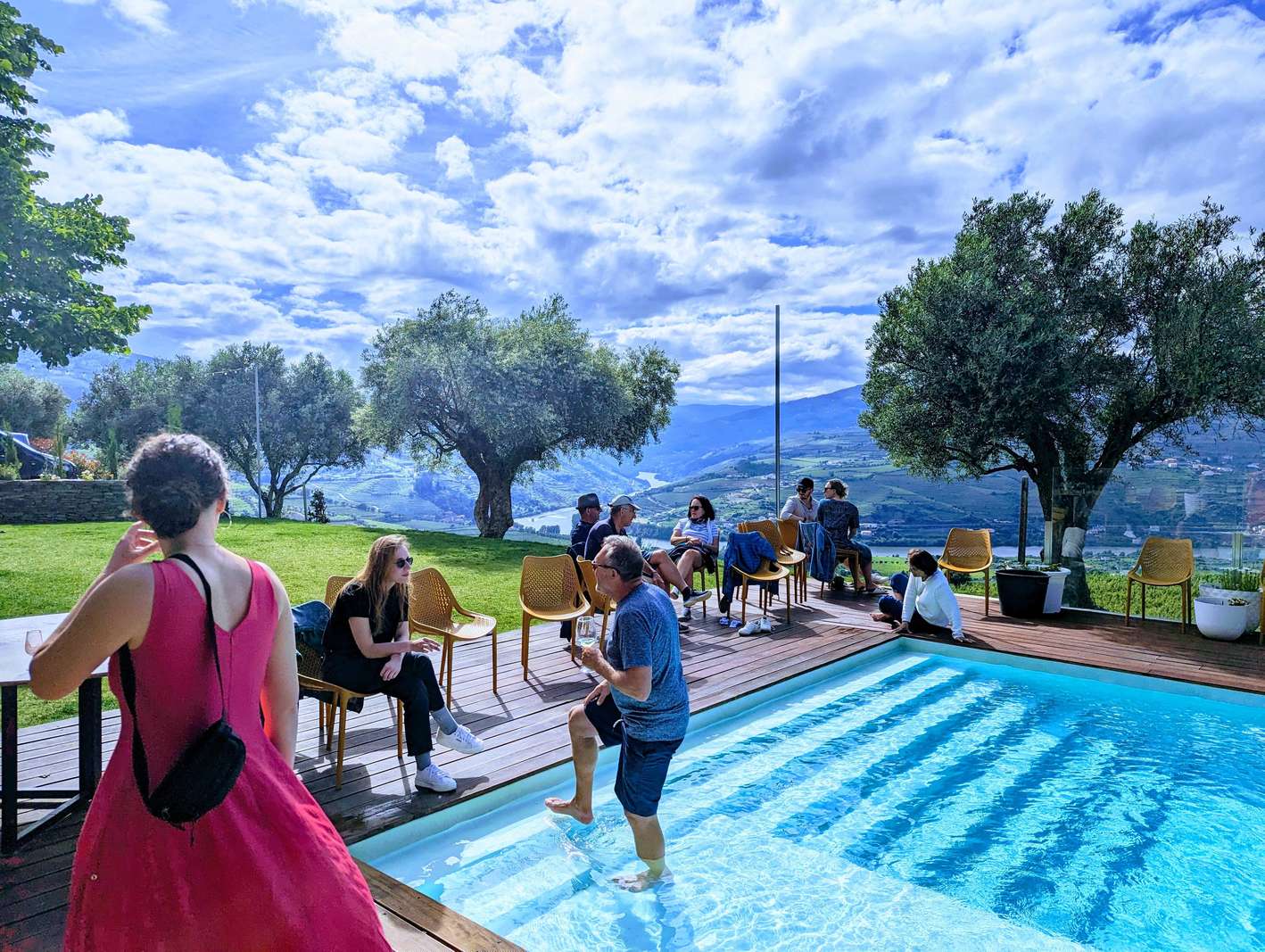
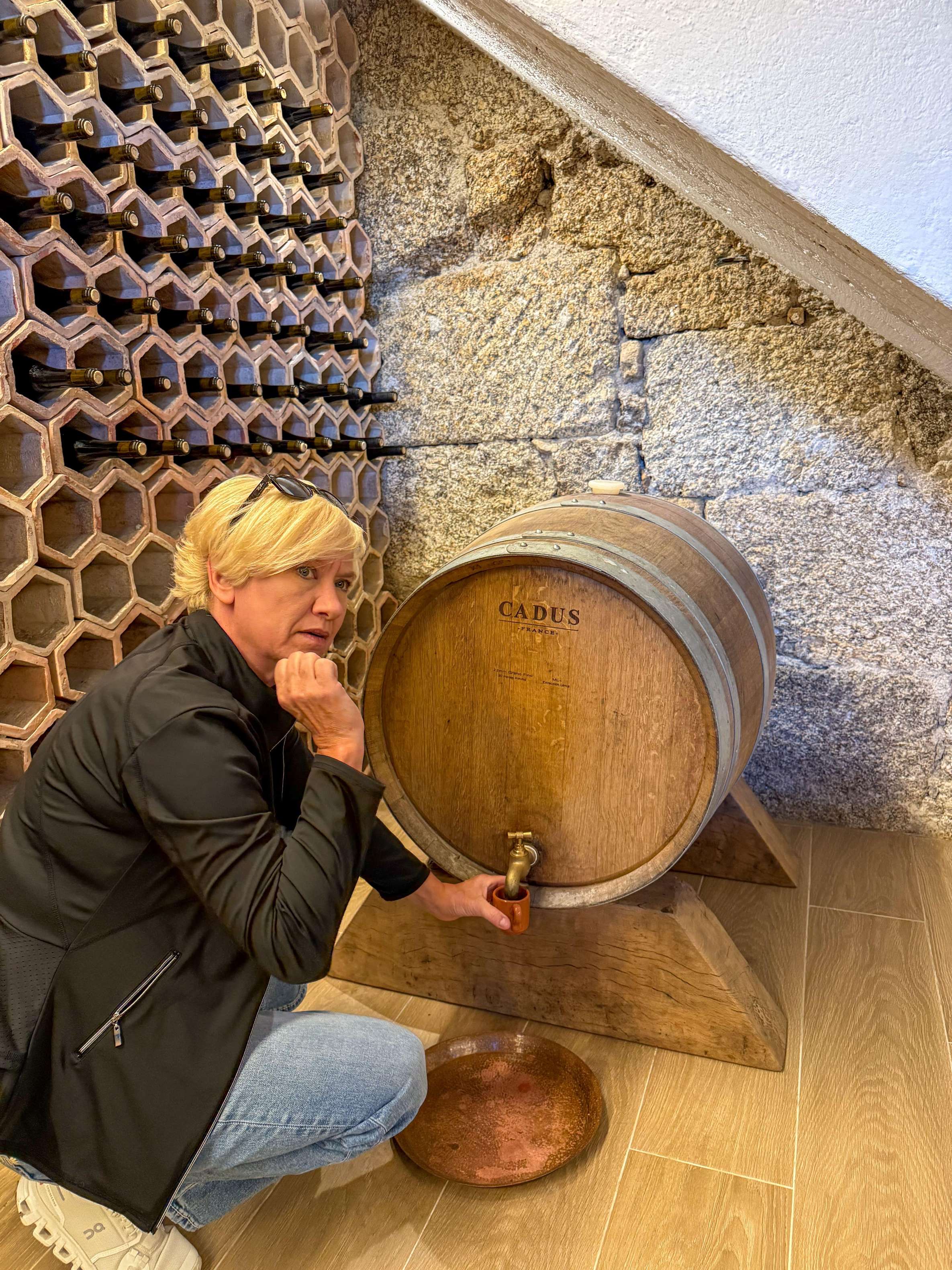
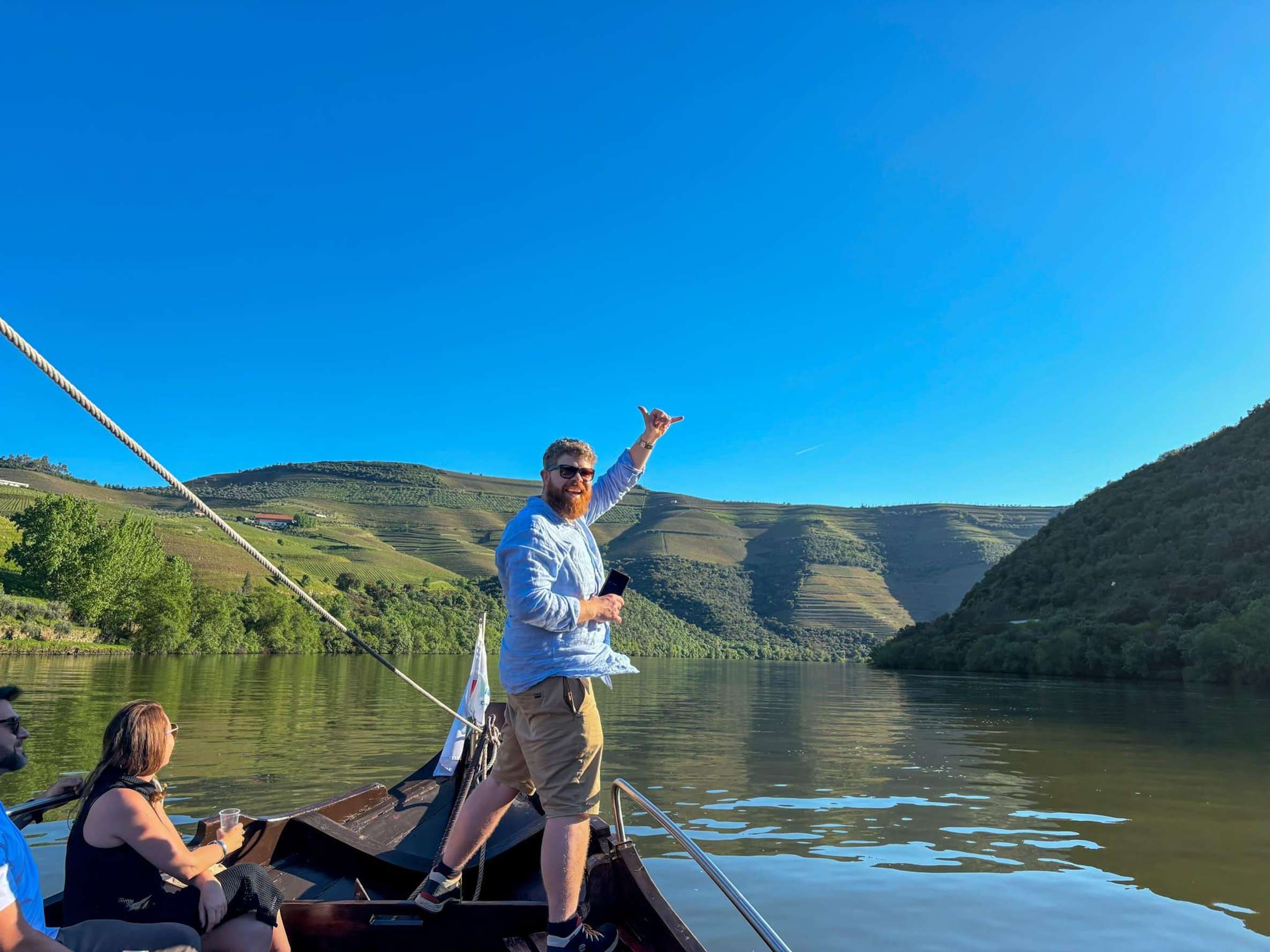
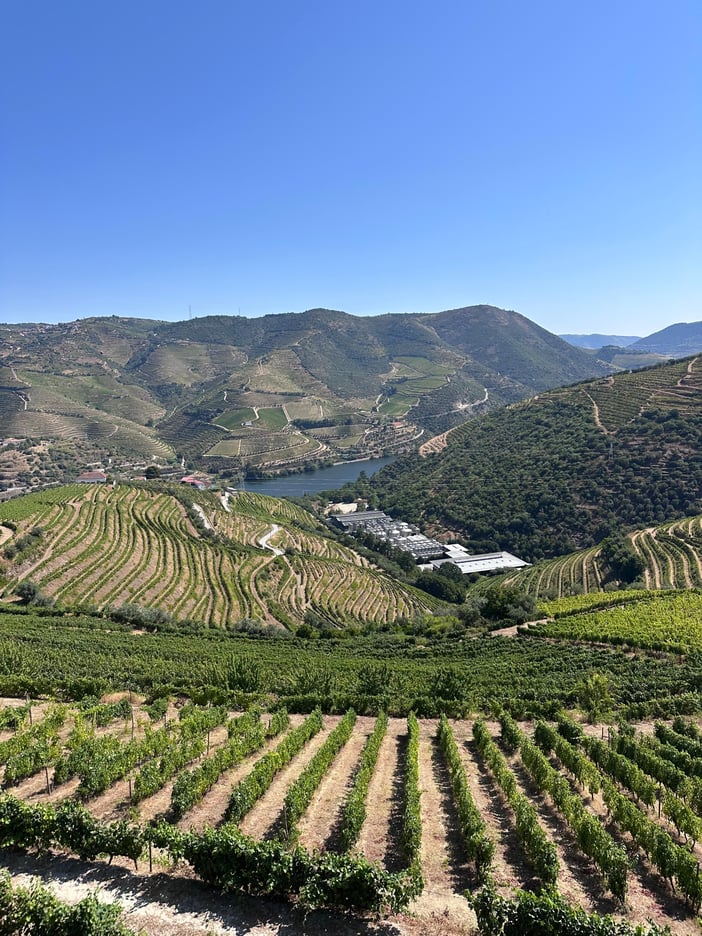
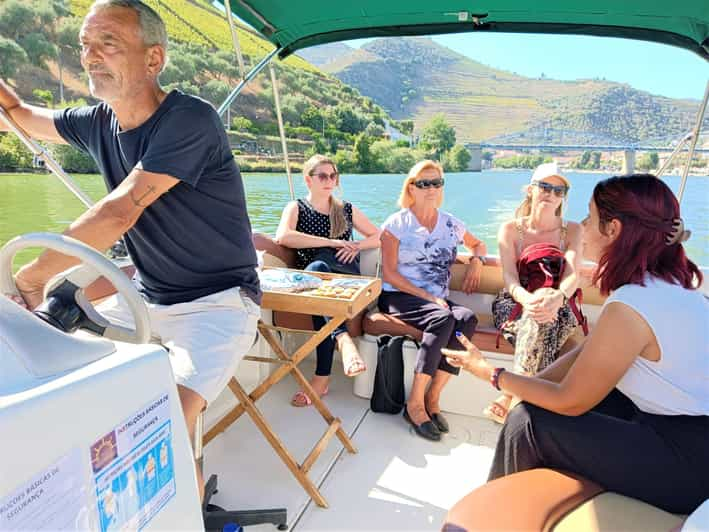
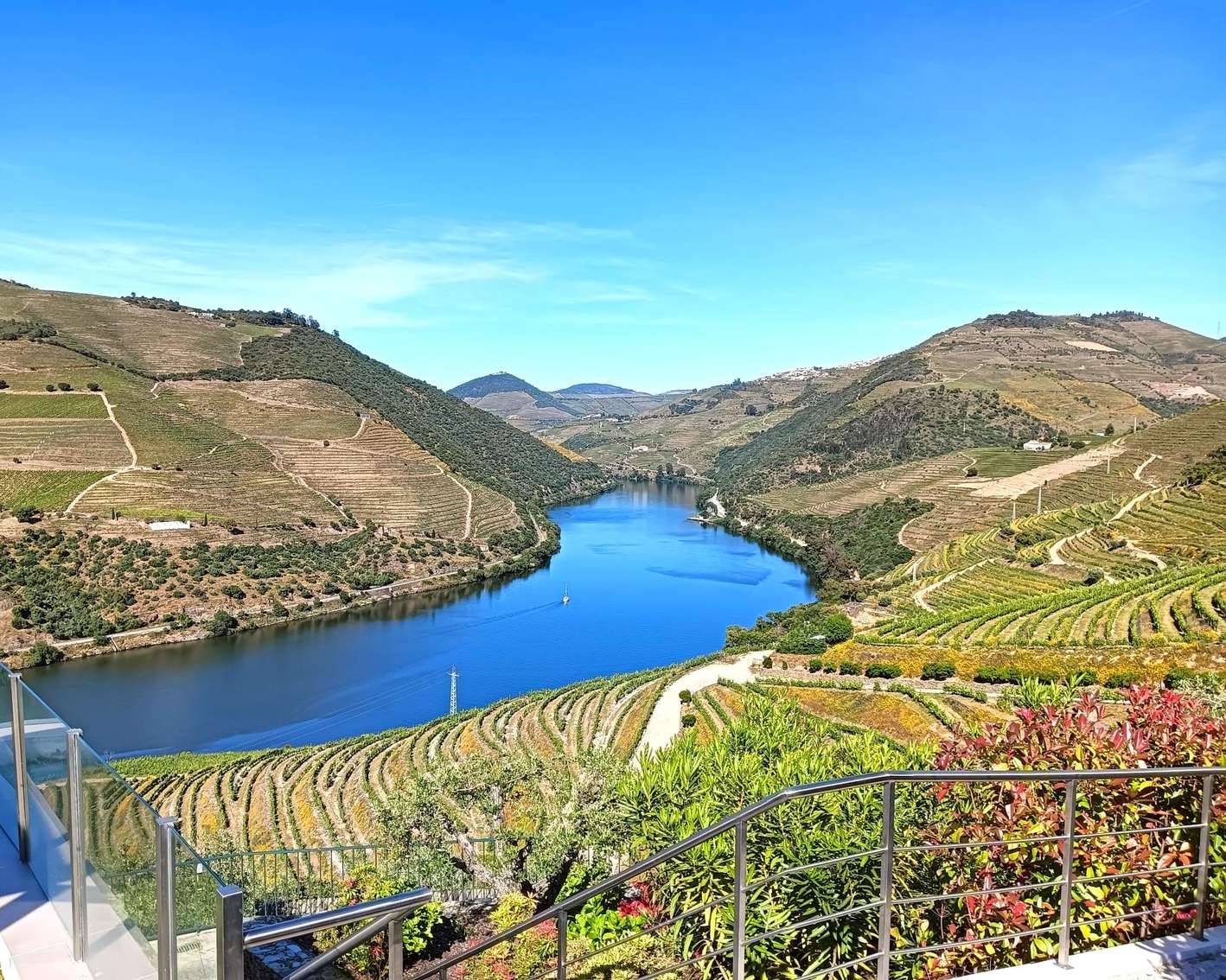
A small group travels with one of two local brothers who grew up here, and the route runs from an artisanal olive oil mill to a family wine estate, a historic manor kitchen and a wooden rabelo boat on the river at Pinhão.
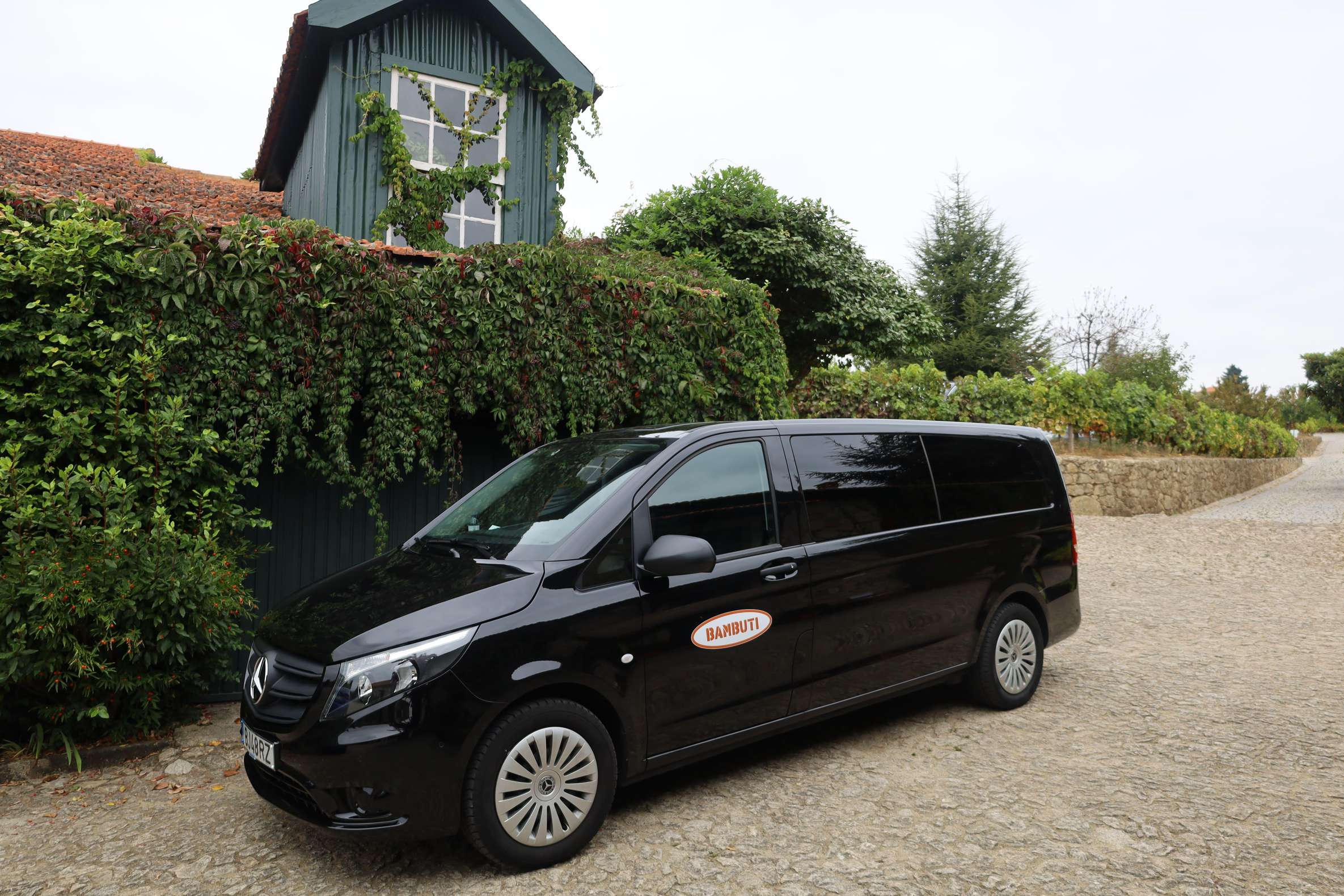
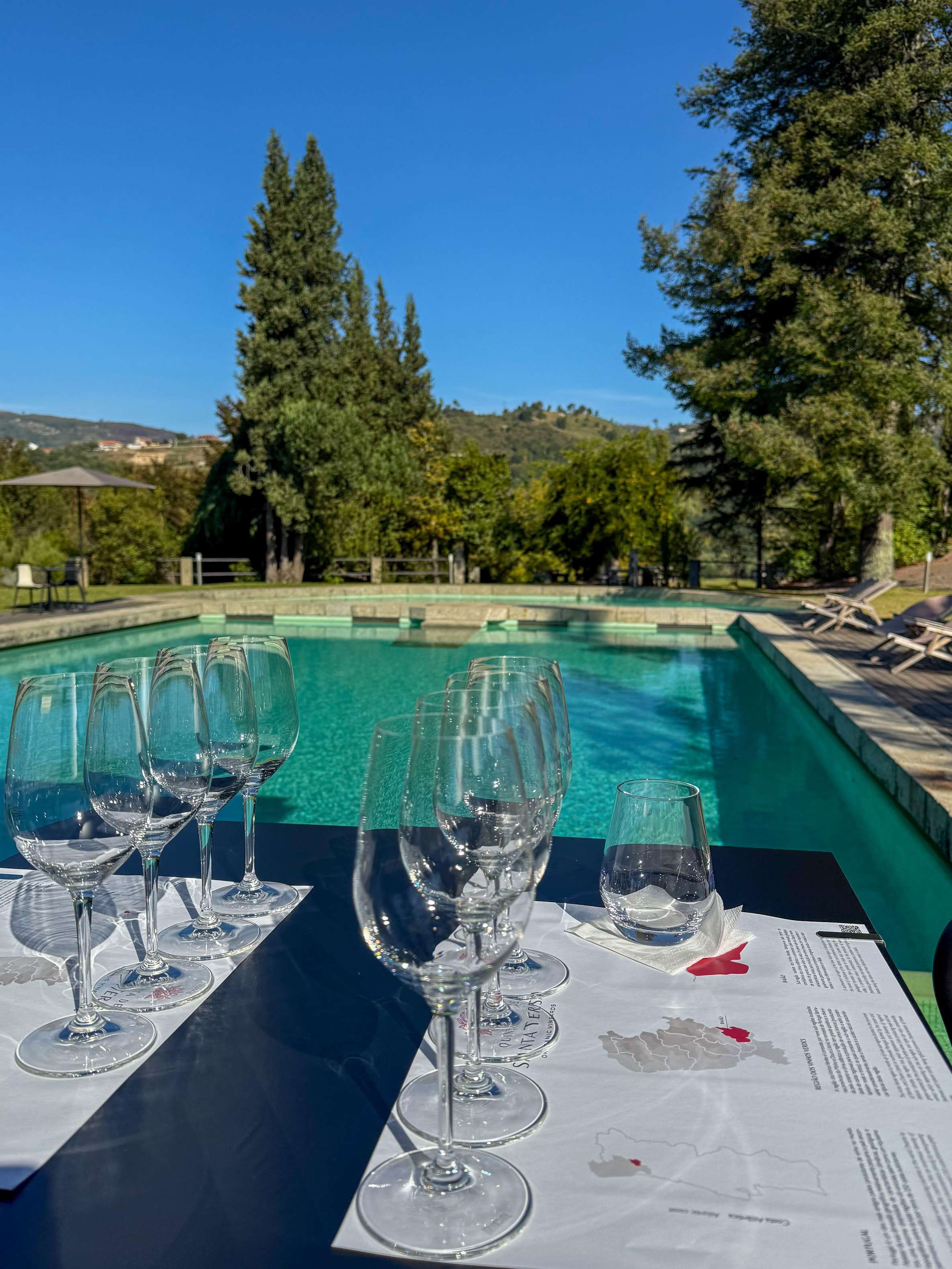
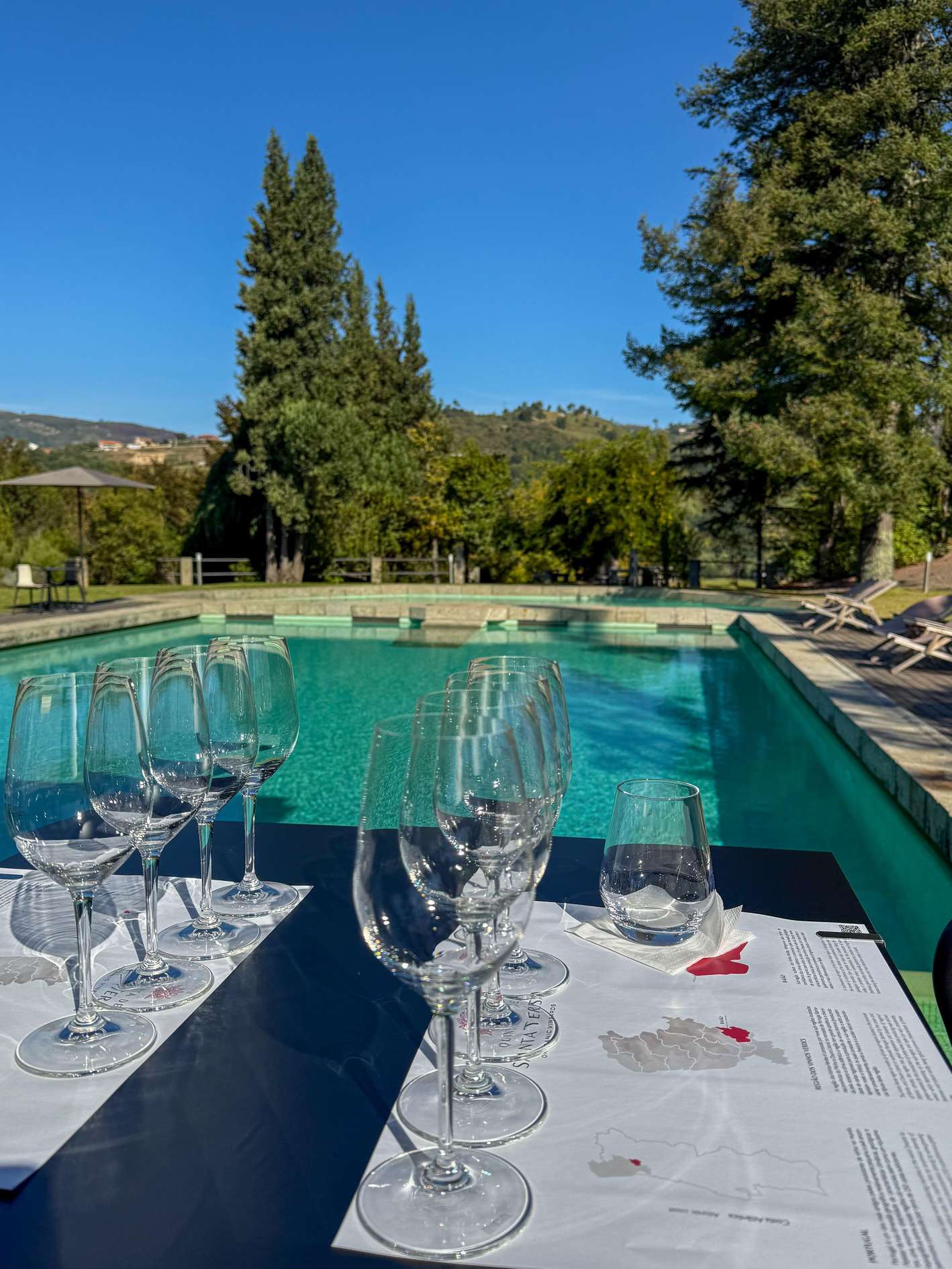
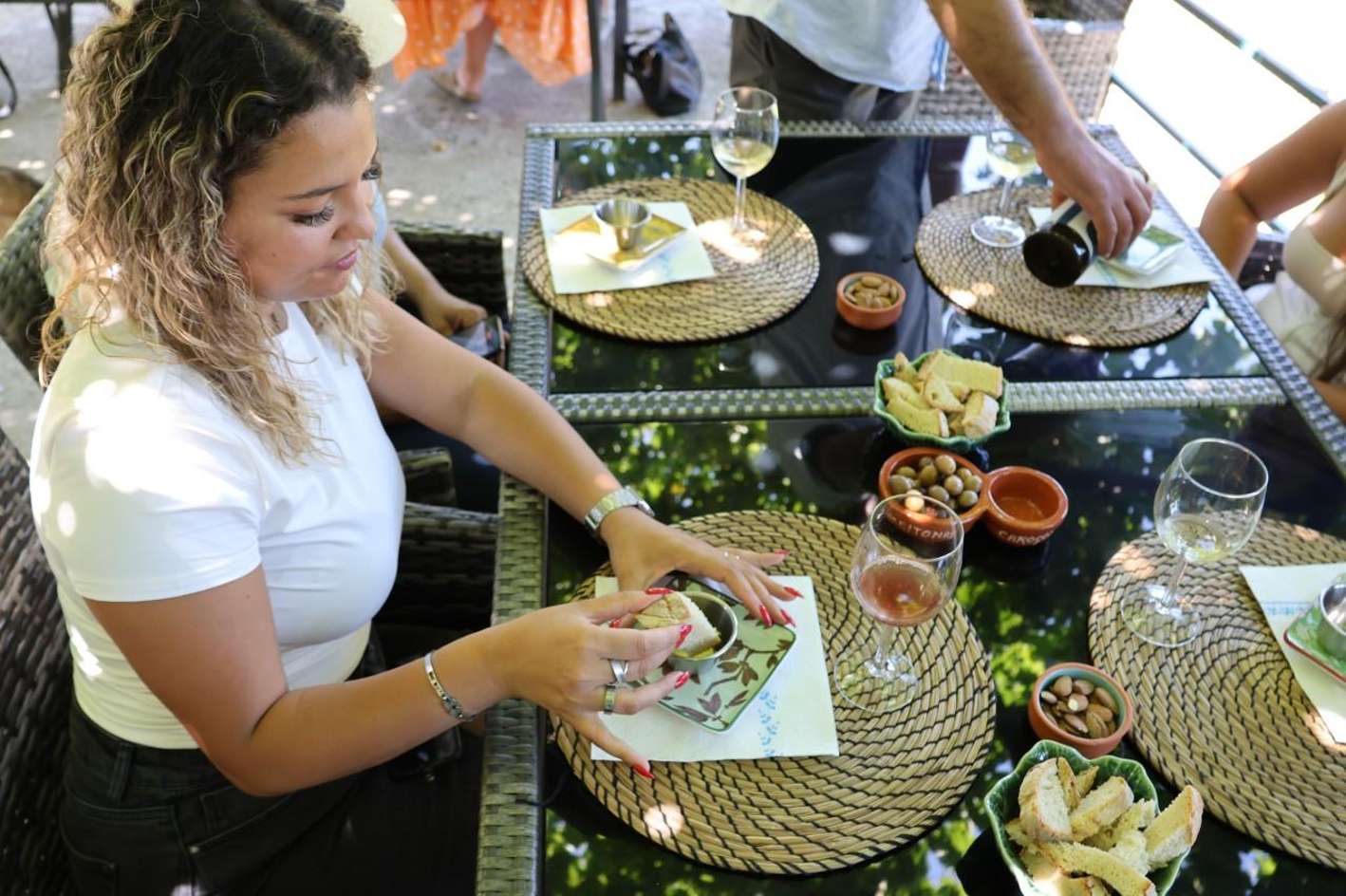
All tasting fees are covered in the price of the day: the mill visit and premium oil tasting, a guided wine tasting at Quinta de Santa Eufémia, lunch cooked at Quinta de Fornelos, a boat ride with port and pastries, and hotel pickup in an air-conditioned van.
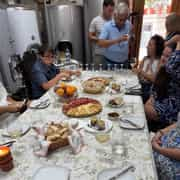
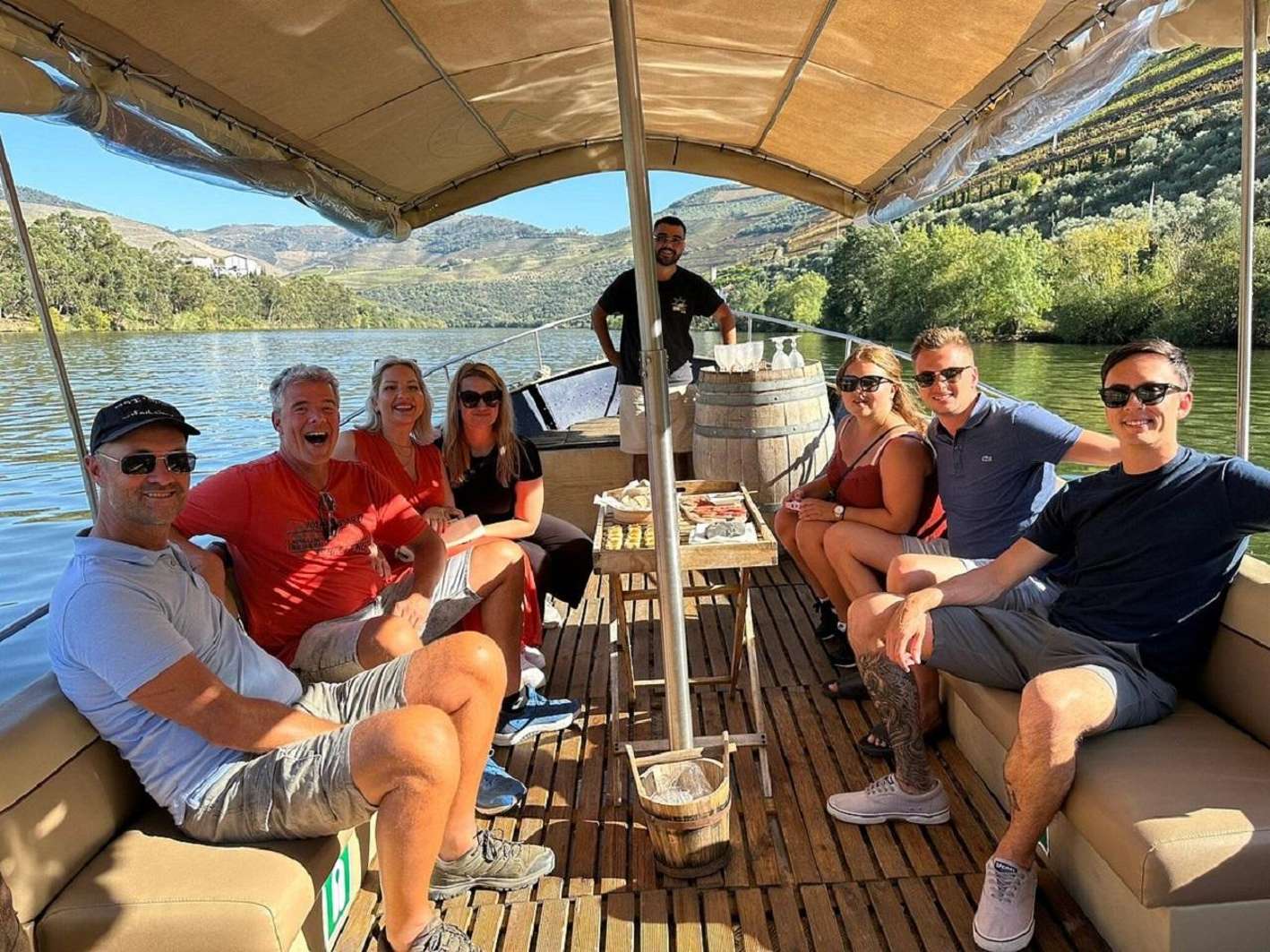
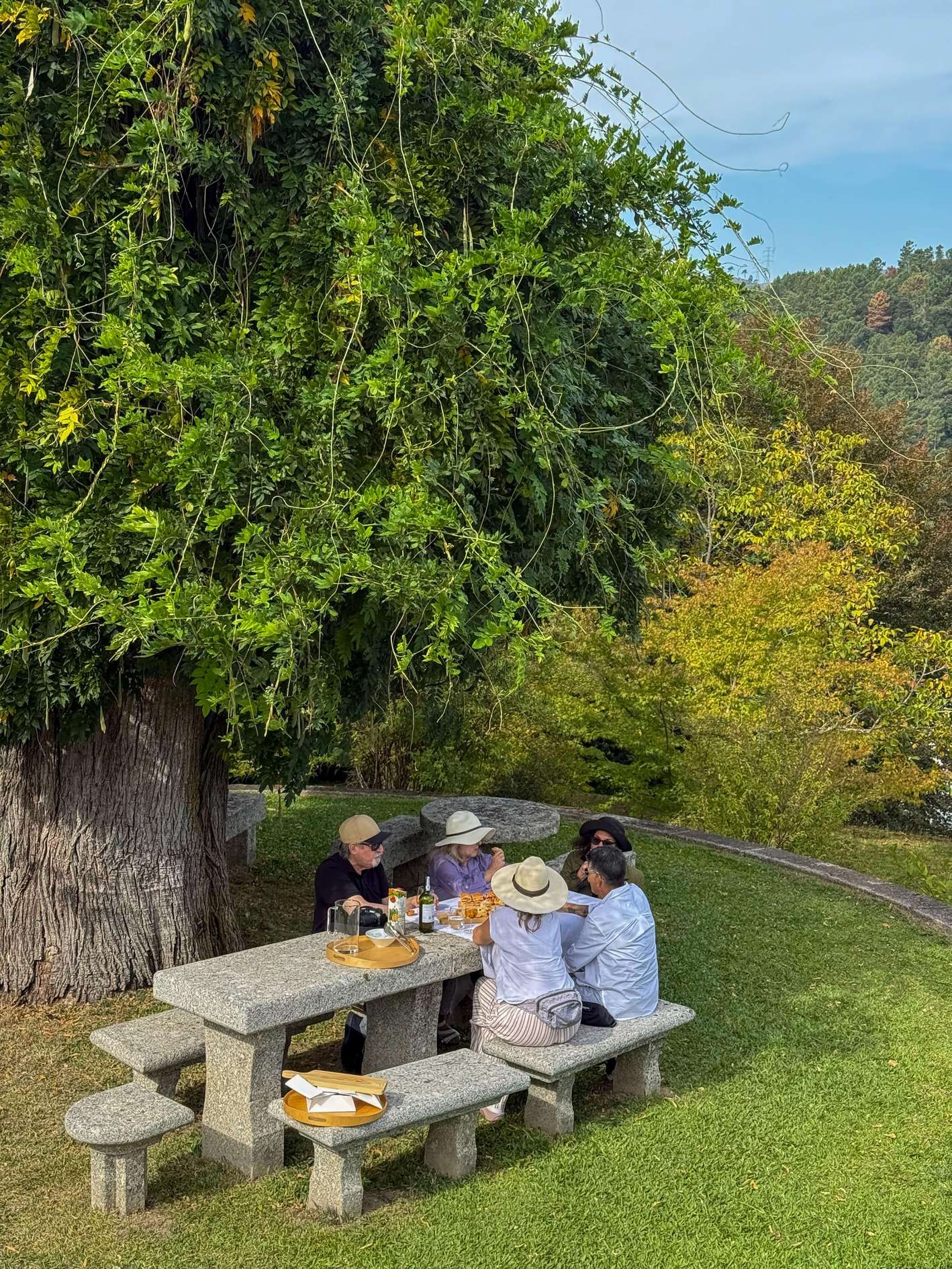
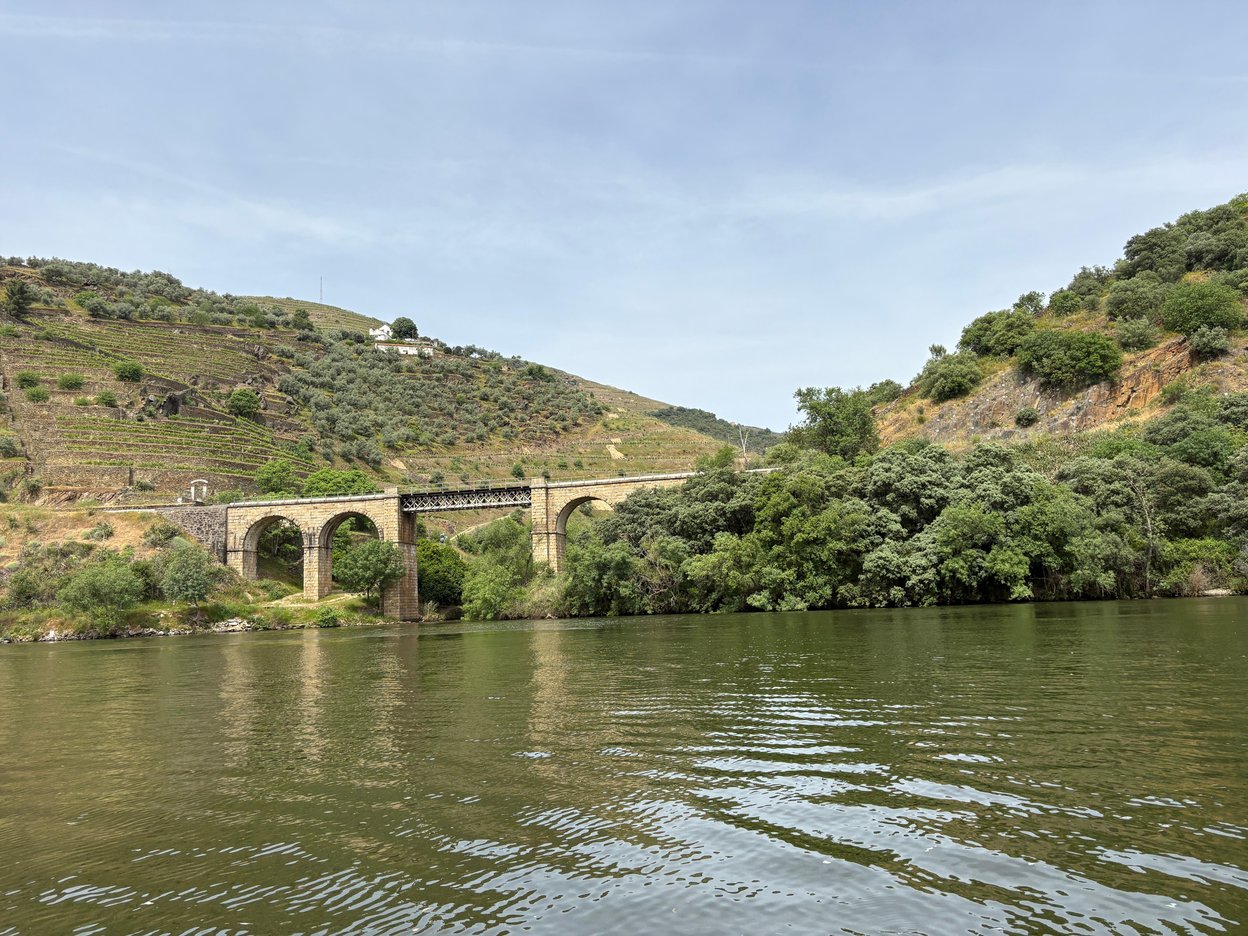
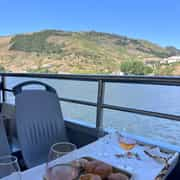
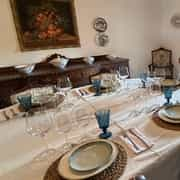
1The road into the valley· about 105 minYour guide, one of two local brothers, collects you at your hotel and drives you toward the valley in an air-conditioned van, with stories about the region on the way.2At the olive oil mill· about 75 minVisit an artisanal oil mill and taste the premium oil it presses. The old olive trees edging the vineyards once warned farmers of disease before it reached the vines.3Wine tasting at Quinta de Santa Eufémia· about 75 minA guided visit and wine tasting at Quinta de Santa Eufémia, a family estate, with the wines poured where they are made.4Lunch at Quinta de Fornelos· about 90 minA traditional homemade lunch served at a private historic manor, cooked in the family kitchen instead of a tourist restaurant.5Rabelo cruise in Pinhão· 60 minAn hour on a traditional rabelo boat from the Pinhão waterfront, with port wine and local pastries on board as the terraces slide past at water level.6The road back to Porto· about 75 minYour guide handles the narrow, winding valley roads on the return and drops you back at your hotel.
Where the other tours go
N222, Douro ValleyPinhãoSabrosa
Porto: Douro Valley Private Tour with 2 Vineyards & River Cruise
Direct hotel pick-up and drop-off (Porto or Douro)Traditional lunch at the historic Quinta de FornelosGuided by one of two local brothers (expert hosts)1-hour Rabelo boat cruise in PinhãoPort wine and local pastries served on boardGuided visit and wine tasting at Quinta de Santa Eufémia
Not included
Personal wine purchases and souvenirs to take homeGratuities (optional)Any personal expenses outside the planned experience
Douro Valley olive oil and wine tours, side by side
Green marks the lowest price. Each price says whether it is per person or per group.
Tour
Price
Duration
Languages
Best for
Our pick
Douro Valley: Wine & Olive Oil Tour with Boat & Lunch
5.0★ (85)
from $204per person
8 hours
English, French, Portuguese
travelers who want a mill visit and lunch in a historic manor
Most reviewers praise their guides by name, calling them knowledgeable, kind and excellent drivers.
Best surprise
Several say the lunch at a centuries-old private estate felt like being welcomed into a family home.
Most common wish
Many wished the day ran longer, saying they would happily have stayed on for one more tasting.
How to book your day of wine and olive oil tasting in the Douro
01
Pick a date early in your stay
Choose a day near the start of your time in Porto. Tours can be cancelled up to 24 hours in advance for a full refund, so an early booking carries little risk if plans move.
Pro tipTuesday to Thursday bring the fewest tour buses and the quietest tasting rooms; weekends fill with Porto day-trippers.
Common mistakeLeaving a September or October date to the last minute; small-group departures sell out weeks ahead, some by mid-summer.
02
Compare shared and private options
Read what changes between the versions. Shared days ride in an 8-seat minivan with a fixed lunch stop; private tours come with your own guide and vehicle, and run in English or French.
Pro tipOn one private tour, lunch is arranged at a choice of valley restaurants and you settle the setting with your guide that morning.
Common mistakeAssuming every version includes hotel pickup; a few options start from a central Porto meeting point instead, so check the option you select.
03
Note diets and child seats at booking
If anyone eats vegetarian or gluten-free, or has an allergy, write it into the booking form when you reserve. The estates plan each lunch around what guests tell them in advance.
Common mistakeMentioning a dietary need to the guide at pickup; the kitchens work from the booking, so the note has to be in there.
ImportantFamilies wanting an infant seat on the shared minivan must request it when booking, since seats are provided on request only.
04
Fix the pickup details after payment
Once payment goes through, the voucher and the operator's messages arrive by email. Most of these tours collect you at your Porto hotel, so check the address on the confirmation matches where you sleep.
ImportantChanging a pickup location needs more than 48 hours of notice, so tell the operator before you move hotels.
ImportantTwo of the private tours ask for a passport or ID card on the day, so pack it in your day bag.
05
Be ready on the morning itself
Pickups for full days run between 7:30 am and 8:30 am, and the van returns to central Porto between 6 pm and 6:30 pm. Wait outside your accommodation ten minutes early with a layer and comfortable shoes.
Common mistakeStepping out at the stated minute; one tour operator waits only five minutes past the start before driving on.
RecommendedDress for whatever the sky is doing; the day goes ahead in rain, with tastings moved indoors and boats covered.
What to know before you book an olive oil and wine day in the Douro
Can stop the dayGood to knowGood news
01
ChoosingWhat it is, who it suits, when to go
6
Pickup
Every tour here includes hotel pickup and drop-off in Porto, and the private options collect you right at your accommodation door. An air-conditioned vehicle handles the whole route, so nobody gets behind the wheel after a day of tastings.
Vehicles
Shared groups ride in eight-seat minivans, private tours in a van just for your party. The drive from Porto runs 1.5 to 2 hours each way, with the final stretch on the winding N222 road along the riverbank. Drivers take those switchbacks slowly.
Included
Wine and olive oil tasting fees are covered on all of these tours, along with lunch on the full-day versions and the boat cruise where listed. Personal wine purchases and optional gratuities are the only extras.
MobilityCan stop the day
The historic manors and wineries on these tours involve uneven floors, stone stairs and sloping paths between buildings. They are not recommended for wheelchair users or anyone with significant mobility limits.
Taking oil home
Estate olive oil and wine bottles travel home in checked luggage only, since liquids over 100 ml cannot enter the cabin. Many wineries can also arrange international shipping for you.
Booking ahead
Winery visits fill up well before the day and popular quintas turn walk-ins away. Reserve your tour online before you leave home, and give the operator your dietary needs at the same time.
02
BookingHow far ahead, and what happens if plans change
2
Diets
Vegetarian, vegan and gluten-free lunches are available when you ask in advance. Mention allergies or dietary needs at booking, because the kitchens plan their menus and shop before you arrive.
Cancellation
Cancel up to 24 hours before departure for a full refund. Changes to pickup locations need more than 48 hours of notice.
03
Before you goPapers, health, what to bring
2
Footwear
Terraces are steep schist slopes with loose gravel and stone steps, so wear closed-toe walking shoes with grip. In July and August the exposed vine rows can pass 35°C, so add a sun hat and sunscreen.
DocumentsCan stop the day
Bring a passport or ID card, because some of these tours check it before departure. Under 18s cannot drink at tastings; Portuguese law sets the minimum age for alcohol at 18.
04
On the dayWhere to be, when, and how you get there
1
Olive pressing
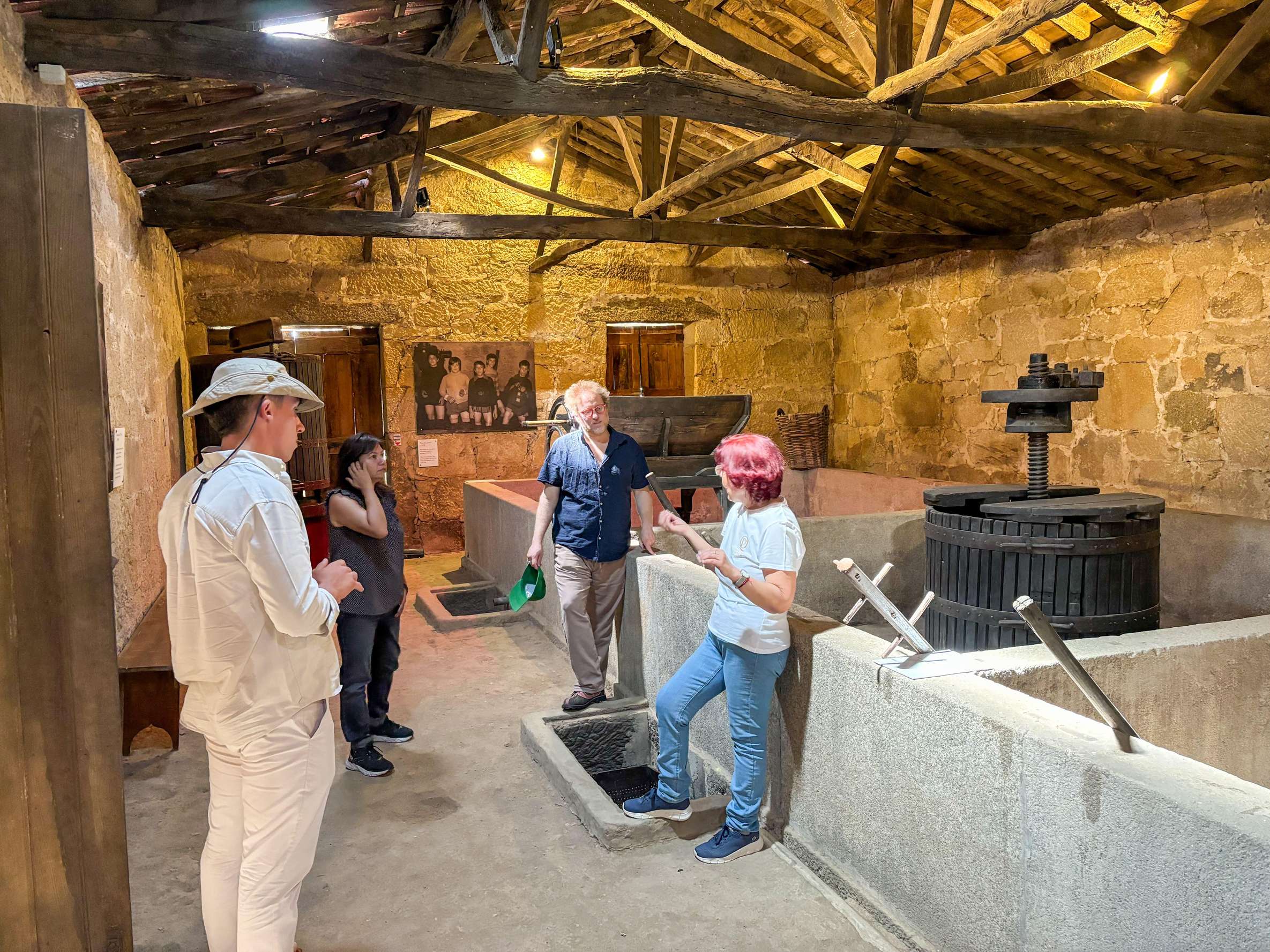
Active pressing happens only in late autumn and winter. In summer you still tour the mill and taste the oils, and a centenary mill near Pinhão is now a museum that walks you through the whole process.
05
During the tourWhat is expected of you
1
Tipping
Gratuities are optional on every tour here. If you tip, hand folded cash in euros to your guide at the end, and give a separate driver his own.
How a wine and olive oil day in the Douro Valley really unfolds
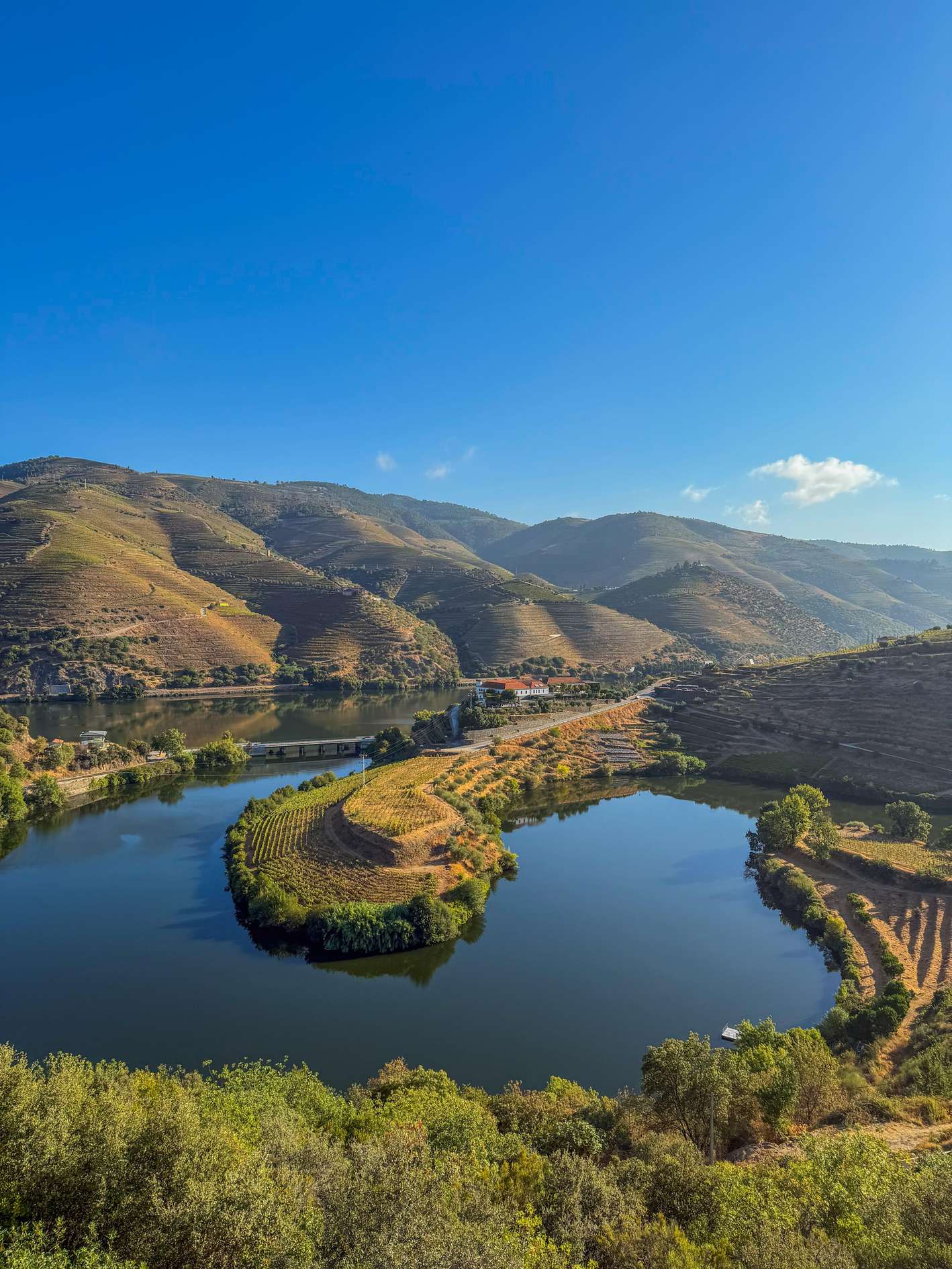
The Douro's terraces carry olive groves as old as the vines, and its quintas press oils that earn their own tasting. A full day from Porto can give both crafts their due, if the itinerary and the season line up.
Lamego· 41.16° N, 8.63° W
If you only remember three things
1
Leave Porto by 8:30 am: the valley sits 1.5 to 2 hours east and morning estate visits start around 10:30 am.
2
Olive presses run only in late autumn and winter, so book the mill season if pressing matters to you.
3
Aim for Tuesday to Thursday, and reserve harvest-season small-group tours at least a week ahead.
Is a whole day of Douro wine and olive oil worth it from Porto
Porto is a fine city, but it has no answer to the Douro. The valley sits 1.5 to 2 hours east by van, and a proper day there runs 9 to 10.5 hours door to door. That is the honest cost, and it is the same for every tour leaving the city.
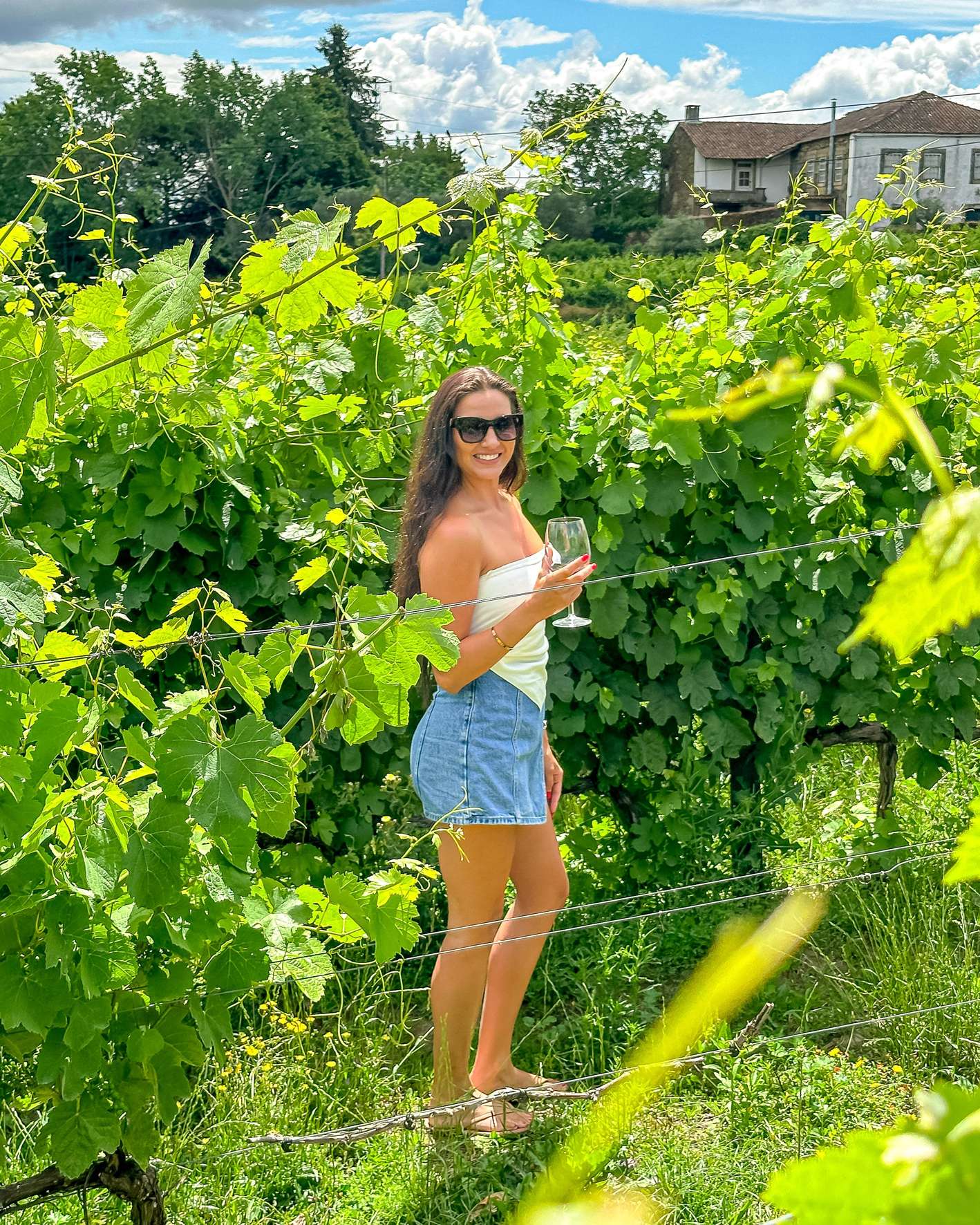
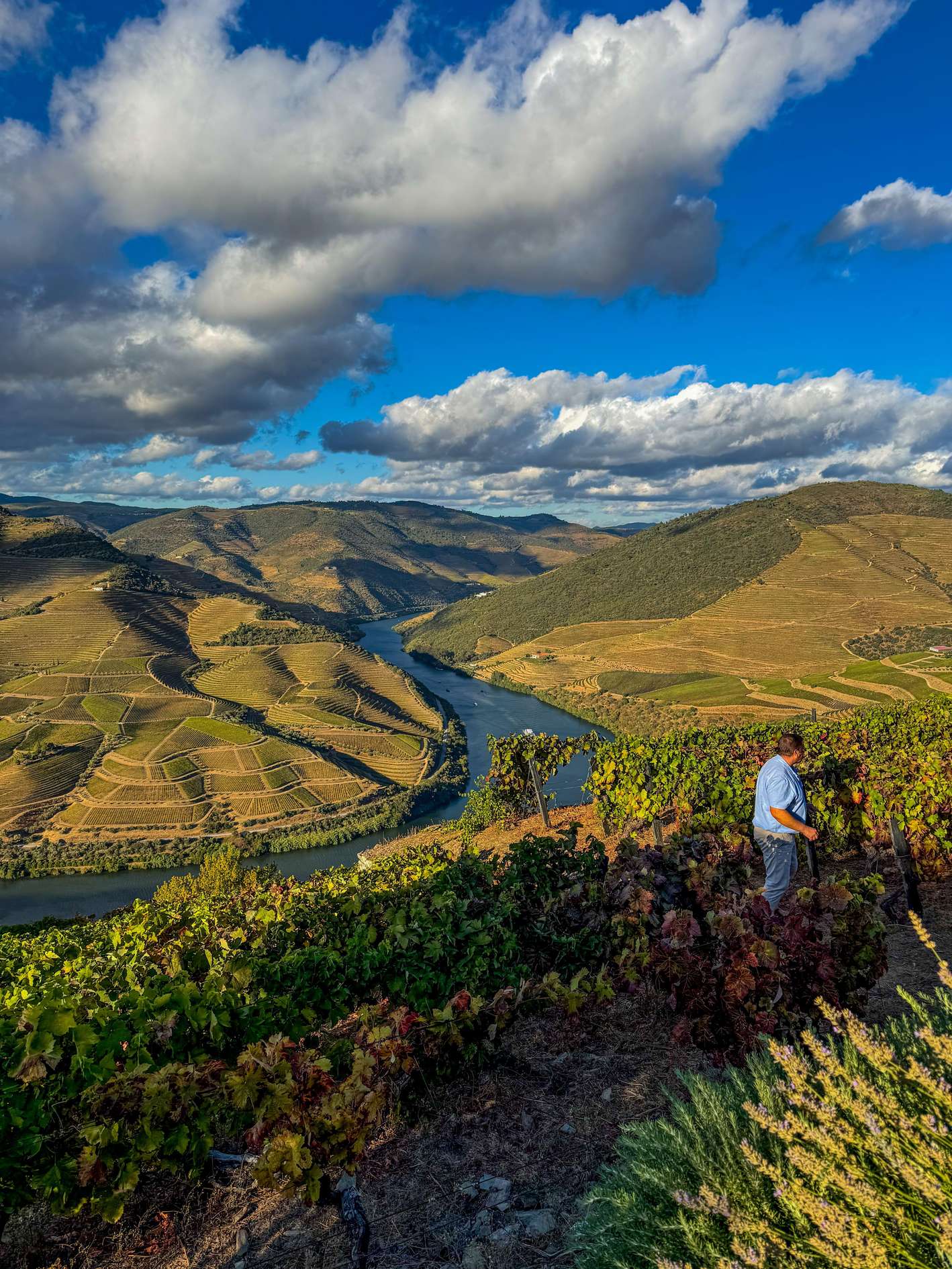
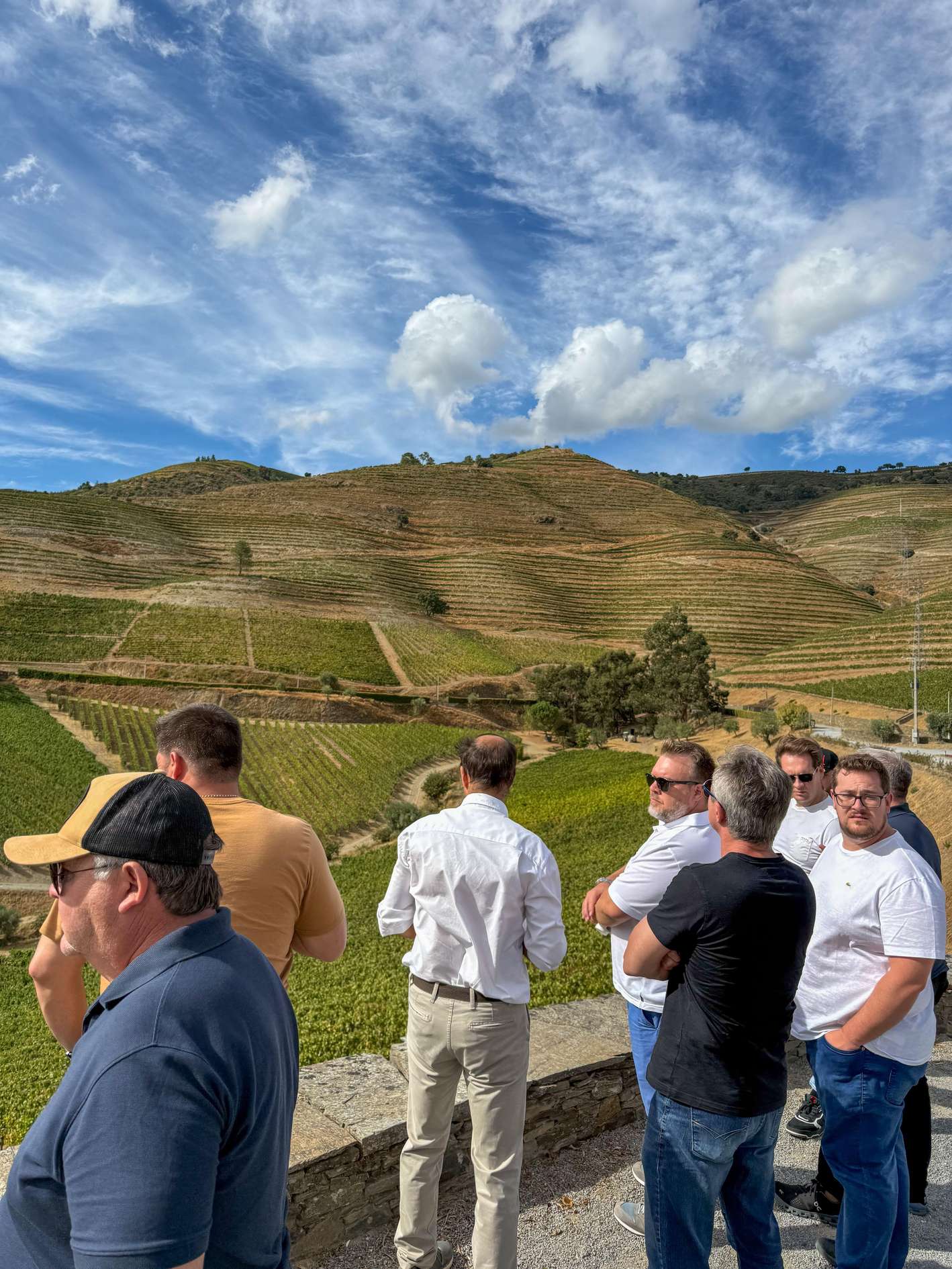
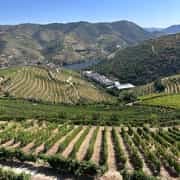
What the drive buys is the part Porto cannot copy: two working estates, a long lunch among the vines and time on the river under the terraces. Regulars say the high quintas above the valley floor give the better views.
The small rural estates give more than vines to look at. Many traditional quintas keep centuries-old olive groves along their vineyard terraces and bottle artisanal oils, and the small places pour them with the owner across the table.
A traveler's note
Can't recommend this enough! Ruben was prompt, professional, great fun. We've visited Portugal many times, and this was our best day yet, deep regional history plus generous food and incredible.
There is one honest exception. A traveler with a single day in Porto spends it better in the city; the round trip would eat most of the day before any tasting. With two or three days in the region, the valley day becomes the one worth building everything else around.
How the olive oil and wine day unfolds, hour by hour
Pickups start early. Tours leave Porto between 7:30 am and 8:30 am, because estate visits begin around 10:30 am and the road east takes its time.
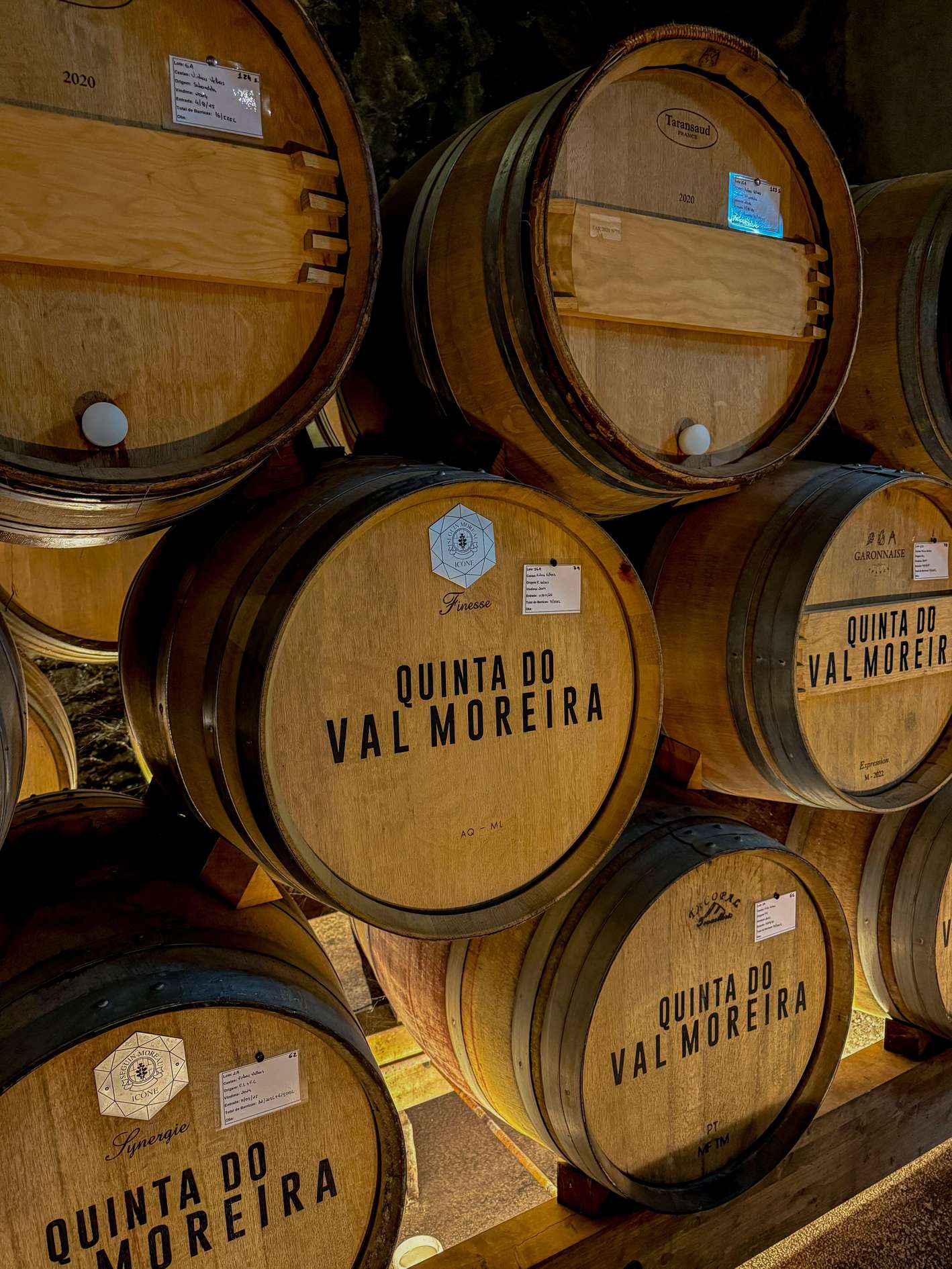
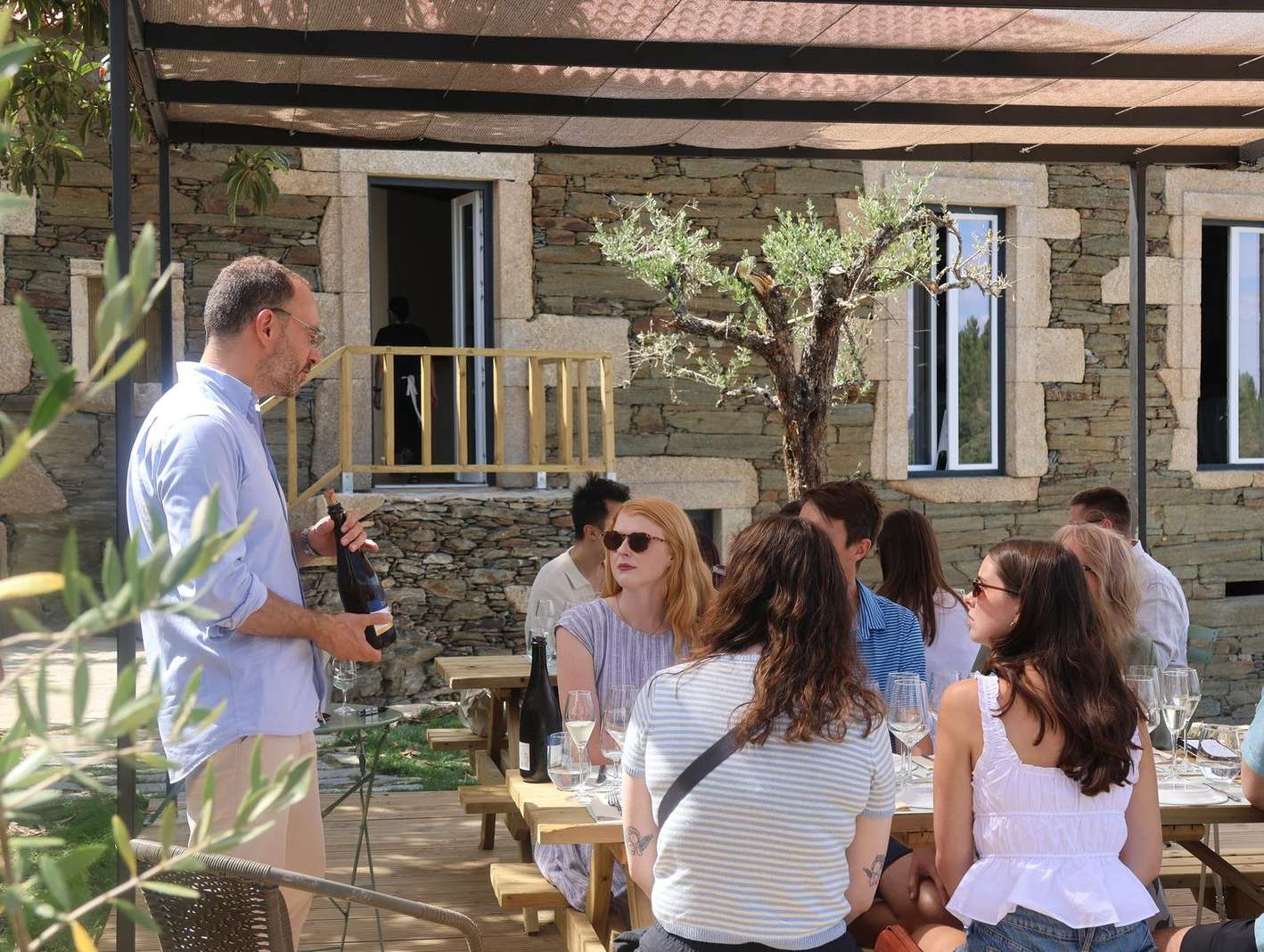
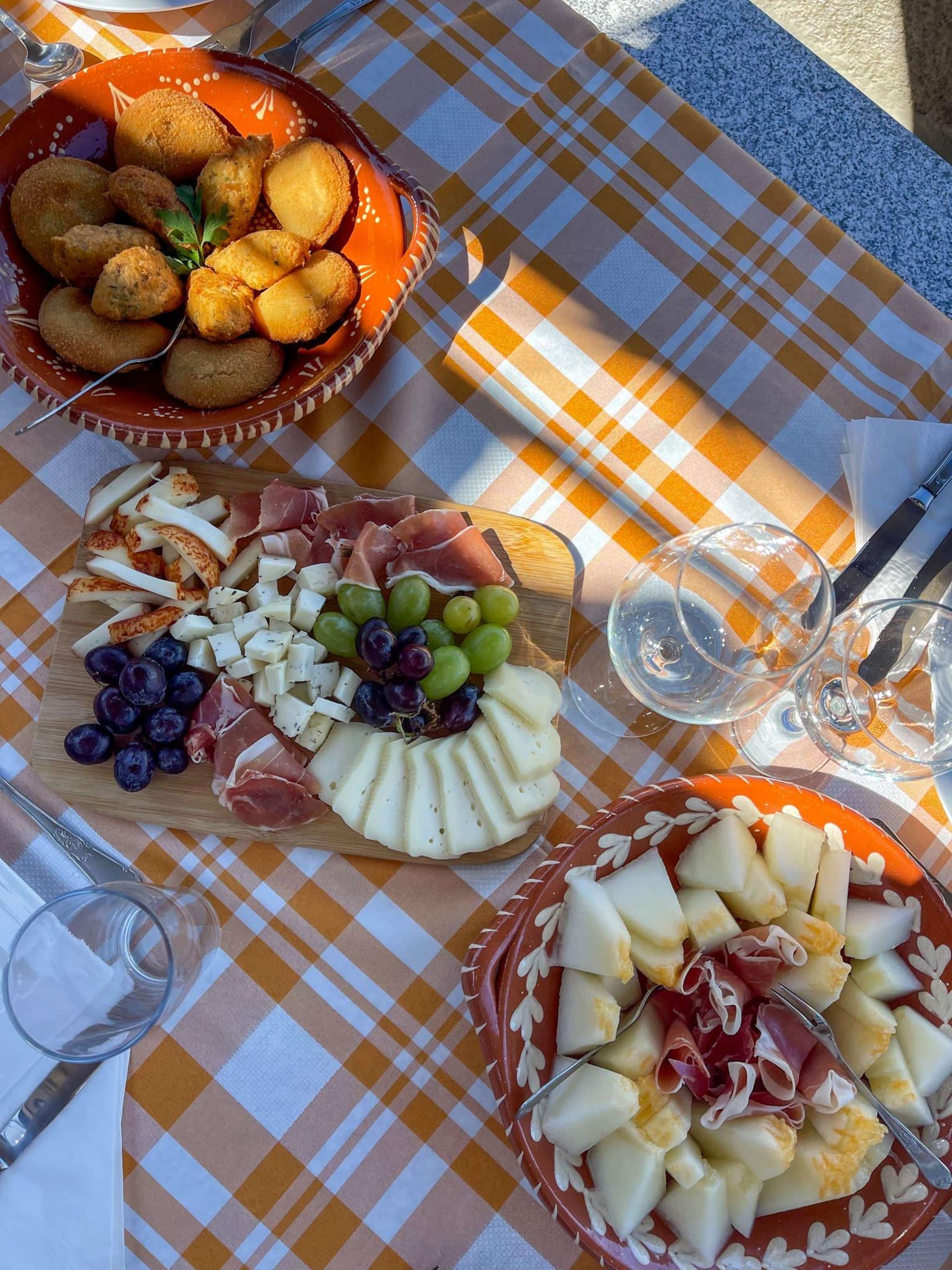
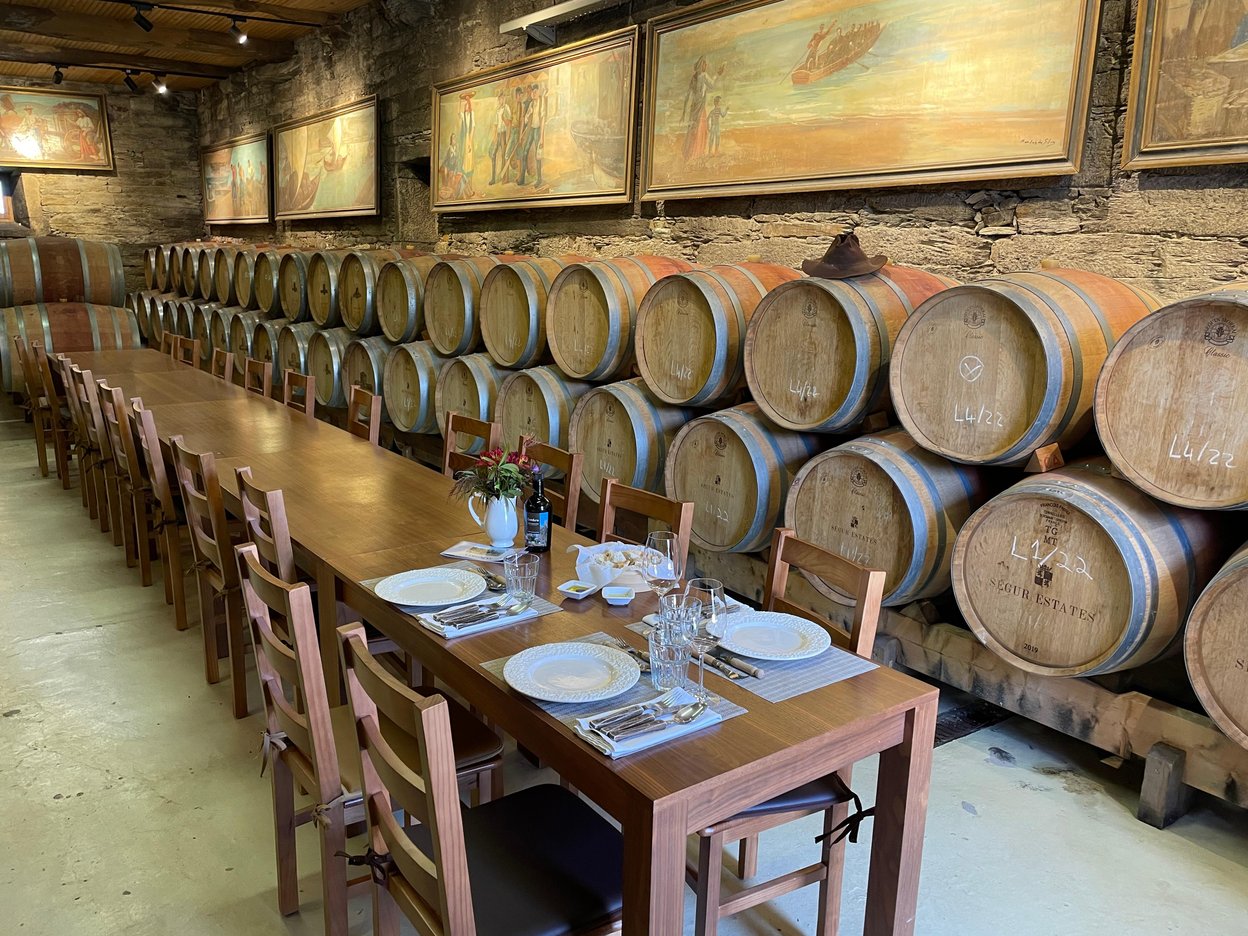
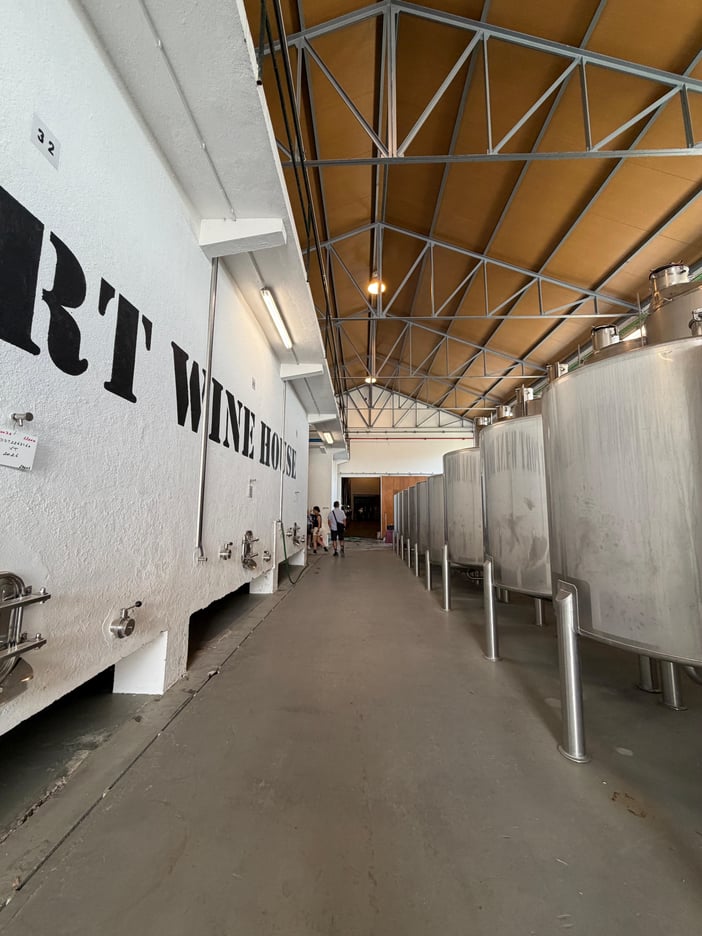
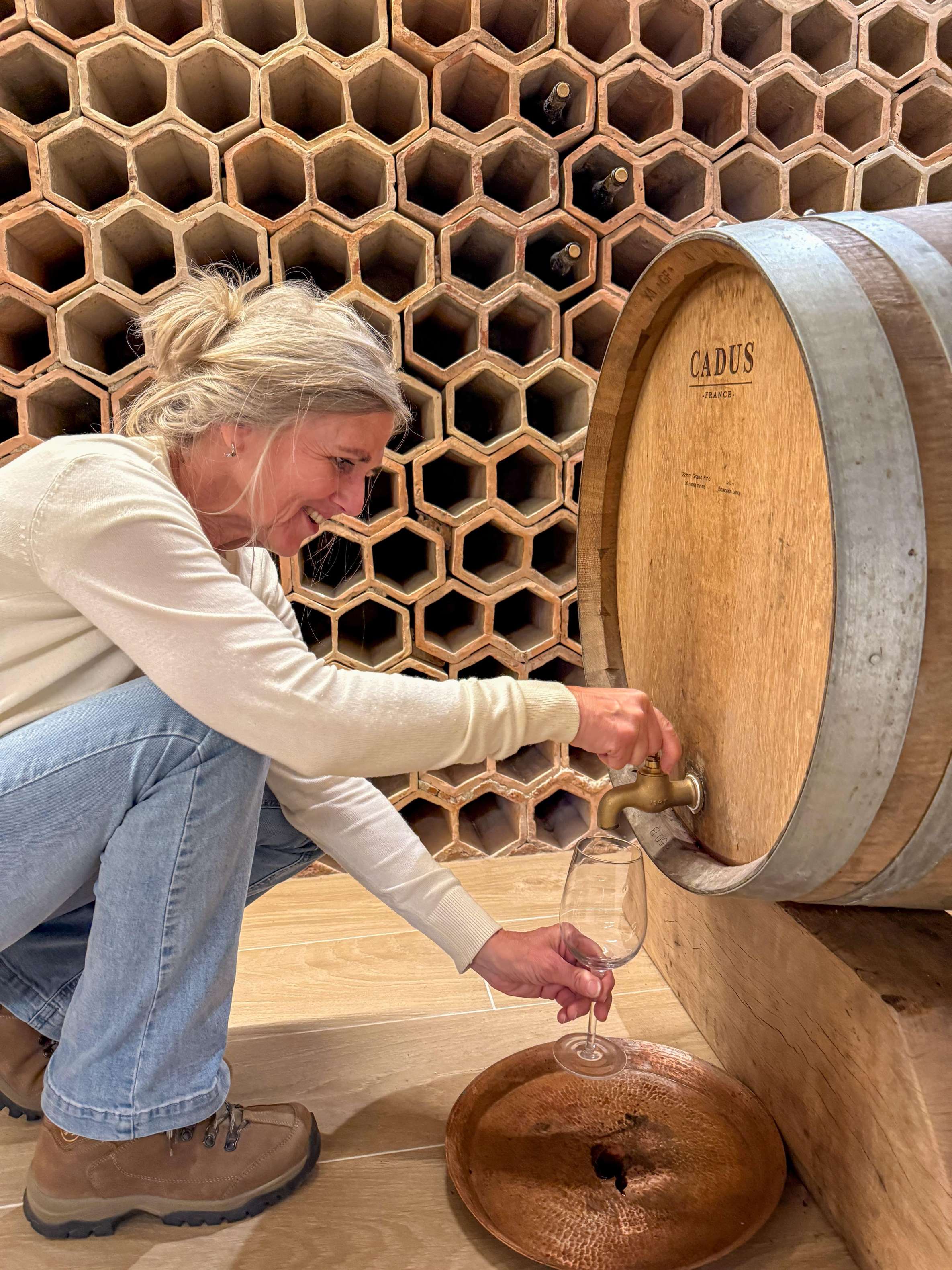
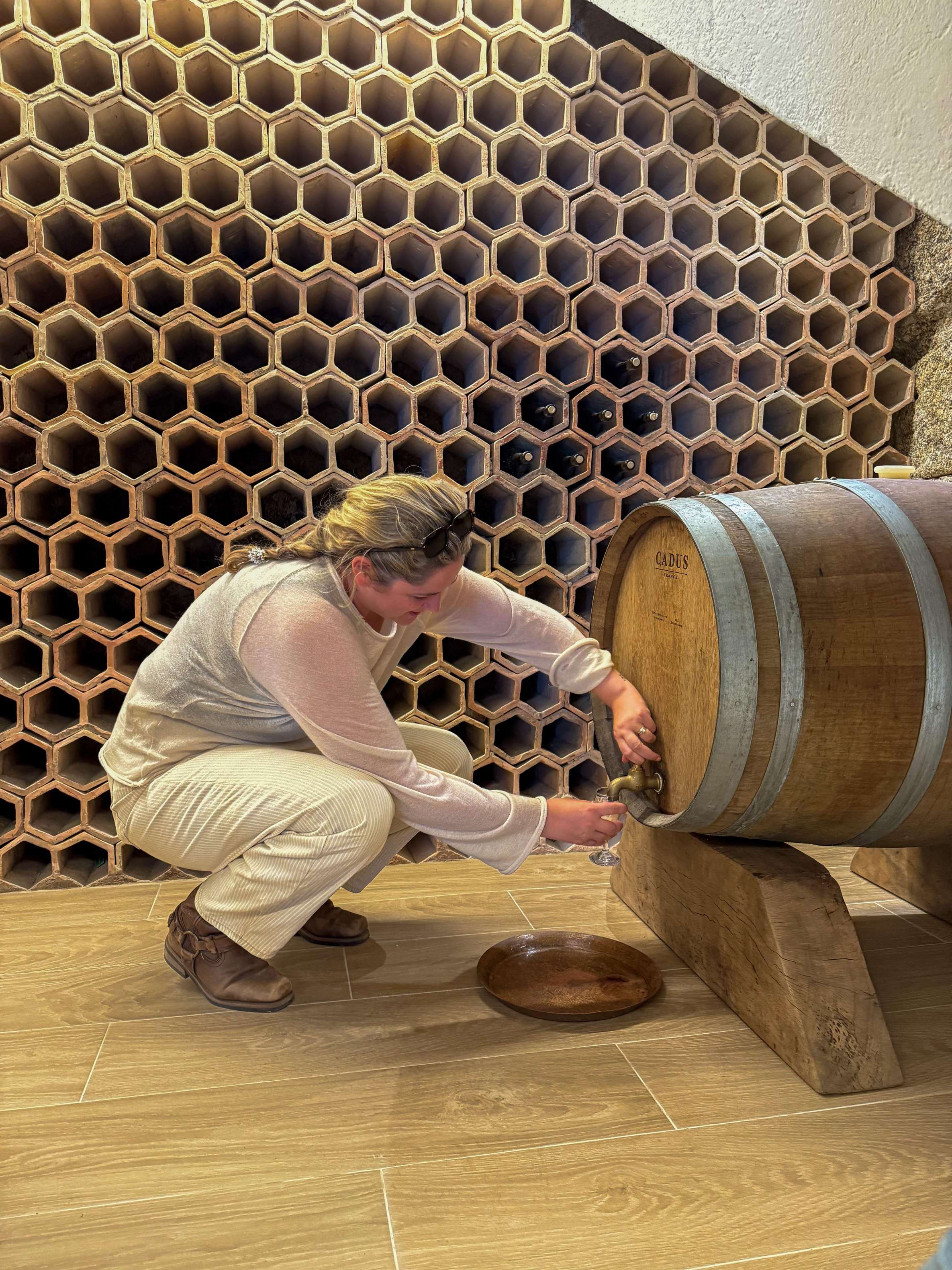
After that the day settles into a calm rhythm. Each of the two winery visits runs 75 to 90 minutes: a walk through the cellar, then the tasting, with the olive oil poured at the same table as the wines.
Lunch is the slow part, 1.5 to 2 hours of regional food with paired wines, and the boat takes 50 minutes to an hour.
Time allocated to core activities on a Douro day tour
2 to 2.5 hrwinery cellar visits and tastings
1.5 to 2 hrtraditional regional lunch
50 min to 1 hrscenic river boat cruise
Read those numbers together and the shape shows: the estates and the meal claim most of the day, and the boat is the dessert.
Schedules budget three to four hours of road time, while travelers who kept count put actual van time at three to three and a half hours. The difference is padding for viewpoint stops and harvest traffic, and on this road you want the slack.
One tour that follows this shape exactly is the Douro Valley: Wine & Olive Oil Tour with Boat & Lunch.
It adds a homemade lunch at a historic family manor, a guided olive oil mill visit and tasting, and an hour on a rabelo boat with port and pastries on board, with hotel pickup and drop-off in Porto or the Douro.
Tour for this
Douro Valley: Wine & Olive Oil Tour with Boat & Lunch5.0★ (85) · 8 hours · Hotel pickup · Free cancellation
Olive oil gets a tasting of its own in the Douro Valley
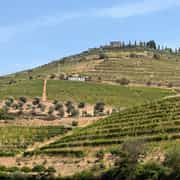
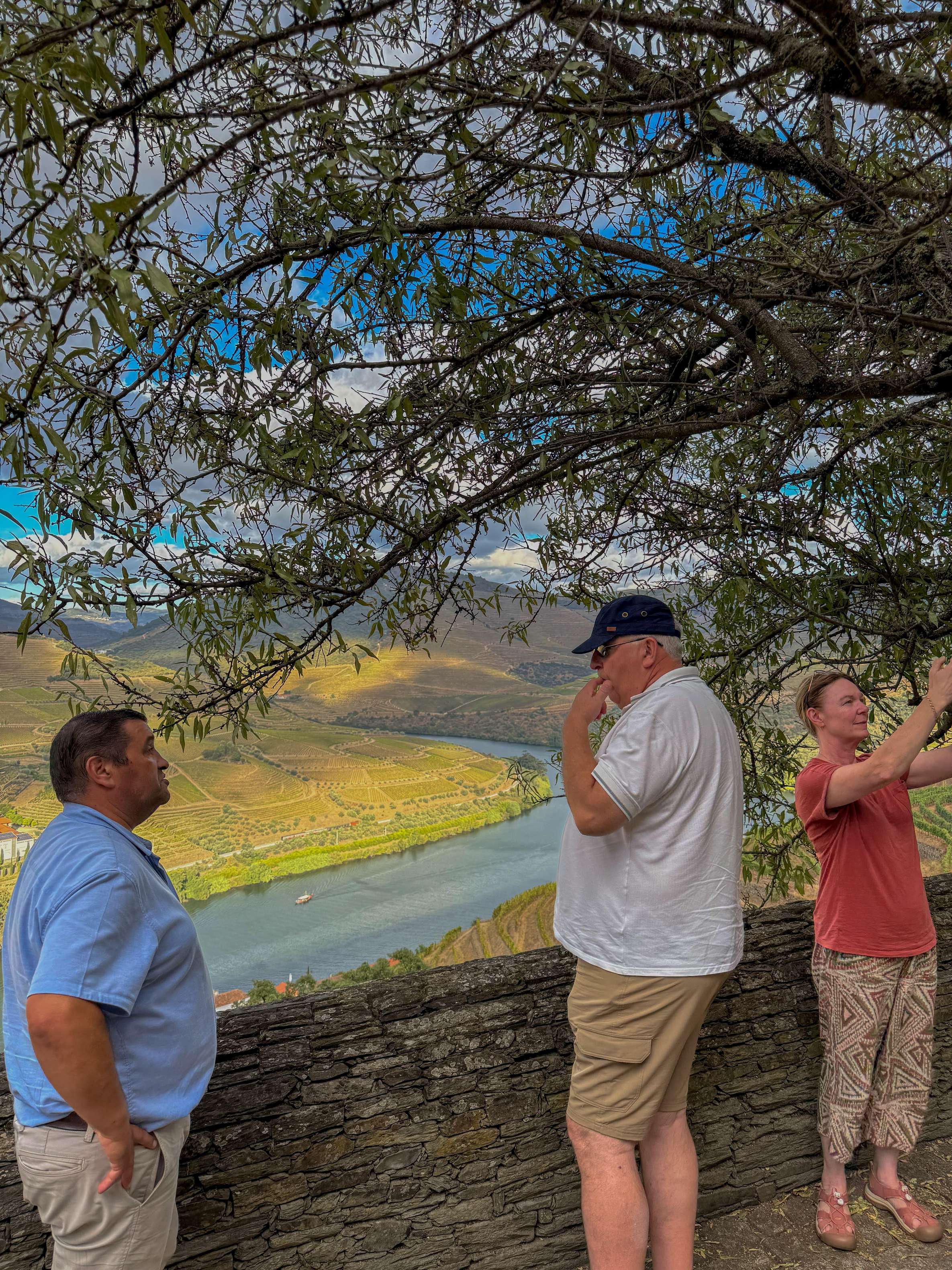
The olive trees were here first. Growers planted them along the vineyard edges to mark property lines, and the trees doubled as early warning, flagging disease before it reached the vines that paid the bills. They still line the terraces today.
The oils change as you move upriver. The wetter Baixo Corgo presses light, green oils with notes of bright tomato and green apple; the middle Cima Corgo gives concentrated, balanced ones; the hot Douro Superior sends dense, peppery oils with apple and dried fruit behind them. Three sub-regions, three styles, all within a morning's drive.
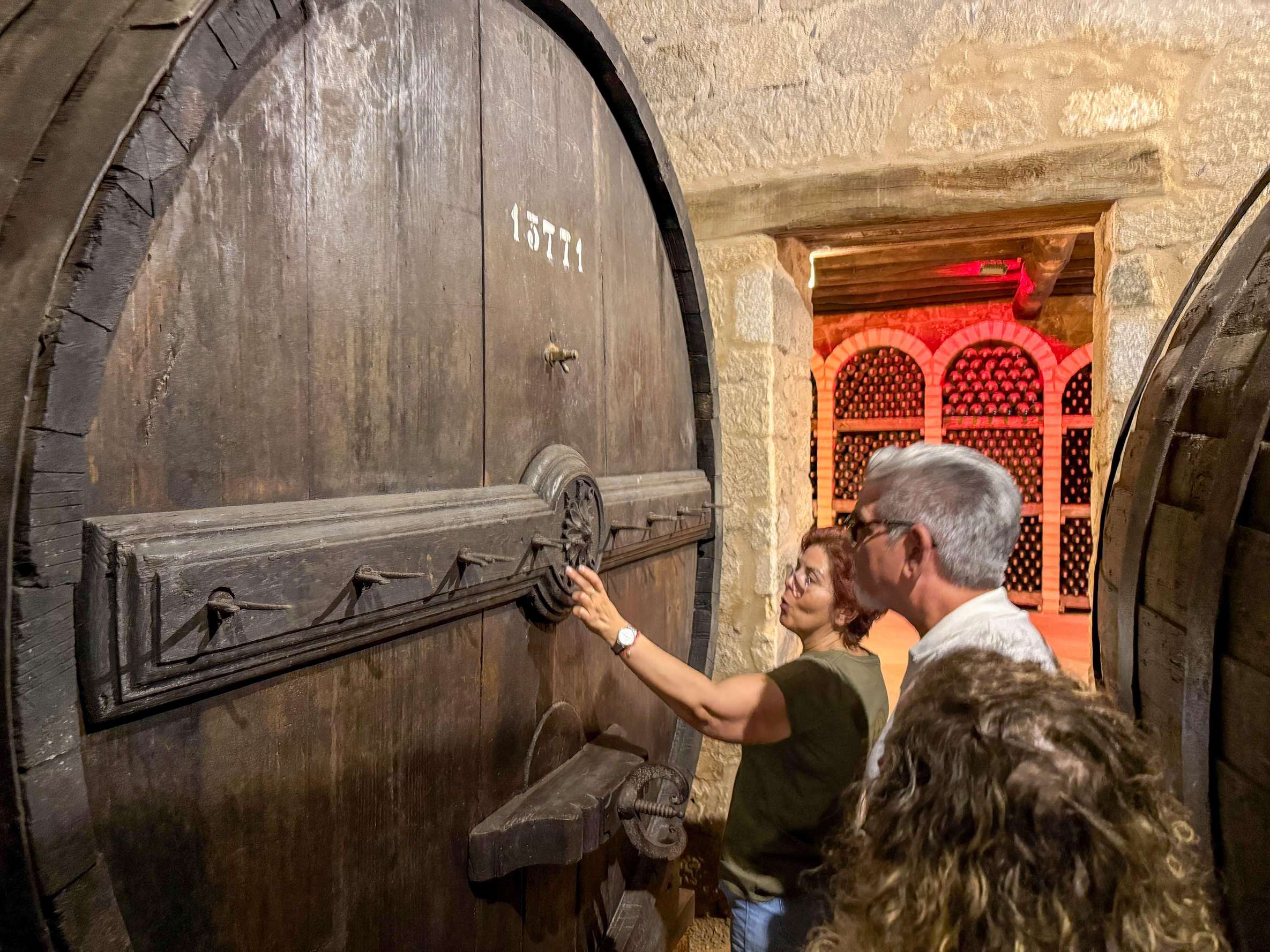
One expectation to reset: the mills. A summer visit finds silent presses, so the tasting has to carry the story. The tour itineraries that include a mill or an oil museum still walk you through the whole process, and the old mill in Casal de Loivos above Pinhão is open as a museum year-round.
What people get wrong about Douro olive oil
MythEstate oil is just a winery byproduct
Reality
The Douro and its border hills press oils that win international awards
MythYou'll watch the press running in summer
Reality
Milling happens only in late autumn and winter
MythA dip of dry bread counts as a tasting
Reality
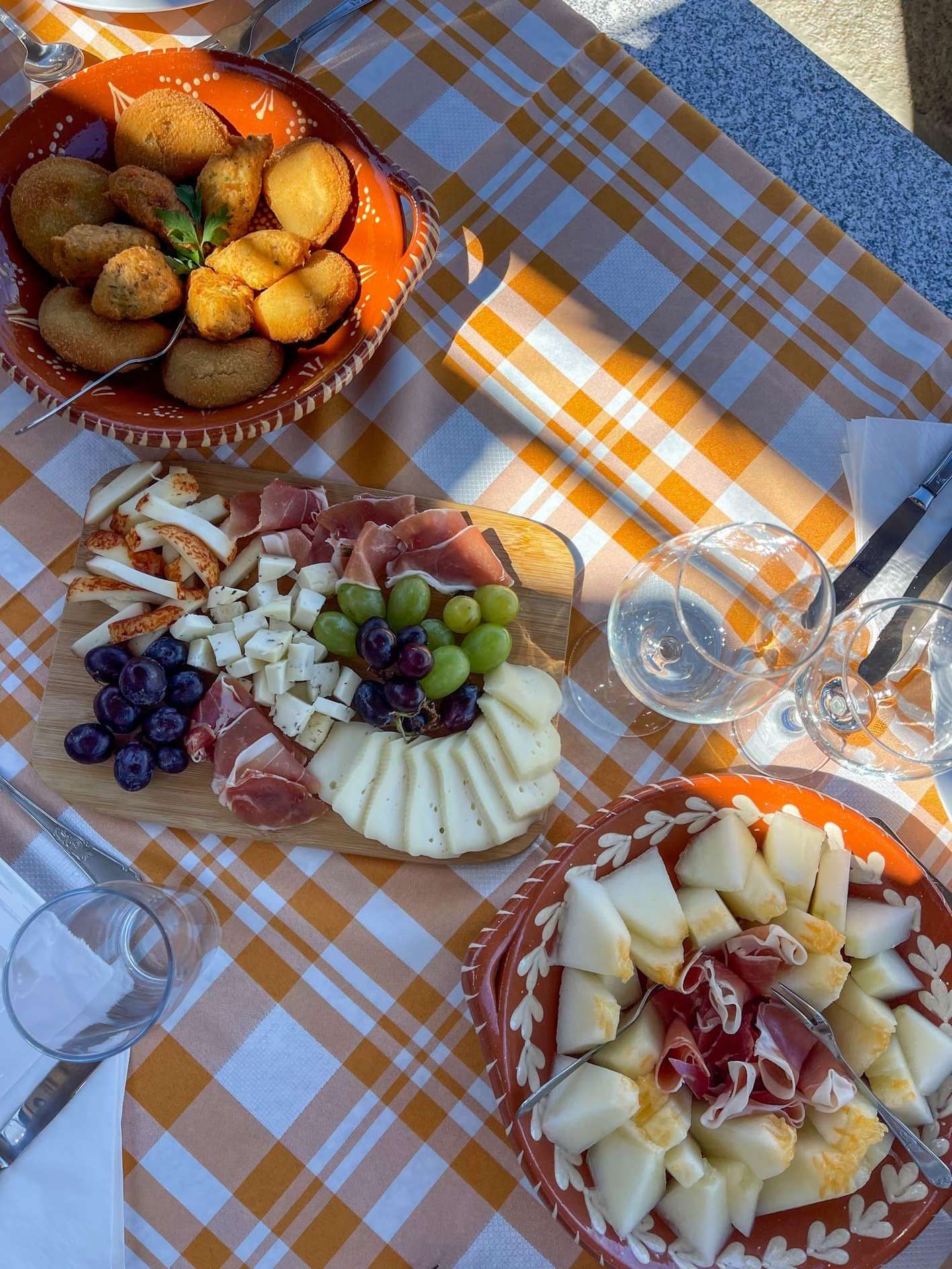
Proper visits pour the oil variety against variety, graded by acidity, beside bread and cheese
Tasted the way a proper visit runs it, variety against variety beside bread and cheese, the oils read as differently as the wines do. That is the difference between a courtesy and a course.
Tour for this
Porto: Douro Valley Tour with Lunch, Boat Cruise & Tastings4.7★ (3,259) · 7 - 10 hours · Hotel pickup · Free cancellation
Port is the Douro's fame, but it is only about half of the valley's output today. Dry red and white Douro DOC table wines pour at almost every winery, and those are the bottles that carry a food day.
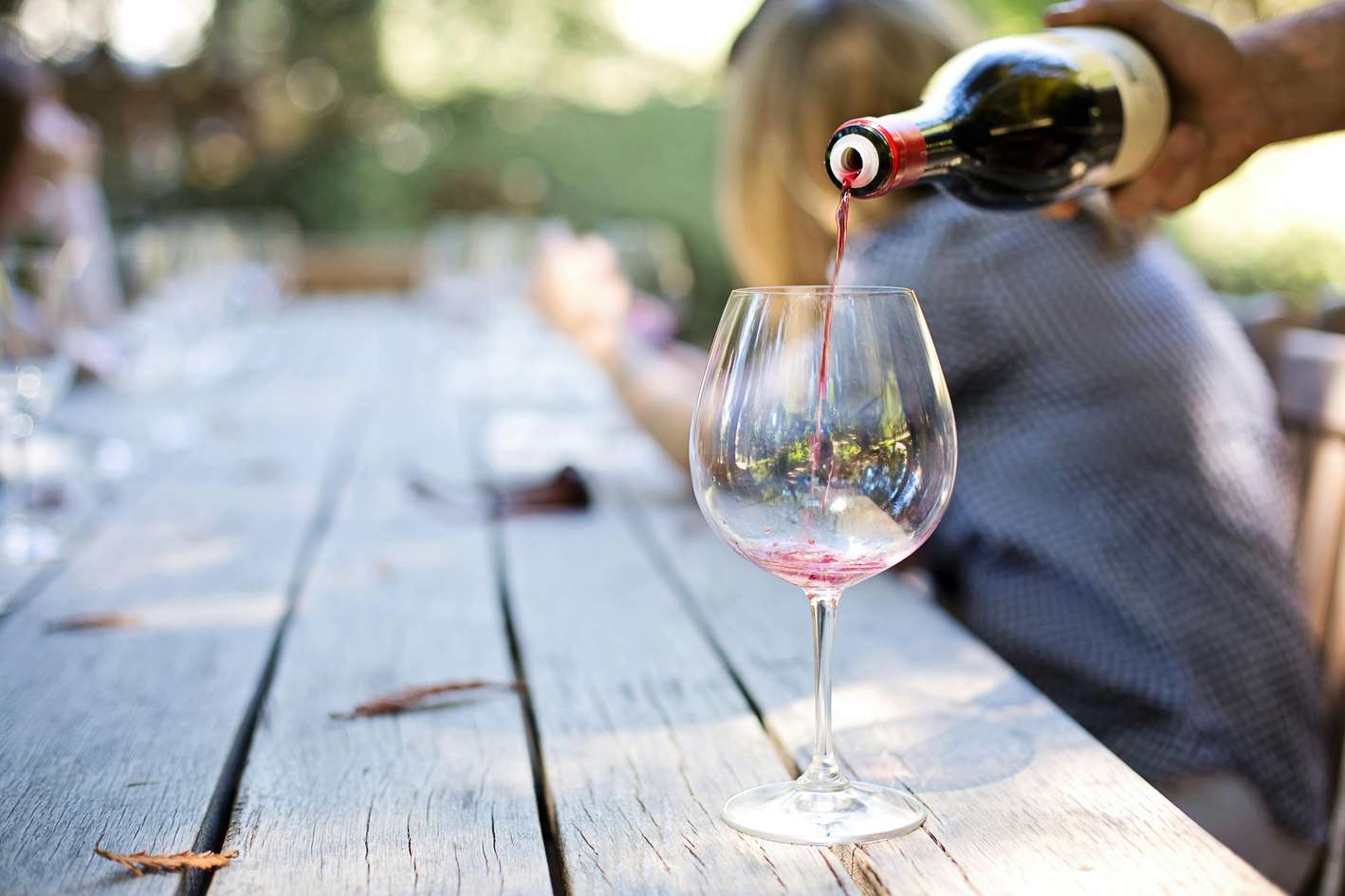
A well-built estate visit pairs the oil with the wines: red, white, port, sometimes vintage port, over cheese and local bread. It pays to check that the houses on your itinerary pour table wines as well as port, because the day loses balance when only dessert wine fills the glass.
Estate size matters here too. Large commercial quintas run high-volume visits for coach crowds. The small family places are where the day gets personal.
What nobody tells you
Some big tour-bus quintas only pour port
Ask for estates that bottle Douro DOC table wines too
The small family quintas bottle their own oil
The tasting happens across the table from a multi-generational owner
Olive oil is poured with the wines
On the good tours the oil comes out during the same estate visit as the wines
That is why it pays to read a tour's itinerary closely: when it names olive oil tastings beside the cellar visit, someone has already chosen the right houses.
Tour for this
Porto: Douro Valley Small-Group Tour, Lunch & Private Cruise4.8★ (196) · 10 hours · Hotel pickup · Free cancellation
When to go and how far ahead to book an olive oil and wine tour
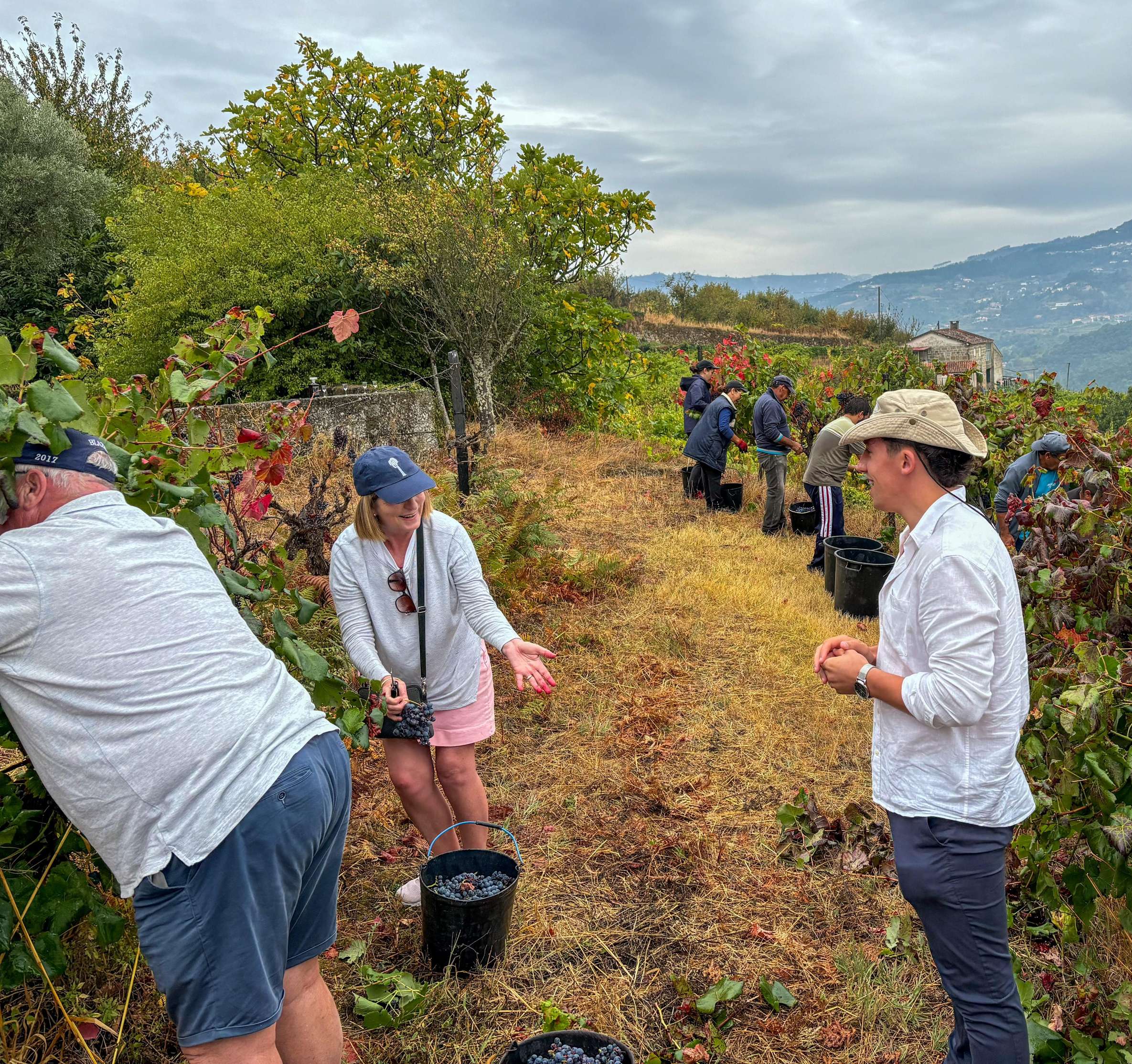
Harvest shapes the calendar. Grapes come off between the end of August and late October, the terraces turn copper and gold with them, and the picking starts low in the valley and finishes high.
Summer is a different country inland. The valley basin pushes past 35°C in July and August while Porto stays far cooler by the sea, but the aging cellars hold a steady 13 to 16°C, so a mid-afternoon tasting doubles as the coolest room of your day.
How busy it gets, month by month
April: 5 out of 5 for how busy it gets.
HighestMar to Jun, Sep, Nov
In betweenJul, Oct
LowestAug, Dec to Feb
Darker: a higher how busy it gets score, out of 5
Tap a month to read it.
The deep quiet runs December through February, when tastings move beside fireplaces and pruning fills the terraces. April to June draw the biggest crowds, with the harvest months close behind, and that is why the small-group seats go first.
Weekdays beat weekends clearly. Tuesday to Thursday bring the quietest tasting rooms and the fewest tour buses, while Saturdays and Sundays pull the heaviest Porto day-tripper crowds.
Douro Valley quinta crowding by day of the week
Sat: the busiest. Heaviest crowding across estates and viewpoints from Porto day-trippers.
Bar height: how busy each day is, from very quiet to the busiestThe busiest: Sat
Tap a day to read it.
Hold one wrinkle in mind when you eye a Monday: some boutique estates close or cut hours that day.
As for lead time, harvest-season departures on small-group tours fill at least a week out, and September seats on the most wanted ones are gone months in advance. Major houses stay open daily, closing only on December 25 and January 1.
Tour for this
Porto: Douro Valley Private Grand Experience - Private5.0★ (17) · 9 hours · Hotel pickup · Free cancellation
Choosing between a small-group and private olive oil and wine day
Shared tours cap at 7 to 8 people in a minivan, and that number does most of the work: small vans reach the hillside quintas a coach cannot, and the day keeps a pace that stays easy from the first pickup to the last.
Private trips trade cost for control. You set the pacing, pick the restaurants and shape the route with the guide. Door to door they run about 9 hours, with pickup between 8 am and 9 am and drop-off back in Porto by early evening.
Food needs travel better on either format than most people expect. Vegetarian, vegan and gluten-free lunches are available when you ask at booking, and some tours give you a straight choice of meat, fish or vegetarian menus at the table.
Small group, private or coach
Small-group van
Private excursion
Coach tour
Group size
Capped around 7 to 8
Your own party
Dozens on a bus
Meal setting
A fixed family restaurant or farm lunch
You choose the restaurants
A venue on the coach route
Pacing
The guide's, but nimble
Yours to set
The slowest passenger's
Suits
Couples and small parties
Groups wanting custom meals and routes
Travelers watching cost
Small-group van
Group size
Capped around 7 to 8
Meal setting
A fixed family restaurant or farm lunch
Pacing
The guide's, but nimble
Suits
Couples and small parties
Private excursion
Group size
Your own party
Meal setting
You choose the restaurants
Pacing
Yours to set
Suits
Groups wanting custom meals and routes
Coach tour
Group size
Dozens on a bus
Meal setting
A venue on the coach route
Pacing
The slowest passenger's
Suits
Travelers watching cost
The small-group formula has a good example in the Porto: Douro Valley Small-Group Tour, Lunch & Private Cruise. It keeps to eight guests, eats lunch at a family farm, pours ten wines across DOC, port, Moscatel and vintage styles, and runs a boat that is private to the group.
Tour for this
Douro Valley Premium Tour with Wine Tastings, Lunch & River Cruise4.8★ (855) · 9 hours · Hotel pickup · Free cancellation
The valley's best oil houses sit up on hillsides, well away from any platform. A guided van handles that: it climbs to the quintas, the viewpoints and the docks, while the Linha do Douro train drops you at Pinhão station, and the hillside quintas beyond it need a ride, with local taxis scarce.
The train still earns its keep for independents. It runs four to five times a day each way, takes about 2 hours 15 minutes, and hugs the river between Régua and Pinhão; the drive does it in about an hour and three quarters without traffic.
Several good estates sit within an easy walk of the station.
Tours meet in central Porto, most points within a ten-minute walk of the major hotels, several near São Bento station. One thing to hold on to once you're in the valley: ride-hailing apps look available there, but drivers routinely decline or cancel, so treat anything the app promises as decoration.
The workable fallback is the winery itself. Many estates keep local taxi numbers on hand and will call a car for you after the tasting. When you take a cab out to a vineyard, agree the return pickup with the driver before he drives off.
Tour for this
Porto: Douro Valley Private Tour with 2 Vineyards & River Cruise5.0★ (26) · 9 hours · Hotel pickup · Free cancellation
The motorway half is easy. The A4 runs from Porto to Peso da Régua in about 1 hour 15 minutes on smooth, tolled tarmac, and east of Amarante the tolls were dropped entirely on 1 January 2025. Rental cars in Portugal carry an electronic transponder that settles the booths for you.
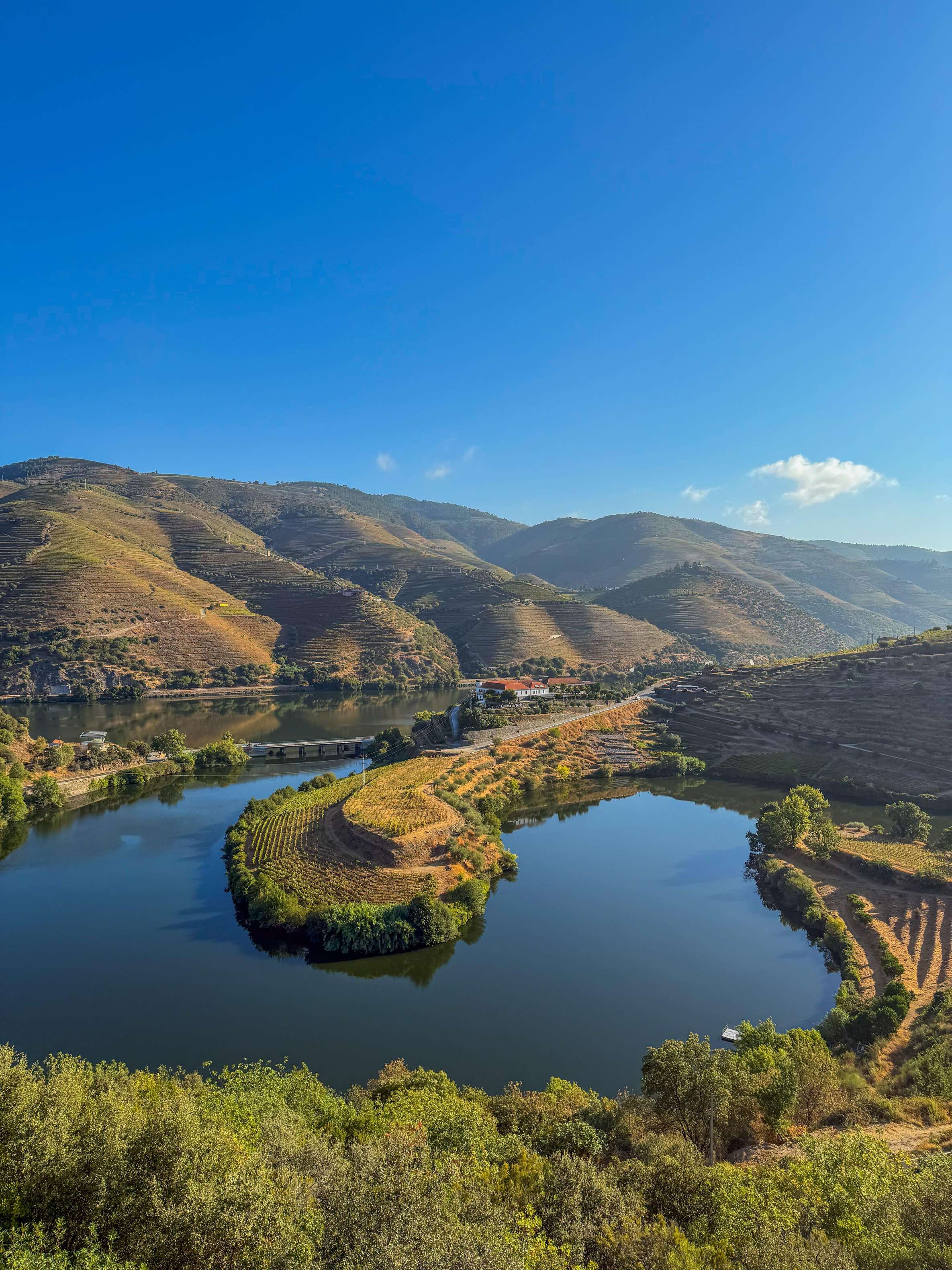
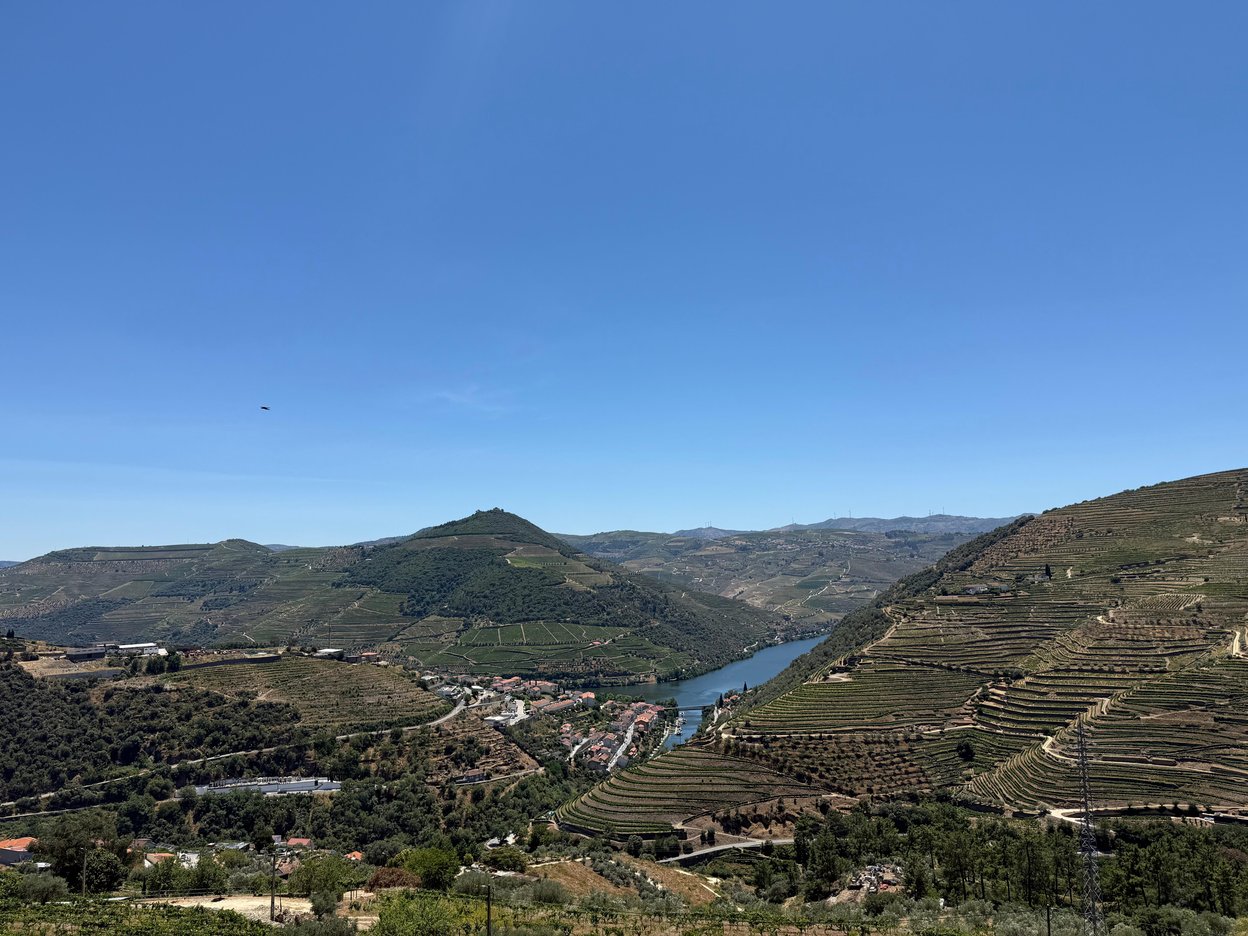
Régua to Pinhão is the road people remember: the N222 follows the south bank for 27 kilometers through 93 bends, a paved riverside drive with corners gentle enough to enjoy.
What the map will not tell you is that every hop between wineries runs slow, on narrow, climbing lanes where short distances take longer than they look.
Driving and Transit Routes from Porto to Douro Valley
To Pinhão
1From Porto130 km
CarEasiest
Fastest highway route with electronic tollsDirections →
The train rows in that route list matter for one kind of traveler: anyone prone to car sickness does better on the rail, which skips the switchbacks entirely, or on a tour where an experienced driver does the cornering.
Before you book the car, two things can stop pickup. Rental companies want a physical credit card in the driver's own name for the deposit, and licenses from outside the EU or UK, or written in a non-Latin script, generally need an International Driving Permit shown alongside the original.
Then there is the glass of wine. Portugal's limit is 0.5 g/l, and the Douro is an active enforcement area for breathalyzer checks. That is the quiet reason most visitors leave the driving to someone else.
Tour for this
From Porto: Douro Valley Private Tour w/ 3 Wineries & Lunch5.0★ (3) · 9.5 hours · Hotel pickup · Free cancellation
Footwear decides your comfort before anything else. The terraces are schist, slopes run past 30 degrees, and the gravel rolls underfoot, so closed-toe walking shoes with real grip earn their place in every season.
Dress for the season and the terrain. Summer days push past 35°C on exposed terraces, which wants light linen, a wide-brimmed hat and sunscreen. Spring and autumn sit milder but carry nine to thirteen wet days a month, so breathable layers and a light rain jacket cover both ends.
What to wear and bring by season
Mar to MayMild with spring sun and passing showers. Dress in breathable layers with a light sweater, windbreaker, and closed-toe walking shoes.
Jun to AugHot and dry with highs near 29°C. Wear light, breathable cotton or linen, closed-toe shoes with grip, a wide-brim hat, and sunscreen.
Sep to NovHarvest warmth giving way to cooler, rainy days. Wear breathable layers, a water-resistant jacket, and sturdy shoes with solid grip.
Dec to FebChilly and damp with daytime highs near 9°C to 11°C. Wear warm wool layers, a waterproof coat, and non-slip waterproof walking boots.
Winter is the dampest of the four: daytime highs near 10°C, wet stone underfoot, and warm layers with waterproof boots that grip. The manors and cellars stay cool inside all year, whatever the month.
Two details people learn the hard way. Olive oil bottles fly home in checked luggage only, since cabin rules bar liquids over 100 ml, while wine bottles travel fine in the hold. And most one-hour boats from Pinhão carry no restroom, so go before boarding.
Tipping closes the day: hand folded euro cash to the guide at the end, straight into the hand rather than a tray at the tasting counter, and where driver and guide are separate, each gets their own. Some tours also ask for a passport or ID card at check-in.
Rain is the mildest case. Tastings move indoors, estate visits carry on under winery roofs, and boats run covered or enclosed, so the day keeps its shape. Operators swap the cruise for another activity only when conditions make it unsafe.
The river can override everyone. Heavy rain and dam discharges raise the water fast, flooded quays and unsafe flows bring navigation bans from the river authority, and in those cases the boat trip is cancelled or replaced with an alternative.
When the day goes sideways
If this happens
What happens then
Heavy rain
Tastings move indoors and the boat runs covered; the cruise can be swapped for another activity
Flooded river or a navigation ban
The boat trip is cancelled or replaced with an alternative
Missed the morning departure by minutes
Some tours wait only 5 minutes past the scheduled start before leaving
Changed your mind a day ahead
Cancel up to 24 hours before for a full refund
Heat, for the record, cancels nothing. July and August afternoons that climb to 40°C still run their tours, and the boats sail as planned; the tasting rooms you retreat to stay naturally cool.
The clock is the thing to respect. A 5-minute grace window at the pickup point leaves no slack for a slow morning, so treat the meeting time as a hard deadline and be standing there ten minutes early.
What fills the hours around your olive oil tasting
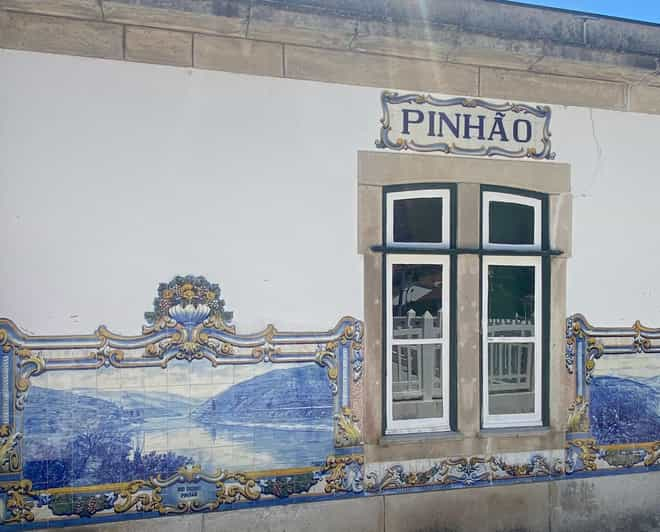
Pinhão's railway station is the free masterclass. Its 24 blue-and-white azulejo panels, installed in 1937, show the whole working valley: women carrying grape baskets down the terraces, men treading must in stone lagares, rabelo boats hauling wine casks under sail.
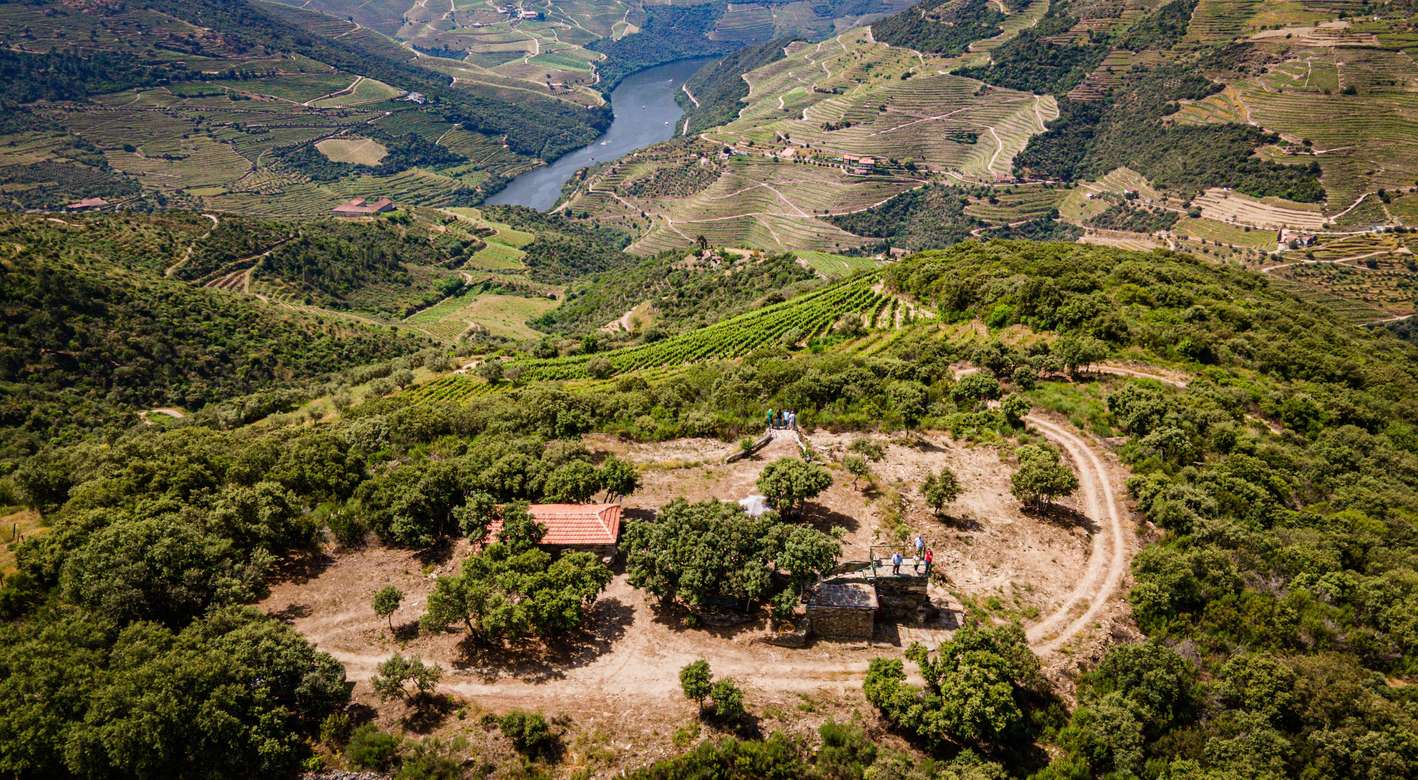
Ten minutes uphill by car, the Casal de Loivos viewpoint looks straight down on the river bend, and the mountain road onward to Sabrosa runs through heritage wine villages like Provesende, with its manor houses and Baroque fountain. Régua adds a riverside pedestrian bridge and viewpoints of its own.
The walkable ring around Pinhão's waterfront covers most of that: the docks, the tiled station, a playground for the kids and a viewpoint over the terraces, nearly all of it inside fifteen minutes on foot.
Back in Porto, the day has an easy sequel in the wine bars that pour Douro and port by the glass. One inside the Time Out Market by São Bento dedicates its list entirely to the region.
For dinner in the valley itself, the estate restaurants on the Quinta Nova terraces and chef Rui Paula's DOC on the riverfront along the N222 turn the evening into another vineyard view.
A full day from Porto delivers a real olive oil and wine immersion if the tour pours the oil at the estate table beside the wines.
Book a quiet weekday, leave by 8:30 am, say at booking what you eat, and save room in the checked bag. Do that and the hours on the road become the small part of the story you tell.
Go ifYou have two or more days in Porto and want the valley's oil and wine at the same tableYou're visiting in late autumn or winter and want the presses actually workingYou can book a Tuesday to Thursday departure a week or more ahead
Skip ifPorto has you for only one dayYou need step-free access; historic manors and cellars involve stairs and uneven groundYou want to watch milling in July, when the presses stand silent until late autumn
Our pick to book
Douro Valley: Wine & Olive Oil Tour with Boat & Lunch5.0★ (85) · 8 hours · Hotel pickup · Free cancellation
Questions about olive oil and wine tours in the Douro Valley
Straight answers about the oil tastings, the mills, the lunches and the road from Porto, before you pick a day.
Lamego2026
The estate poured its oil with its own reds, bread on the side. Come in late autumn and you can watch the press run.
Do Douro tours really give olive oil its own tasting, or is it just bread and a dip?
Proper estate tastings go well past the bread dip. Small quintas pour their own extra virgin oils alongside their wines, and several full-day itineraries add honey and almonds to the table.
Can I watch olives being pressed at a working mill?
Tour itineraries include an artisanal olive oil mill or a museum set up in one. Milling happens only in late autumn and winter, so a summer visit shows you the machinery at rest rather than running.
When is the Douro olive harvest?
Olives are pressed exclusively in late autumn and winter, which is when the mills run. Book in those months if you want to see the press working; the rest of the year, the estates pour the finished oil instead.
What wines come with an olive oil tasting?
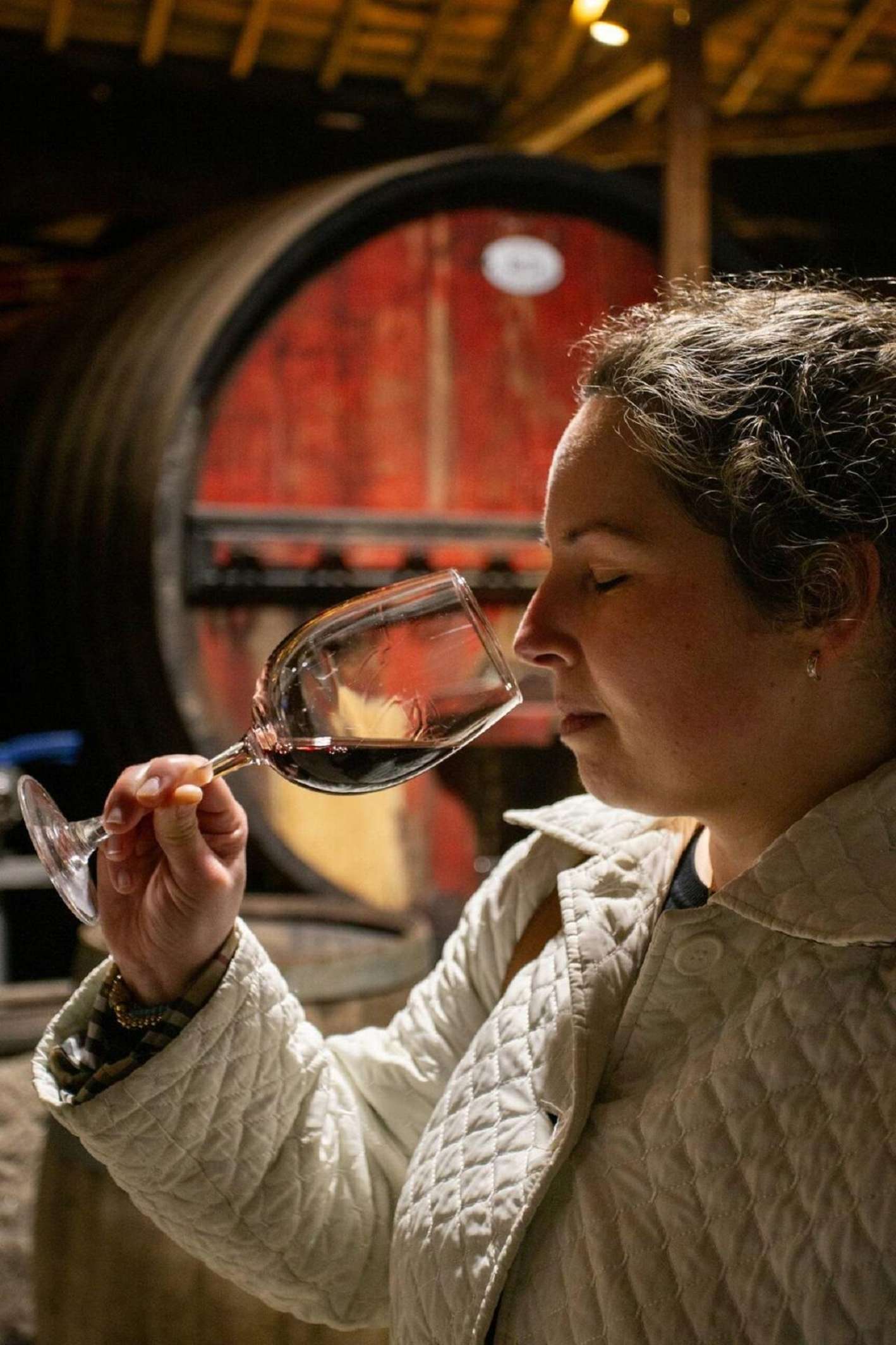
Estate tastings pair the oil with Douro reds and whites, Port, and sometimes vintage Port. At one quinta, extra virgin organic oil from the property is poured beside the estate's own Douro and Port wines.
How much of the day goes to driving?
The van trip from Porto takes 1.5 to 2 hours each way. A full day divides the rest between 2 to 2.5 hours across two estates, a 1.5 to 2 hour lunch, and a 50 to 60 minute river cruise, with oil tastings folded into the winery visits.
Is a boat cruise worth it on a food and oil day?
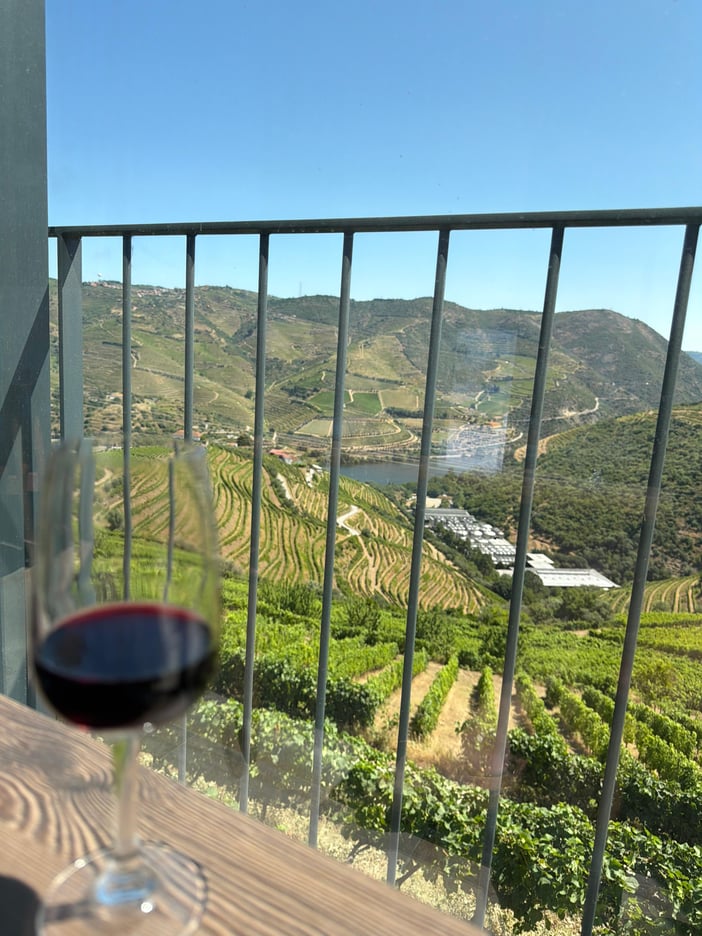
Yes. An hour on the river gives you water-level views of the terraced vineyards, often with a glass of Port or sparkling wine in hand.
Will dietary needs be handled at an estate lunch?
Lunches are sit-down regional meals, and vegetarian, vegan and gluten-free options are available when you ask in advance. Some tours let you choose between meat, fish and vegetarian menus when booking.
What sort of food shows up at the lunch?
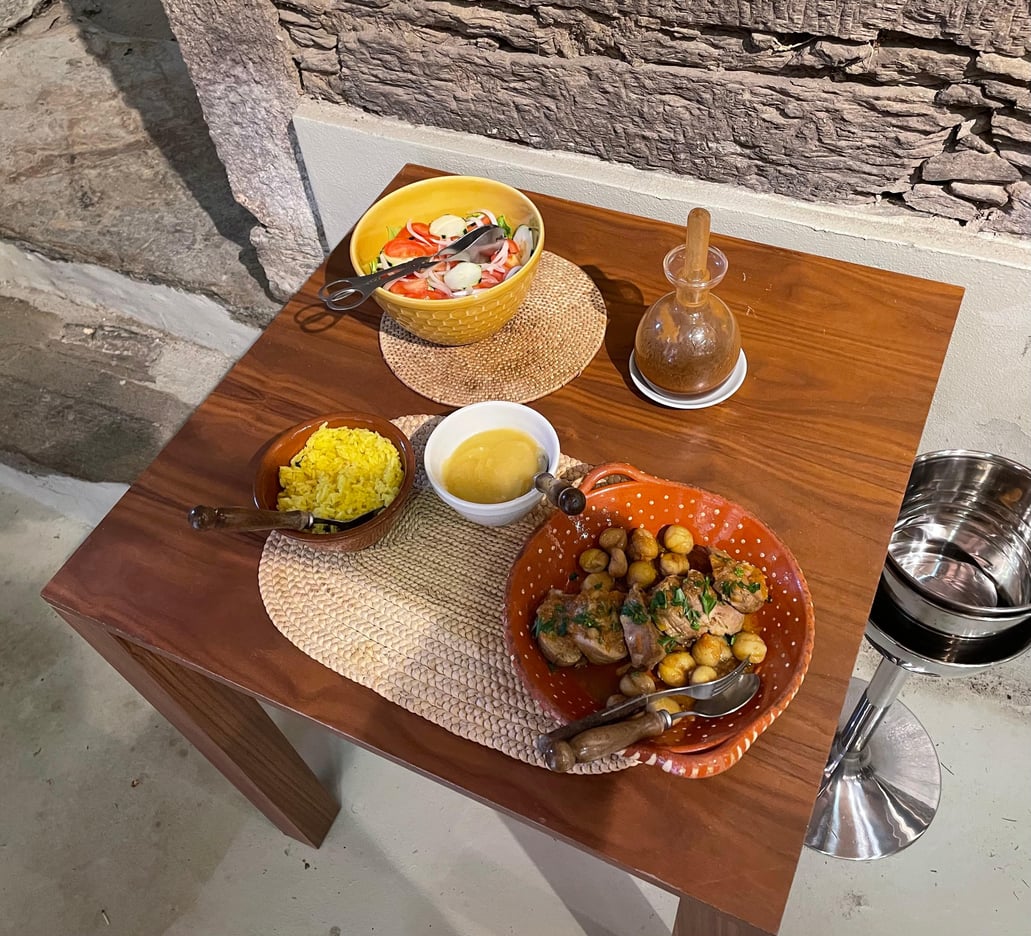
Estate tables serve traditional multi-course regional dishes. At harvest time, one quinta's lunch carries bean rice, feijoada, kid goat or ribs, with the house wines alongside.
Can I take olive oil home in my suitcase?
Bottles over 100 ml cannot go in your cabin bag, so pack oil in checked luggage; wine is allowed in checked bags too. Many wineries can also ship purchases overseas.
Small group or private, which suits a food and olive oil tour?
Shared culinary tours cap at about 7 to 8 people in a minivan, which keeps the pace relaxed and the producers within talking distance. A private day lets you set the meal, the pacing and the stops.
Do the winding roads make the drive uncomfortable?
The scenic stretch between Peso da Régua and Pinhão covers 27 km and 93 bends, but the corners run gentle and the surface is fully paved. Drivers take the curves slowly, and children prone to car sickness do better with remedies and a rest stop.
Where do the tours pick up in Porto?
Meeting points cluster in central Porto, around São Bento station and Trindade metro, within a ten-minute walk of most hotels. Every tour featured here includes hotel pickup, so start with that option when you book.
Two family estates, an artisanal olive oil tasting and a Rabelo boat cruise in one day, with hotel pickup and free cancellation up to 24 hours in advance.


 Your best match