
 Our top pick
Porto: Douro Valley Full-Day Boat, Train, and Lunch Tour
Shared minivanGuideBoat Tour
From$137 /person
See dates and book Free cancellation
Skip the rental car and the train timetable. Reach the Douro Valley relaxed, taste Port and Douro DOC wines with no designated driver, and let a minivan, a riverside lunch, and a rabelo boat cruise from Pinhão do the planning for you. Book the day trip from Porto that handles every road and connection.
“Rita was perfect for our big family, as was our driver! Beautiful excursion to soak in this stunning region, with land and river views. Great for kids and adults.”
These day tours start in Porto and hand the whole journey to a driver: the road out, the wineries, the river cruise and the road back. Most run 9 to 10 hours door to door, and one swaps the van for a train and boat leg.
Our top pick



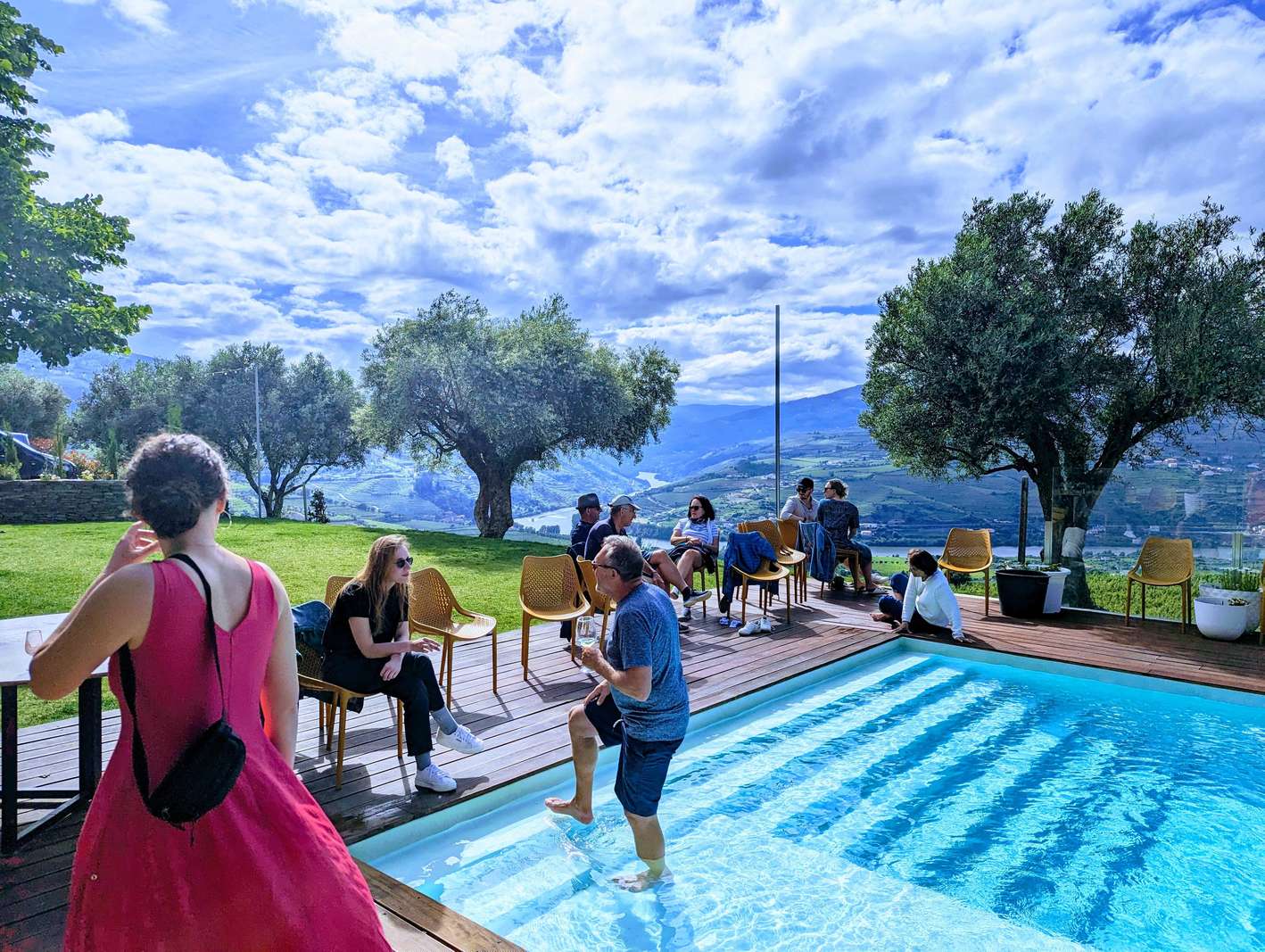
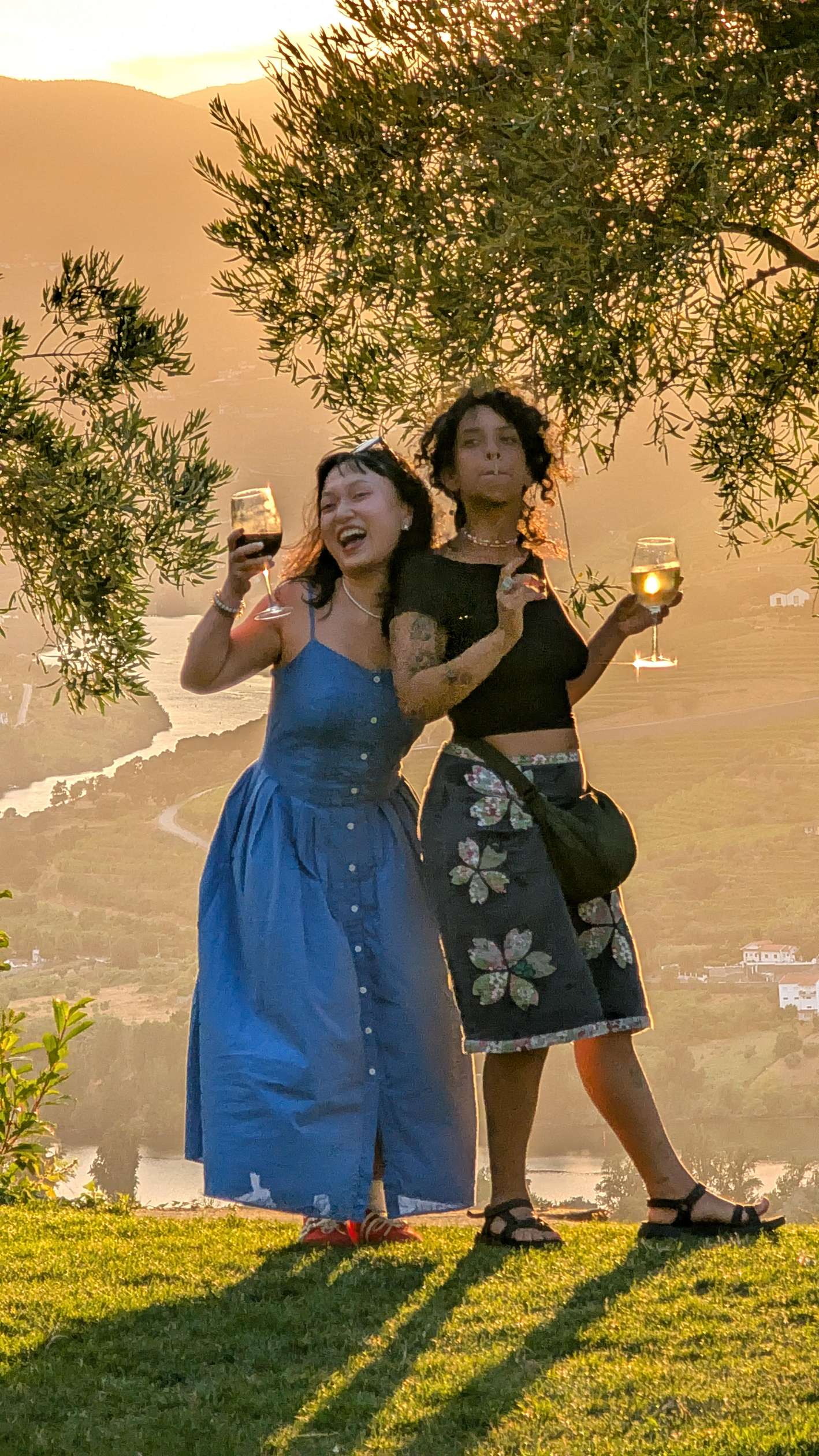
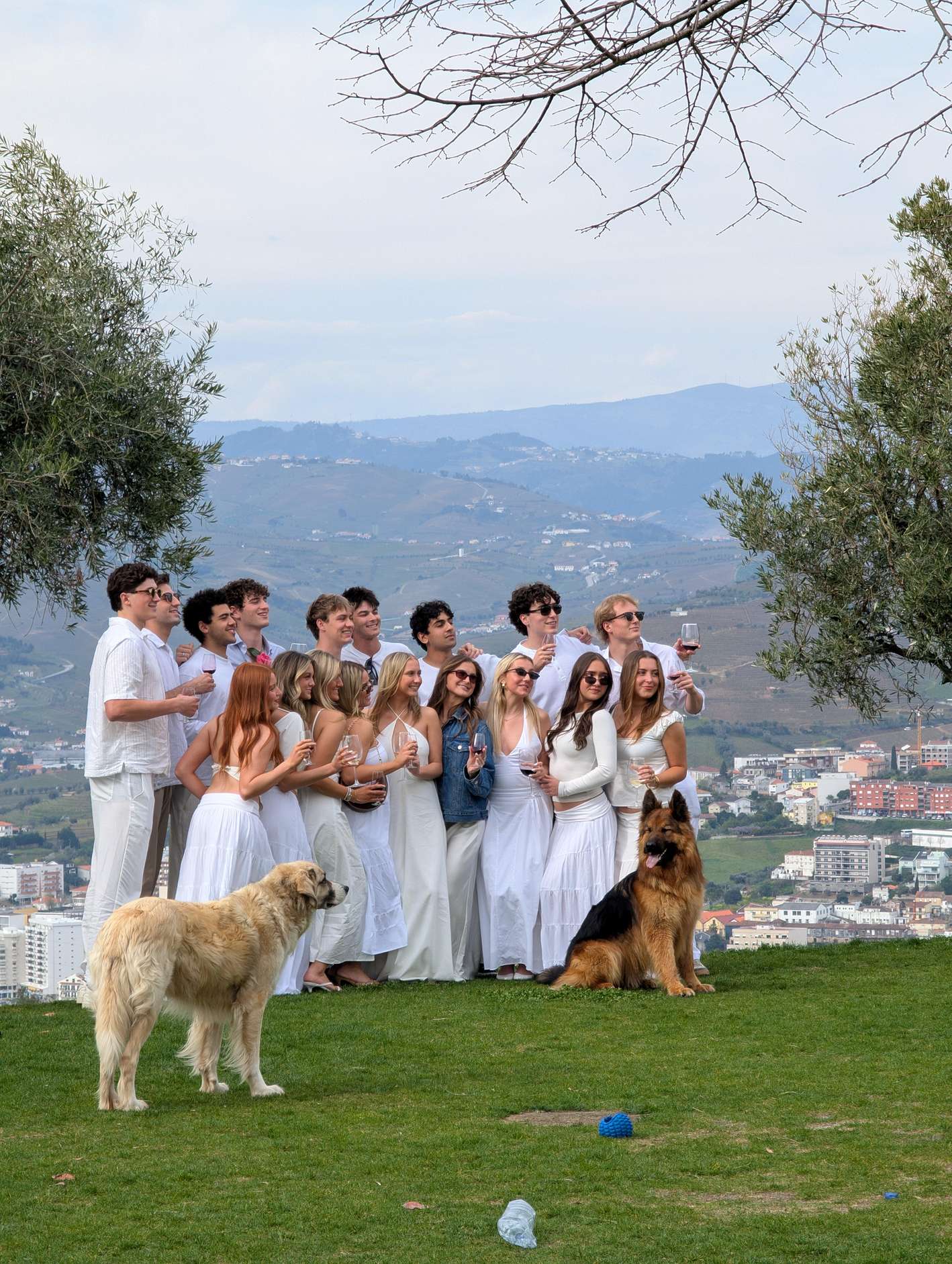
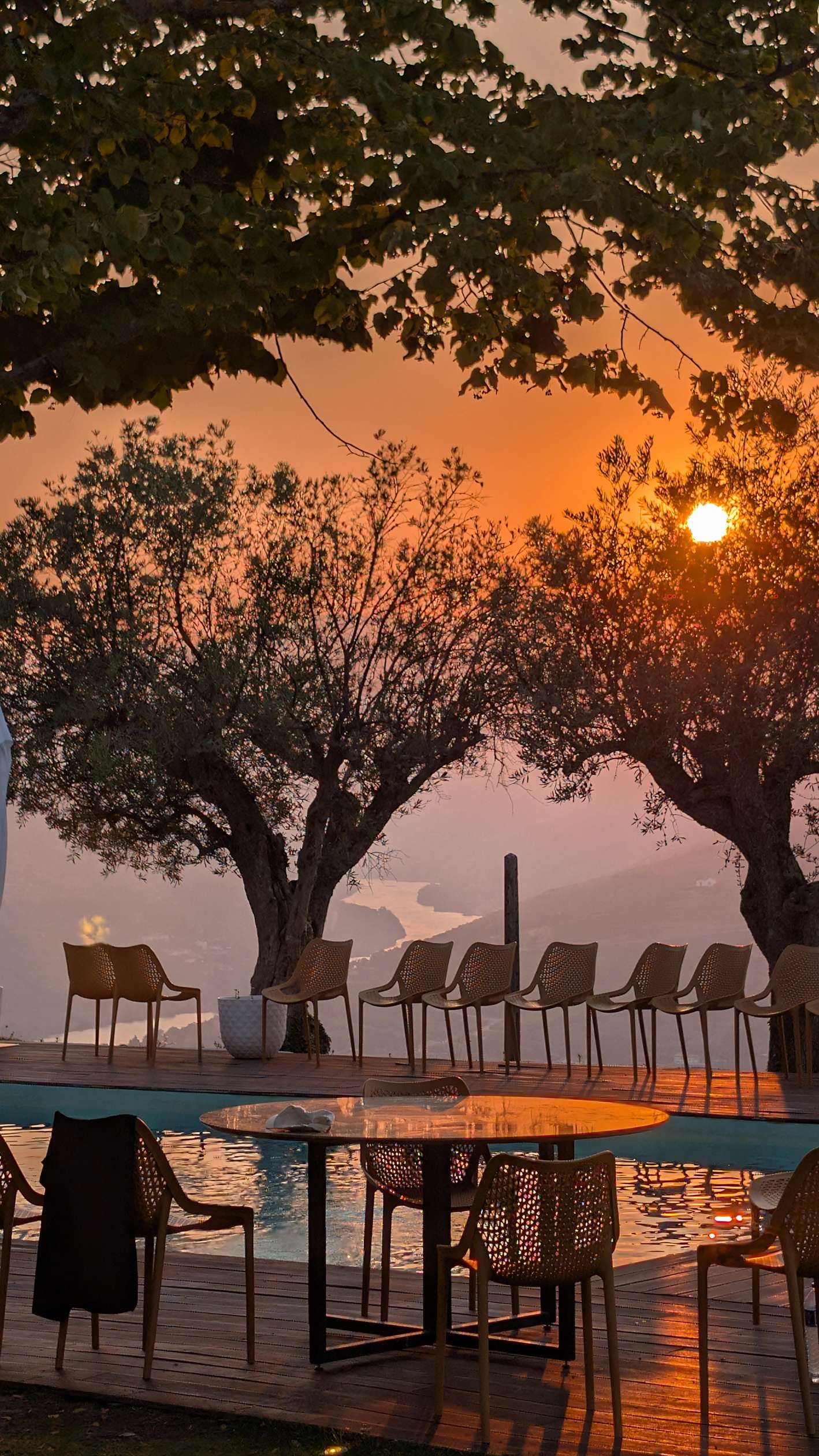







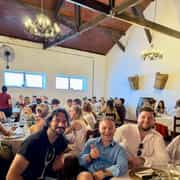
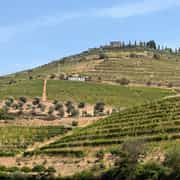
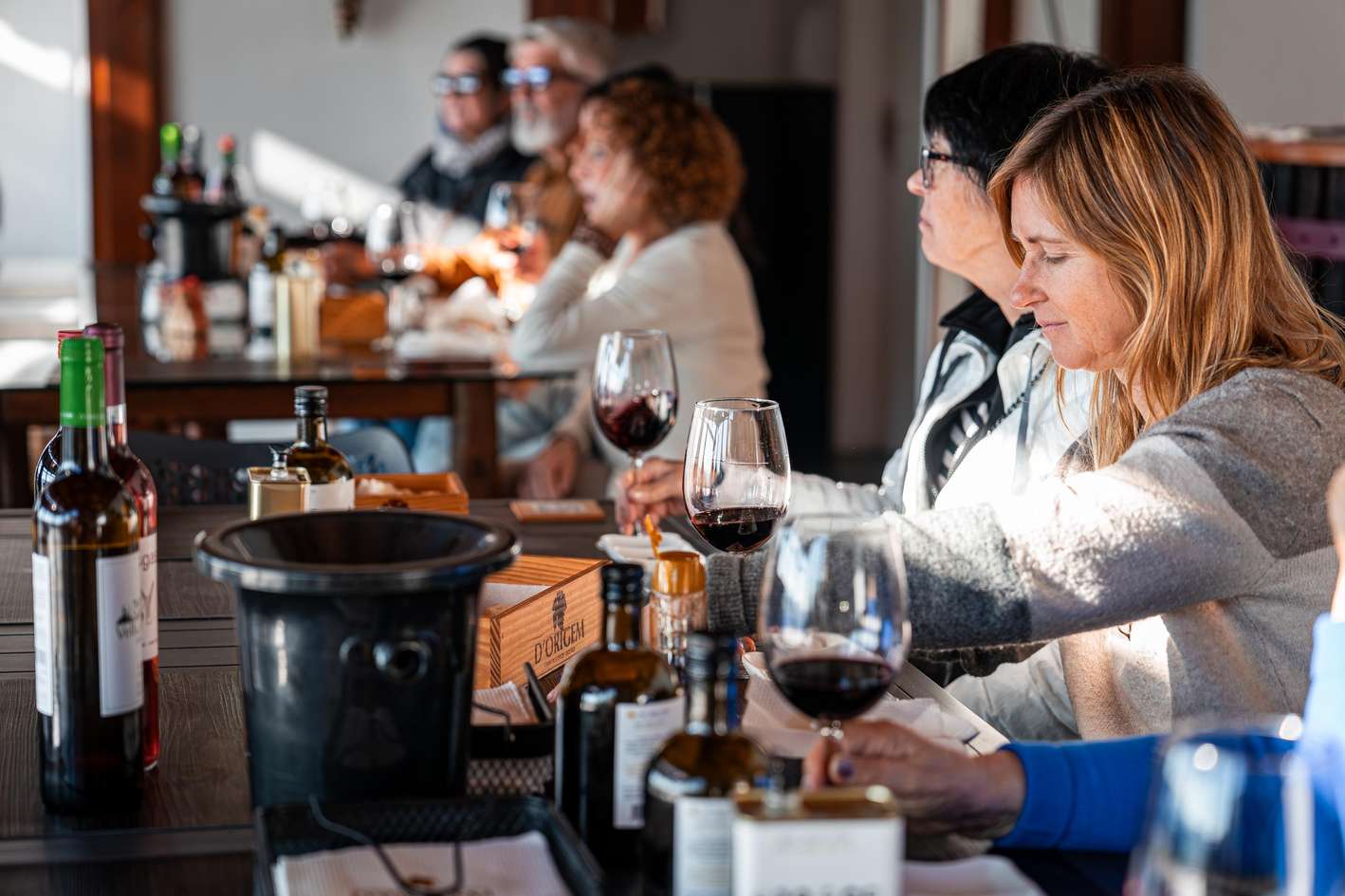
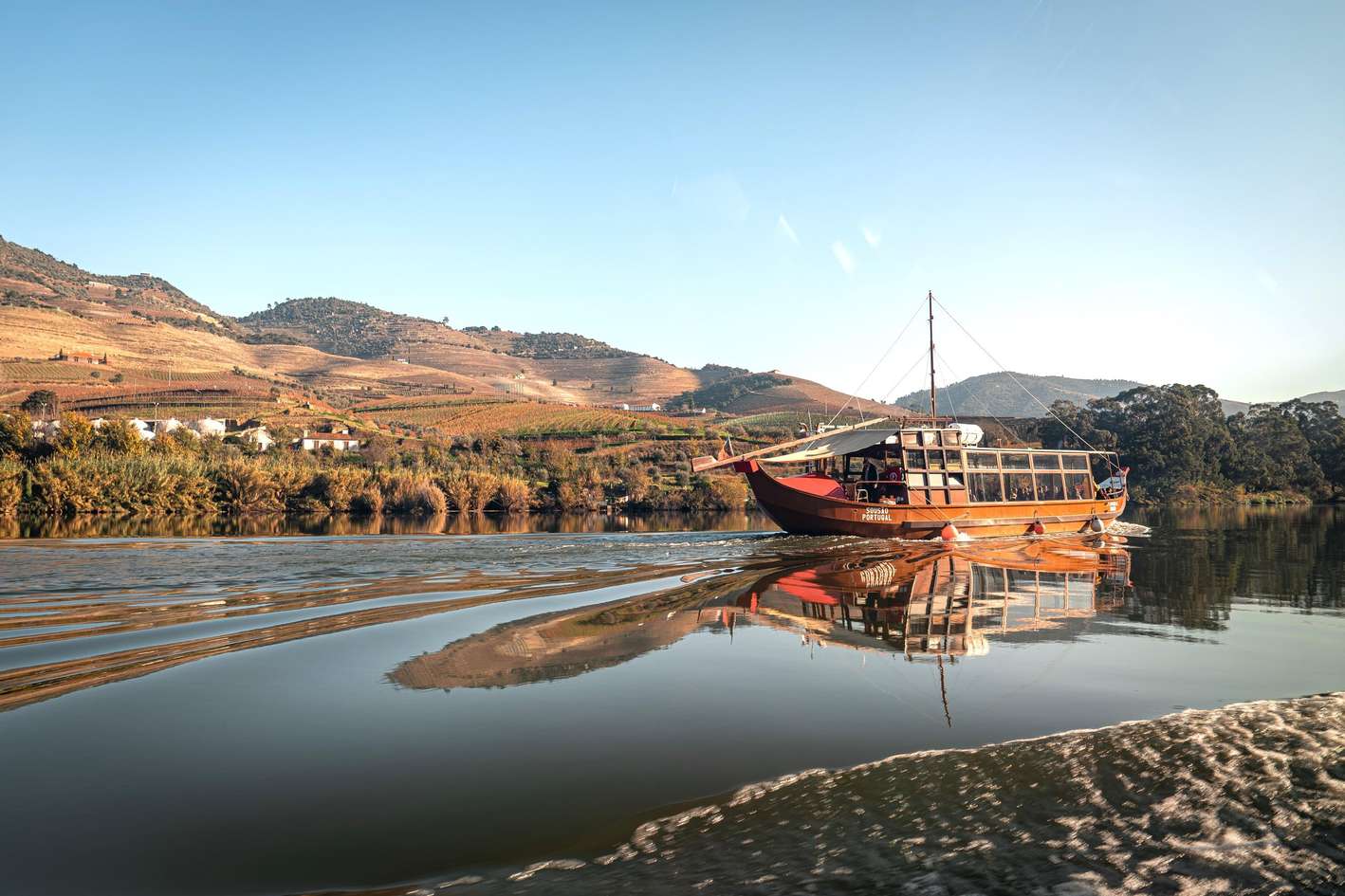
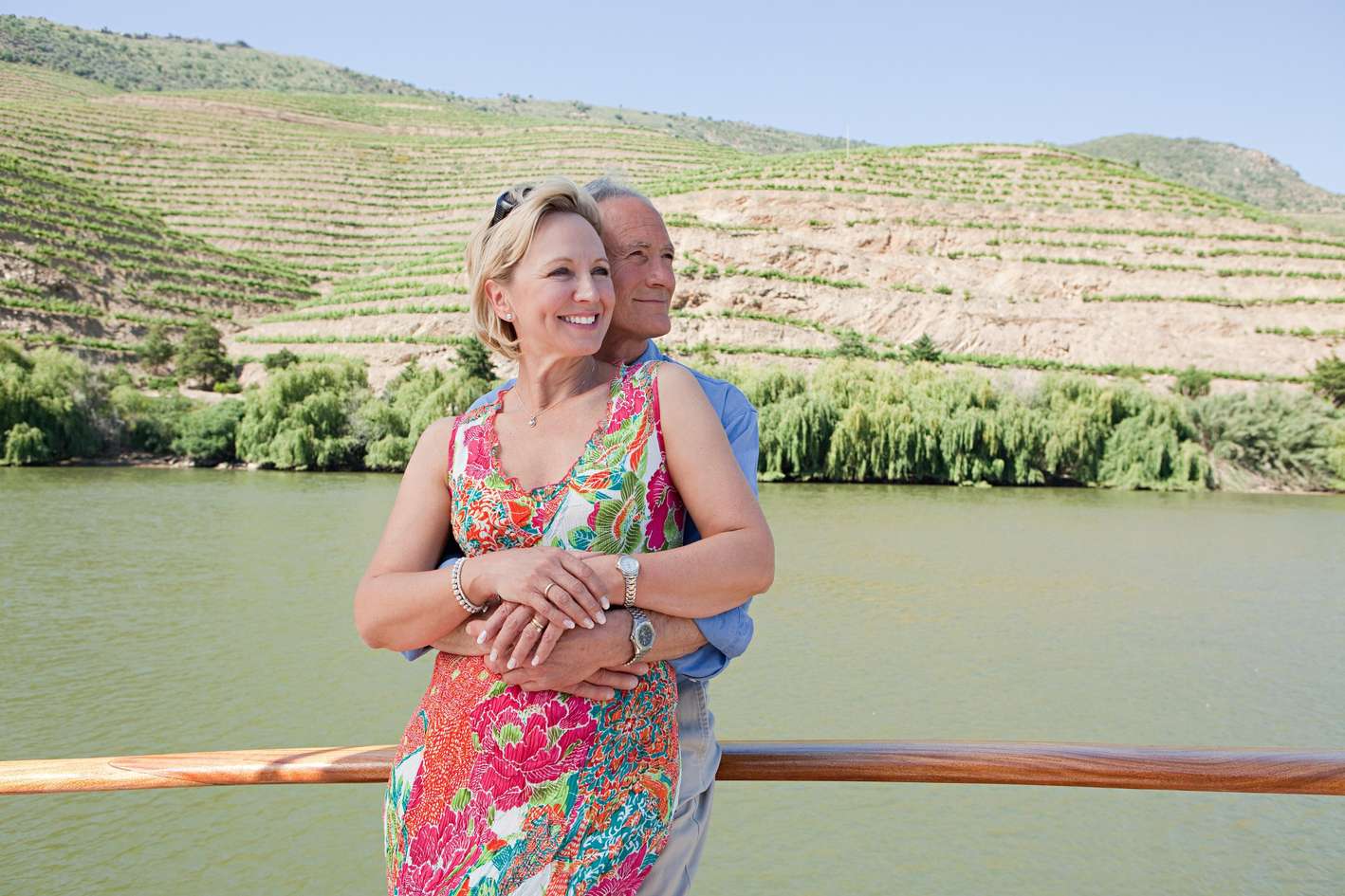
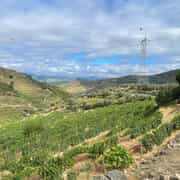
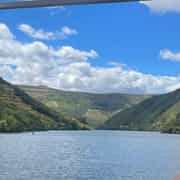
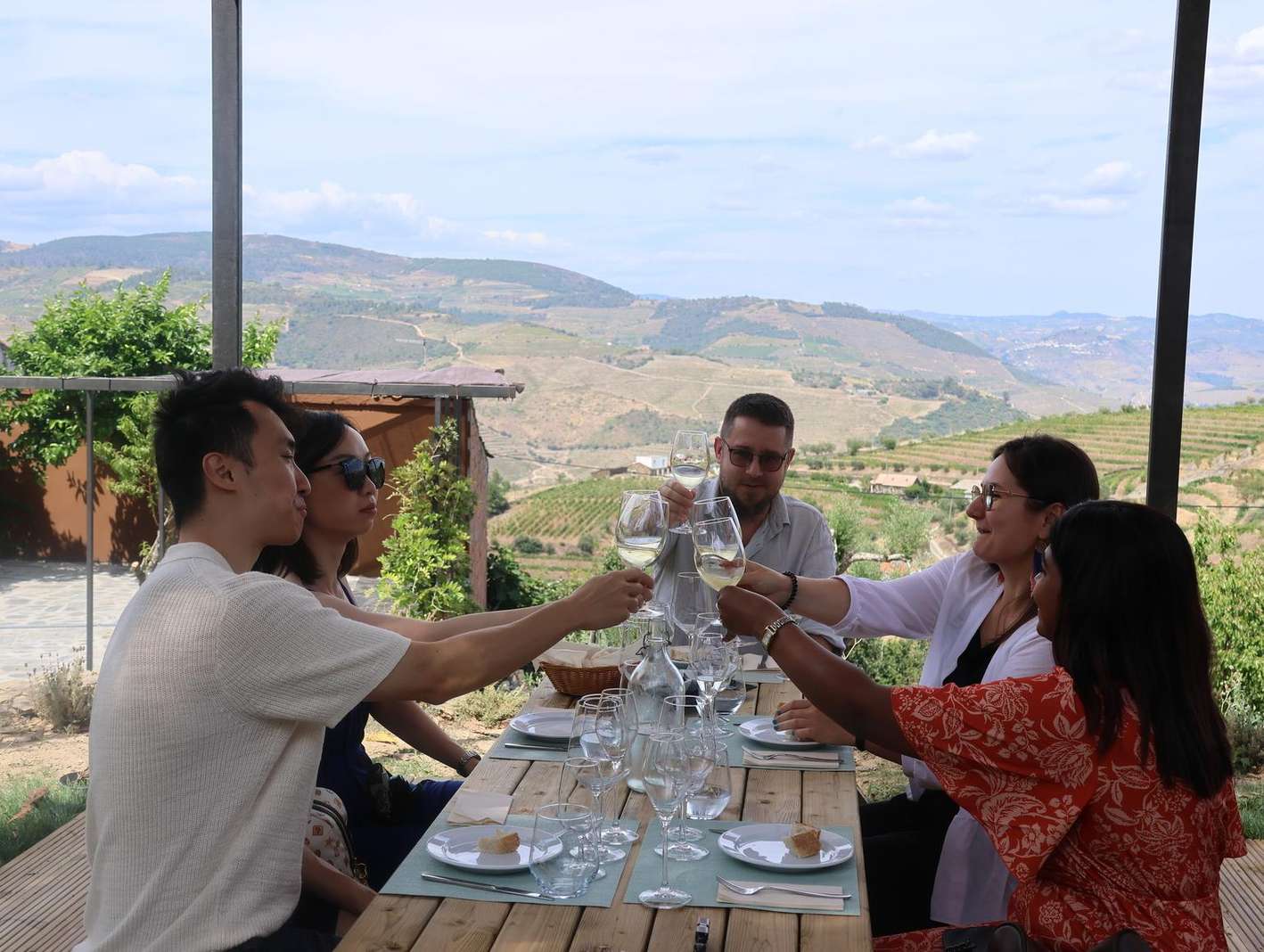
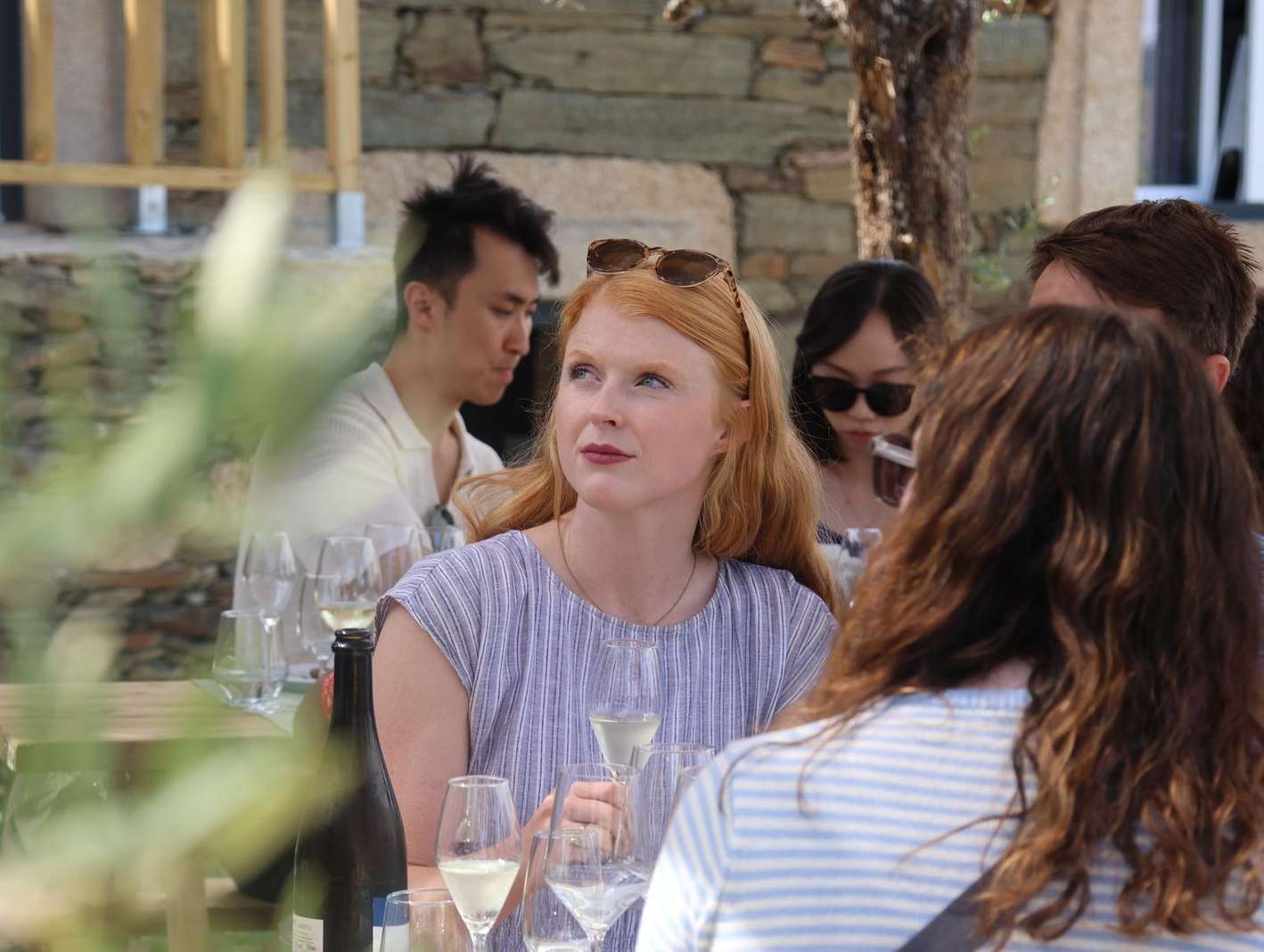
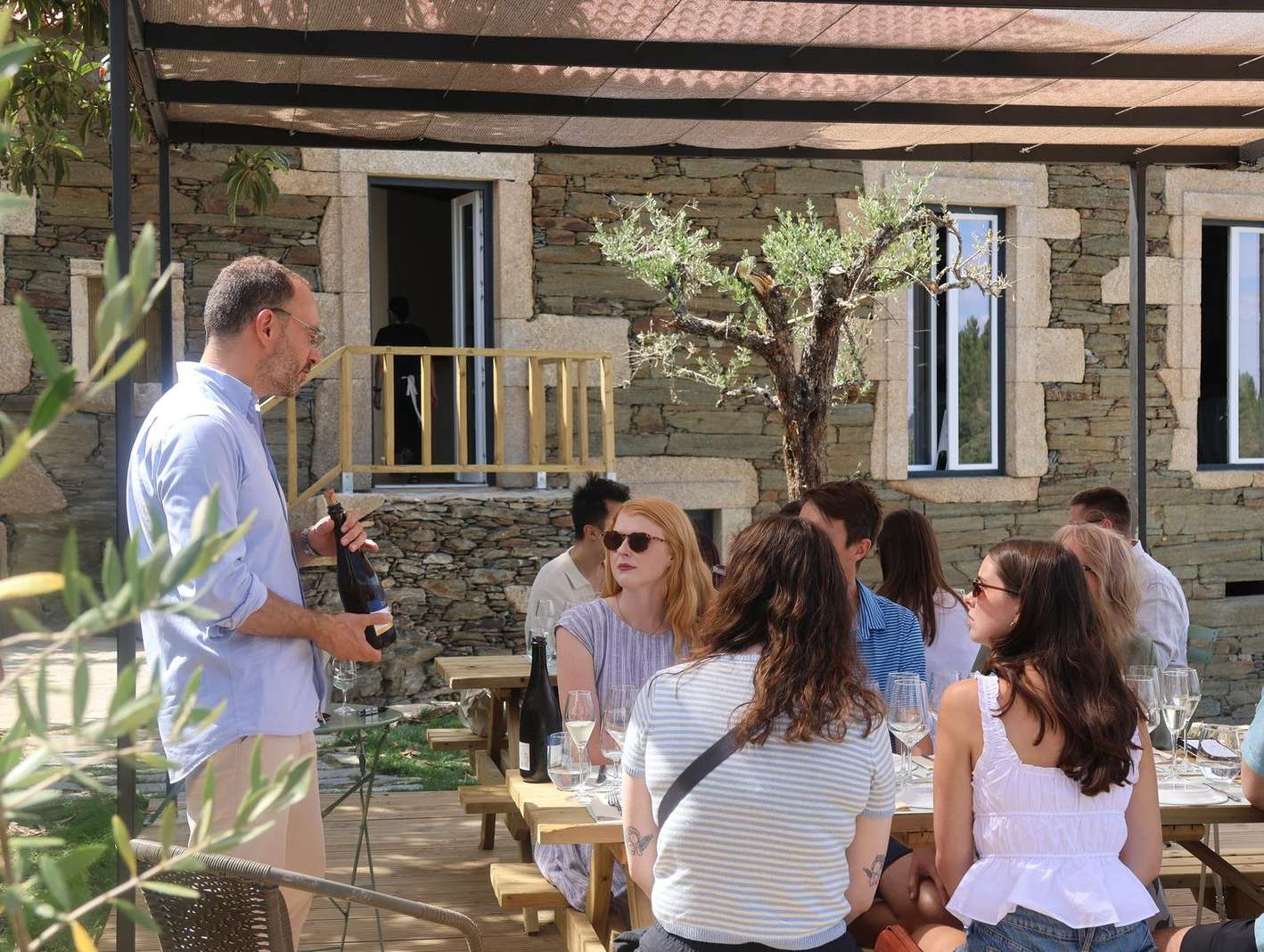
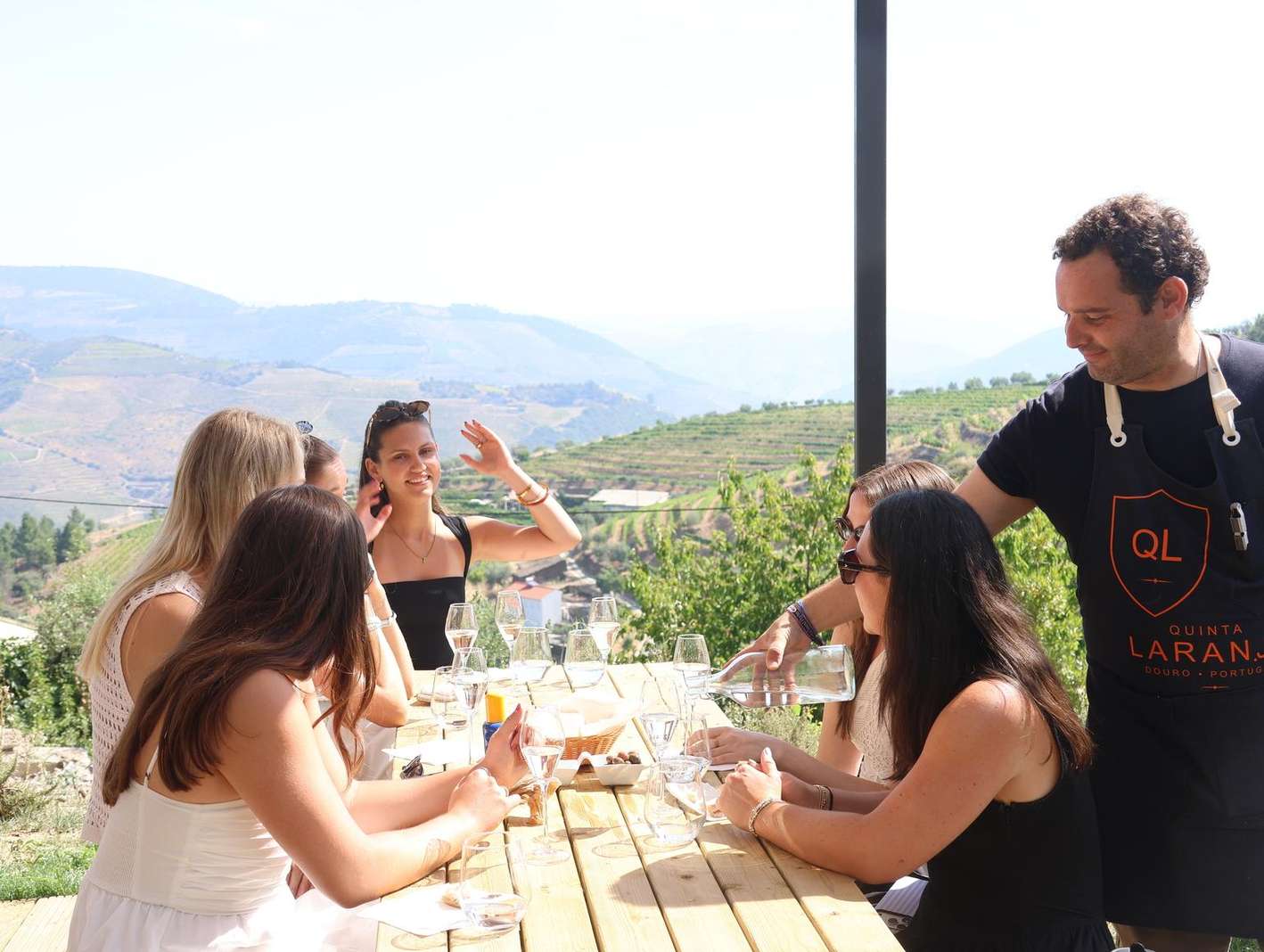
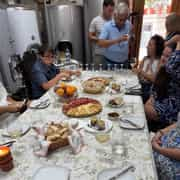

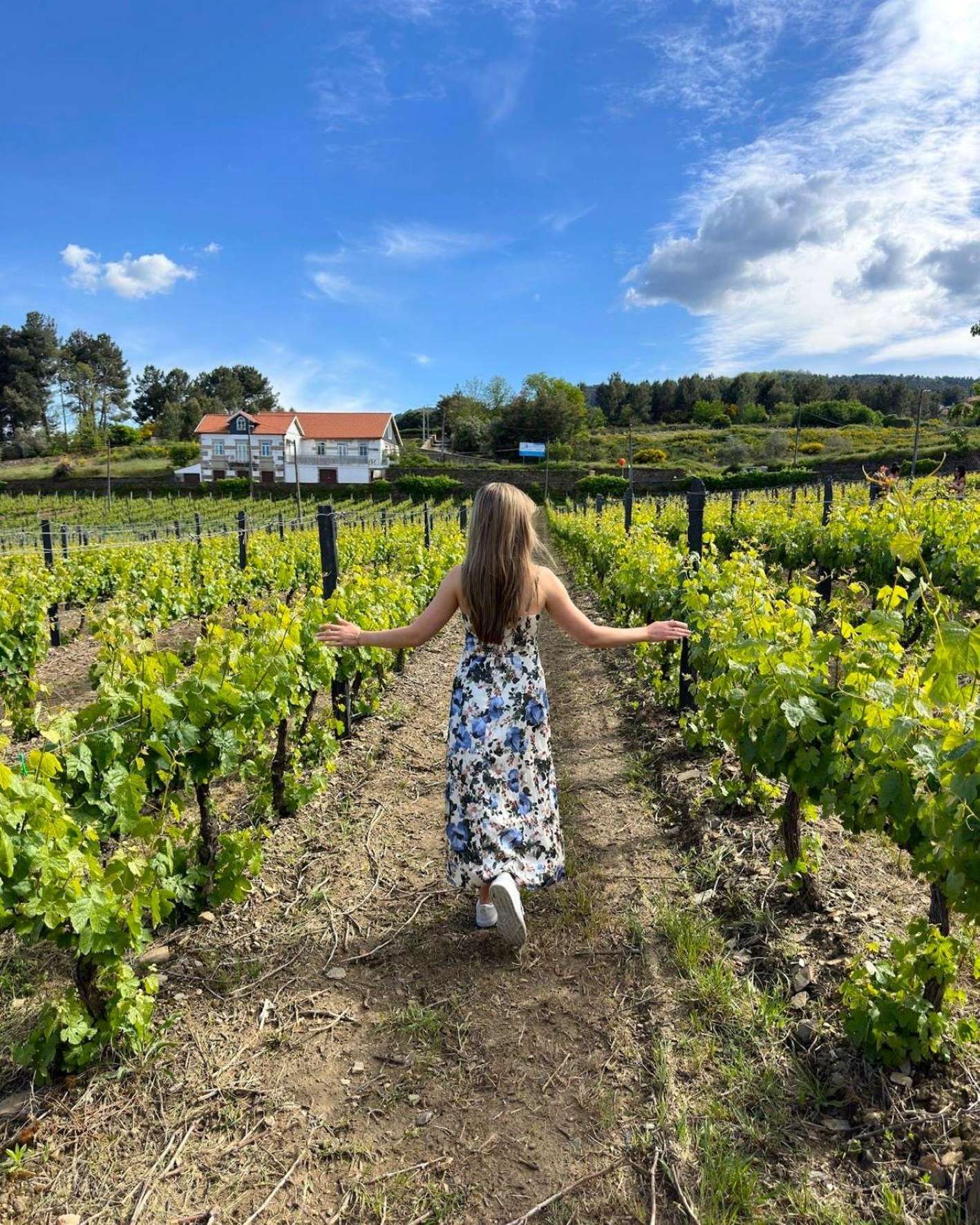
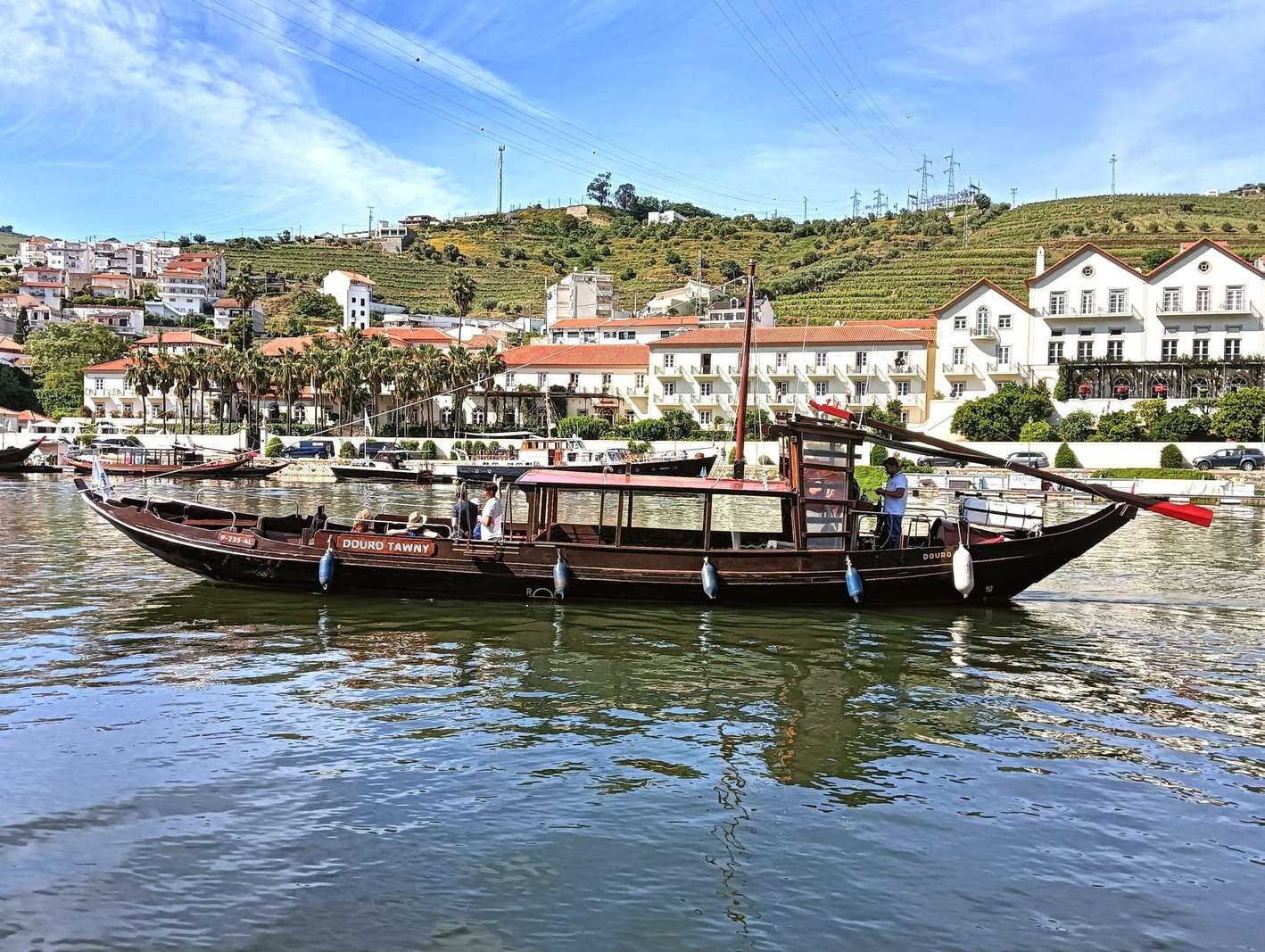
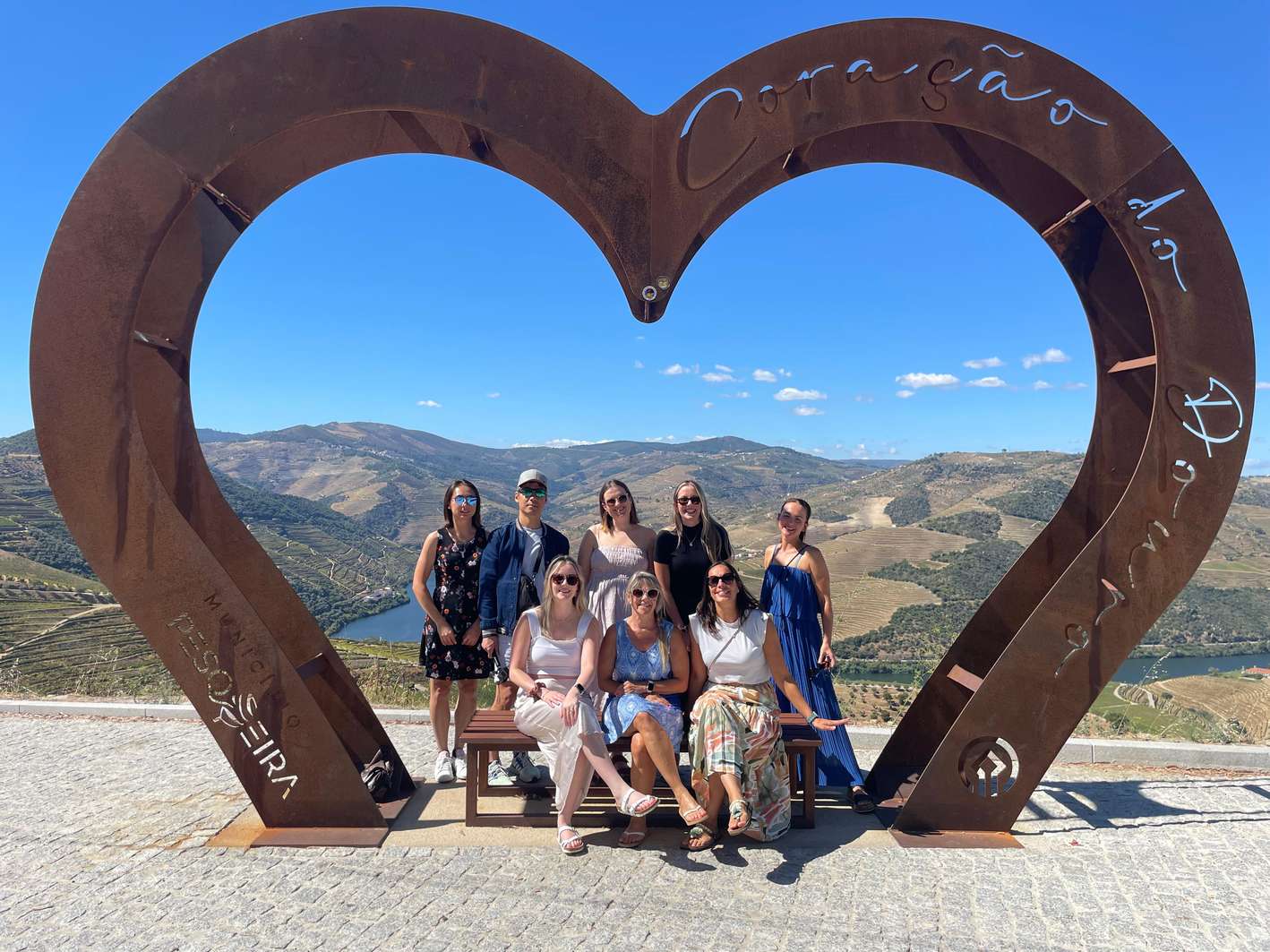
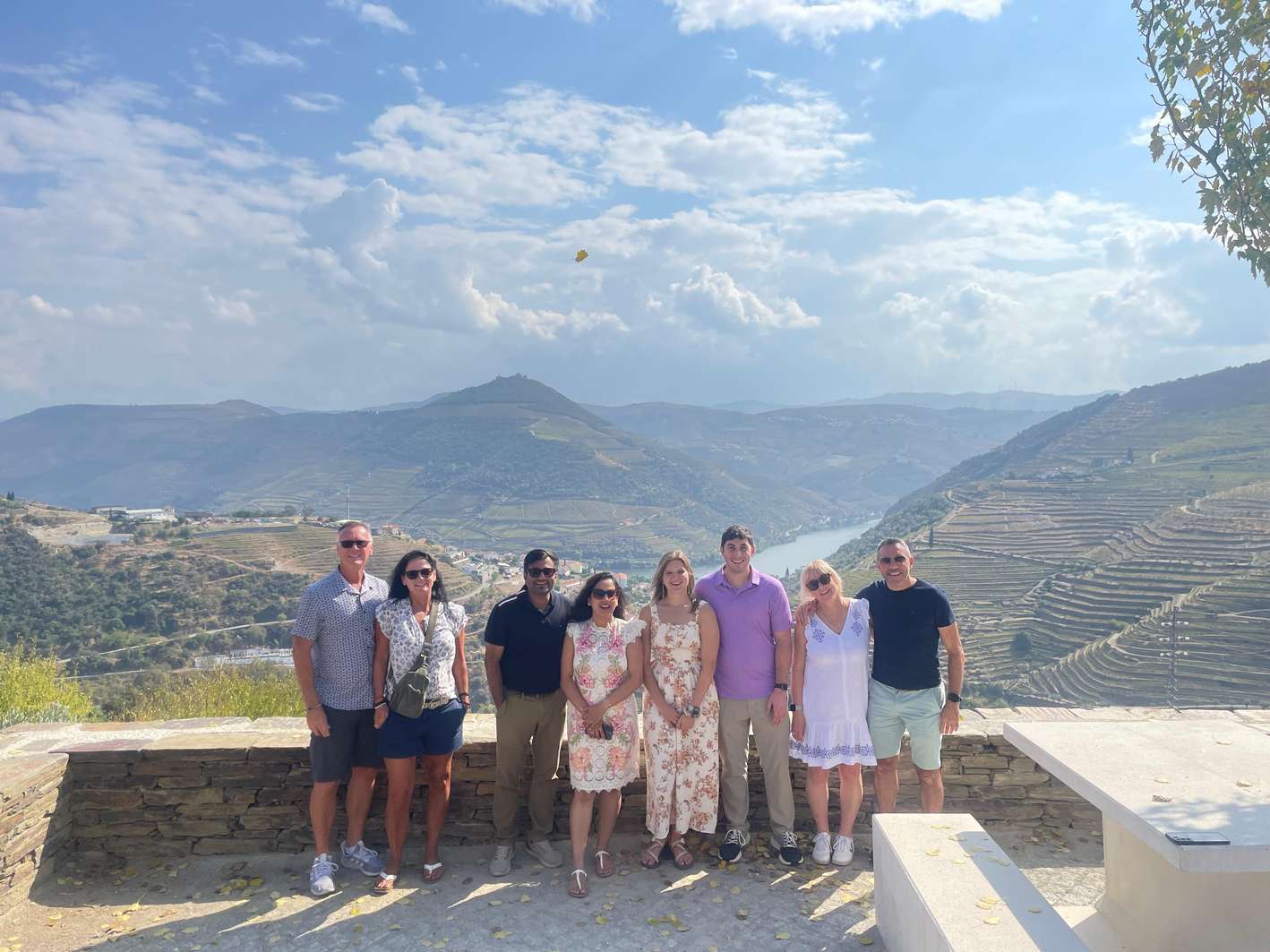
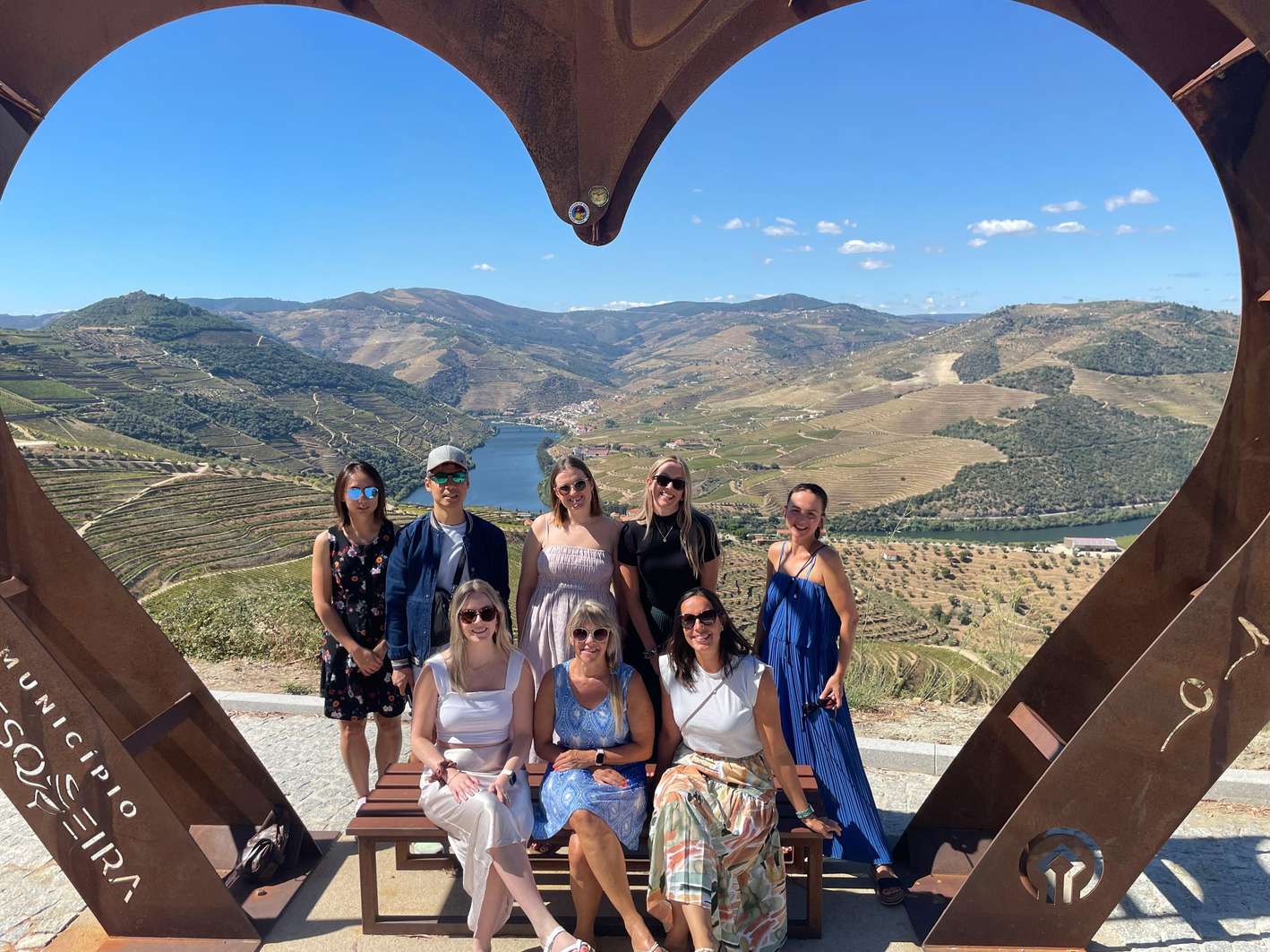
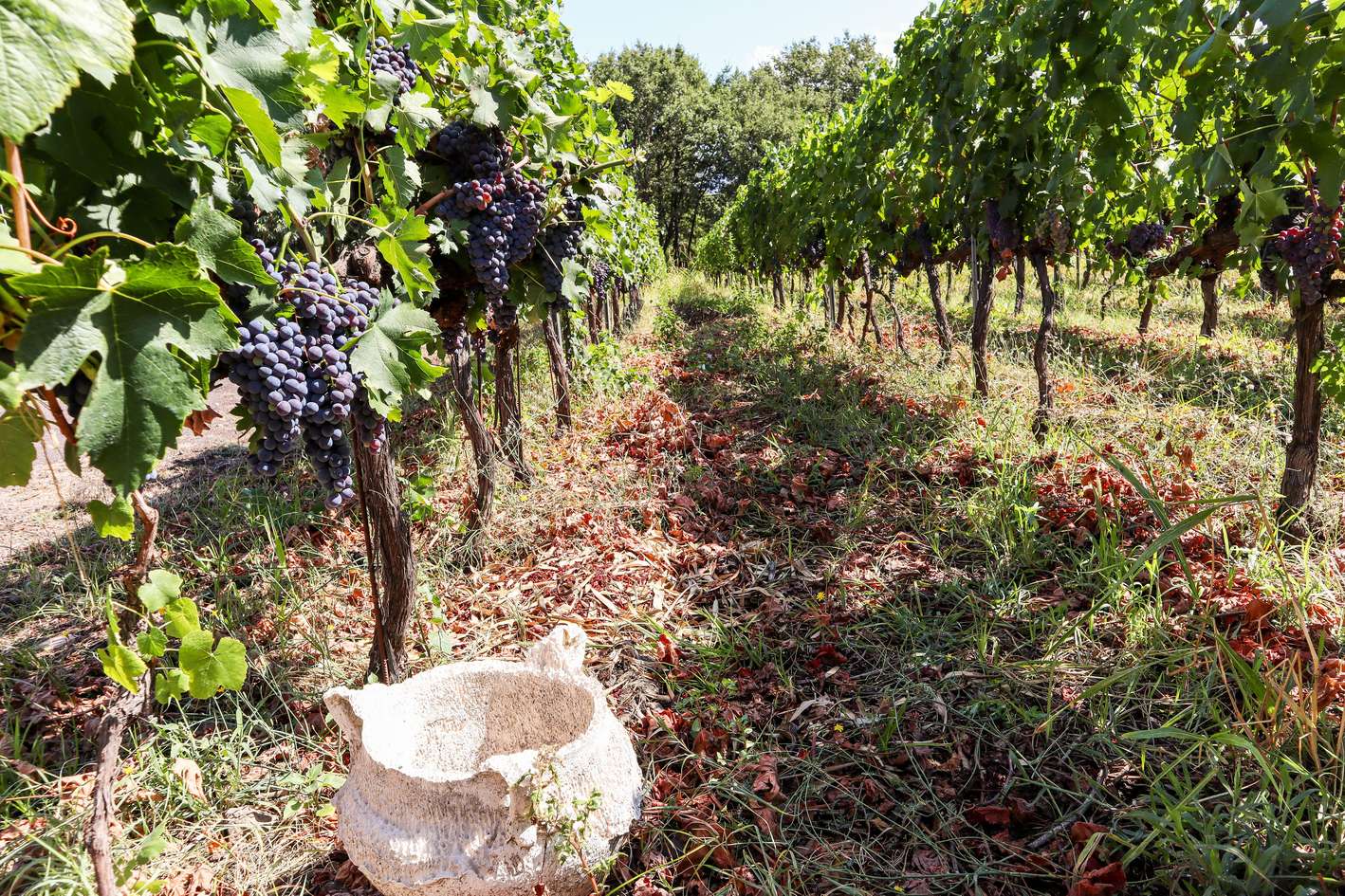
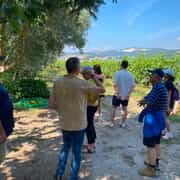
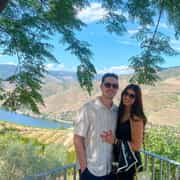
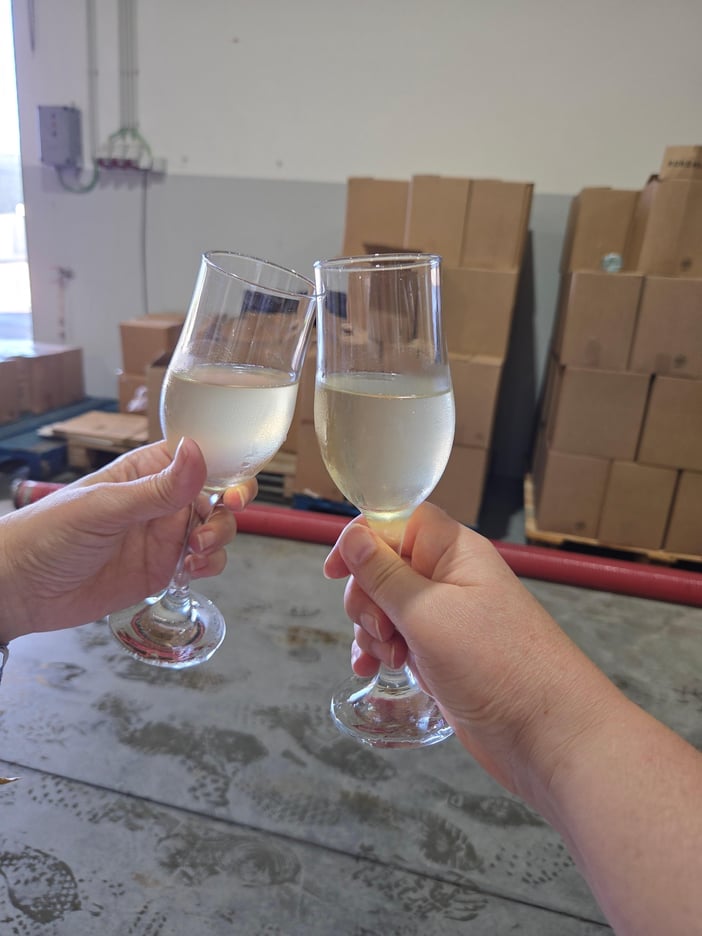
Been on many Europe tours, this one's my favorite!
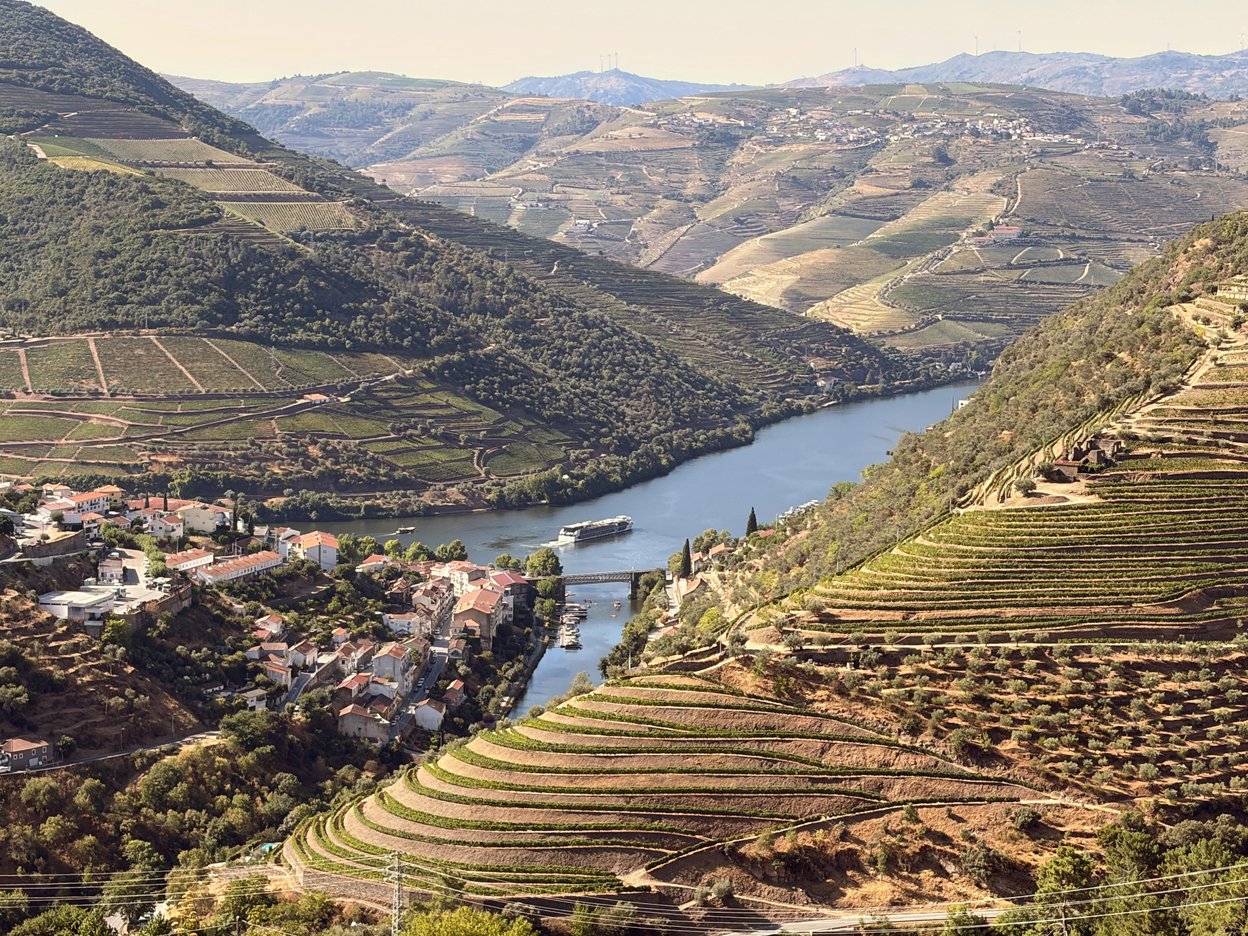
Hola Manuel! What a day! You were such good company we'd have adopted you, and the wine too. Fun boat trip, informative, and the surprise meetup with Portugal's President was incredible. Alice!
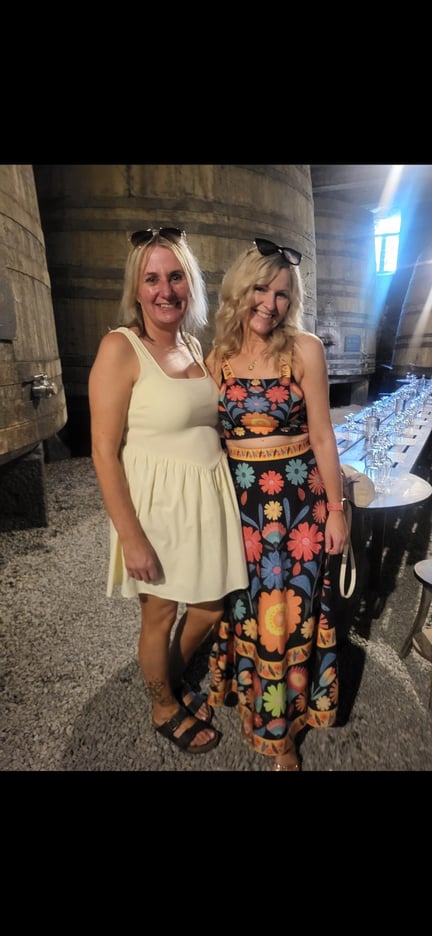
Amazing day! Guide and driver were a fun duo, two winery tastings with passionate locals, and a boat trip on the Douro with stunning landscape. Surprisingly quiet, we almost felt alone. Great food too.
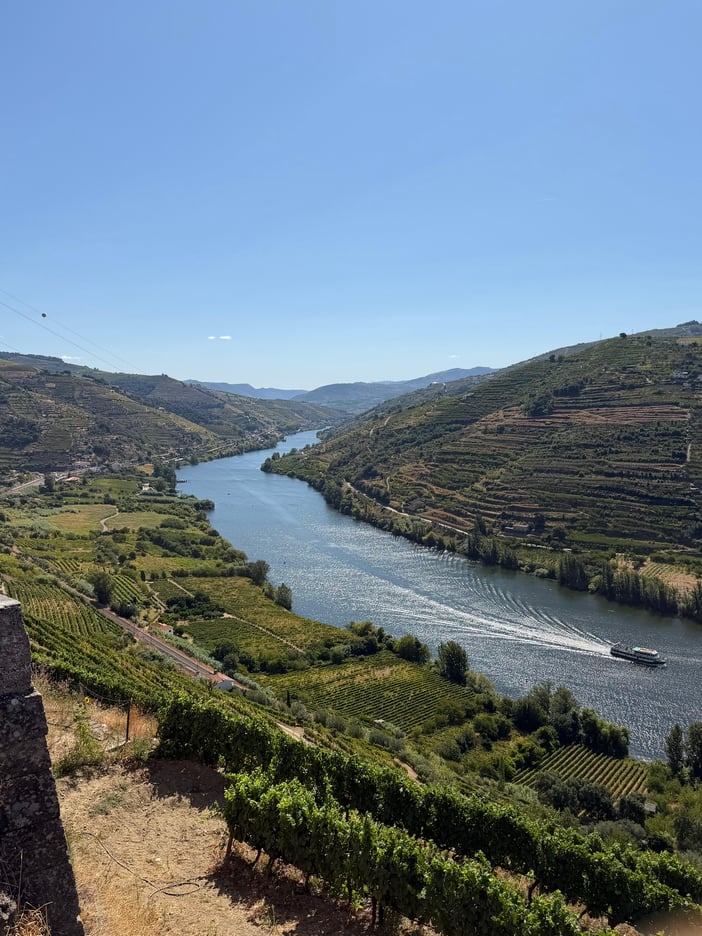
Amazing Douro day! Ana was a joy from hotel pickup to the end. Informative, scenic town stops, great winery tours, exceptional lunch, lovely tour mates and a boat highlight. Highly recommend.
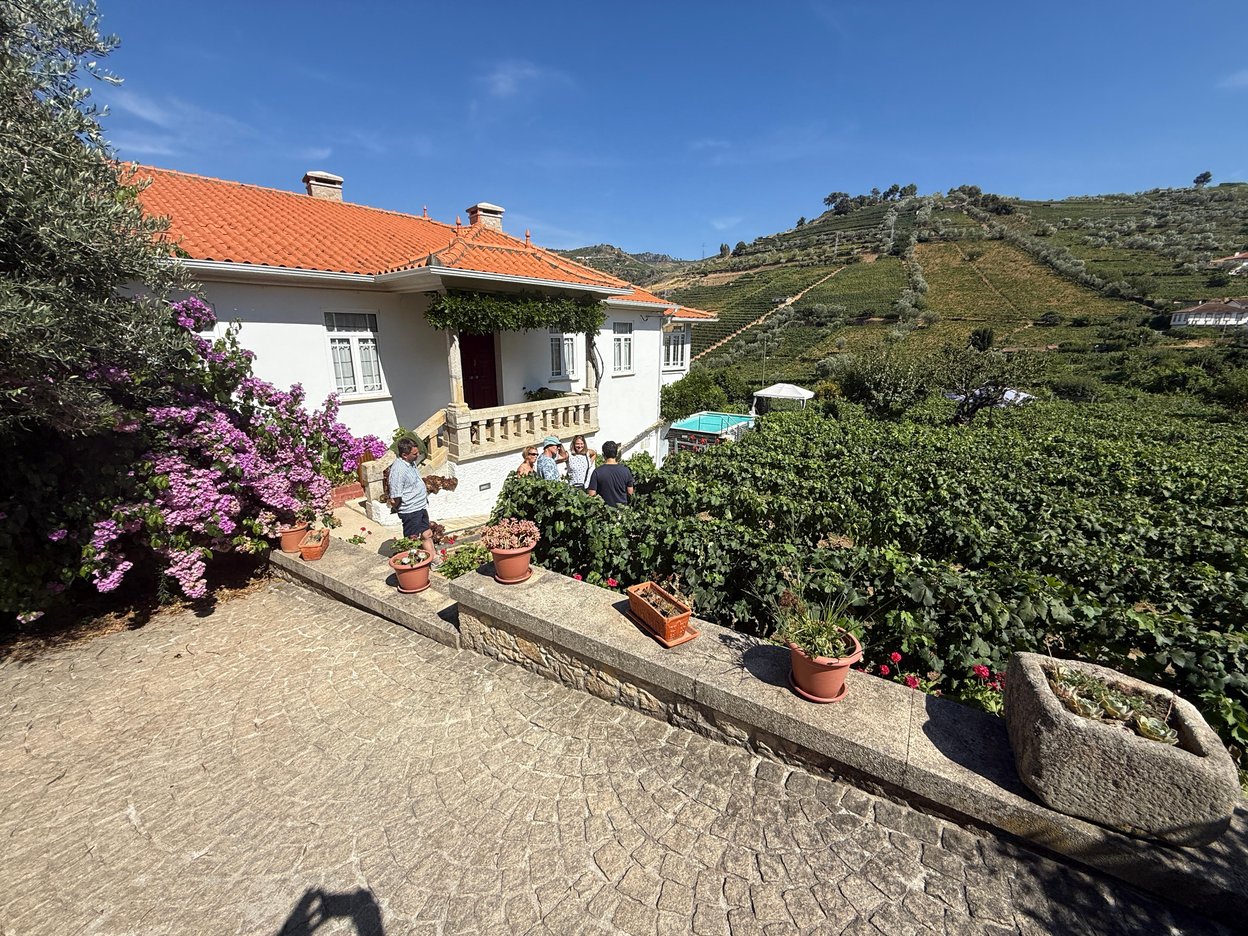
Wonderful Douro day with Joao, fun, energetic, informative, even sang flamenco at our vineyard lunch.
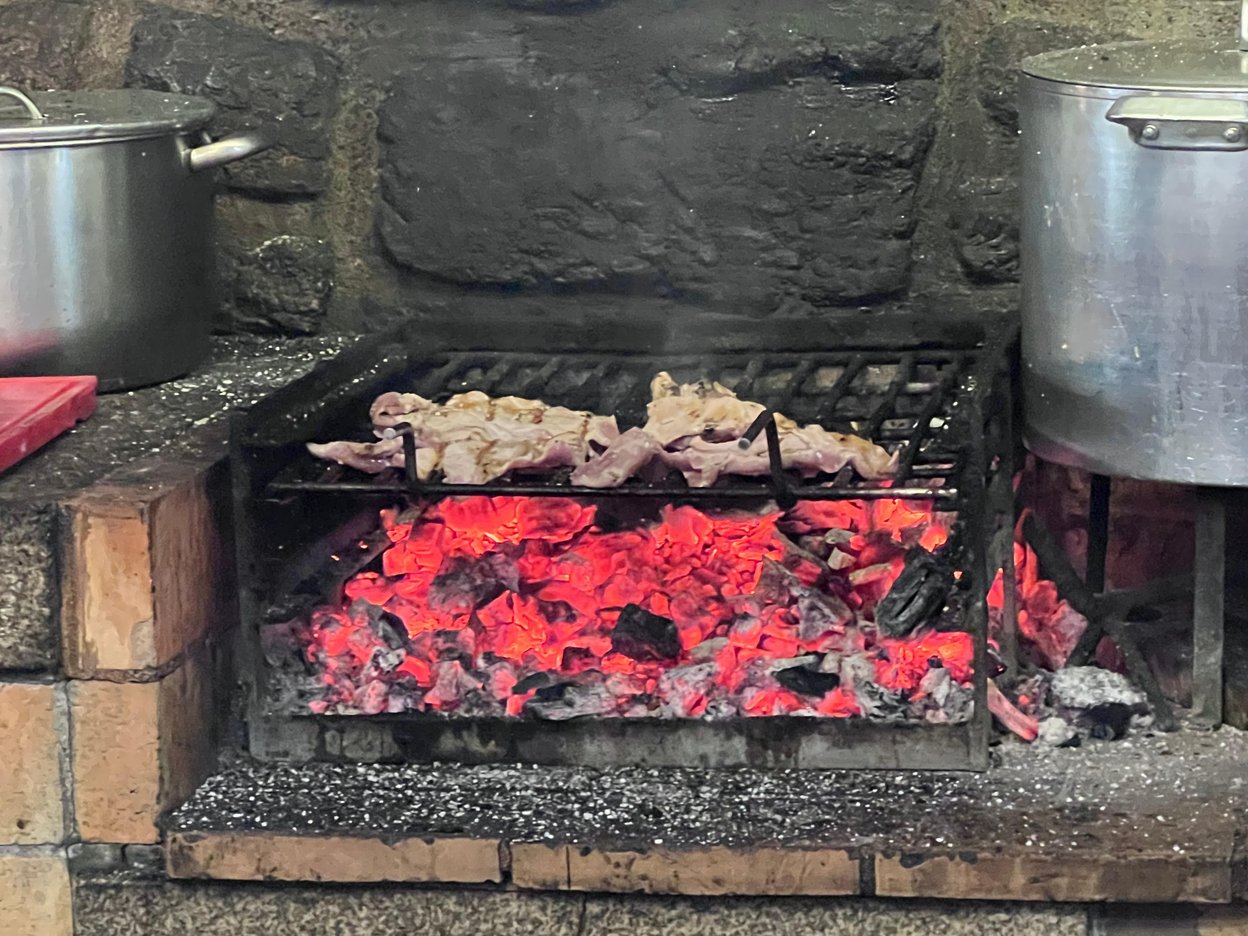
Magnifique journée! Luis shared his love for his region wonderfully, warm, friendly, excellent communicator. Everyone at the vineyard and restaurant was equally generous.
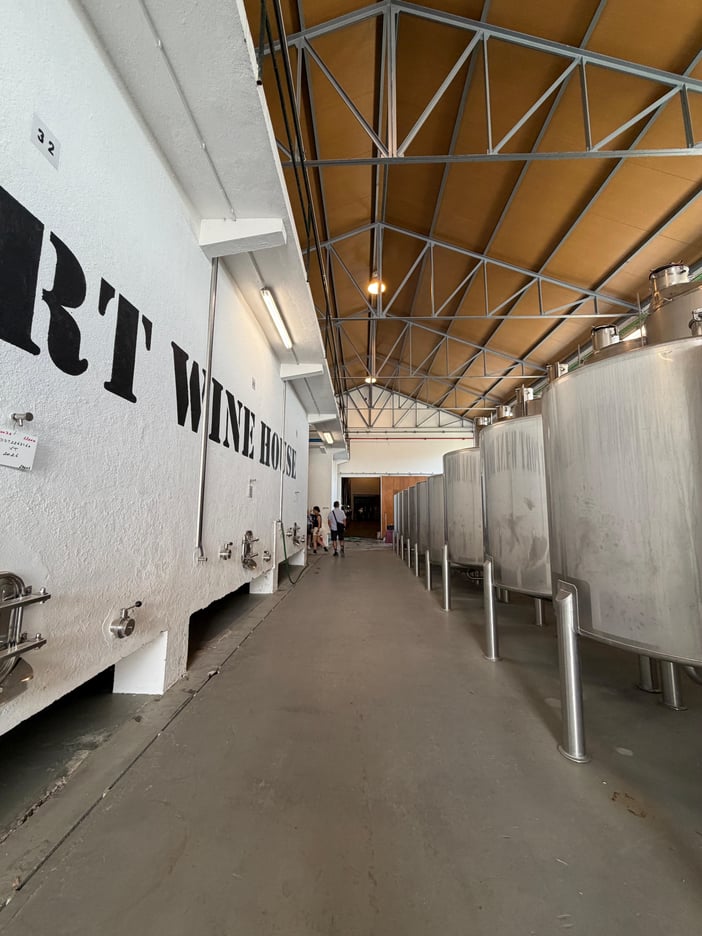
Super day with Raquel, friendly and dynamic, guiding us through the Douro Valley and explaining Porto and the valley views.
Most reviewers credit their guide by name for making the day, calling them funny, knowledgeable and full of stories.
Many loved riding the valley three ways in one day: van in, boat on the river, and the train back along the water.
Several travelers wished for more generous pours at tastings, and a few wanted drinks available on the boat.
Choose a date first, then the option that matches it. Full-day tours run about 10 hours with lunch and two wineries; shorter versions skip lunch and visit one winery. September dates fill fastest, so book those weeks early.
Hotel pickup in central Porto runs between 7:30 am and 8 am, with the exact time emailed the day before. If you meet the group instead, you choose a language and a start time, often 7:30 am, 8:30 am or 9:30 am.
The operator emails your pickup time or meeting point, and day-before messages carry the details that matter. Arrive 15 minutes early at meeting points such as Palácio da Bolsa. The train-and-boat day trip asks for a passport or ID card.
Give vegetarian, vegan or gluten-free needs before the day of the tour, not on it. Check age rules too: some tours take children from 6, others from 10, and a few wineries are adults only.
Every tour here cancels free up to 24 hours before the start, so you can lock in a date early and still change it. If you travel by train instead, tickets for a fixed departure can be exchanged free up to 15 minutes before it leaves.
Trindade Domus
Photo stop (10 minutes)
Boat cruise (1.5 hours)
Lunch (2 hours)
Panoramic train ride (30 minutes)
Boat cruise (1.5 hours)
Guided tour, Wine tasting (75 minutes)
Trindade Domus
Break time, Photo stop (20 minutes)
Boat cruise (1 hour)
Porto, Igreja da Lapa, Porto, Lapa, Igreja da Lapa
Porto, Igreja da Lapa, Porto, Lapa, Igreja da Lapa
Porto, Igreja da Lapa, Porto, Lapa, Igreja da Lapa
Porto, Igreja da Lapa, Porto, Lapa, Igreja da Lapa
Porto, Igreja da Lapa, Porto, Lapa, Igreja da Lapa
Guided tour, Wine tasting, Food tasting, Regional food (1 hour)
Lunch, Guided tour, Wine tasting, Scenic views on the way (2.5 hours)
Photo stop, Boat cruise, Scenic views on the way (1 hour)
Rental companies in Porto may refuse to hand over a car if your license is from outside the EU or UK, written in a non-Latin script, or if the deposit cannot be held on a physical credit card in the driver's own name.
Bring an International Driving Permit together with your original license, and carry a physical credit card in the primary driver's name; a debit, prepaid or virtual card often leads to pickup refusal. If sorting permits and deposits feels like a detour from wine tasting, a guided tour from Porto sidesteps the rental counter entirely.
The valley announces itself slowly. From São Bento's tiled hall, the first hour of any route is ordinary Portuguese countryside, suburbs and eucalyptus, before the river appears and the terraces begin.
How you spend that first hour is the real decision. A car covers the 123 kilometres to Peso da Régua in about 1 hour 15 minutes to 1 hour 25 minutes, and Pinhão in roughly 2 hours, the quickest motorway time for a driver leaving central Porto.
A private transfer beats it door to door at around 1 hour 10 minutes because it starts at your hotel and skips the city crawl, but it is priced per vehicle, so it only pays off split between three or more people.
The train takes longer, about 1 hour 55 minutes to Régua and 2 hours 20 to Pinhão, and hands you river-level views the driver of a car never gets to watch. Buses from the Campo 24 de Agosto terminal run slowest, 2 to 3.5 hours.
Every route ends at Régua or Pinhão, and the number that decides your day is the hours spent in transit. Guided tours leave in minivans, 1.5 to 2 hours each way with everything after the drive already arranged.
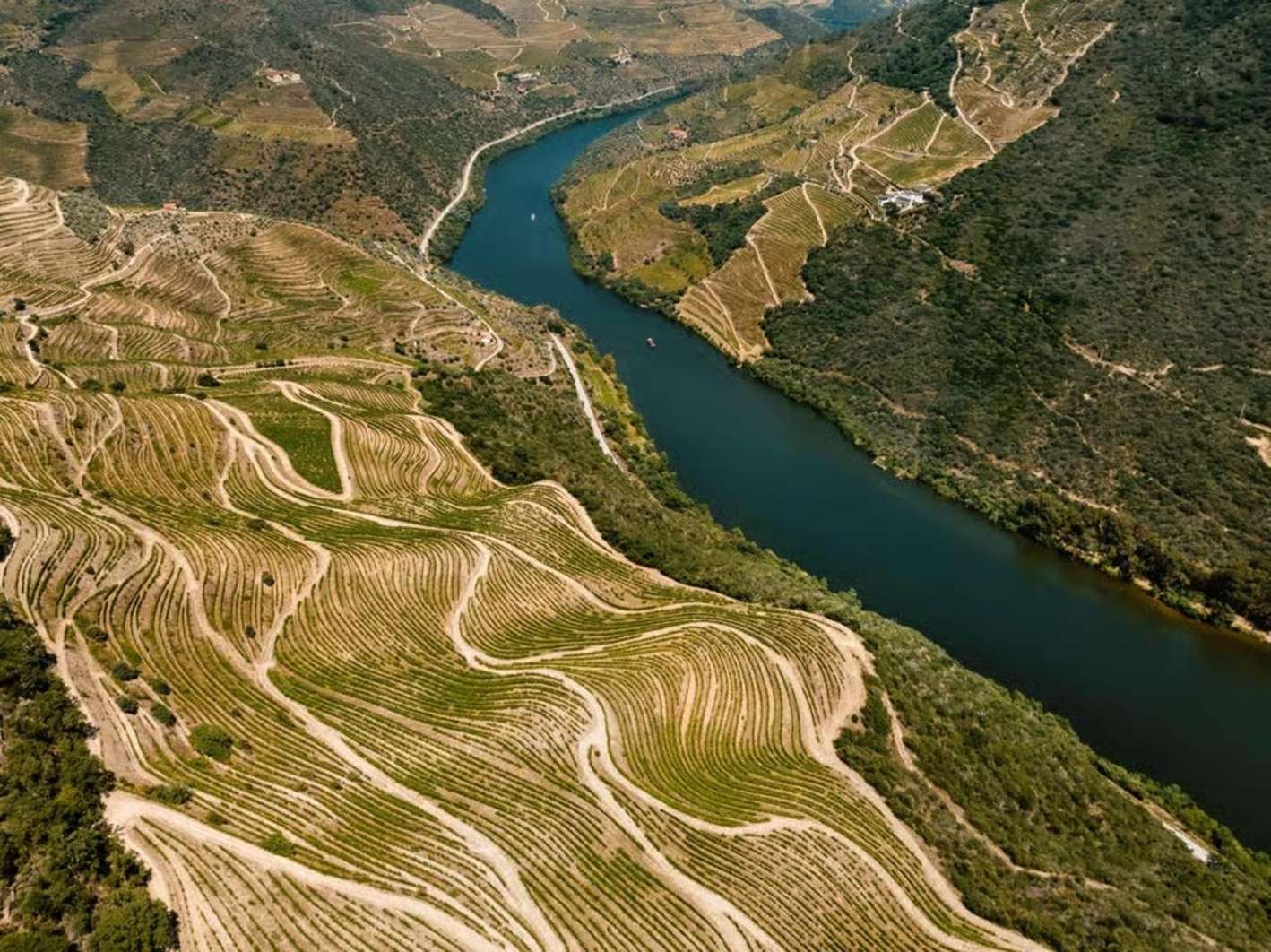
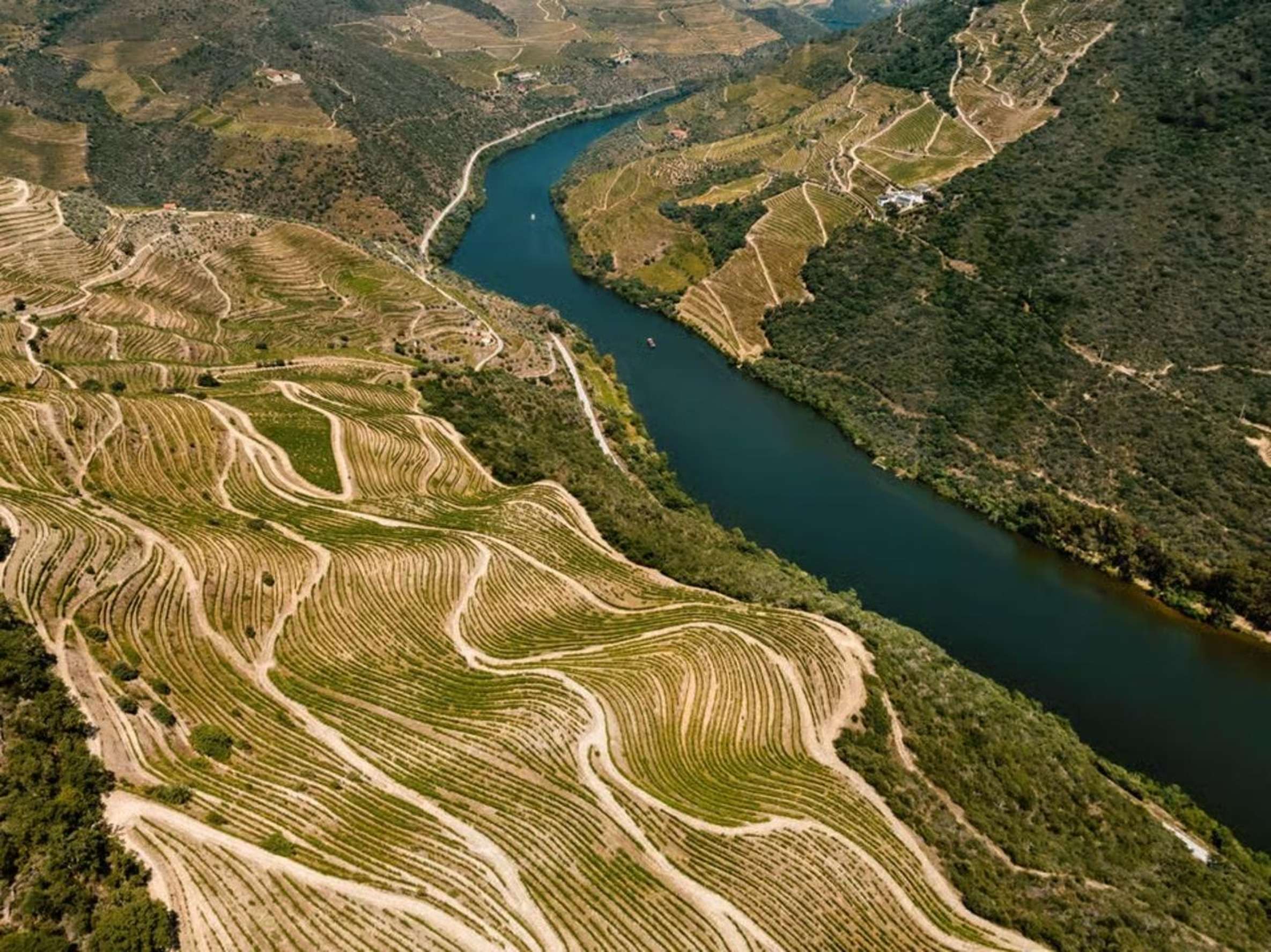
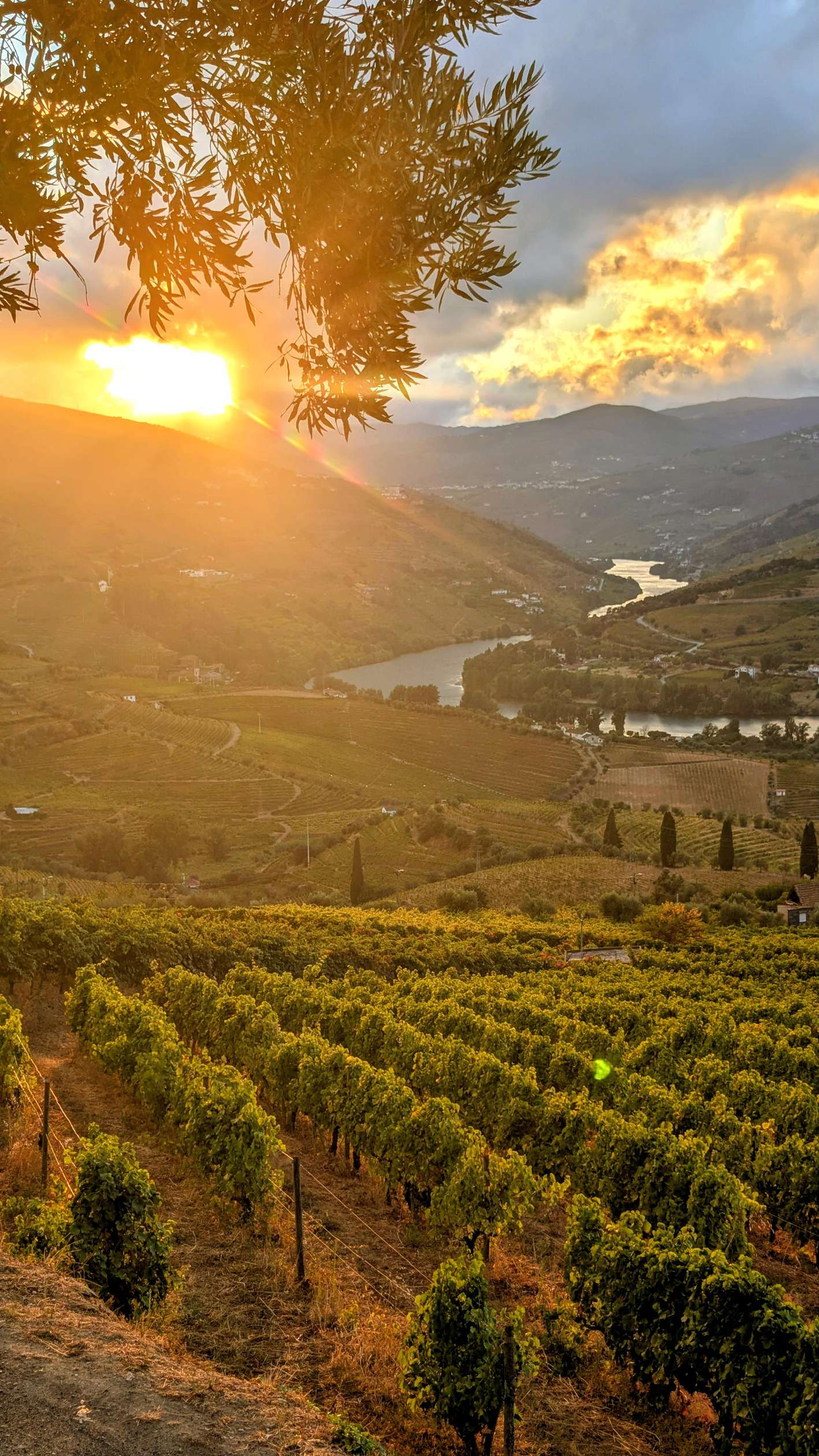
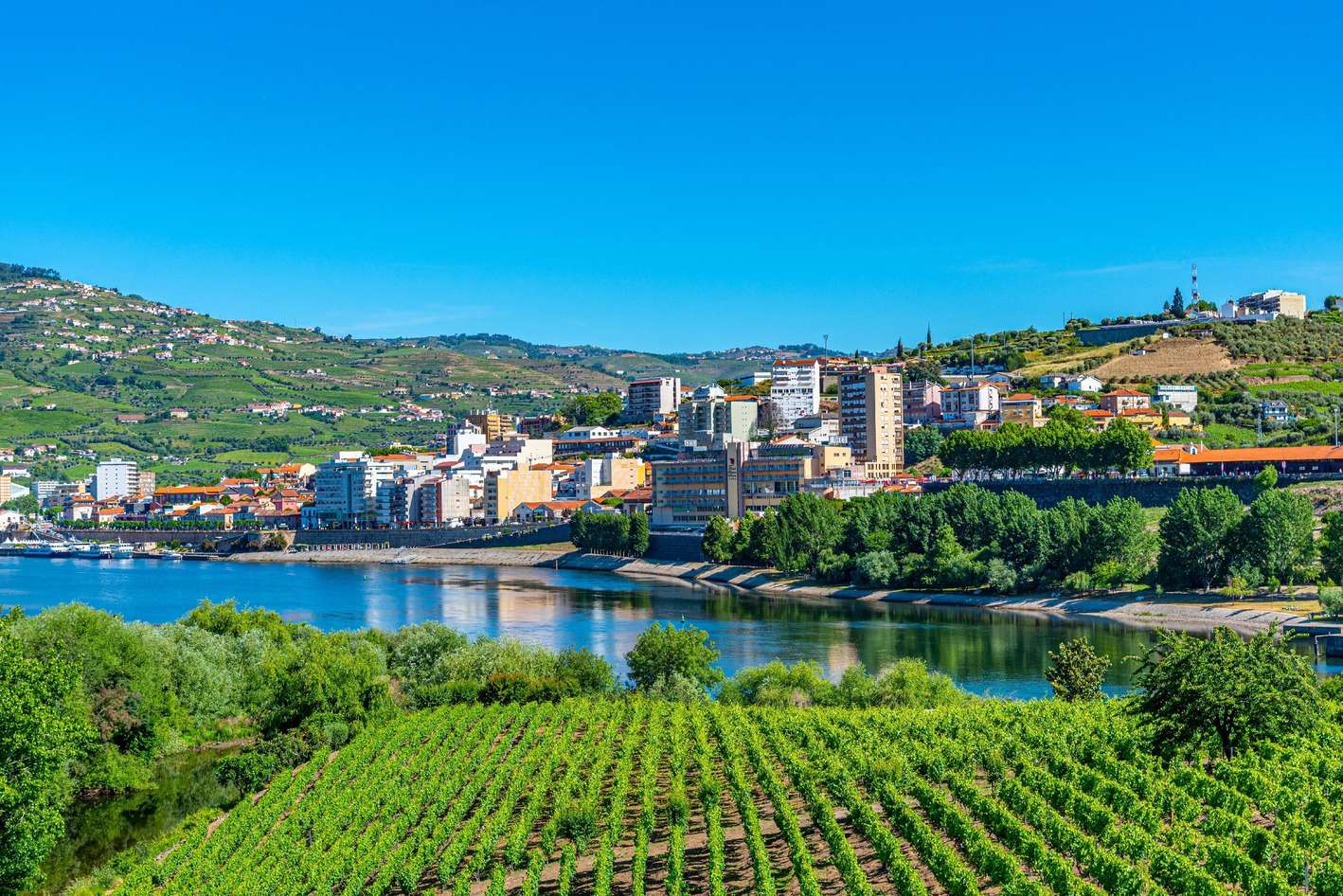
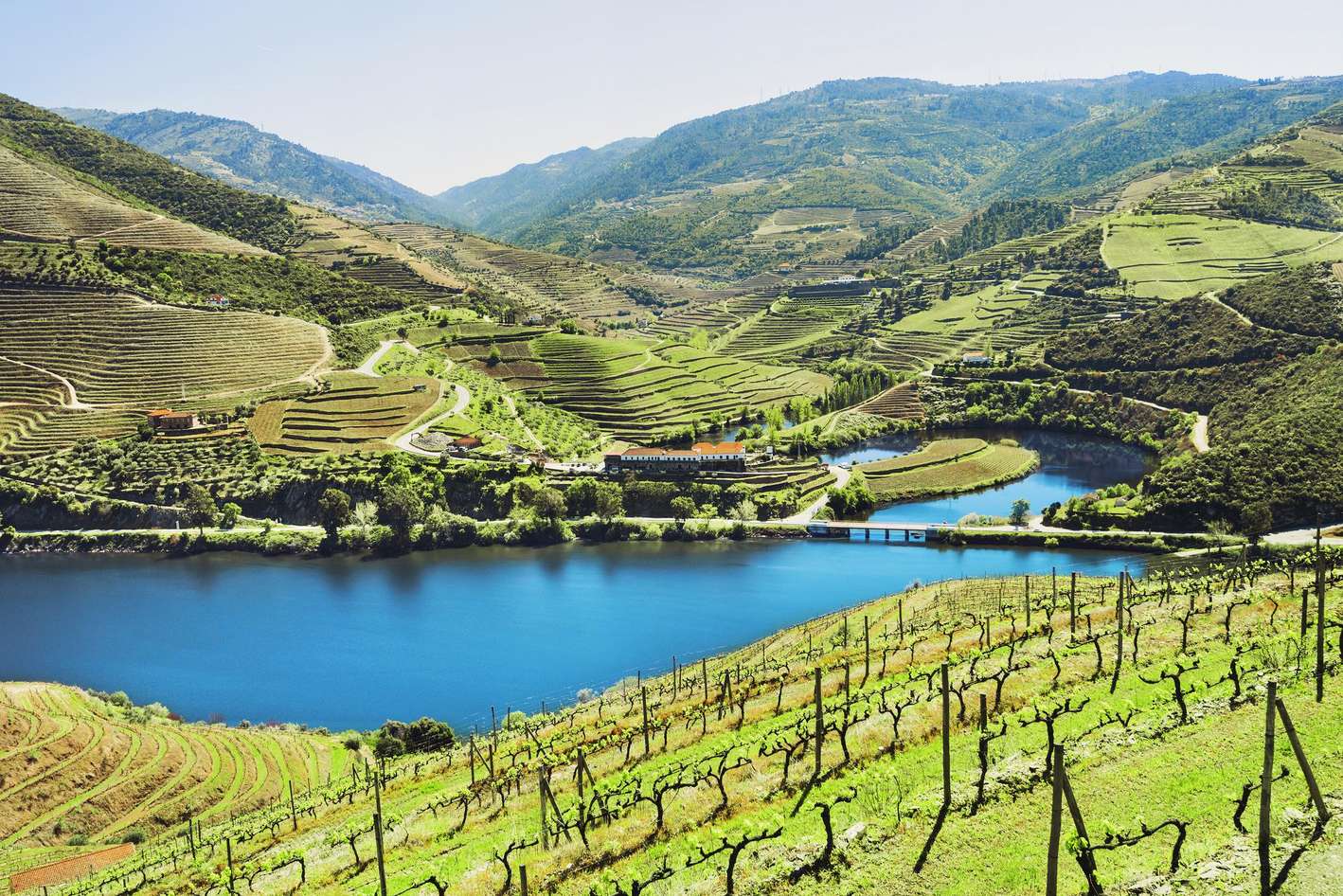
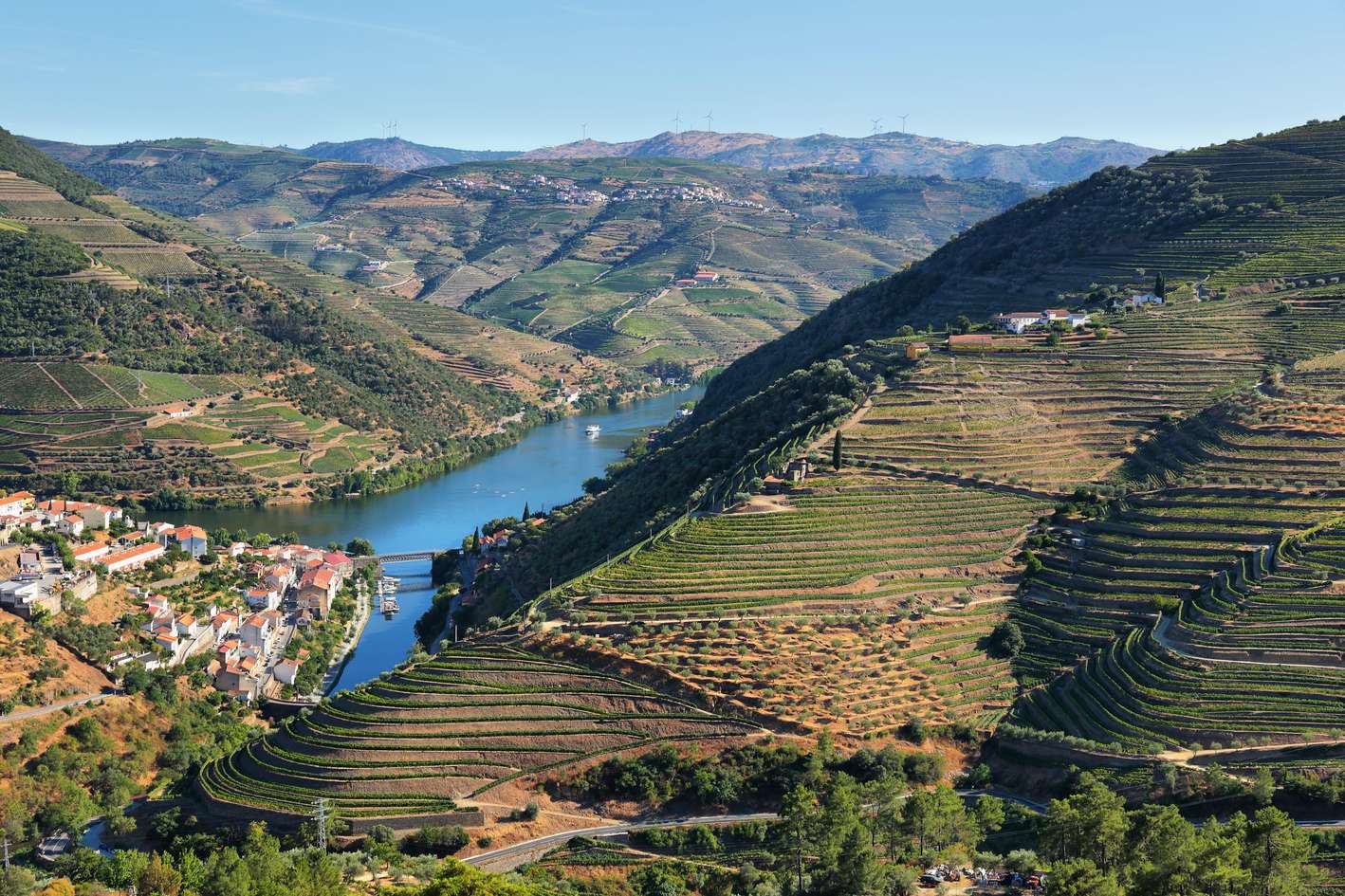
The dramatic part of the journey is short. The 27 kilometres between Peso da Régua and Pinhão are where steep terraced vineyards rise straight out of the water, and nothing before Régua prepares you for it.
Seen from the train, the river runs at window height along the north bank, and the seats on the right-hand side facing east hold the view the whole way. No bends to fight, no road to read, just the water sliding past.
Behind the wheel, the N222 hugs the south bank through 93 curves in those same 27 kilometres, a road that earned a world-best driving title in 2015 on the strength of its geometry.
It runs nearly flat beside the river, its corners gentle enough to enjoy, though the driver spends the whole ride with eyes on the road while the valley slides past unseen.
What first-timers don't know The iconic scenery only starts around Peso da Régua, so an ordinary first hour does not mean a dull day On the train, the right-hand side facing east is where the river runs
From the water, a boat out of Pinhão shows you slopes no road reaches at all. Same valley, three angles, and only one of them lets you watch it empty-handed.
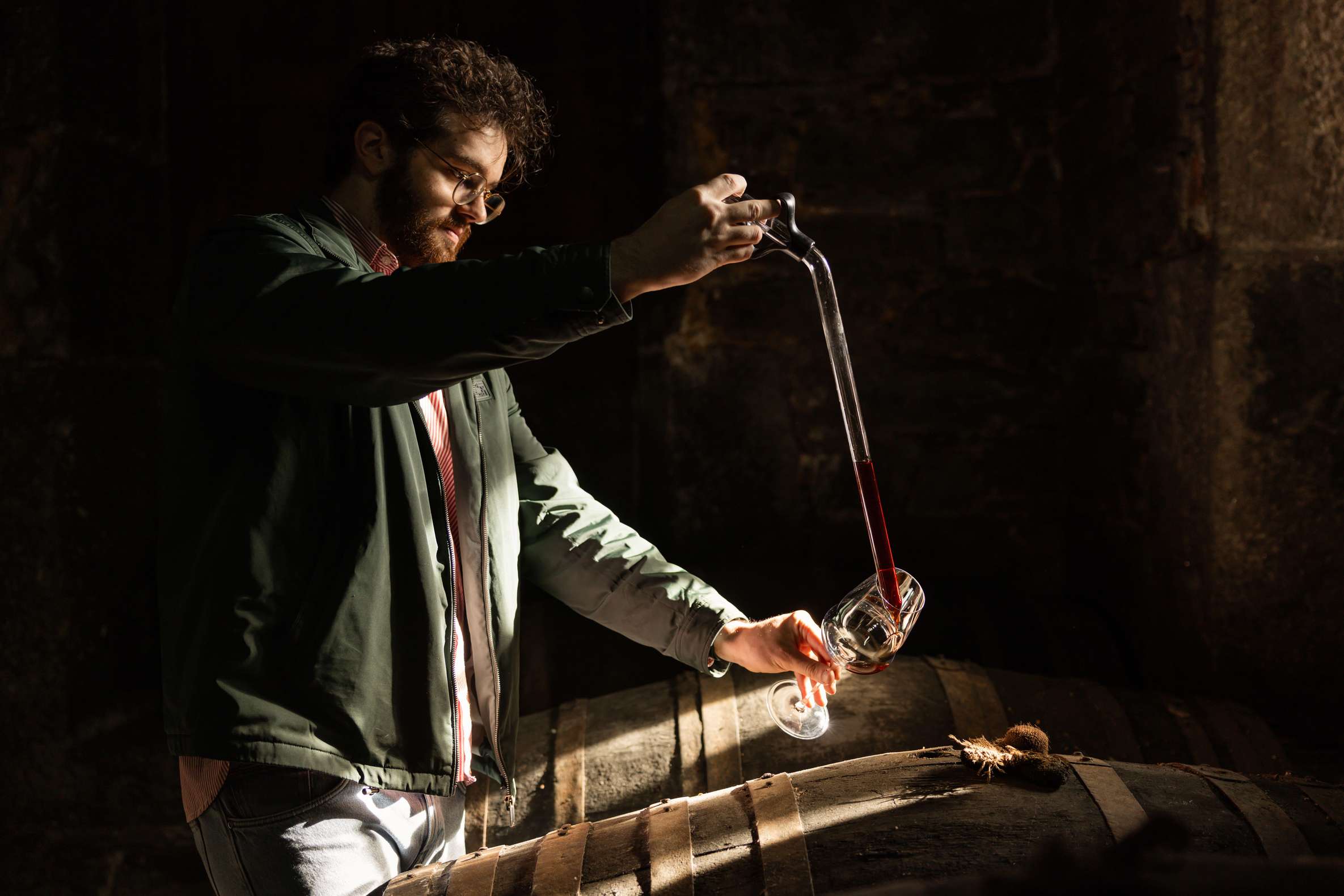
São Bento station is worth arriving early for: the hall wears thousands of blue azulejo tiles, and the lockers sit just past them, to the left of the main doors, holding luggage for up to 24 hours if you are travelling before hotel check-in.
The line runs four to five direct departures a day in each direction, so the timetable shapes the day before the wineries do.
Regional trains need no seat reservation and rarely fill up; during the September harvest, buying a month ahead is the safe move. Tickets work only on the date and train printed on them, and once the 15-minute window before departure closes, no more exchanges.
Two things can bend the plan. Heavy rain and landslides suspend sections of the track from time to time, and the last return train leaves in the late afternoon or early evening.
Miss it and the options shrink to a local taxi, all the way to Porto or at least to Régua, or a village guesthouse for the night. Ride-hailing apps do not work here.
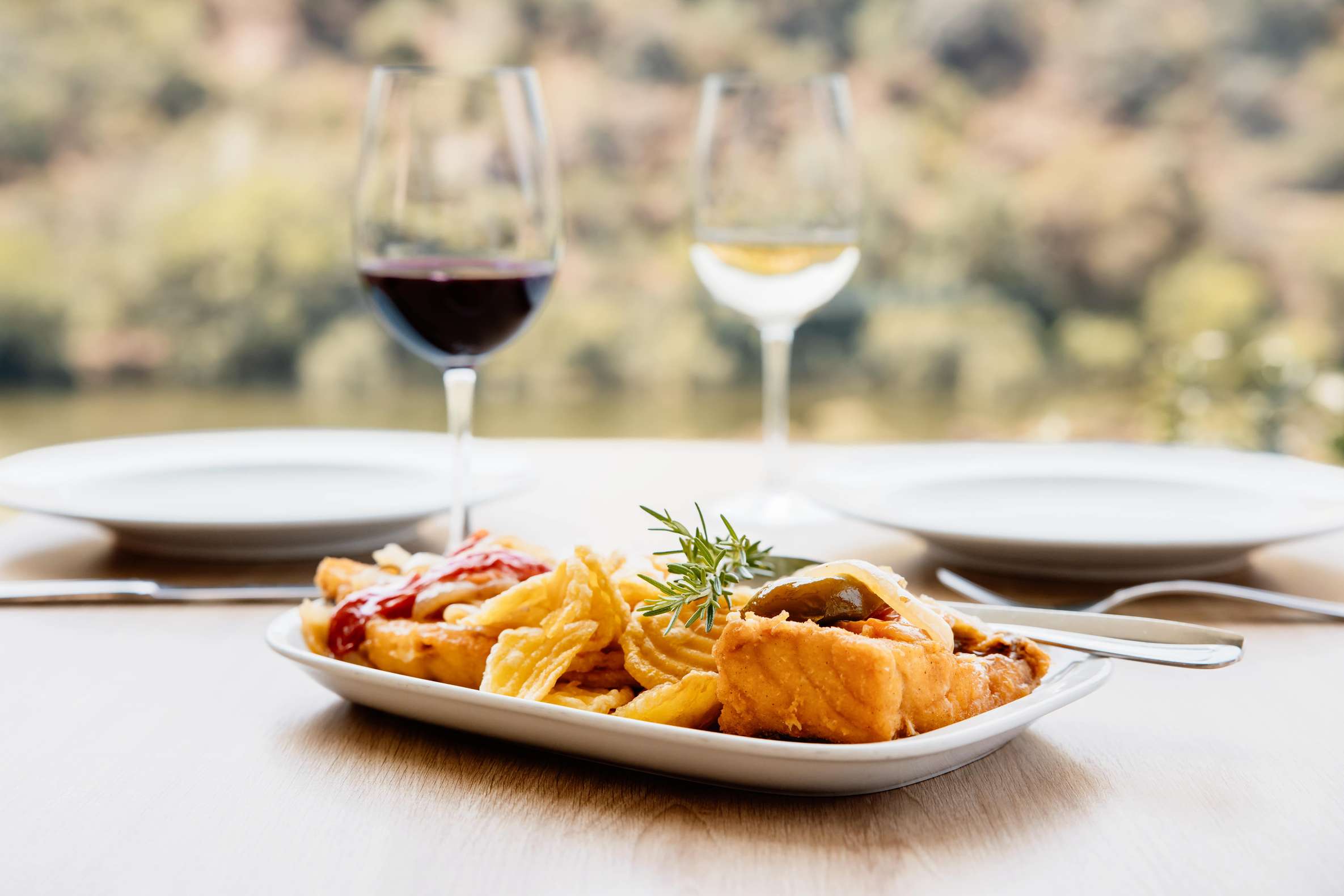
The motorway half of the drive is easy: the A4 rolls out of Porto, tunnels under the Marão, and the tolls stop east of Amarante. Rental cars carry an electronic transponder that settles the booths automatically. Régua comes up in about 1 hour 15 to 25 minutes.
Then the real Douro begins. The N222 follows the river for 27 kilometres, wide enough for two cars on a fully paved surface.
The demanding roads are the ones the map barely shows: single-lane tracks climbing to hillside quintas, hairpins, low stone walls and drops without shoulders. Rent an automatic if you are unused to hill starts.
Before you get behind the wheel, three checks decide whether the car exists at all: licences from outside the EU or UK often need an International Driving Permit alongside the original, and rental desks want a physical credit card in the driver's own name.
Parking at popular quintas tightens up in high season, and a large SUV is hard to fit into their small lots. Phone signal thins on the remote stretches, so download your maps before leaving Porto.
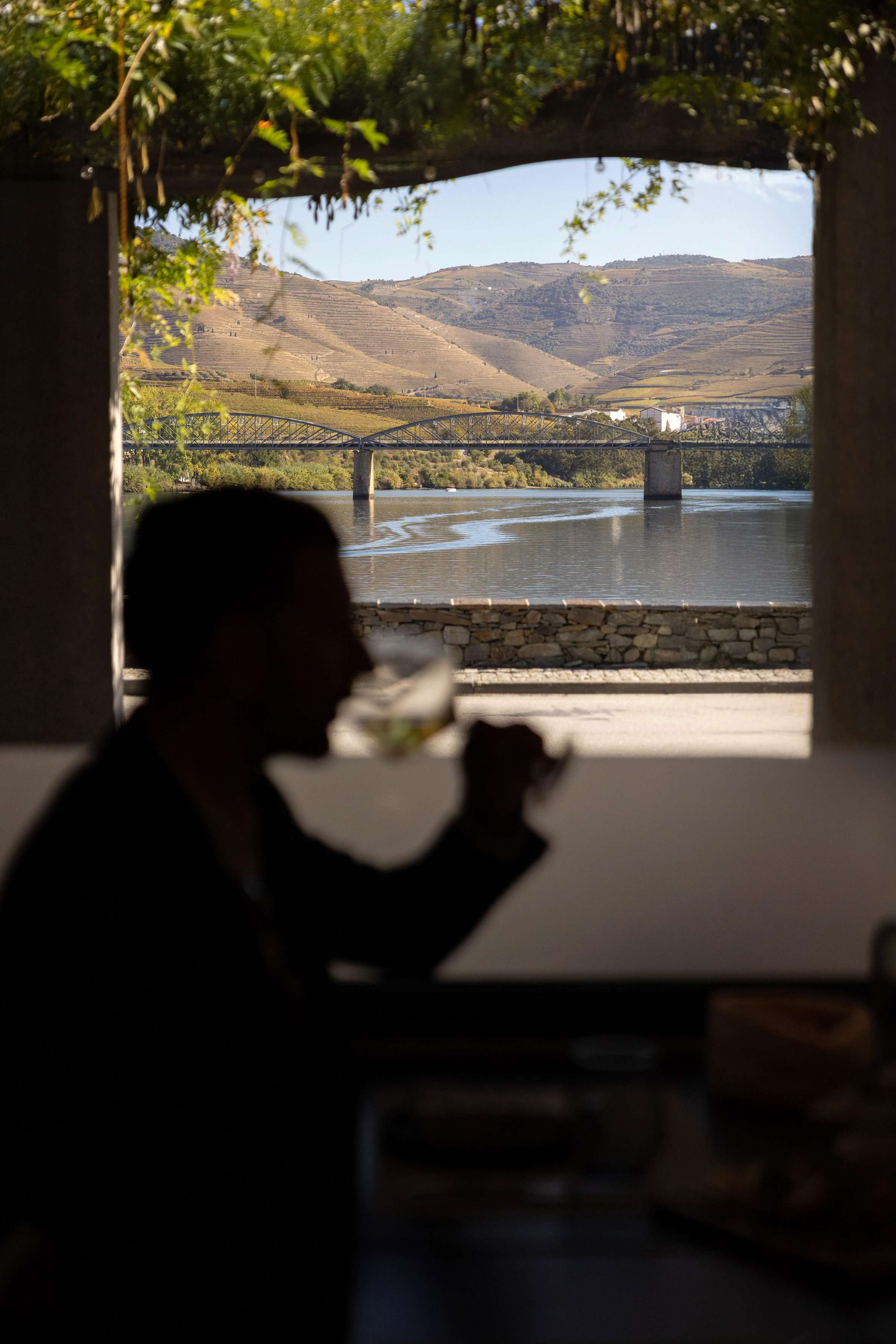
Pinhão is the station that gives car-free travellers a real day.
A handful of estates sit within walking distance of the platform: Quinta do Bomfim, a flat stroll of under a kilometre along the river, Quinta das Carvalhas just across the bridge, and Quinta da Roêda or Quinta de la Rosa about 15 to 25 minutes on foot.
Régua is different. The major estates there, Quinta da Pacheca and Quinta do Vallado among them, lie more than three kilometres away by road, so a taxi ride of about five minutes is the realistic link.
Plan the taxis before you need them. No Uber or Bolt operates in the valley interior; drivers decline or cancel ride requests. Local cabs wait outside Pinhão station, but they are scarce, and many wineries keep taxi numbers on hand and will call one for you.
Book your return pickup in advance or ask the estate staff. Walking uphill out of the river basin onto the terraces is a proper climb, so wear shoes with grip.
One more rule travels with you from Porto: tastings at the quintas fill up and require reservations made ahead. Turn up unbooked and the door often stays shut.

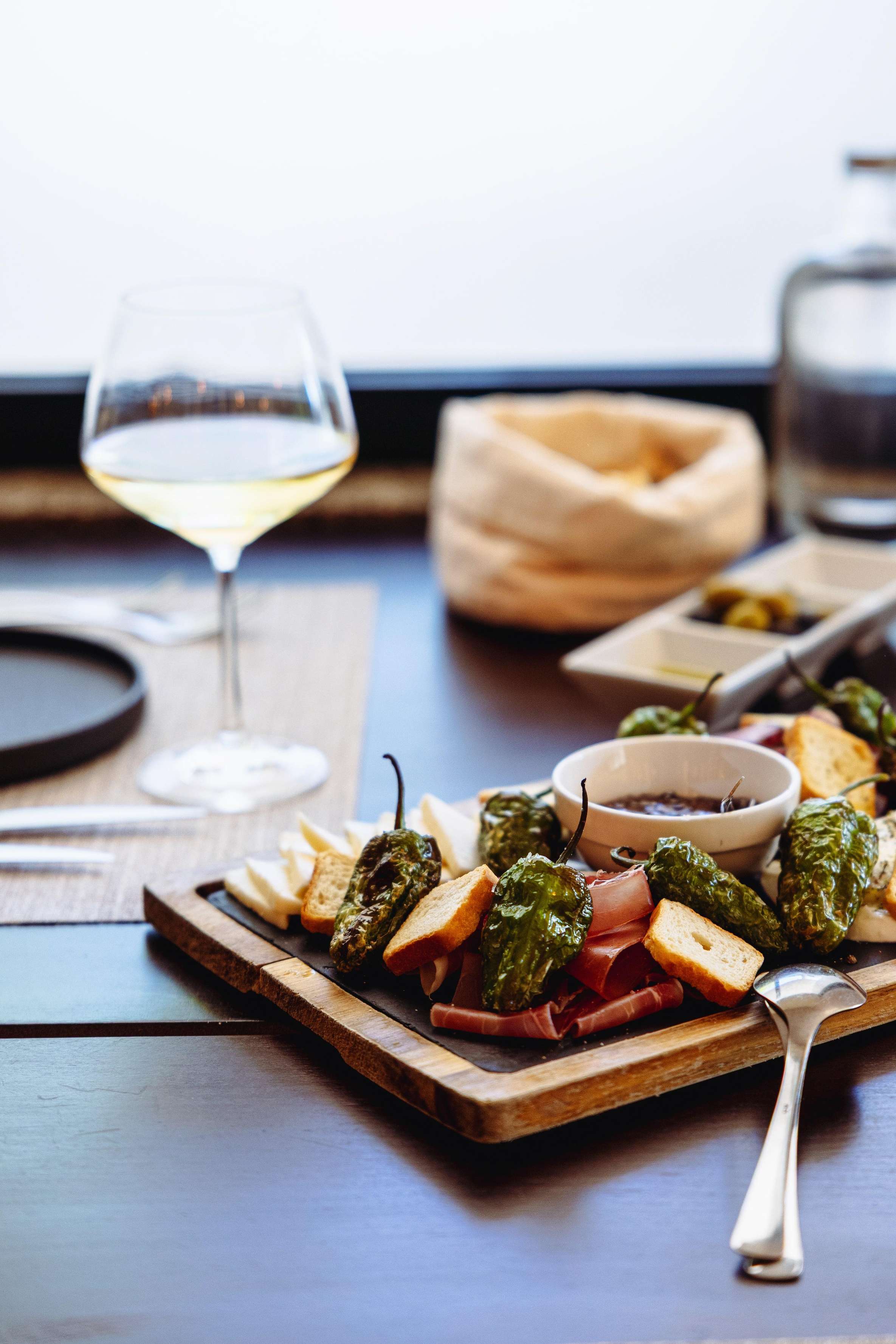
Here is the number that settles the whole transport question. In Portugal a driver counts as under the influence at a blood alcohol level of 0.5 g/l or higher, a threshold a single generous glass can approach. Probationary and professional drivers face a stricter limit of 0.2 g/l.
Wine country is exactly where the police look. The GNR and PSP run breathalyzer checks as an active focus in the Douro, on roads that leave no margin: narrow, winding, hemmed by terraced slopes and blind curves with nowhere to pull over.
Portugal's legal blood alcohol limit is 0.5 g/l, roughly what one glass can reach The valley is an active enforcement focus for GNR and PSP breathalyzer checks, so the designated driver skips the wine entirely
The consequence for a self-driving group is simple arithmetic: whoever holds the wheel tastes nothing, at any quinta on the itinerary. That is why so many visitors hand the driving to a tour. The driver who navigated the switchbacks all day also misses the best part of the N222, which is looking at it.
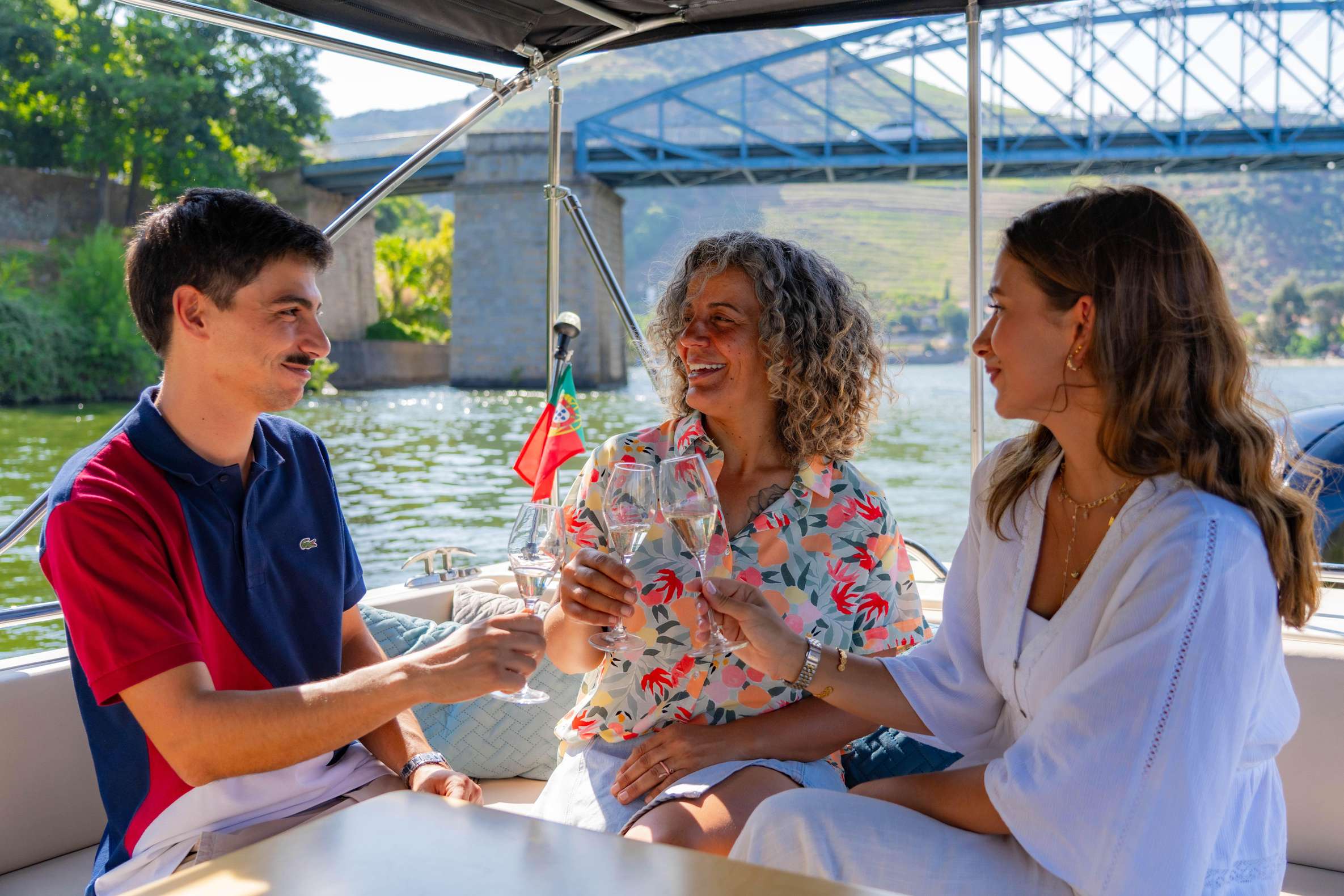
Count the day backwards and the maths gets honest. Wineries open their morning visits around 10:30 am or 11 am, and reaching one in time means leaving Porto between 7:30 am and 8:30 am.
From there, a relaxed day holds at most two wineries, one boat cruise and one town, with lunch in between and three to four hours of road in total.
That adds up to 9 to 10 hours from hotel door back to hotel door, and some itineraries stretch to 11. Three or more quintas in a single day means hurried tasting slots and drive-time eating the scenery.
Build the day around Pinhão when you can: walking access to wineries, boat docks beside the station, and the most dramatic landscape of the three towns.
Régua buys you more return trains and works as a morning stop before the 25-minute rail hop east to Pinhão, which is the prettiest stretch of track in the valley.
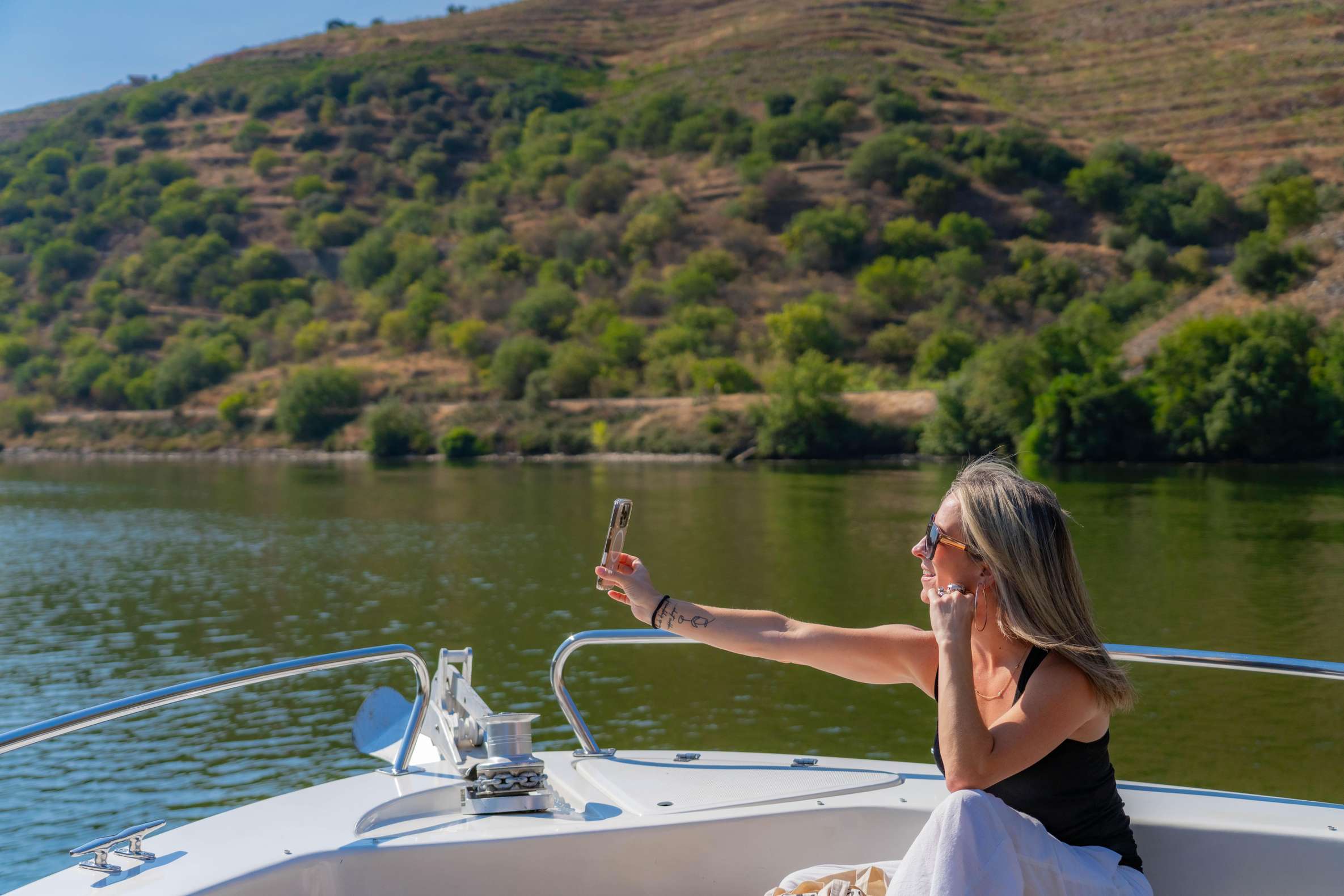
On a guided day the logistics dissolve into someone else's clipboard.
A minivan collects you in Porto around 8 am, the driver handles the winding roads, and the itinerary unspools: roughly three to four hours of transit across the day, two or three hours of tastings across one or two estates, a wine-paired lunch of an hour or so, and a one-hour river cruise.
The difference between a good tour and a big one shows up on the narrow roads.
Small-group vans of six to eight guests reach family-run quintas tucked into narrow lanes, and meet the winemakers directly, while large coaches lose 15 to 30 minutes a side on city pickups and pour three wines in three minutes to groups of thirty-five.
| Check | Why it matters | Our pick |
|---|---|---|
| Group size | Small vans reach boutique family estates; big coaches run high-volume tastings | Small groups of 6 to 8 in an air-conditioned minivan |
| Guide credentials | A WSET-certified guide or sommelier turns a tasting into a lesson | Guides hold WSET Level 1 to 3 certifications |
| Hotel pickup | City pickups eat the morning if the van collects everyone first | Central hotel pickup with drop-off at the end of the day |
| Cruise and lunch | The boat should be in the valley itself, with a real meal | 1-hour Pinhão boat ride and lunch at a regional restaurant |
One option folds the scenery into the transit itself: the Porto: Douro Valley Full-Day Boat, Train, and Lunch Tour pairs a boat ride on the river with a rail leg through the valley and lunch in a regional restaurant.
Most full-day tours from Porto run 9 to 10 hours door to door; this operator's own format lists 7 hours, because the rail and boat legs replace much of the van time.
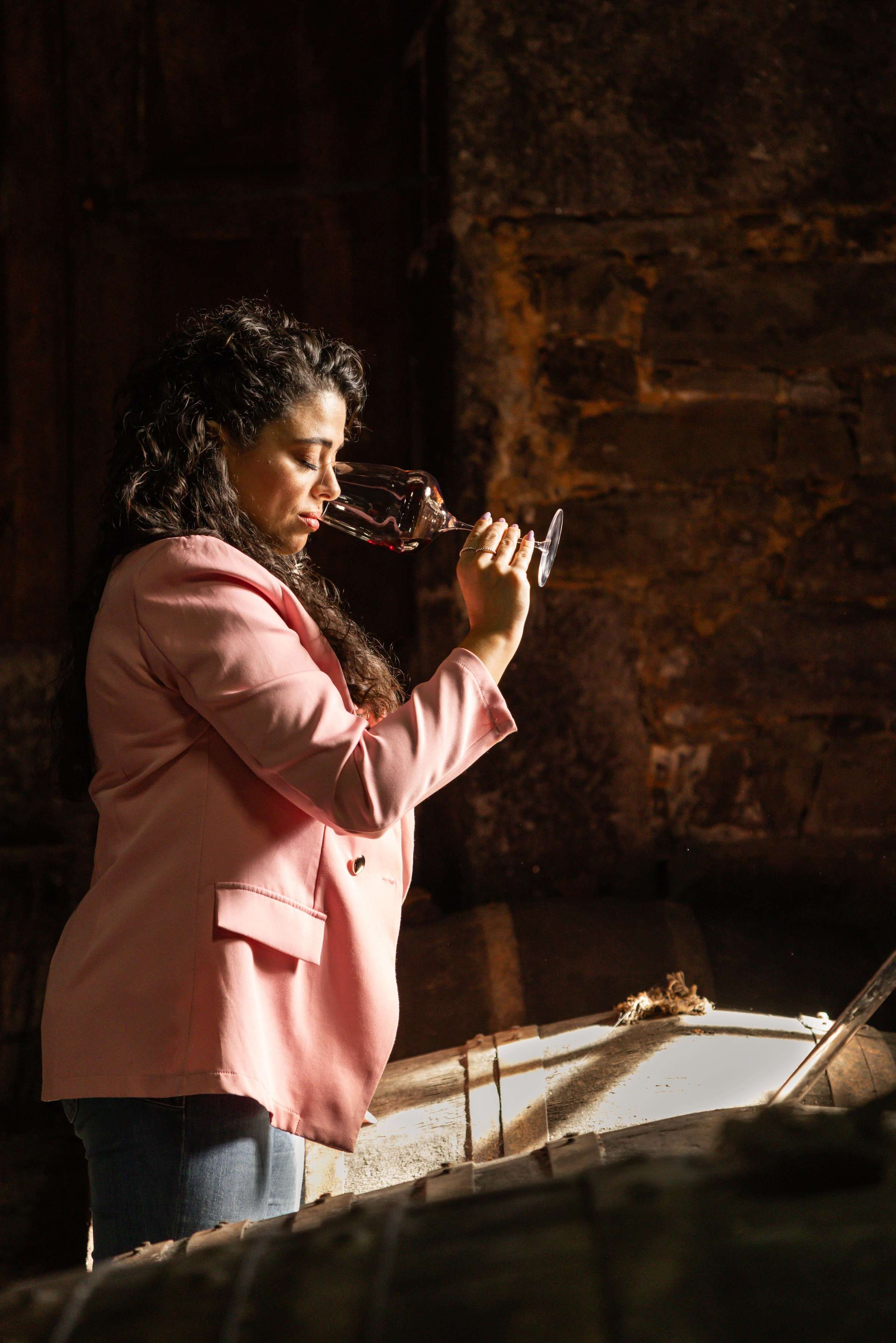
The river looks like the obvious road in. It is the slowest one. Passenger boats running upstream from Porto spend the whole day negotiating the dams and locks that stair-step the Douro, and the journey consumes the day before a single vineyard appears.
The cruise boats also carry no winery visits, and the transfer times at Peso da Régua leave no room for tastings. A boat-up, train-back day fills itself with locks and water while the tasting rooms stay empty.
It does not; the boats pass no estates you can stop at
Transfer times leave no room for a tasting
It stays inside the city and never reaches the valley
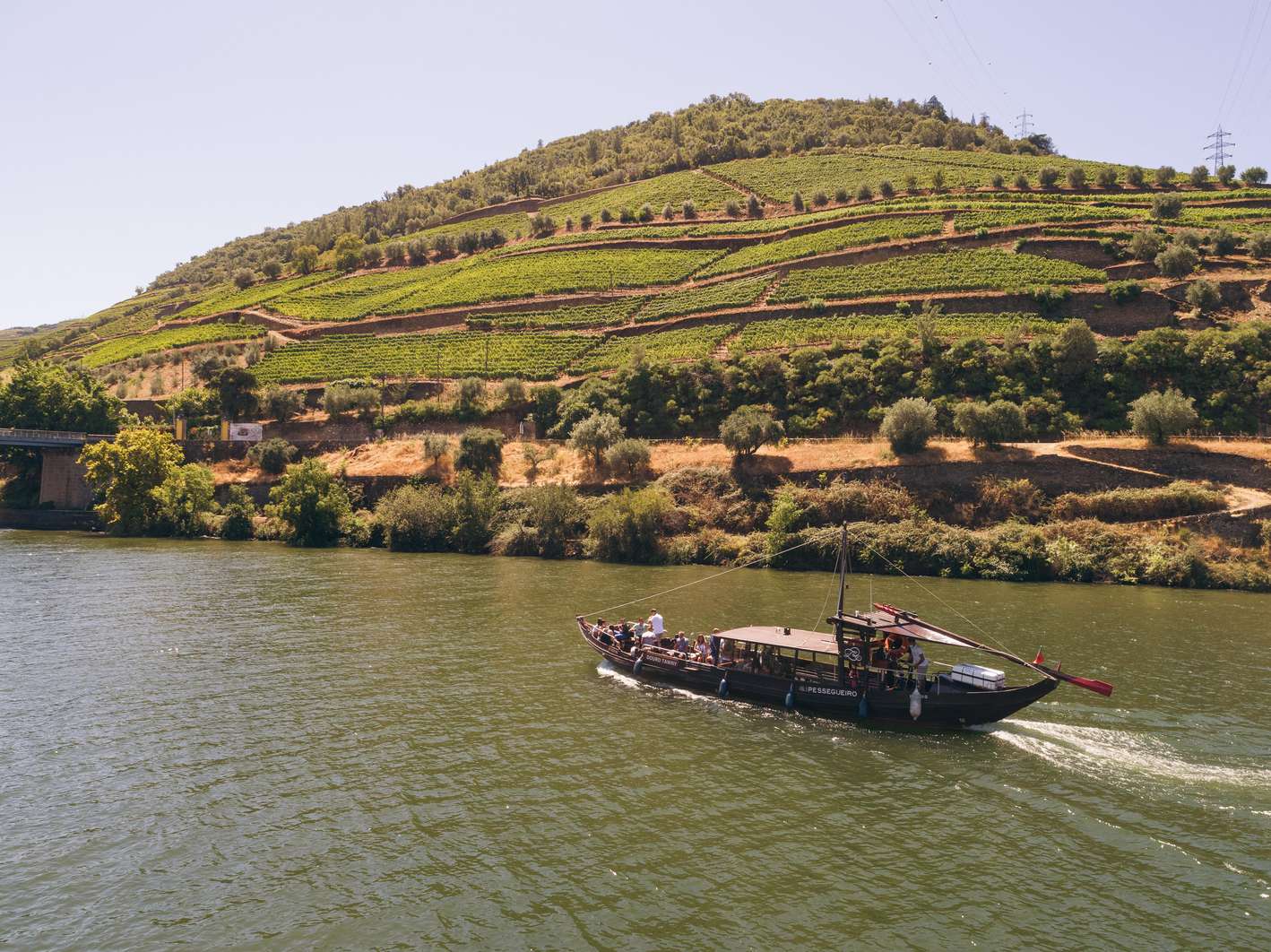
The river earns its place differently: as the hour you spend on the water once you are already in the valley, cruising out of Pinhão past estates unreachable by road. Small boats run year-round from the village quay, and that is the boat experience worth booking.
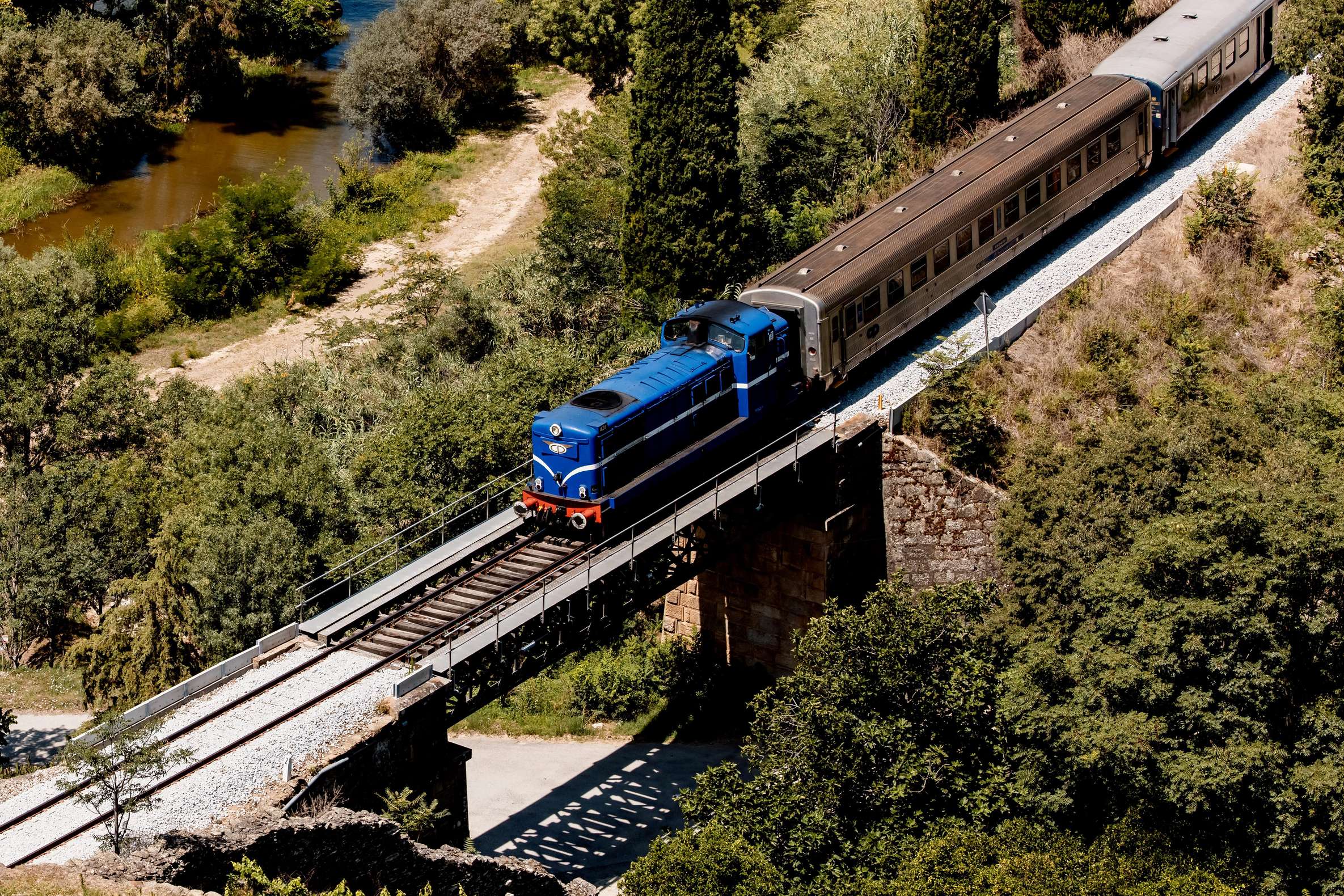
Pick your month and the valley changes costume. May and June paint the terraces thick green with mild days in the low twenties.
September pairs comfortable cruising weather with the vindima, the grape harvest that runs from late August into October, when the slopes turn gold and red and the N222 slows with harvest traffic.
In the deep heat of July and August, exposed schist slopes trap temperatures that can push past 35 degrees, so vineyard walks belong to the early morning. Winter strips the vines bare and shows the stonework of the terraces, with pruning smoke drifting thin across the hillsides.
April is one of the busiest months of the year, offering mild temperatures for walking alongside occasional spring rain.
Tap a month to read it.
August has peak summer temperatures approaching 30°C and arid heat on exposed terraces, requiring shaded midday pauses and careful driving.
Tap a month to read it.
October stays popular for vibrant autumn colors, though heavy rain begins to make winding hillside roads slick.
Tap a month to read it.
August has peak summer temperatures approaching 30°C and arid heat on exposed terraces, requiring shaded midday pauses and careful driving.
Tap a month to read it.
October stays popular for vibrant autumn colors, though heavy rain begins to make winding hillside roads slick.
Tap a month to read it.
Whatever the sky does, the day survives it. Rain moves tastings into cellars and tasting rooms, boats run covered, and if the river turns unsafe a cruise is swapped for another activity.
Summer heatwaves never cancel cellar tours, though wildfire risk can close hiking trails outright. Tours cancel free up to 24 hours before the start, so a doubtful forecast costs nothing but a decision made the night before.
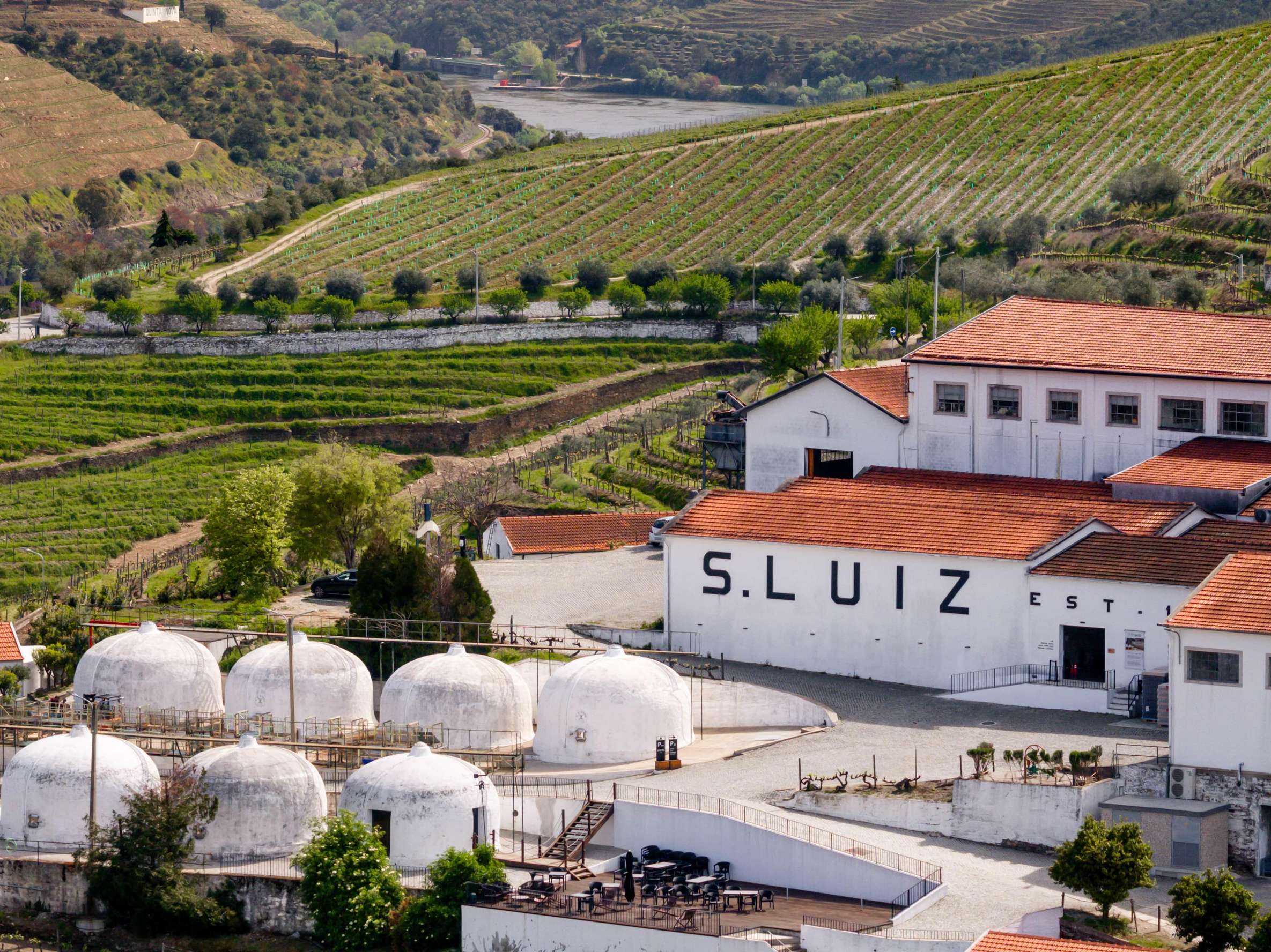
Three ways in, three trade-offs. The train is the cheapest and gives you the river the whole way, but it strands you beside a handful of walkable quintas and a timetable of four or five departures.
The car opens every hillside estate and viewpoint, and silences the driver's glass for the day. A tour costs about what a self-organised car trip runs once fuel, tolls and parking are counted, and it removes every one of those problems at once.
For a first visit without a designated driver, the tour wins on nearly every line of the ledger. For the determined independent traveller, the train to Pinhão is the day that works: book early in harvest season, sit on the right, and let the taxis and the boat docks do the rest.
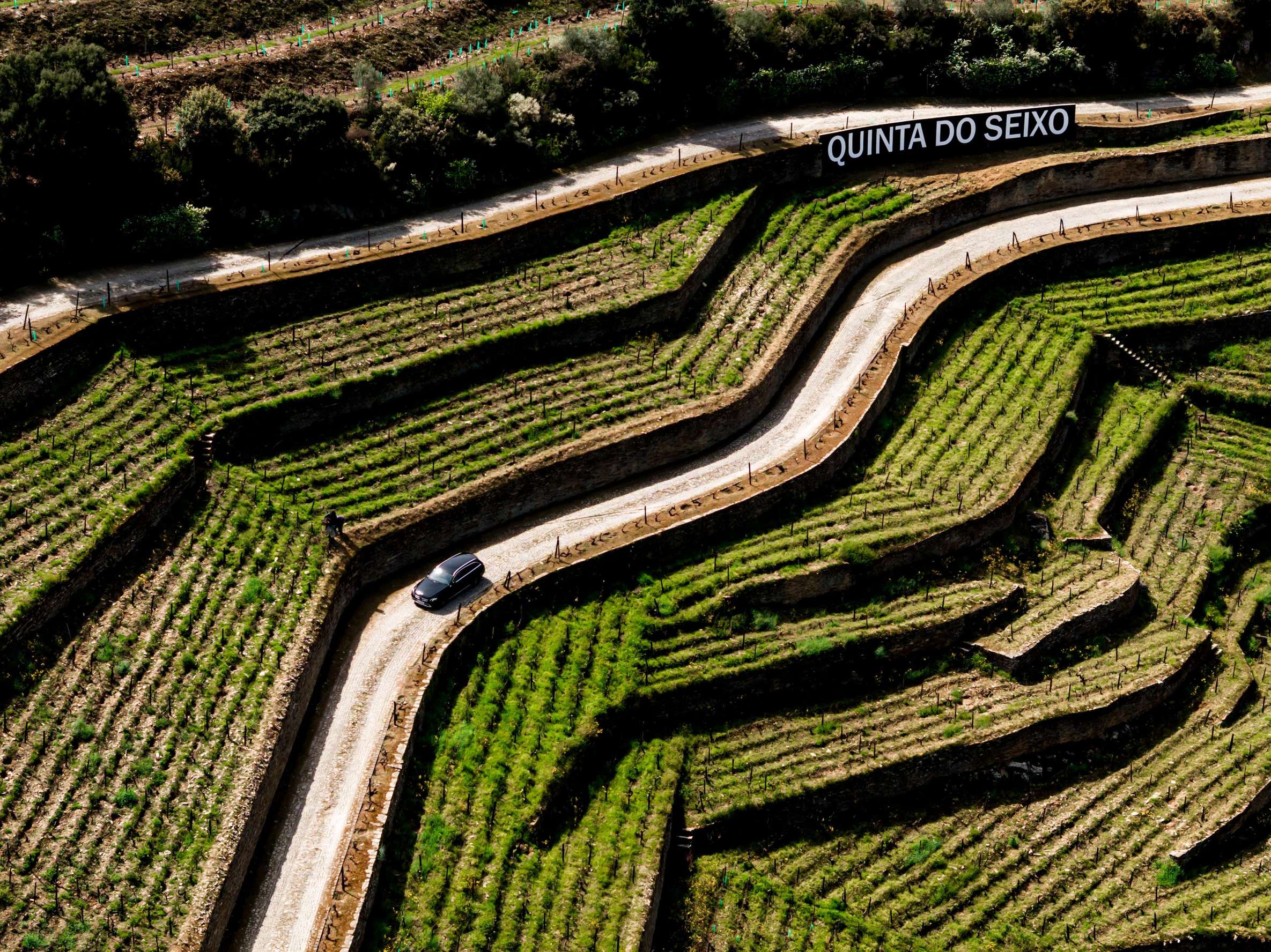
Take a tour if no one in your group wants to skip the wine, if you have a single day, or if hillside switchbacks sound like work rather than pleasure.
Make the trip yourself if you relish the independence: the train to Pinhão, walkable quintas, a boat from the quay. What nobody should do is drive the valley roads after tasting.
By car, the drive to Peso da Régua takes about 1 hour 15 minutes to 1 hour 25 minutes, and Pinhão is roughly 1 hour 45 minutes to 2 hours away.
The train from São Bento or Campanhã takes about 2 hours to Régua and 2 hours 15 to 2 hours 20 minutes to Pinhão. A full day out, door to door, runs 9 to 10 hours either way.
Yes. Take the train from São Bento to Pinhão and you can walk to estates such as Quinta do Bomfim, Quinta da Foz and Quinta de la Rosa, with the boat docks just a few minutes from the station. Local taxis wait outside the station for the wineries farther up the hills.
Sit on the right side of the carriage when heading into the valley. The train meets the water about an hour east of Porto, and from there to Pinhão you get water-level views of the terraced slopes.
Portugal's legal blood alcohol limit is 0.5 g/l, and the valley is an active area for breathalyzer checks by the police. The practical answer for a tasting day is simpler: a designated driver stays sober, or nobody drives. That is why most visitors hand the wheel to a guided tour.
The 27 kilometers between Peso da Régua and Pinhão hold 93 bends along the riverbank, and the stretch was named the world's best driving road in 2015.
It is fully paved and wide enough for two cars, though the switchbacks are steep and demand the driver's full attention. Drivers used to hill roads manage it comfortably.
The N222 bends are gentle enough to enjoy, and experienced drivers take them slowly and smoothly, but motion-sensitive passengers still feel the switchbacks. The train avoids the winding roads entirely, and one tour on this page pairs a boat ride with a scenic train leg through the valley.
Neither works well in the interior around Pinhão and Peso da Régua, because drivers routinely decline or cancel requests. Local taxis wait at the train stations in both towns, and wineries often keep taxi numbers on hand to call one for you. Arrange your return pickup before you head out to a hillside estate.
Two wineries at most, one one-hour river cruise, lunch, and a stop in Pinhão or Peso da Régua. That fills the day without rushing, since the round trip alone eats 3 to 4 hours of road or rail time.
Full-day cruises sail upstream from Porto, but they spend the day negotiating river locks and stop at Régua without room for tastings. The short cruises that pair with winery visits run out of Pinhão, so boat lovers usually travel inland first and cruise the vineyard stretch there.
One full day is enough to see the central highlights around Régua and Pinhão, and many people prefer a day trip over changing hotels for a single night. If you want a slower pace, an overnight at a quinta in Régua or Pinhão takes the return journey off your mind.
Older children do well, and wineries generally welcome them with gardens and grape juice during tastings. The long day and winding roads can exhaust toddlers, and some tours set minimum ages, so check before booking. Baby carriers beat strollers on the uneven terrace paths.
Reserve winery visits well before you travel, since popular quintas turn away walk-ins. For September and October, book train tickets about a month ahead and reserve harvest experiences 3 to 4 months early, because dates at sought-after estates fill up by June.
Once you know how you'll travel, pick the river cruise that fits your day, from short loops out of Pinhão to longer sails.
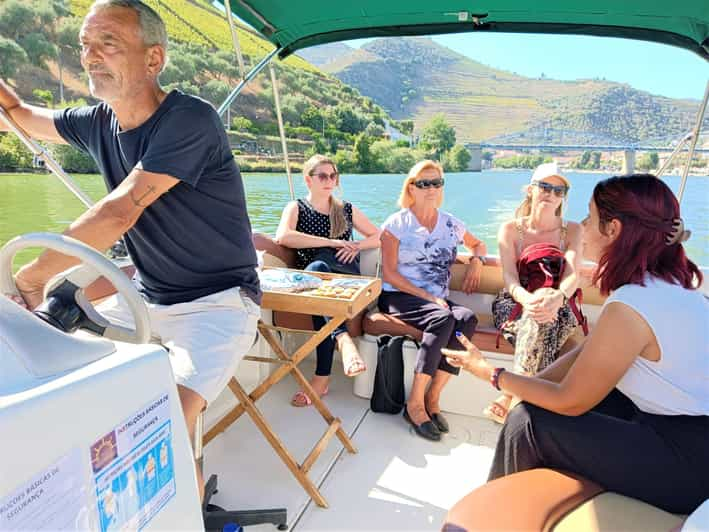
Skip the shared deck. These private river charters from the valley show you a quieter side of the Douro with your own group.
A guided day tour bundles the drive, the viewpoints, the tastings and lunch, so nobody in your group has to plan the route.
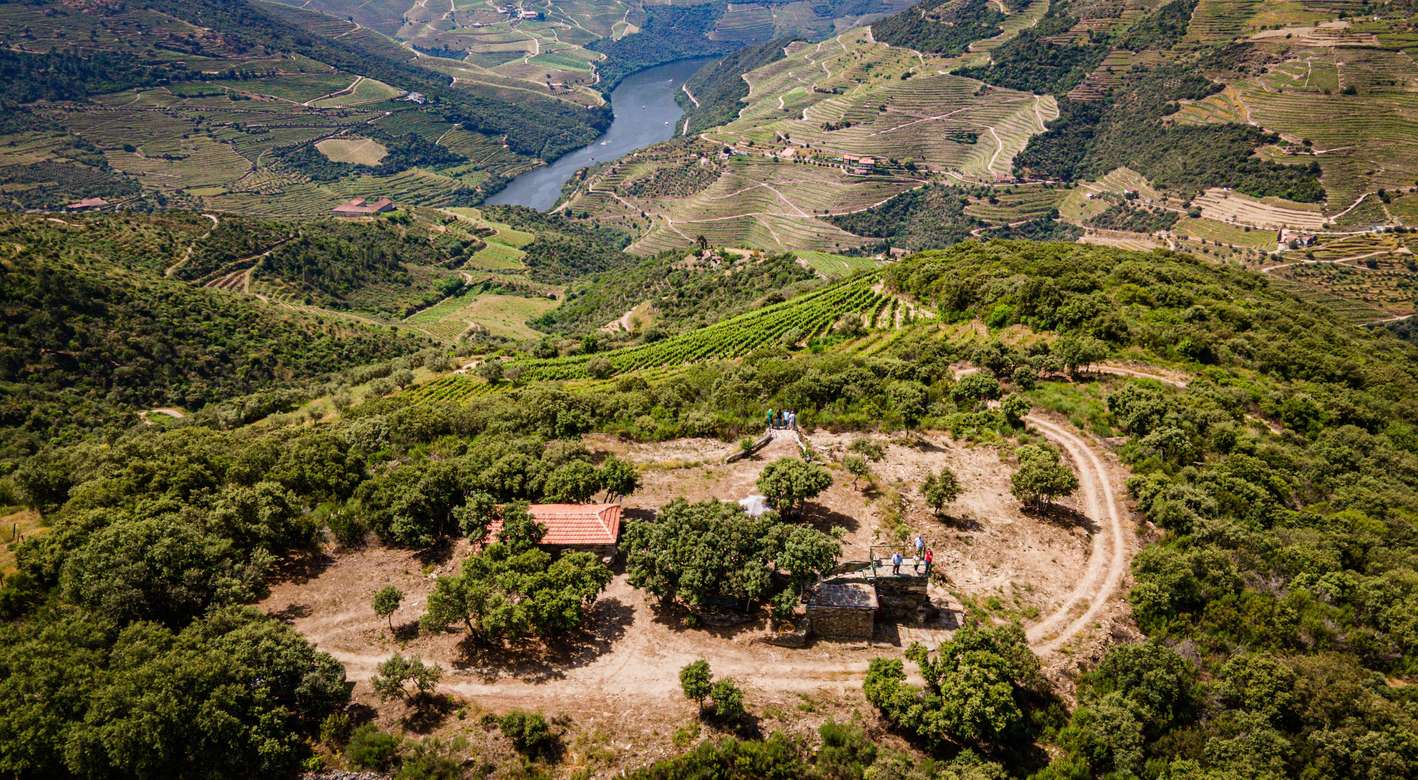
Reach the valley by train and then trade the vehicle for a vineyard walk between the terraces with a local guide.
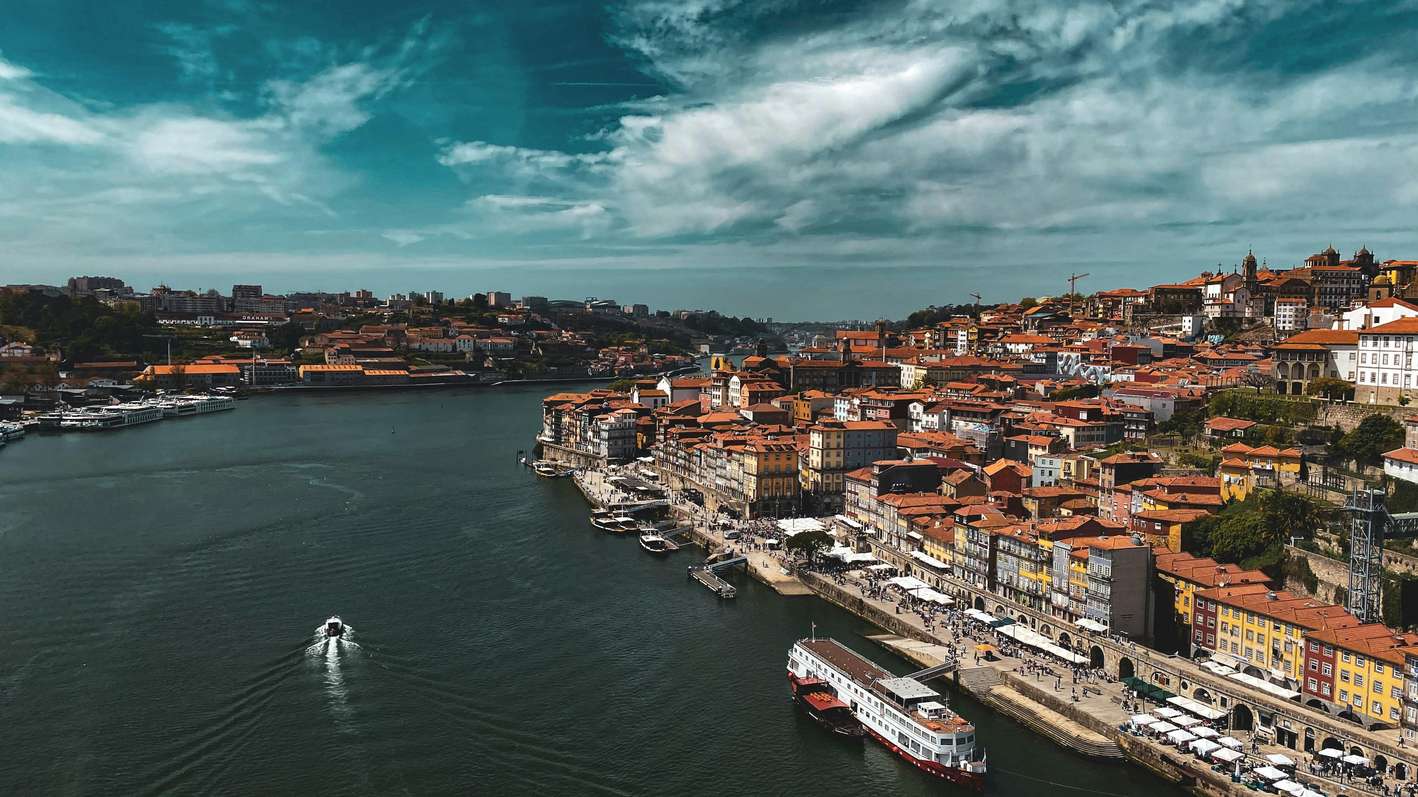
One day from Porto feels short. A three-day itinerary spreads the tastings, hikes and river time over slower days.
If you'd rather share the van with eight people than fifty, these small-group wine tours keep the day personal.

A private wine tour lets you set the timetable yourself, with a driver-guide who knows which quinta pours what.
Prefer the valley on foot rather than behind a windshield? These premium sommelier tours pair the drive with far better cellars.
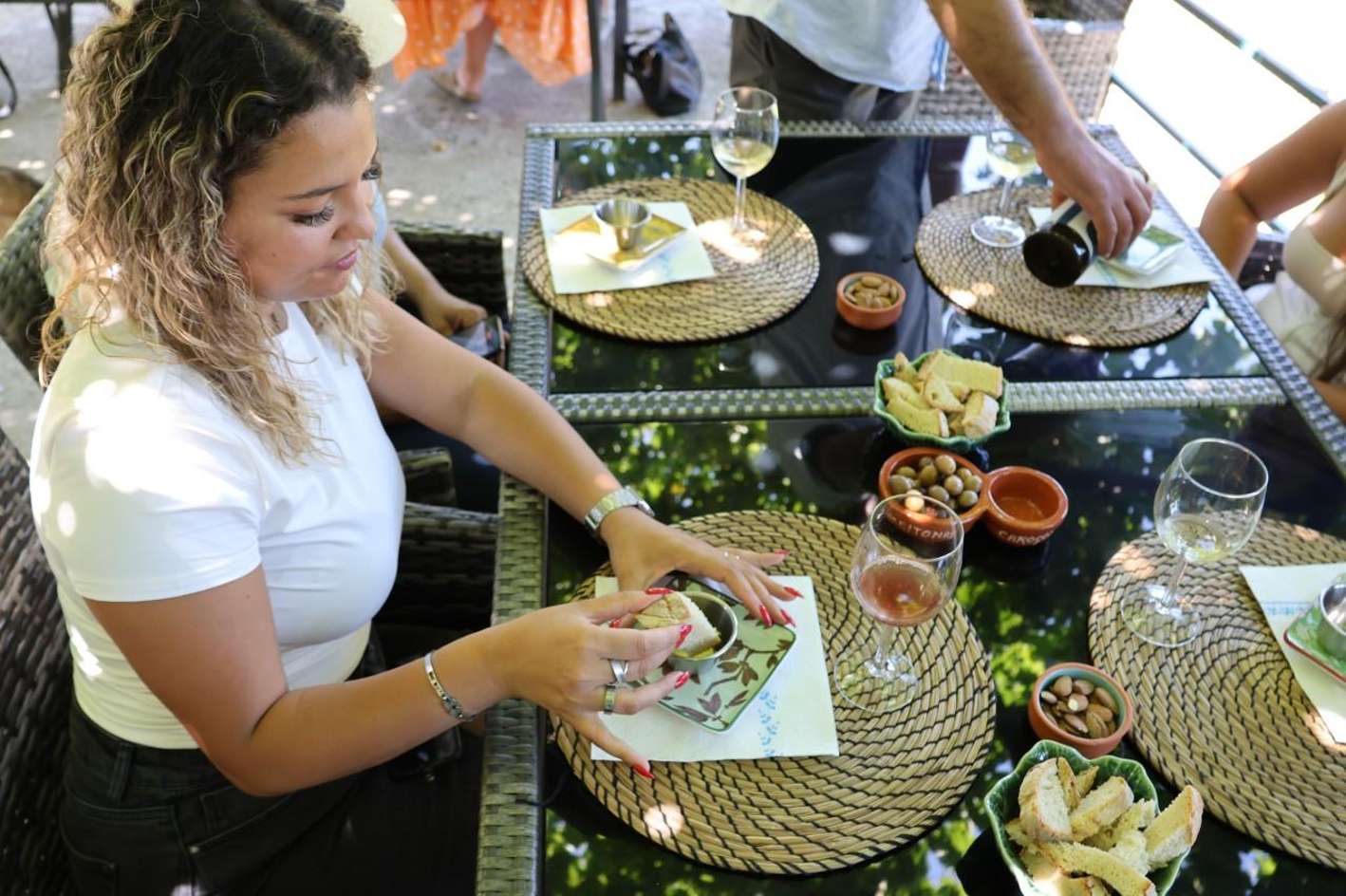
Short on hours? Half-day options from Porto still fit a winery visit and a cruise into a morning or an afternoon.
Ready to give the valley a whole day? See how a full schedule splits transit, tastings, lunch and the boat ride.
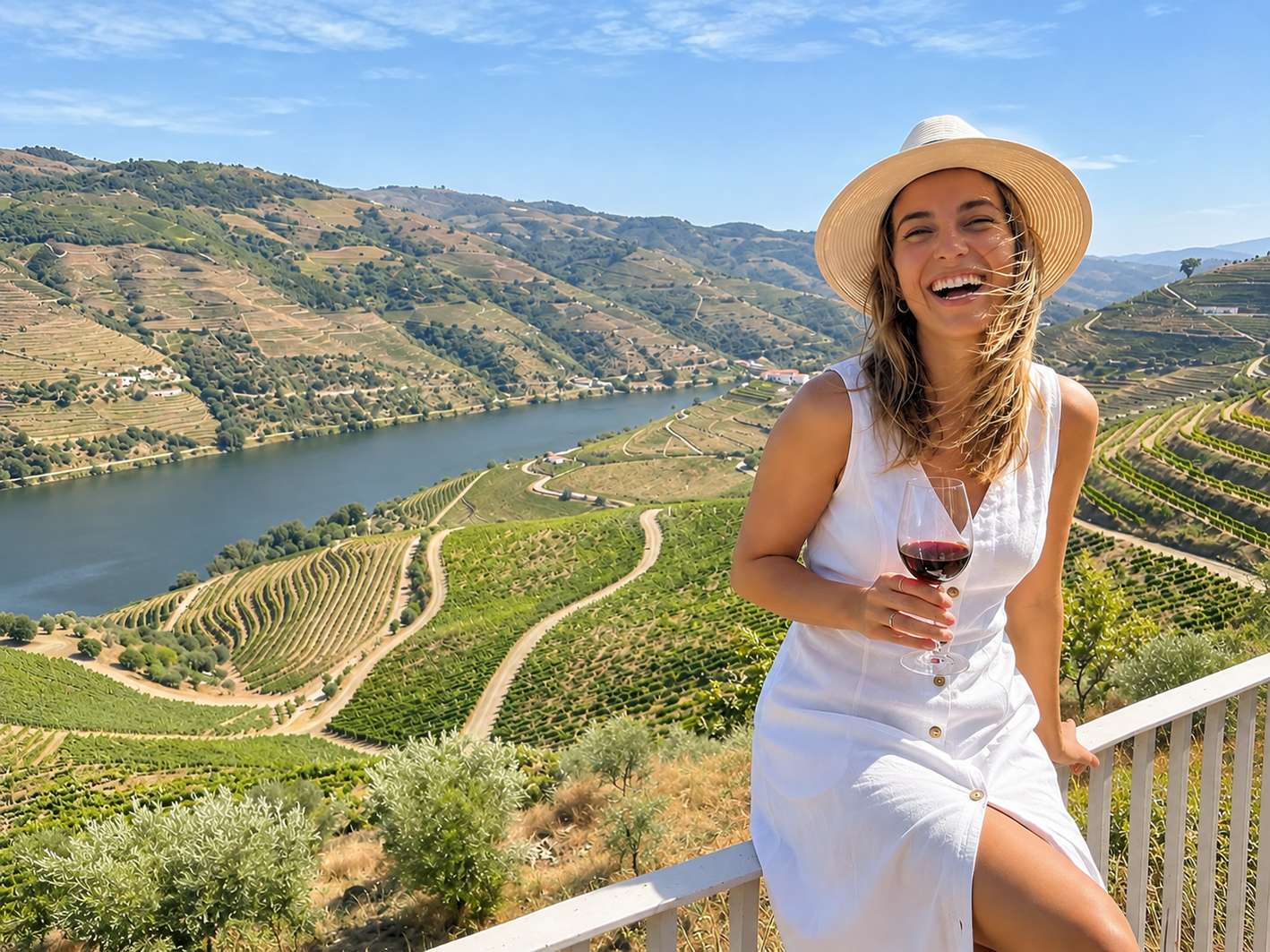
Travel in late September and you can pick grapes and tread them in a stone lagar. These harvest tours explain when and where.
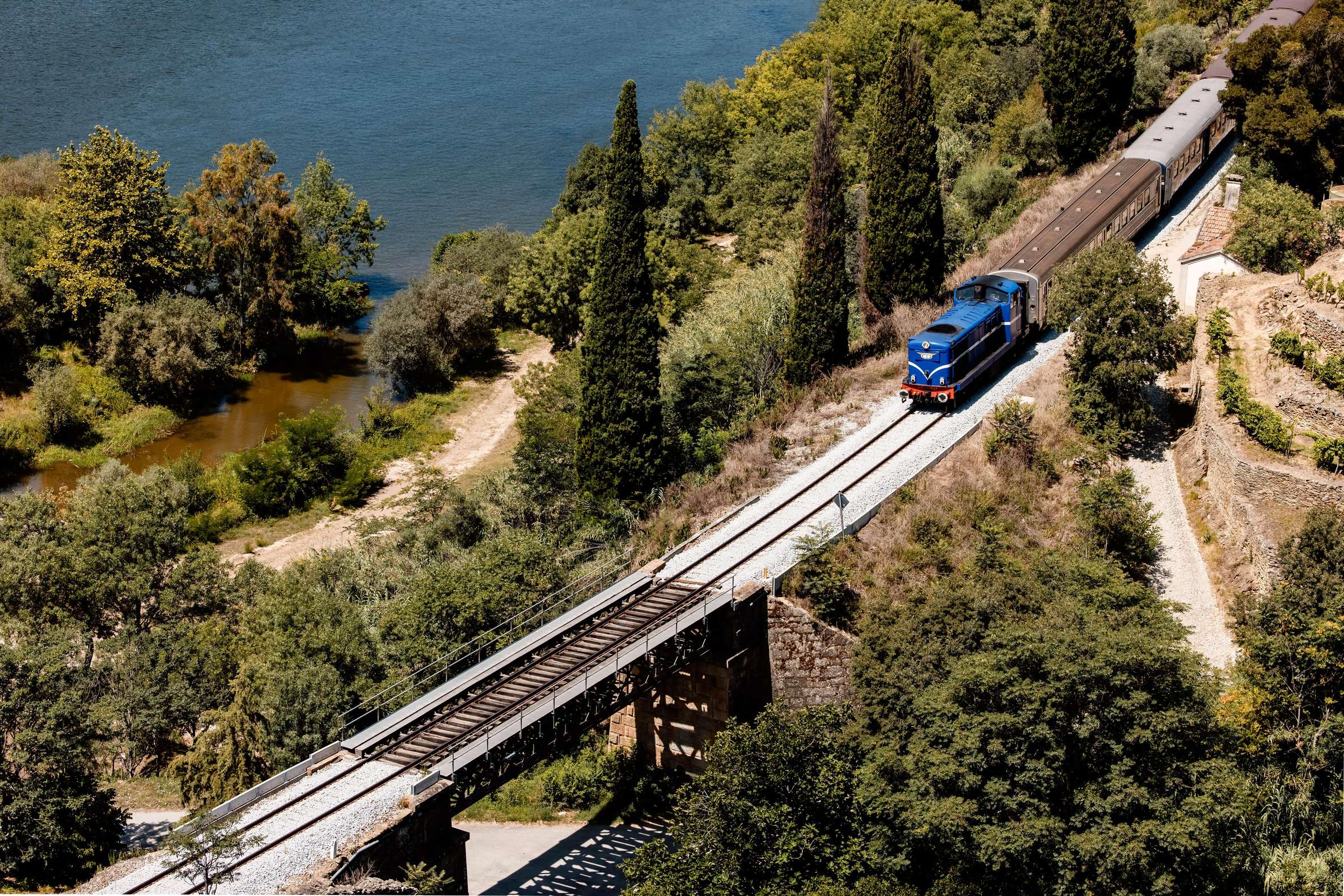
Combine the river by boat, the valley by train, a winery tasting and lunch in one 7-hour day, with no car or timetable worries. Book ahead, because seats fill up.