Douro Valley Wine Tour in a Half Day Short Tour Options from Porto
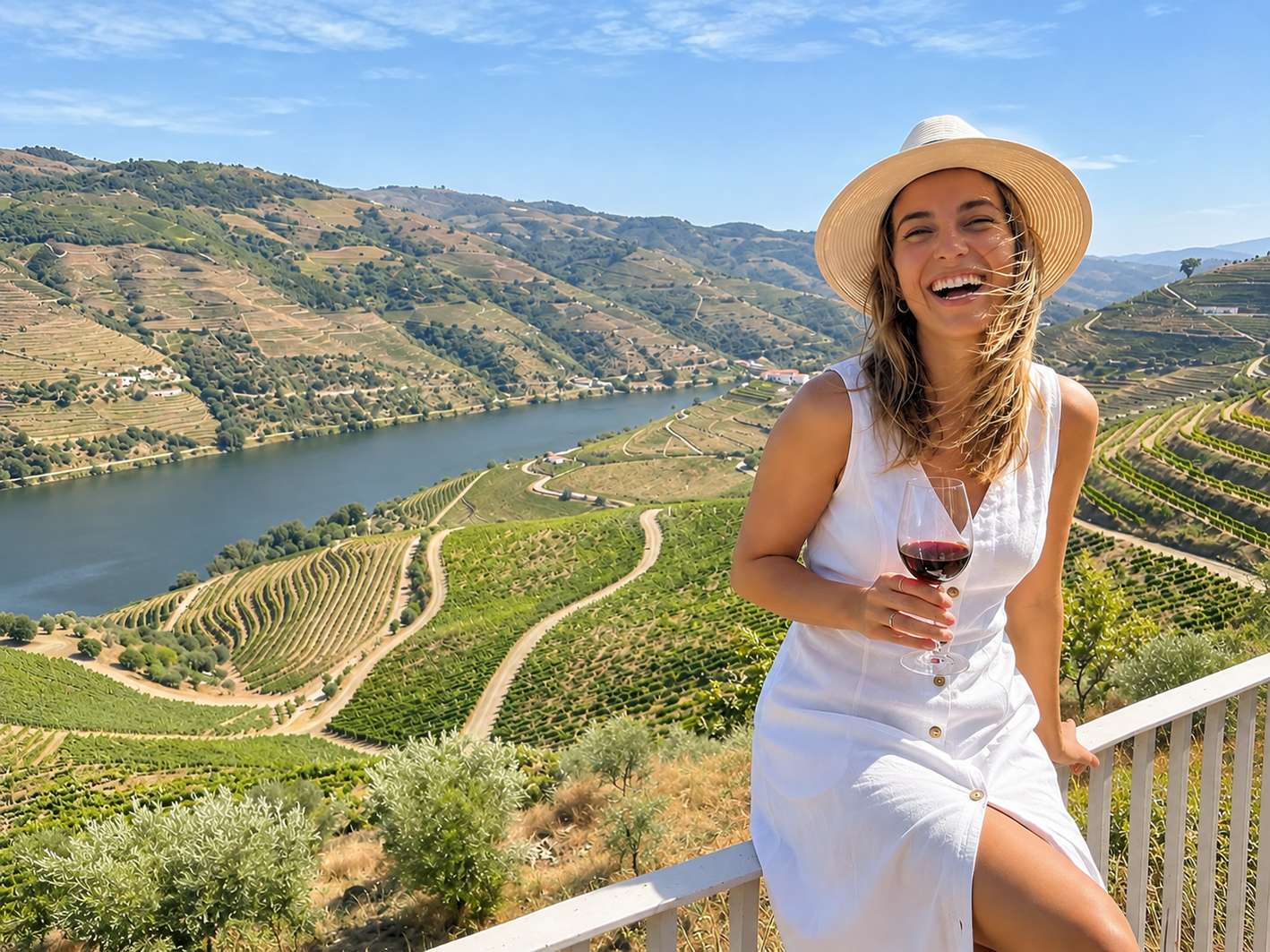
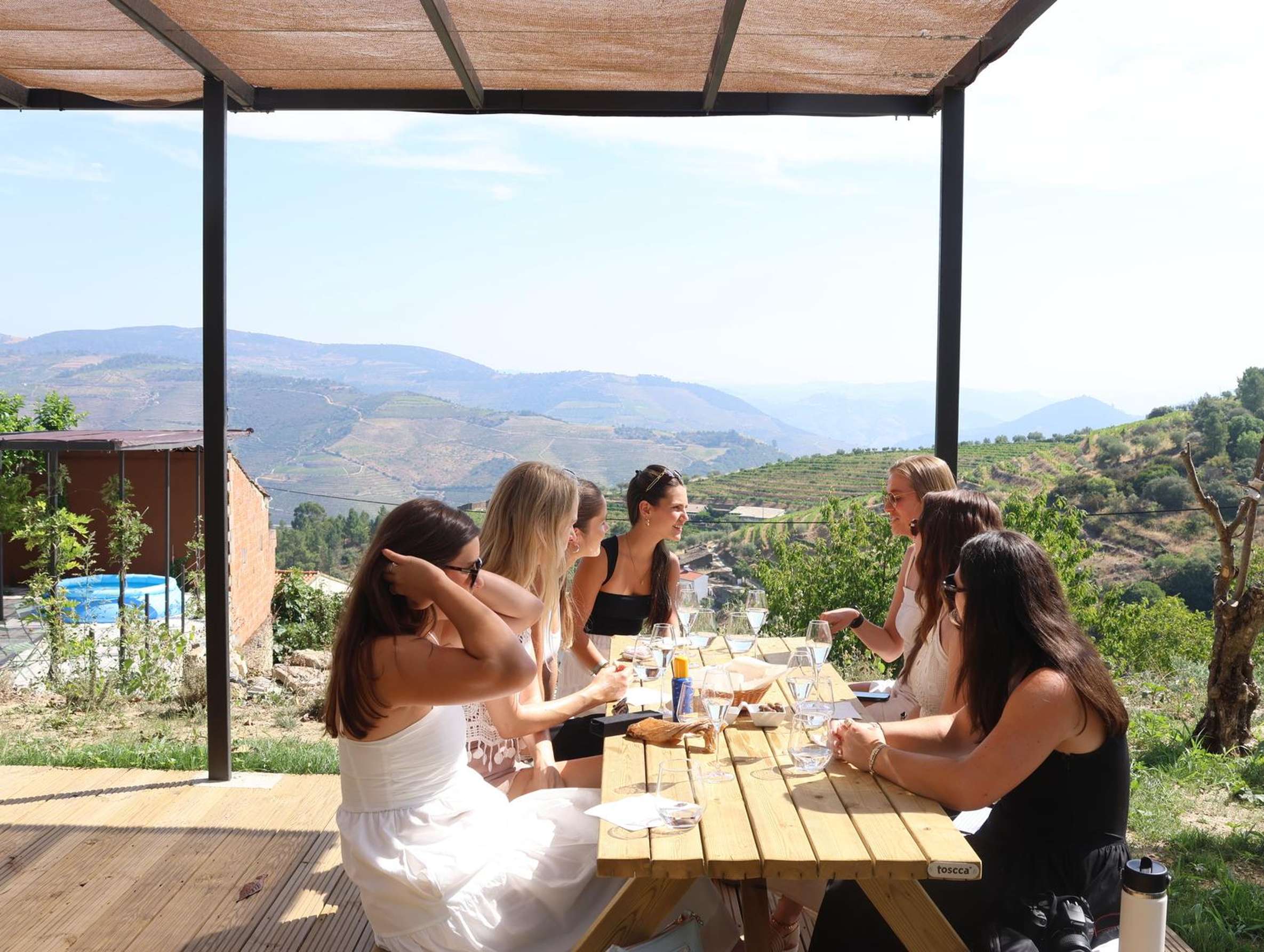
See the valley in half a day, not a whole one. Sip Douro wines at a family quinta, cruise the river with a glass of sparkling wine aboard, and be back in Porto by mid-afternoon with your evening plans intact. The streamlined tasting route skips the long sit-down lunch and keeps the terraces, the cellar and the water views.
4.7★average rating42,652traveler reviews100%free cancellation42countries travelers came from
Half Day in the Douro Valley - pick your short trip
A wine trip from Porto comes in two shapes. The full day fills ten hours with two wineries, lunch and a river cruise. The half day squeezes a winery visit and a boat ride into about six hours, so you are back in Porto by late afternoon. Families with small children, slow starters and anyone who wants an evening in Porto afterward usually pick the shorter one.
Arrival timeTours with a meeting point want you there 15 minutes before the start, and one tour operator waits only 5 minutes after the scheduled time before leaving.
Drinking agePortugal sets the legal drinking age at 18, so under-18s can join a tour but skip the wine.
AgeYoung children: Two of the Porto day tours turn away children under 6, and several full-day options carry minimum ages of 6 or higher.
Car seatsChildren under 12 who are shorter than 135 cm must ride in an approved child restraint in the van, in the back seats.
DietsVegetarian and gluten-free lunches exist on several tours, but you must request them before the day of the booking.
IDSome Douro Valley tours ask travelers to carry a passport or ID card, so pack one.
Getting thereThe drive from Porto takes 1.5 to 2 hours each way, so a half-day tour is the way to keep the road time down.
WeatherRain moves tastings indoors and tours use covered boats, and one operator swaps the cruise for another activity if the river turns unsafe.
CancellationBooked tours can be canceled up to 24 hours ahead for a full refund.
FootwearEstate paths run over uneven stone and dirt, so wear sturdy walking shoes.
importantWine tasting on these half day tours is limited to adults aged 18 and over, and several tours from Porto do not accept children under 6 at all.
If you travel with young children, pick a tour that accepts them or arrange an activity in the valley that suits their age, and bring an approved child restraint for anyone under 12 or shorter than 135 cm, because Portuguese law requires it in cars.
Half Day Tour options to compare
Best short option
3 hours·Portuguese, English
4.5(526)
From Pinhão: Douro Valley Tour w/ Wine Tasting and Boat Trip
Runs just 3 hours with a 50-minute boat trip, winery tasting and guide, leaving the rest of your day free.
What a half day wine tour of the Douro Valley includes
6 stopsabout 2.5 h12 places
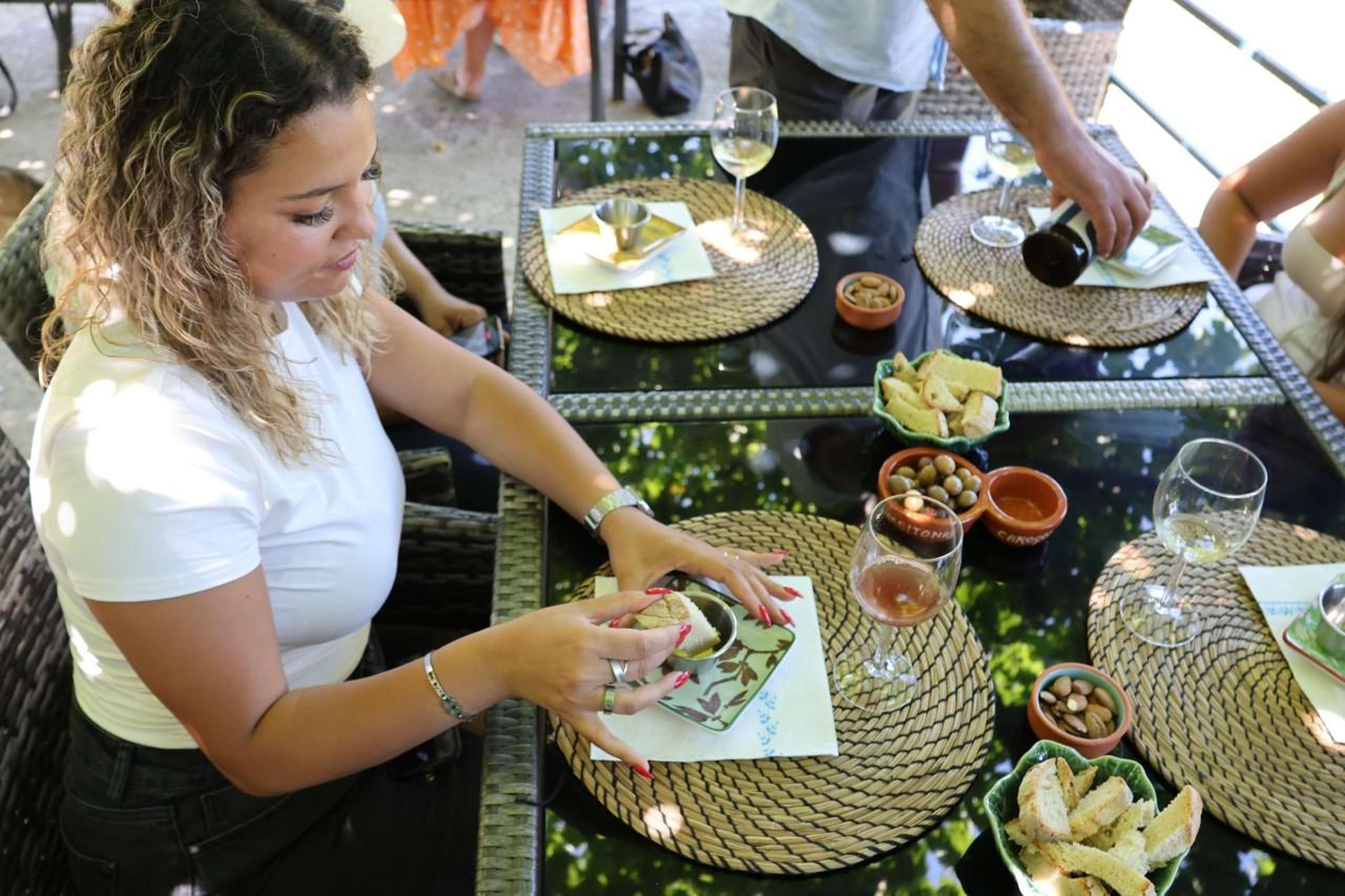
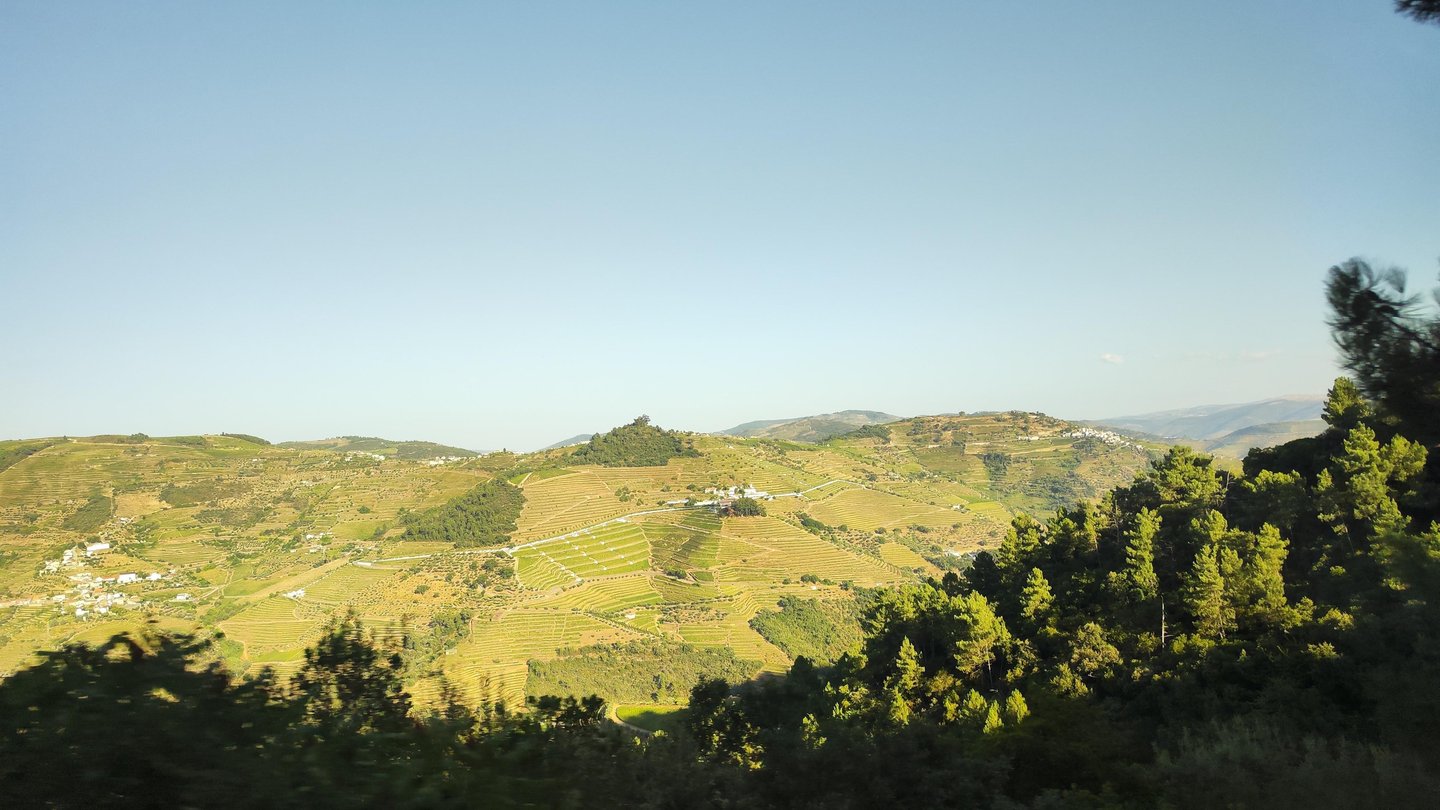
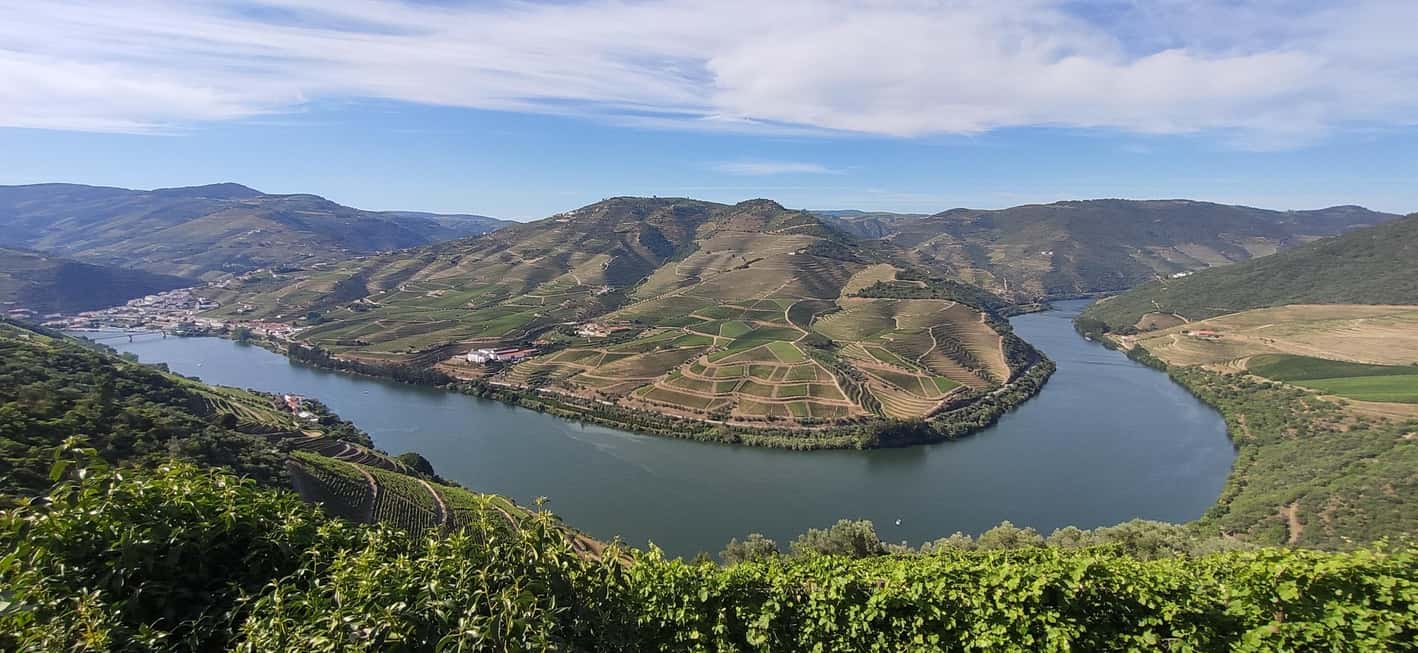
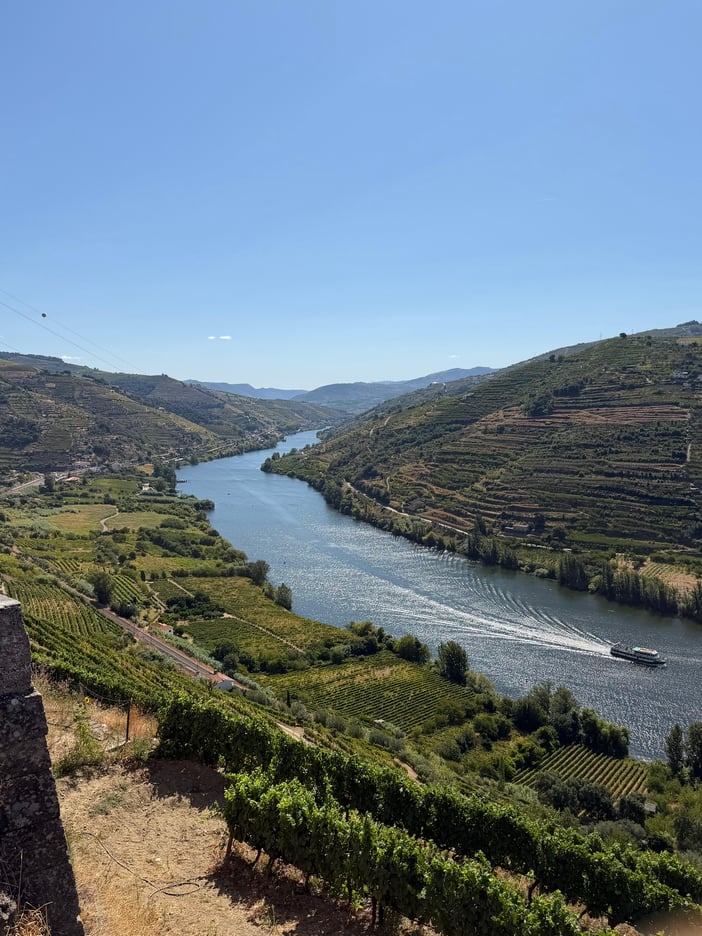
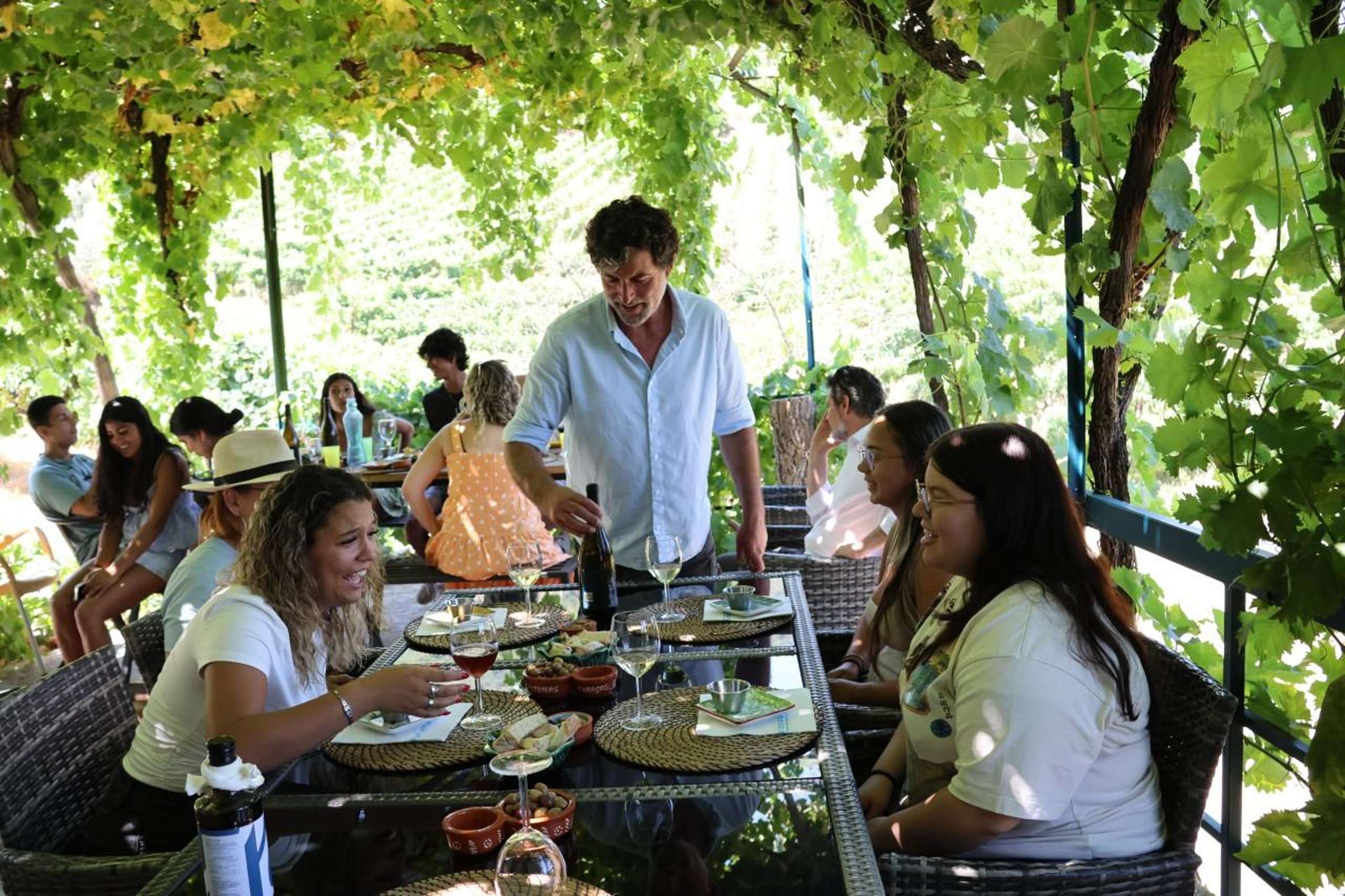
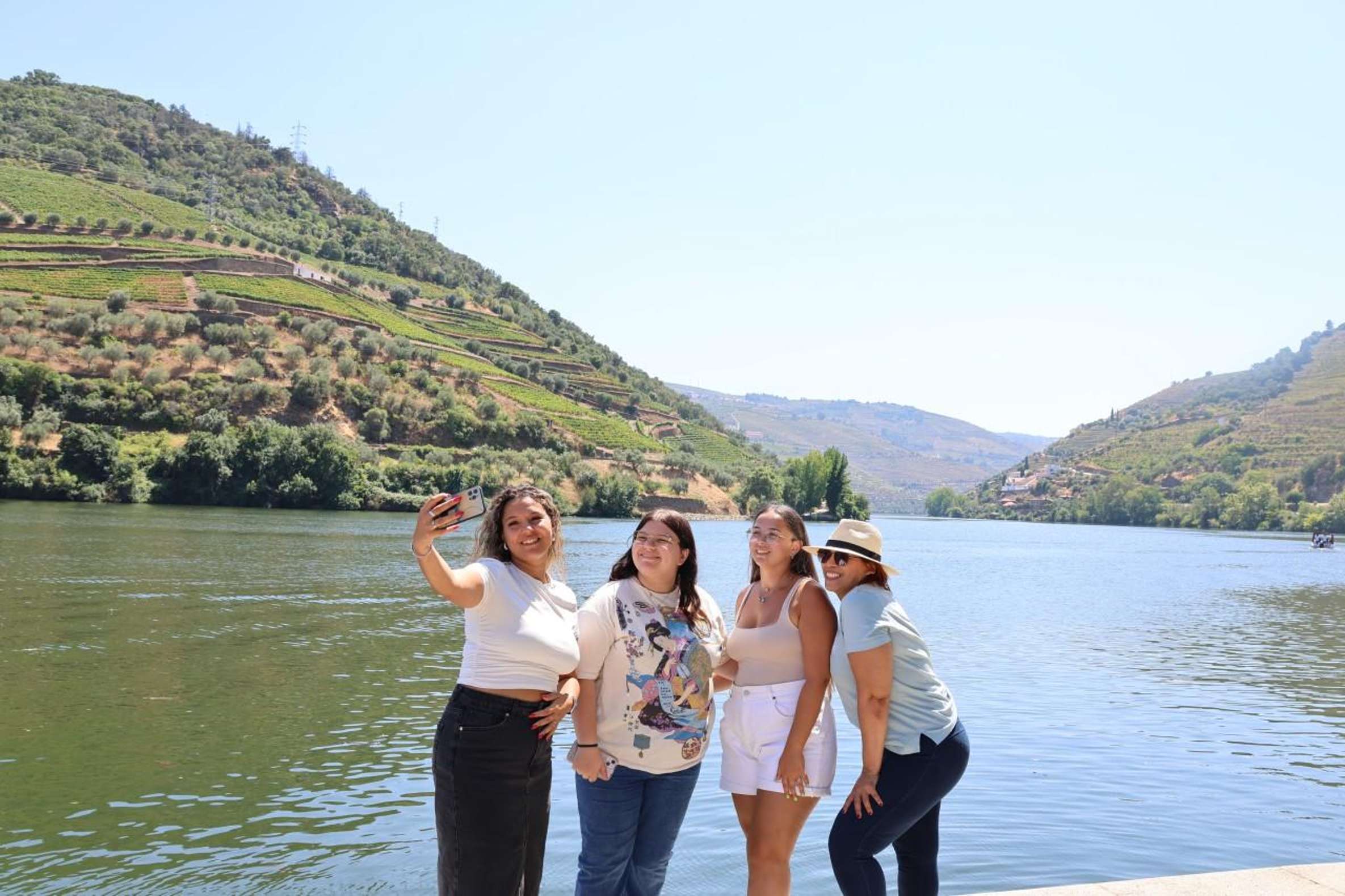
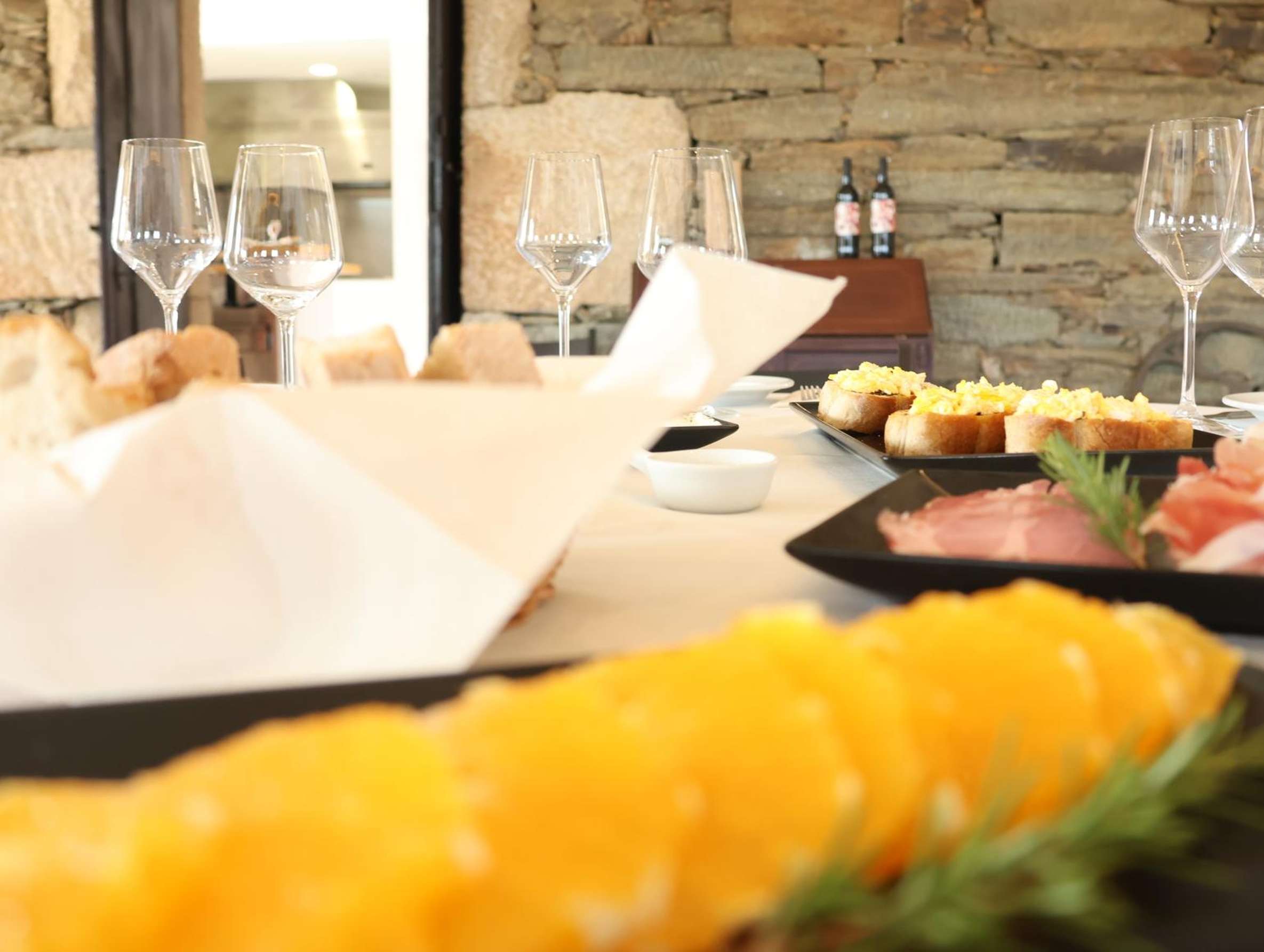
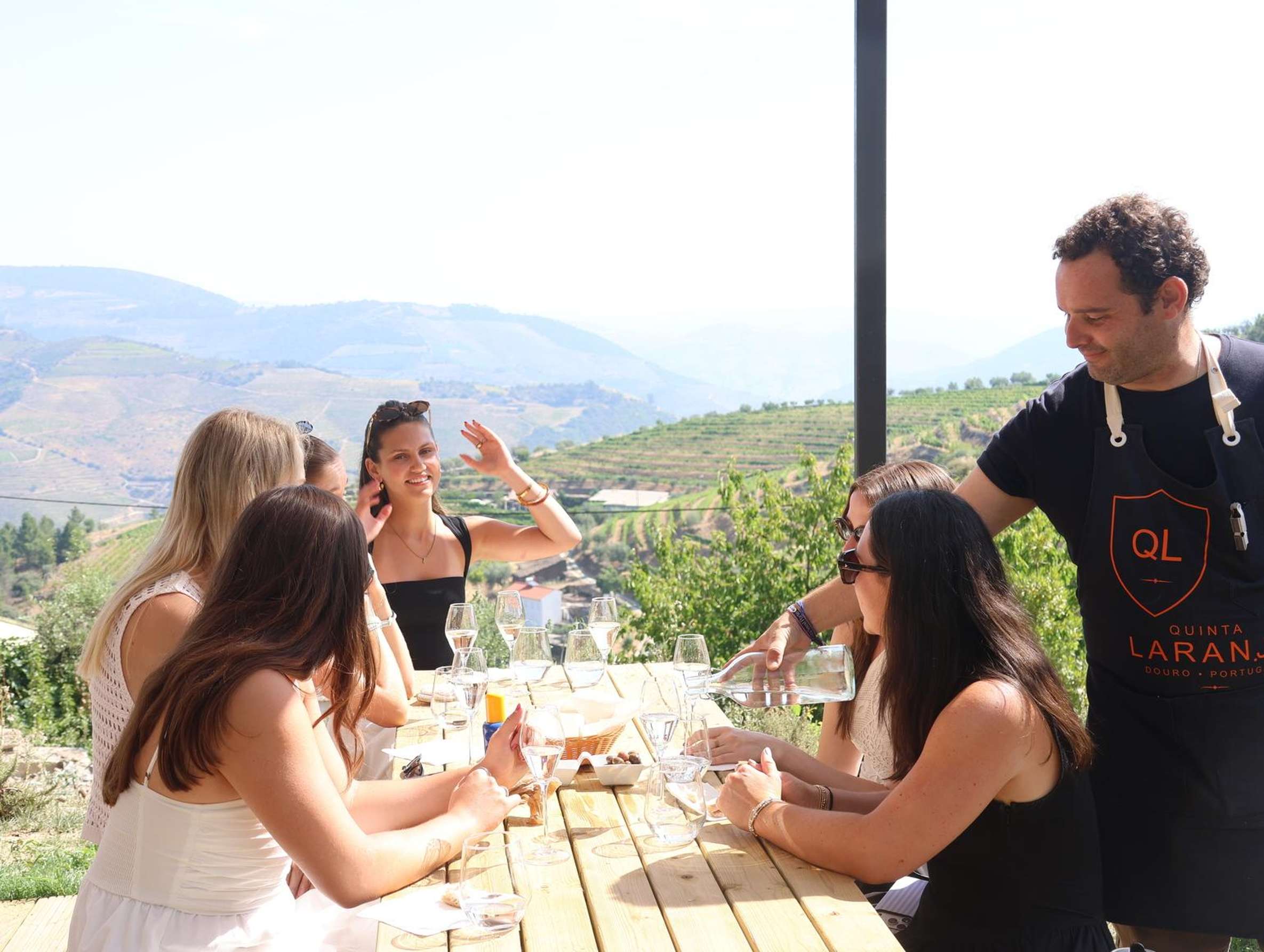
The day starts on the river road, not in a cellar. After the drive out of Porto, the van pulls over at a viewpoint above the terraces, then continues to a small family-run quinta where brunch is laid out with the estate's reds, whites and olive oil.
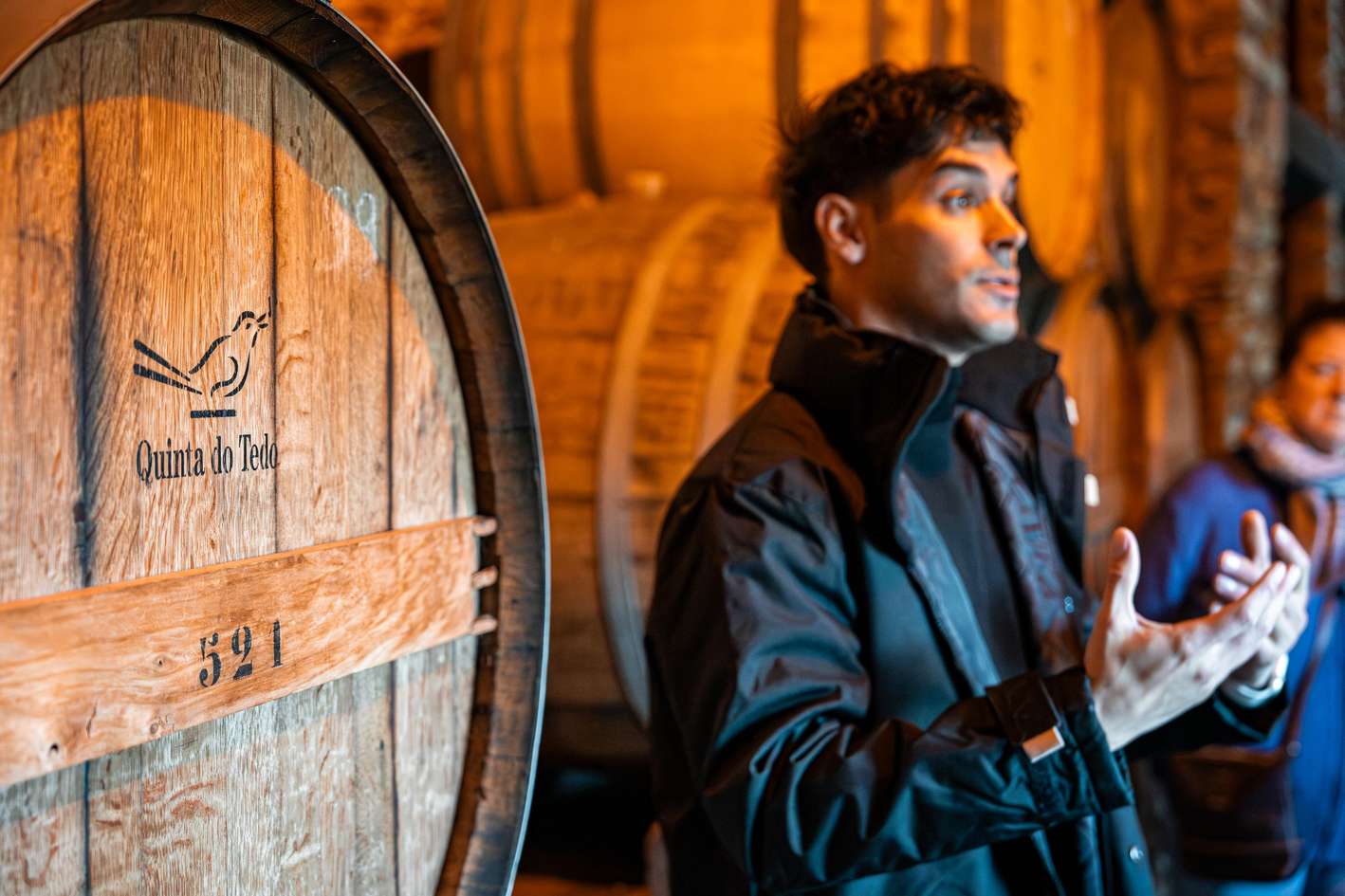
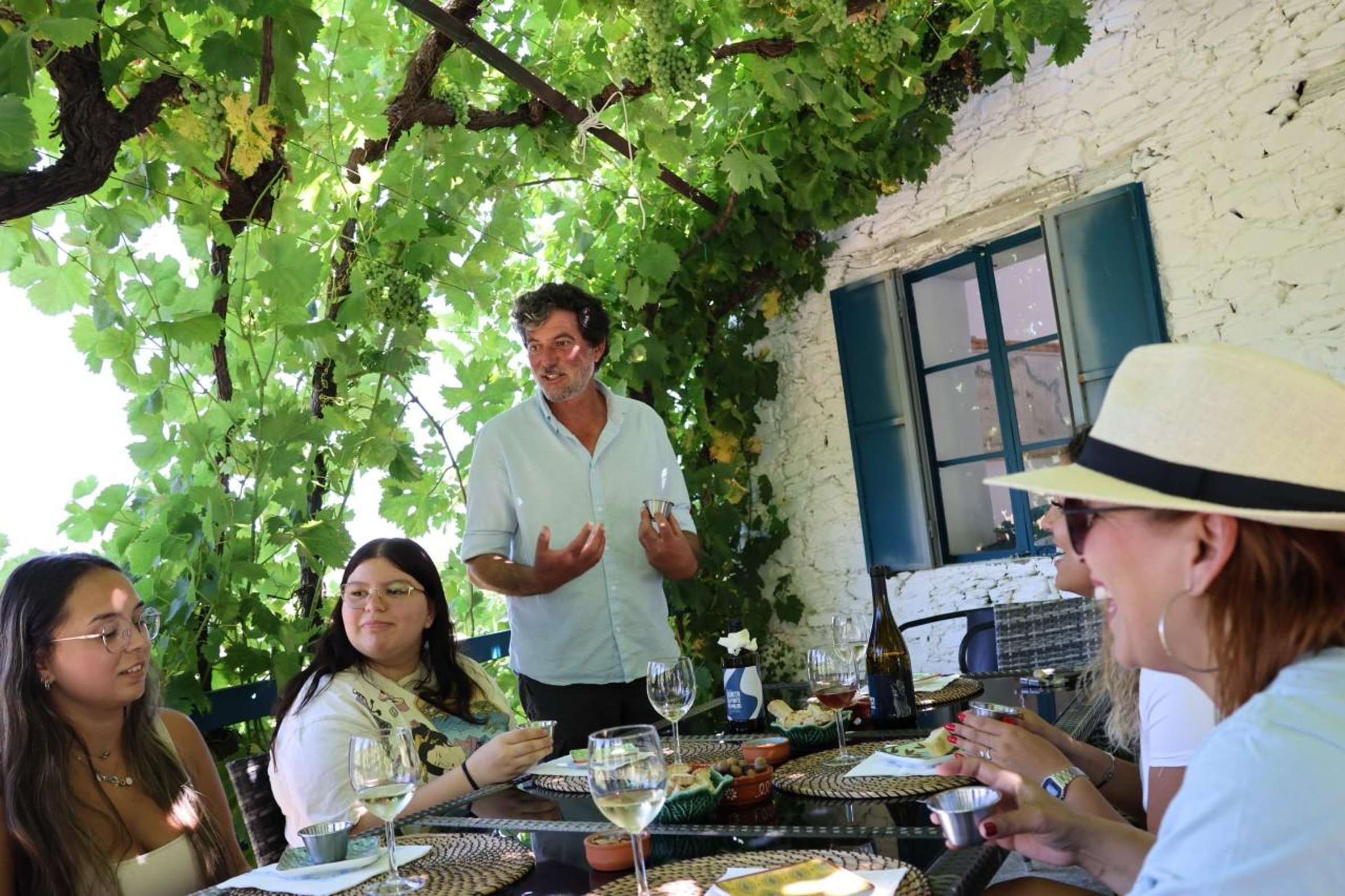
Ninety minutes there, and the family's own stories come with the pours.
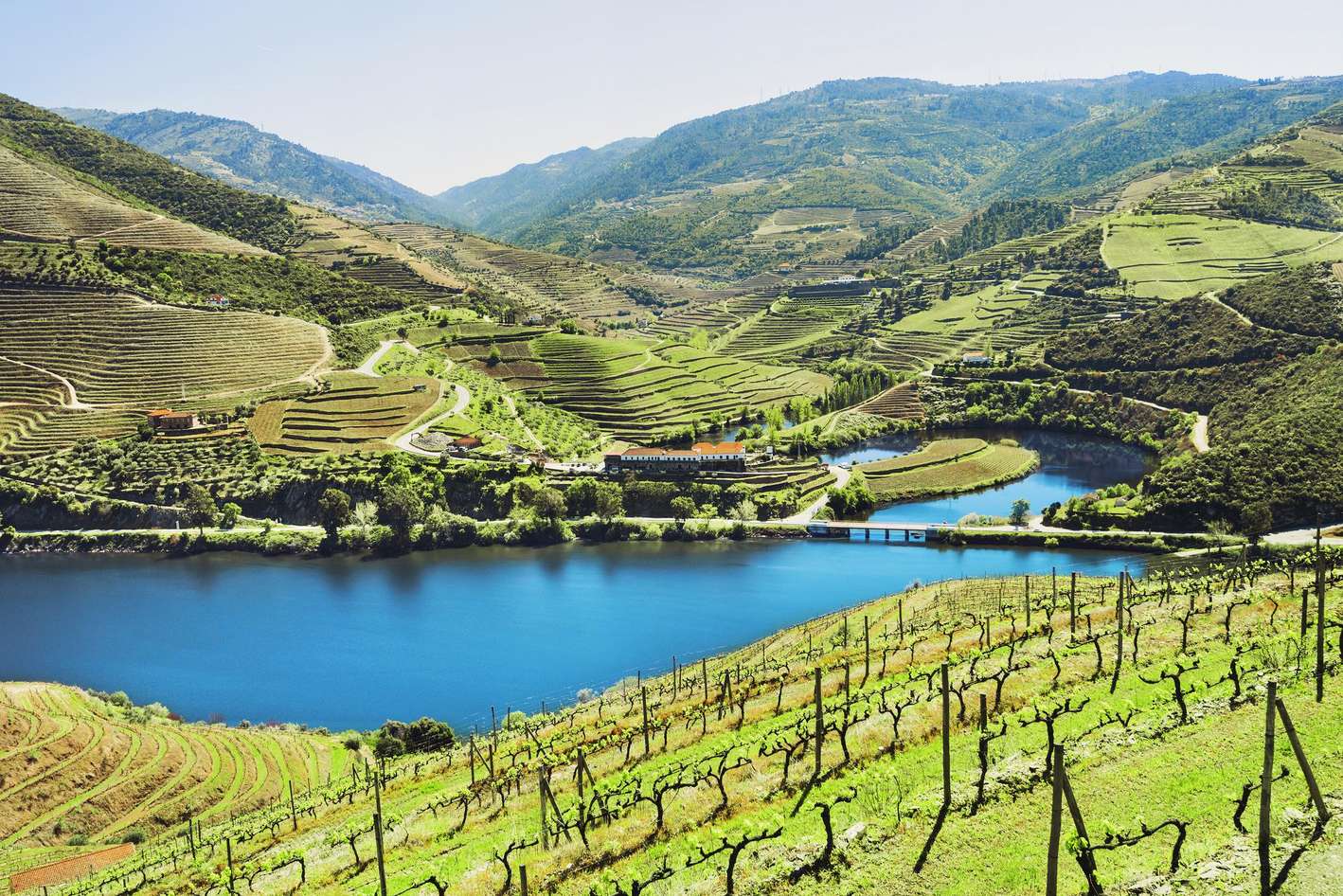
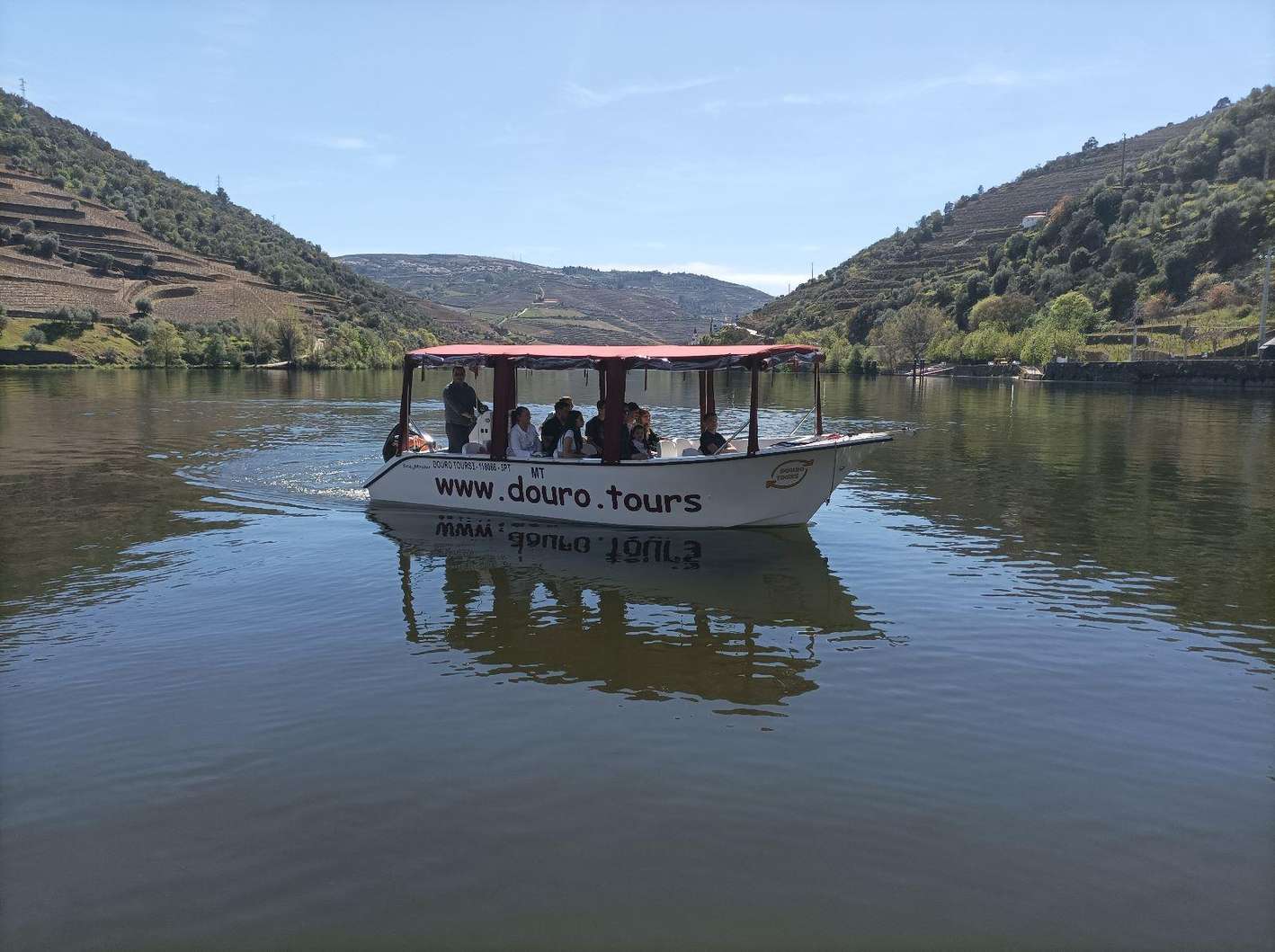
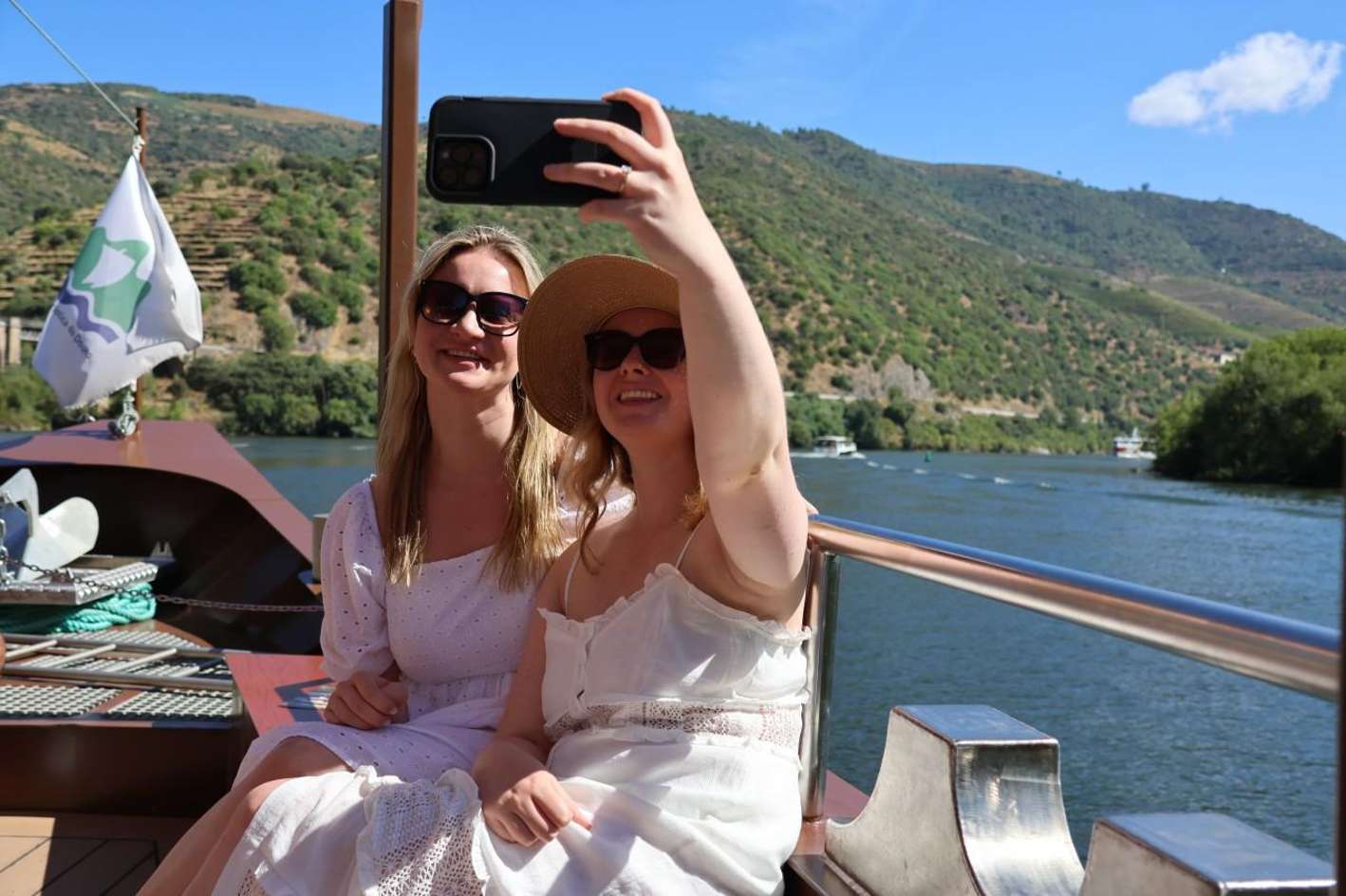
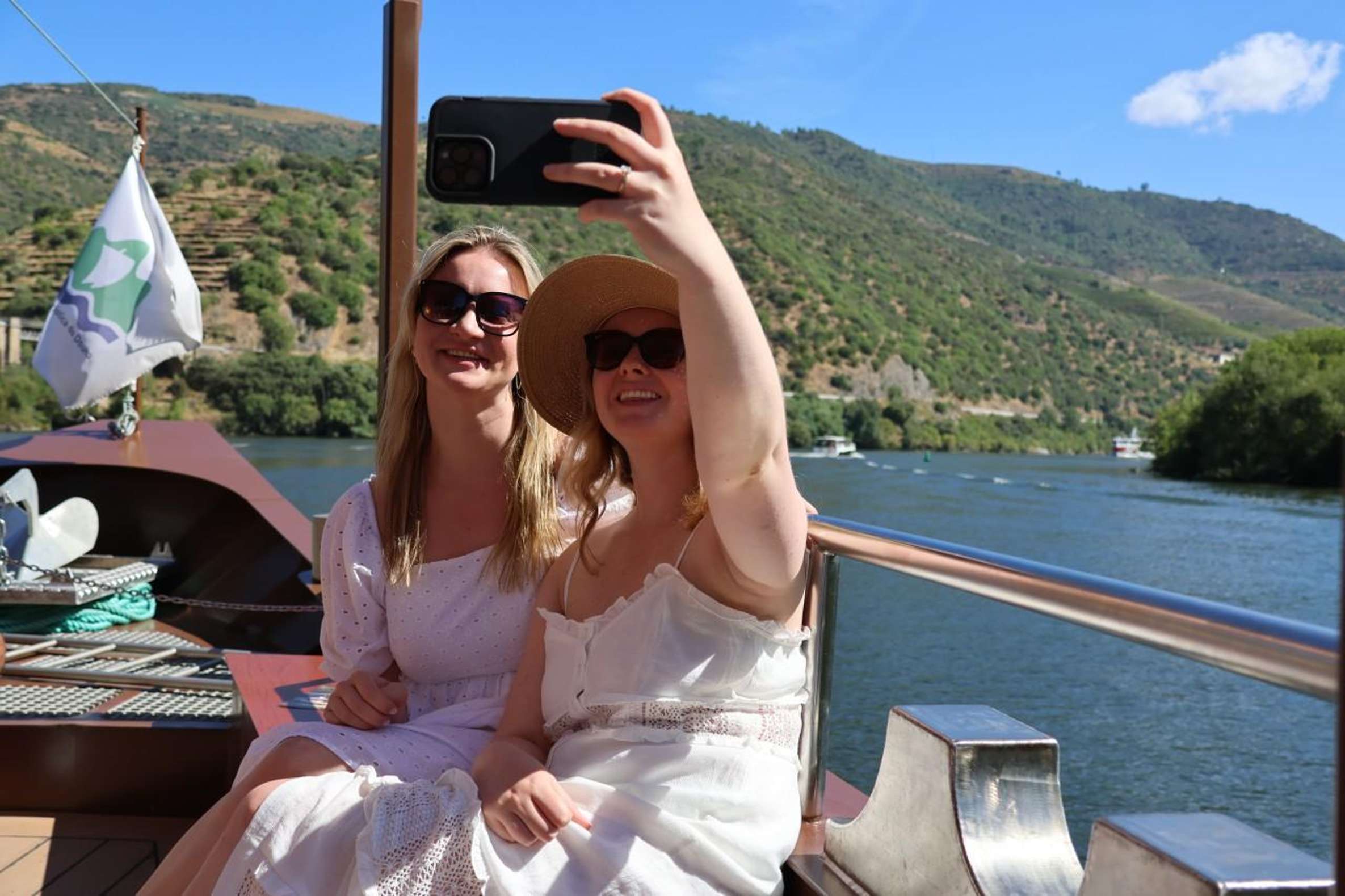
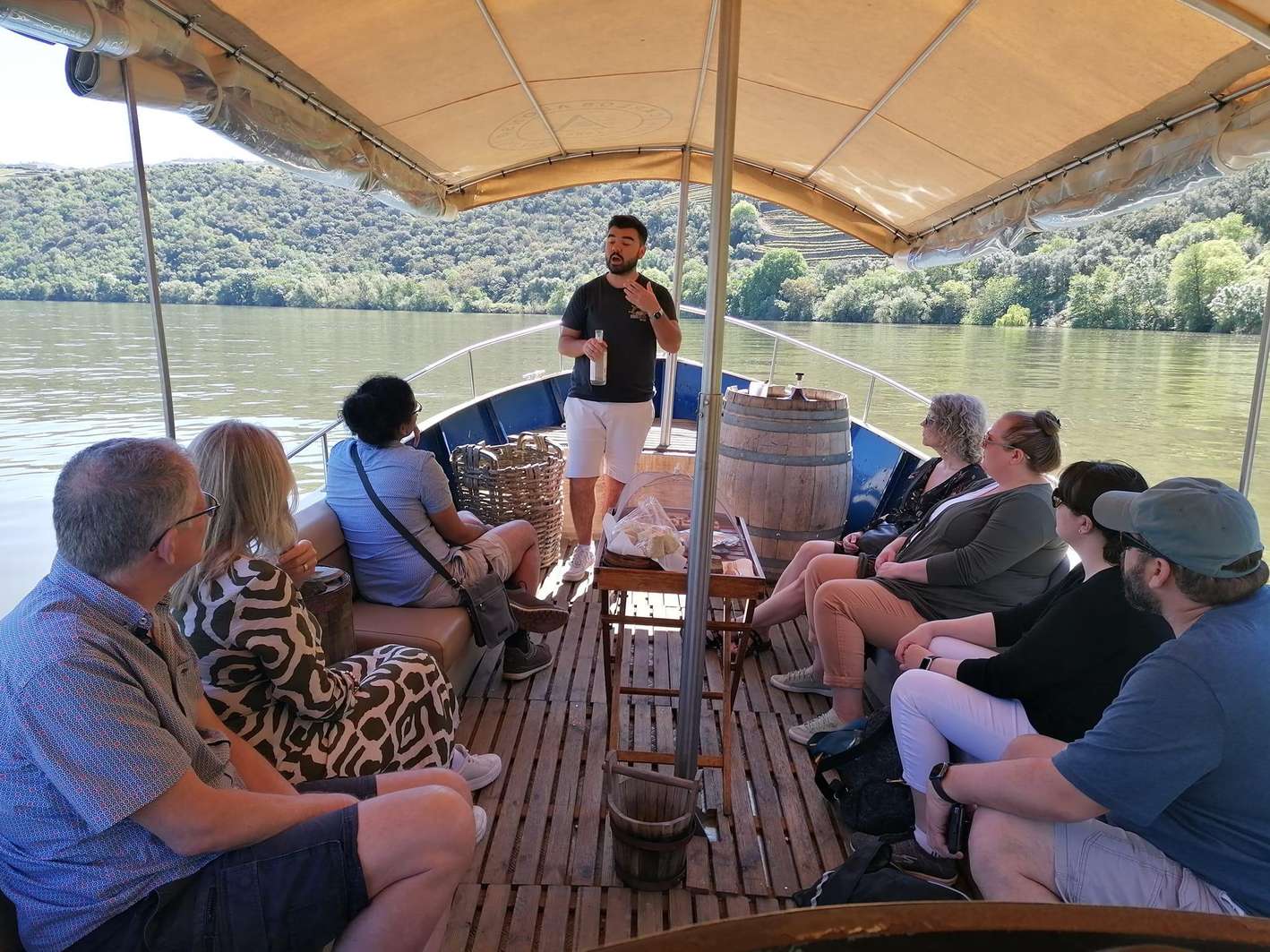
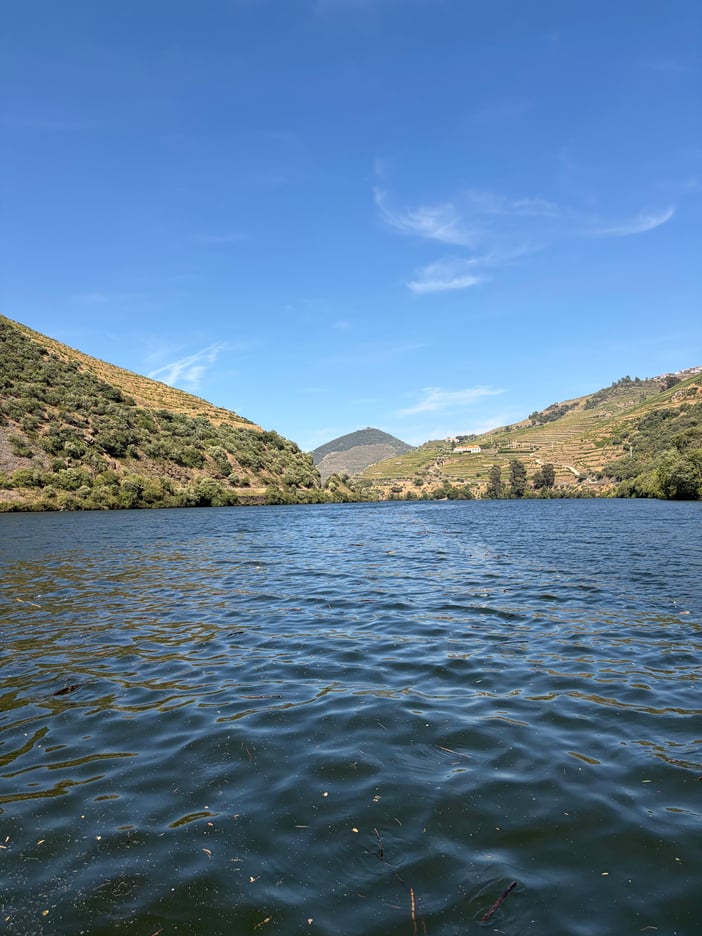
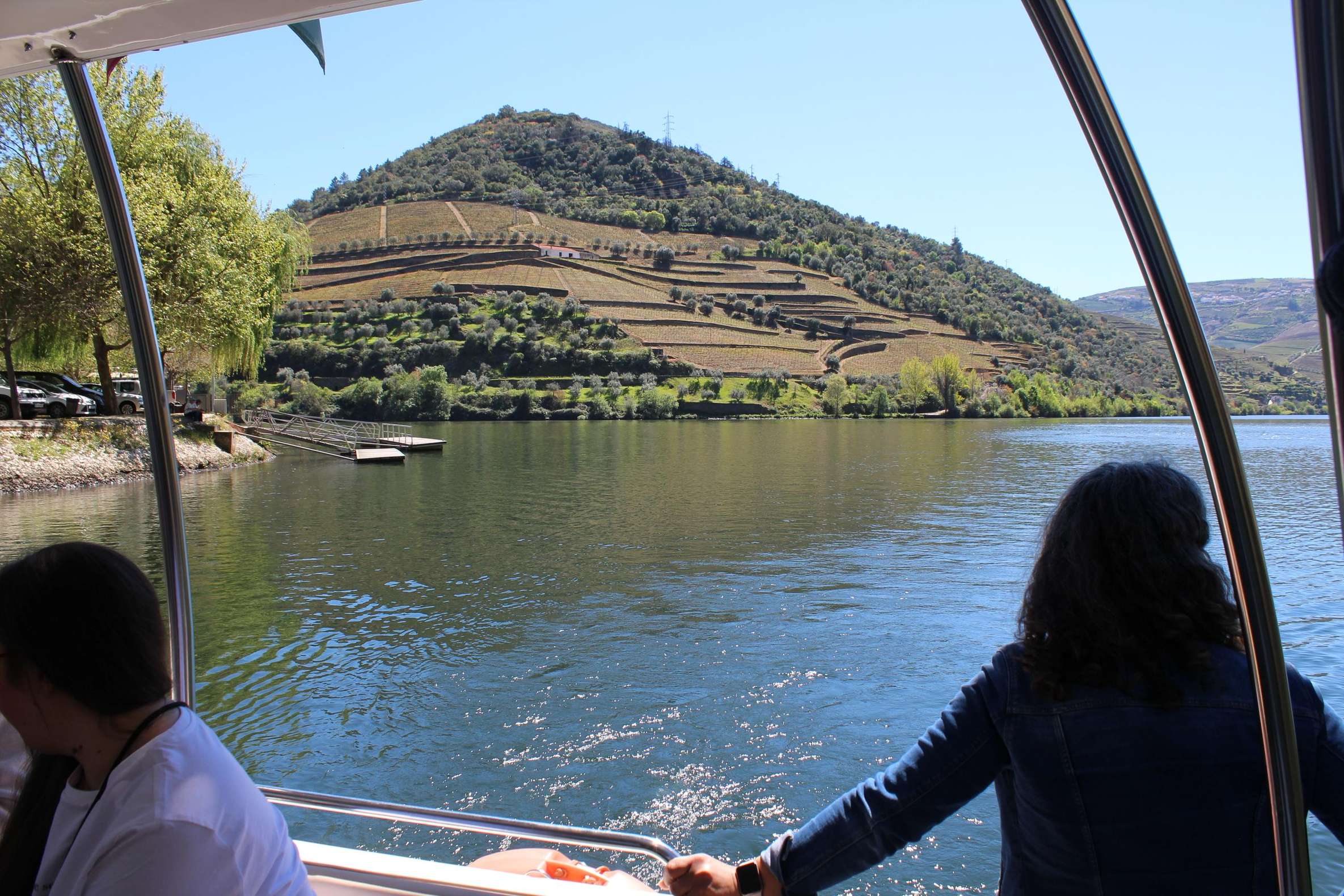
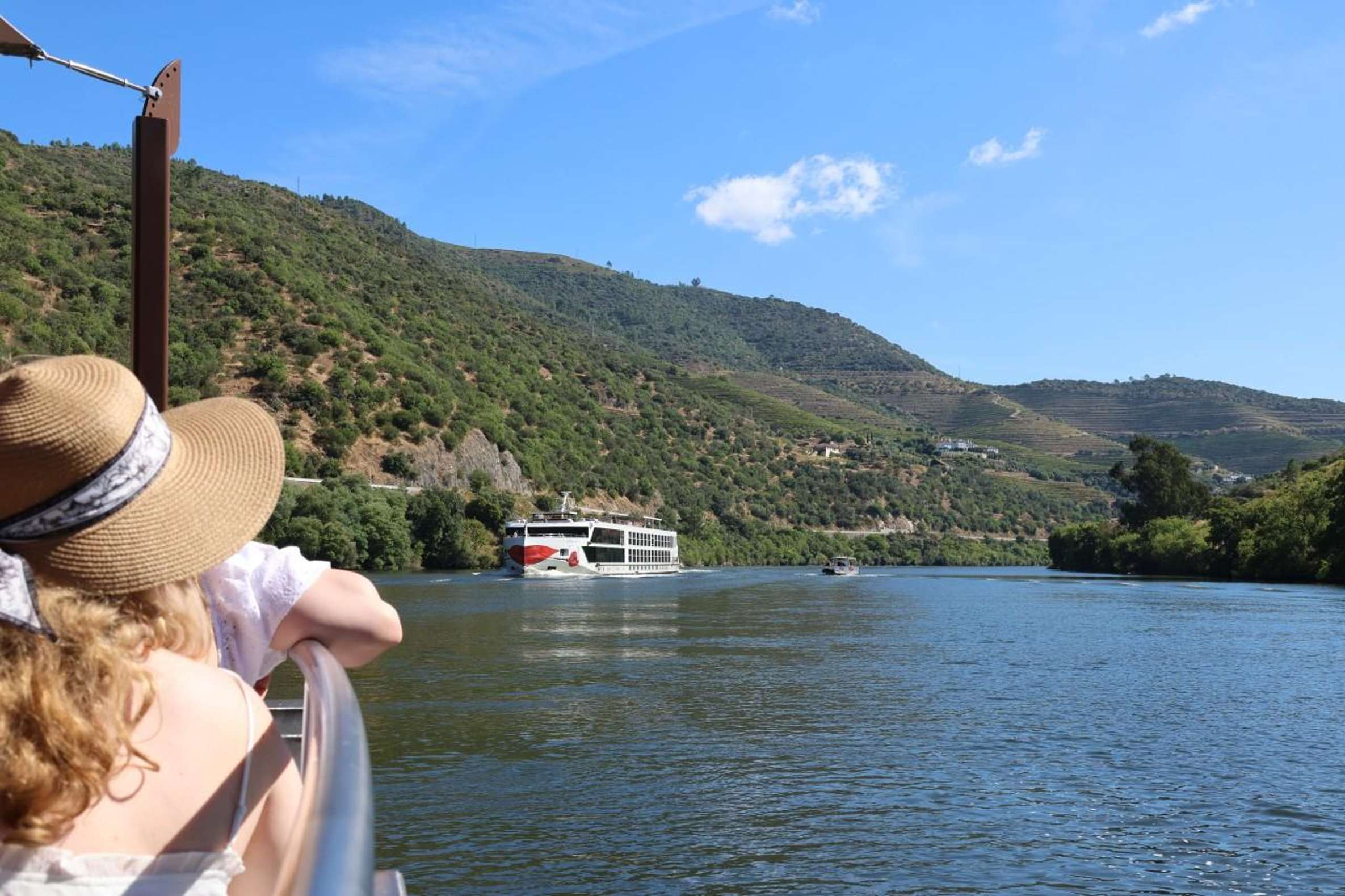
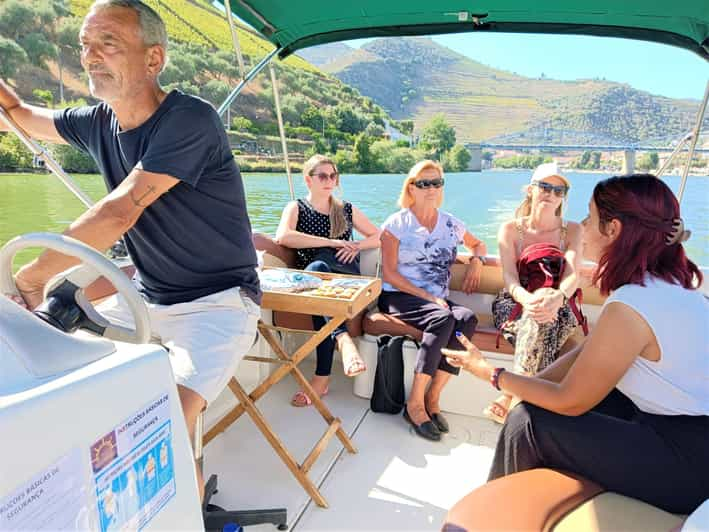
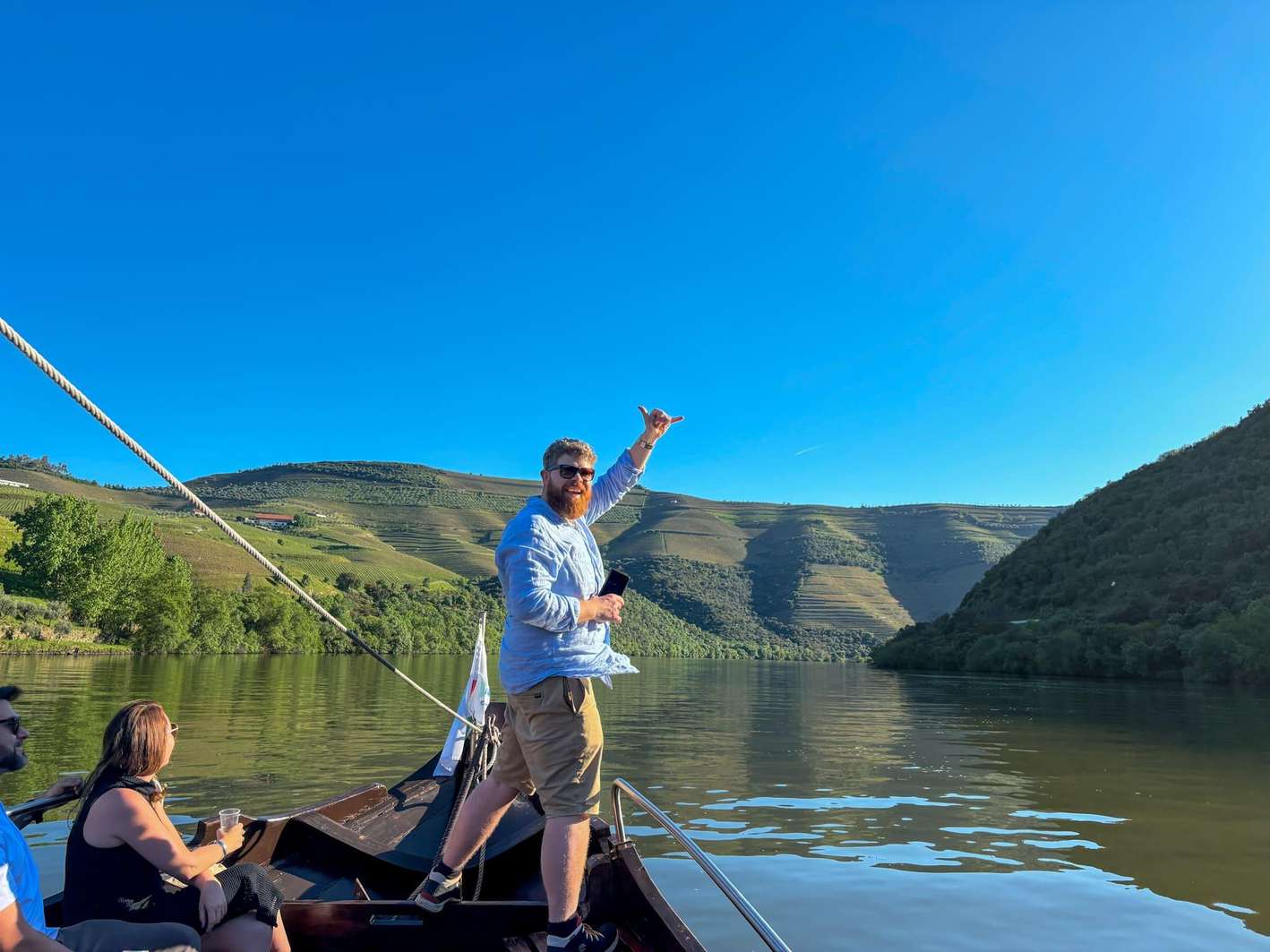
The second half belongs to the water. A one-hour boat from Pinhão slides past the vineyard walls at river level, with a drink in hand, before two quick photo stops on the way home.
You are back in Porto by early afternoon, in time for lunch plans or a flight. The route runs on the A4 motorway, so total road time stays near three hours.
Meeting pointR. de Mouzinho da Silveira 34The van returns to the same central Porto address. On the morning departure you are back around 2 pm, leaving your evening free.Street View2Miradouro de Adorigo· 5 minA viewpoint over the river and the terraced slopes of the valley. A short stop to take in the scale of the schist walls before the winery visit.Street View3Quinta do Laranjo· 90 minA small family-run winery. Over 90 minutes you taste red and white Douro wines and homemade olive oil, hear the family's winemaking stories, and sit down to a brunch of regional products.4Pinhão· 60 minBoard a traditional rabelo boat at the quay for a one-hour cruise along the terraces, with a Porto wine cocktail and snacks served aboard. Boats here run on a calm stretch of river, dam-free.5Miradouro São Cristovão· 5 minA second viewpoint stop on the drive back, looking out over the vineyards. Time for photos before the road home.Street ViewDrop-offR. de Mouzinho da Silveira 34The van returns to the same central Porto address. On the morning departure you are back around 2 pm, leaving your evening free.Street View
Where the other tours go
Peso da RéguaPinhão
From Porto: Douro Valley w/ Boat Tour, Wine Tasting & Lunch
Scenic drive through the Douro ValleyVisit to a family-run wineryTasting of red and white winesHomemade olive oil tasting1-h boat tour at Pinhão with a drink aboardStories from the winemaking family
Comparing the half day tours - which one fits your schedule
Most reviewers praise their guide by name for mixing wine knowledge with humor and personal stories.
Best surprise
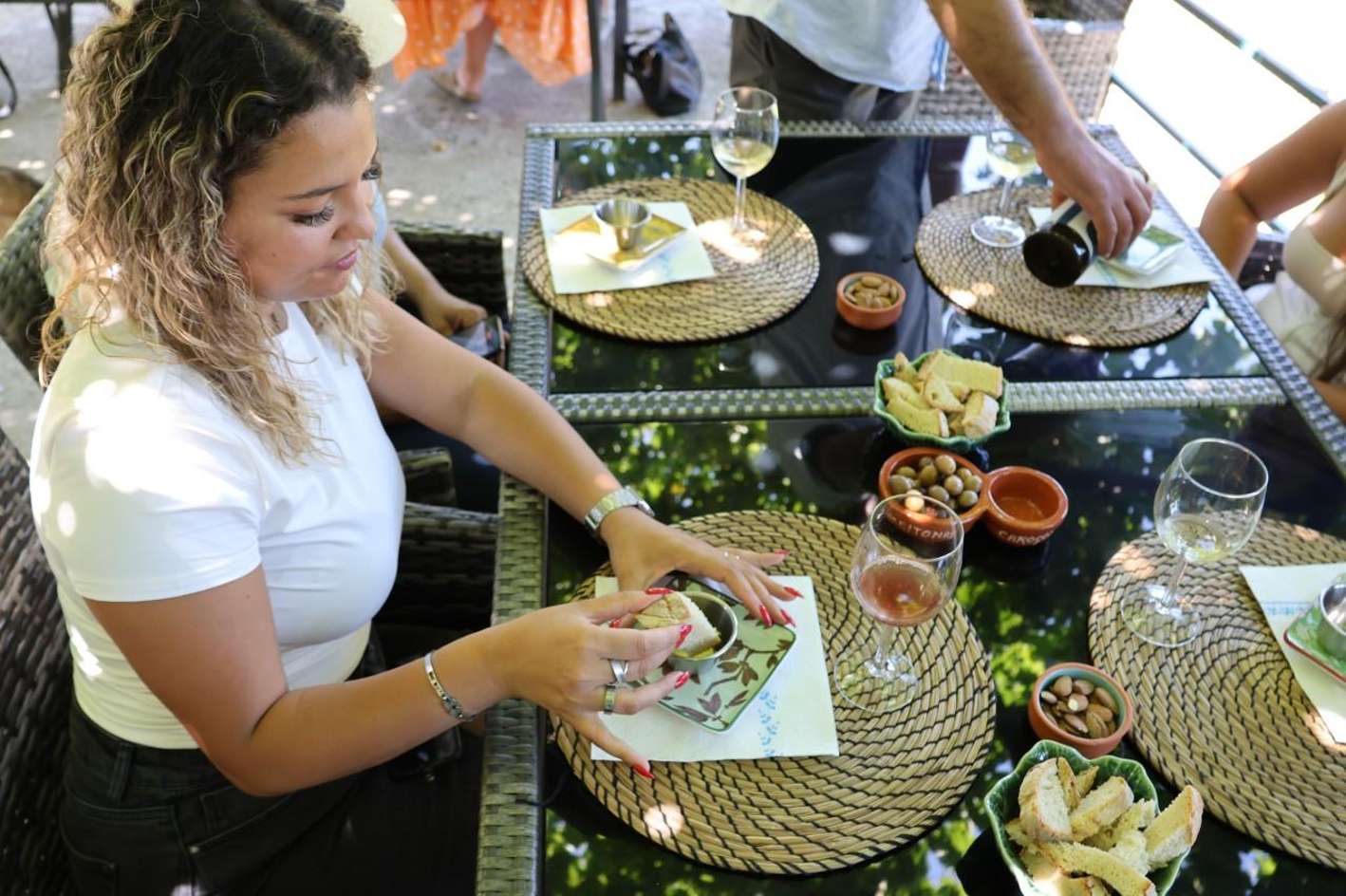
Many did not expect the spread of snacks, bread and olives that kept appearing between tastings.
Most common wish
Several reviewers wanted more tasting time, finding the pours short at the first winery stop.
How to book a Douro Valley wine tour half day
01
Pick your date first
Decide on the date before anything else. Half-day departures are the scarcest seats on the market, and during the September and October harvest they fill up at least a week ahead, sometimes weeks earlier.
Pro tipBook the September harvest slots by mid-summer, since small-group tours sell out weeks ahead for those dates
RecommendedTuesday to Thursday sees the quietest tasting rooms and the least tour-bus traffic on the N222
02
Choose morning or afternoon
Compare the two formats side by side. A morning departure around 7:30 am gets you back in Porto around 2 pm, while the ten o'clock brunch format returns around 5 pm. The no-lunch afternoon escape runs seven to eight hours.
Pro tipThe 7:30 am start brings you home well before Porto's evening rush on the VCI, which jams up from 5 pm to 8 pm
Common mistakeFirst-timers book the afternoon escape for a day with an evening flight and forget the return sits right in rush hour
03
Settle pickup or meeting point
Decide between hotel pickup, which runs between 7:30 and 8 am with the exact time sent the day before, or a central meeting point such as Palácio da Bolsa or the Trindade metro stops. Arrive fifteen minutes early for meeting-point tours.
Common mistakeCentral meeting points sit within a ten-minute walk of most Porto hotels, so skipping paid pickup saves both money and morning waiting
ImportantThe driver waits only five minutes past the scheduled start at the meeting point
04
Check the small print
Read the operator's notes before you pay. The half-day brunch tour needs at least three participants to run and is canceled if that minimum is not met. Some tours also ask you to carry a passport or ID card on the day.
Common mistakeTravel companions who book separately without telling the operator in advance can end up in different vehicles
ImportantChildren under six are not accepted on the tours that run the afternoon escape format
05
Lock in with the free window
Confirm the booking once your plans are set. Every tour on this page allows you to cancel up to 24 hours in advance for a full refund, so a booking made early is not a risk if your schedule shifts.
Pro tipBook early anyway and use the 24-hour window as insurance rather than waiting and losing the date
What to know before you book a half day wine tour
Can stop the dayGood to knowGood news
01
ChoosingWhat it is, who it suits, when to go
6
Return time
Half-day formats get you back with the evening intact: express tasting routes return to Porto around 2:15 pm, while the seven-hour brunch tours that leave at 10 am are back around 5 pm. A 7:30 am start lands you in Porto near 2 pm, clear of the evening rush.
Meals
Half-day options skip the sit-down restaurant lunch, which is what frees up the hours. One tour serves a full brunch instead, and the tastings themselves come with bread, cheese or regional snacks, so eat a solid breakfast in Porto before you go.
What's included
A lunch-free half-day means one winery visit and a one-hour boat trip, against two wineries on the full-day routes. Wine, olive oil tastings, transport and the cruise sit inside the tour; tips, extra drinks and bottled water cost extra.
Motion sickness
Half-day routes use the direct A4 motorway to the western valley, keeping time on winding roads to roughly 2.5 to 3 hours in total. Drivers know the narrow switchbacks and take them smoothly, so the ride stays comfortable for most passengers.
The wines
Port is only half the story. Douro DOC dry reds and whites get poured at almost every estate, so a tasting typically moves through table wines and Port side by side.
Taking bottles home
Wine travels fine in checked luggage, and olive oil must go there too since liquids over 100 ml cannot enter the cabin. Many wineries ship purchases overseas if you would rather not carry bottles at all.
02
BookingHow far ahead, and what happens if plans change
2
Cancellation
You can cancel up to 24 hours before departure for a full refund, so a half-day booking stays low-risk even when your Porto plans are still moving around.
Minimum groupCan stop the day
One brunch tour needs at least three participants to run and is canceled if the minimum is not met. Traveling as a pair who booked separately? Tell the operator in advance so you share the same vehicle; same-day requests may not be possible.
03
Before you goPapers, health, what to bring
2
Footwear
Bring closed-toe shoes with a grippy sole. The vineyard terraces climb on steep schist slopes past 30 degrees, over loose gravel and worn stone steps, and a hat, sunscreen and water earn their place in your bag from June to August.
Age limitsCan stop the day
Several half-day and full-day tours from Porto do not accept children under 6, and tastings are for adults only. If you are bringing kids, look for the family-focused options instead of assuming every tour takes them.
04
On the dayWhere to be, when, and how you get there
1
Meeting point
Tours that start from a meeting point ask you to arrive 15 minutes early, and the driver waits only 5 minutes past the scheduled start. Hotel pickup options run between 7:30 and 8:00 in the morning, with the exact time sent the day before.
05
During the tourWhat is expected of you
1
Tipping
Tips go at the end of the day, in euros and in cash, passed directly to the guide rather than left in a tray at the tasting counter. When a tour has a separate driver and guide, the driver usually gets about half the guide's amount.
Half day in the Douro Valley - a short wine tour guide
The valley starts 90 minutes from Porto, and a well-run half day still gets you a real quinta tasting and an hour on the river. This guide settles which half of the day protects your evening plans.
Porto· 41.14° N, 8.61° W
If you only remember three things
1
Leave Porto between 7:30 and 8:00 in the morning and you are back around 2 in the afternoon, clear of the evening rush.
2
A half day tour visits one winery, not two, because the lunch stop is what gets cut.
3
Cancel up to 24 hours before for a full refund; after that, nothing comes back.
Is a half day enough for the Douro, or are you shortchanging it?
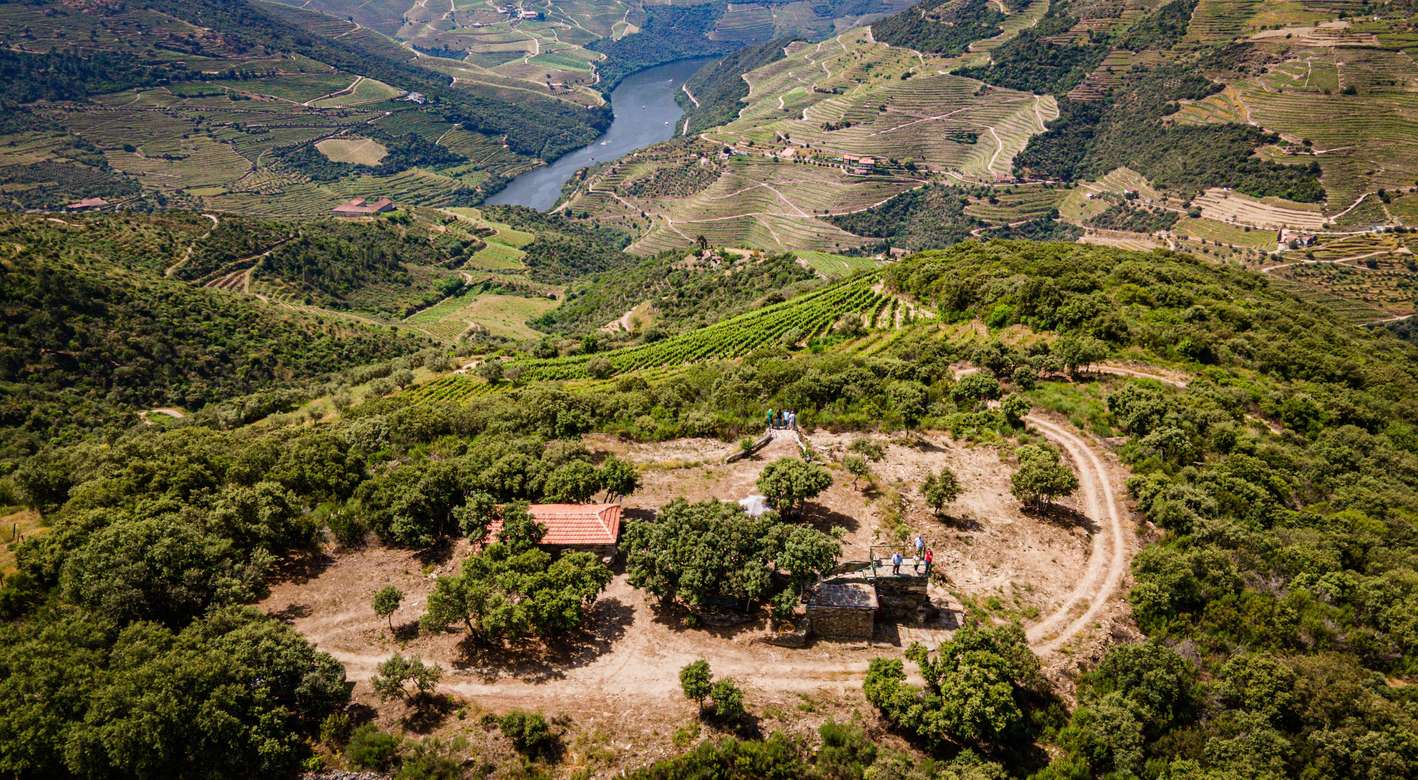
The question answers itself the first time you stand on a terrace above the river: the two things people cross the country for, a tasting at a working estate and an hour on the water, both fit inside six hours.
The lunch stop is the only thing that goes, and you can eat before you leave Porto.
The arithmetic is honest. A half day visits one winery where a full-day itinerary usually visits two, and full-day tours run about ten hours door to door.
If you have three or more days in Porto and want the whole story, give the valley a full day. If your schedule is tight, the short version delivers the essentials without eating your holiday.
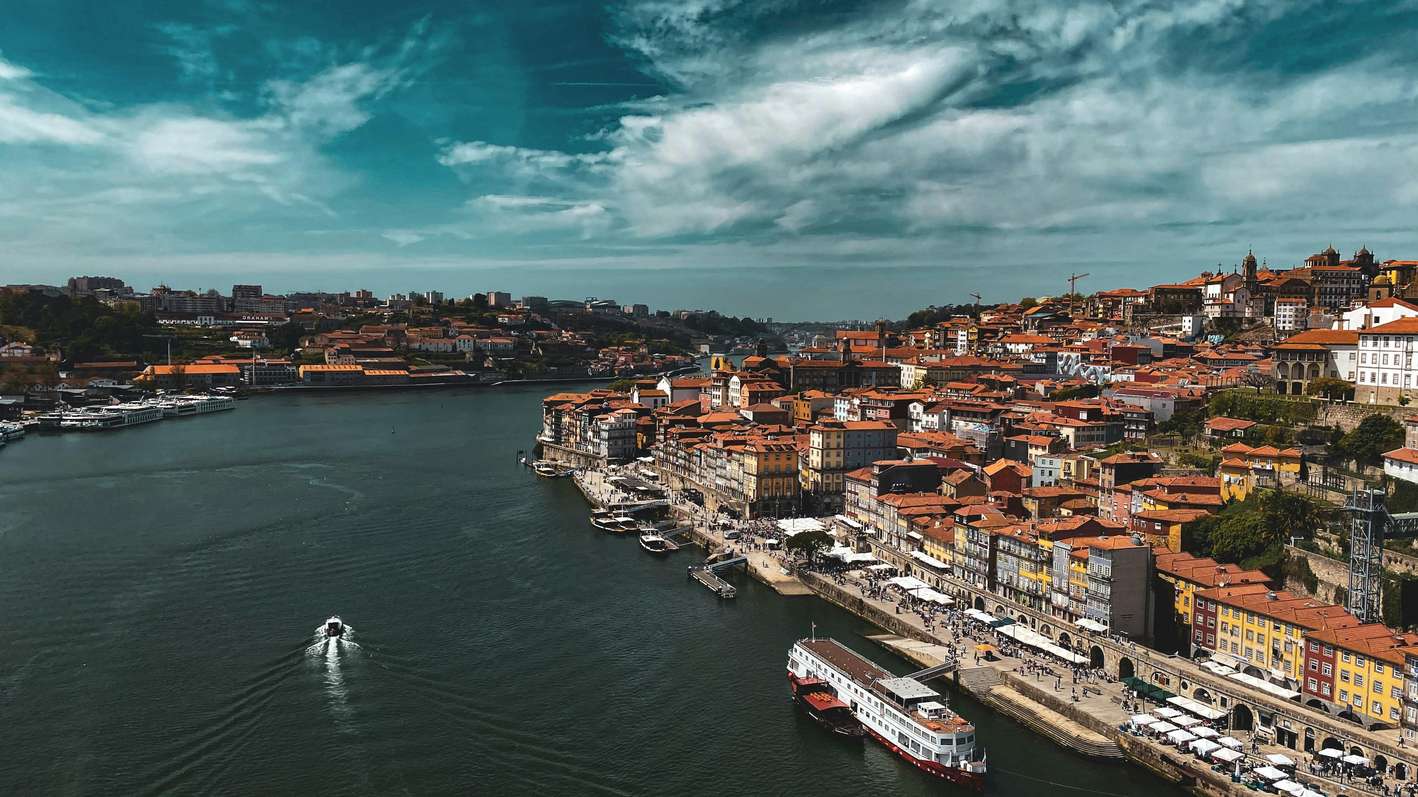
One distinction saves people from disappointment. The port lodges across the river in Vila Nova de Gaia are a fine first taste of port when time is short, and you can walk between them all afternoon.
But they stay in the city. They do not show you the terraces where the grapes grow, and they cannot replace the river.
What people wrongly assume
MythA half day tour skips the essentials
Reality
The essentials, a real estate tasting and a river cruise, are exactly what it keeps. Only the lunch stop goes.
MythYou need a full day to reach real vineyards from Porto
Reality
The A4 motorway puts western valley quintas about 85 minutes from central Porto, which is why a six-hour day works.
MythA Gaia port lodge visit counts as seeing the Douro
Reality
Gaia pours good port in handsome cellars, but it never leaves the city. No vineyards, no river valley, no terraces.
Read those three lines before you book anything. The first saves you from a tour that oversells, the second from a wasted full day, the third from thinking you have seen the valley when you never left the city.
Tour for this
Douro Valley Wine Tour, Tastings, Cruise & Lunch (Optional)4.8★ (2,201) · 10 hours · Hotel pickup · Free cancellation
What a half day wine tour includes, and what it cuts
The short-format itinerary keeps a focused estate visit with generous pours, an hour-long cruise on a traditional rabelo boat, and photo stops at viewpoints along the way.
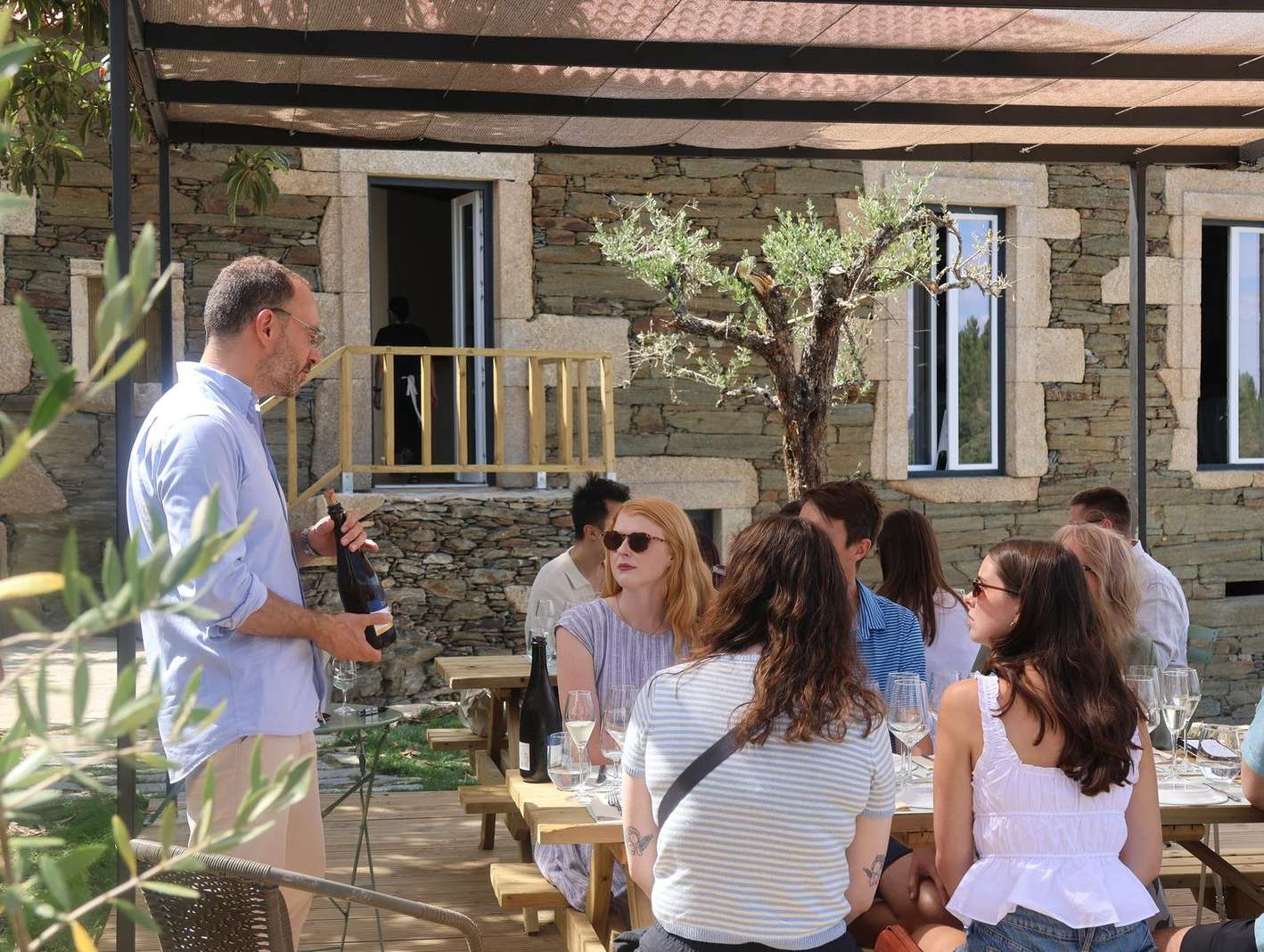
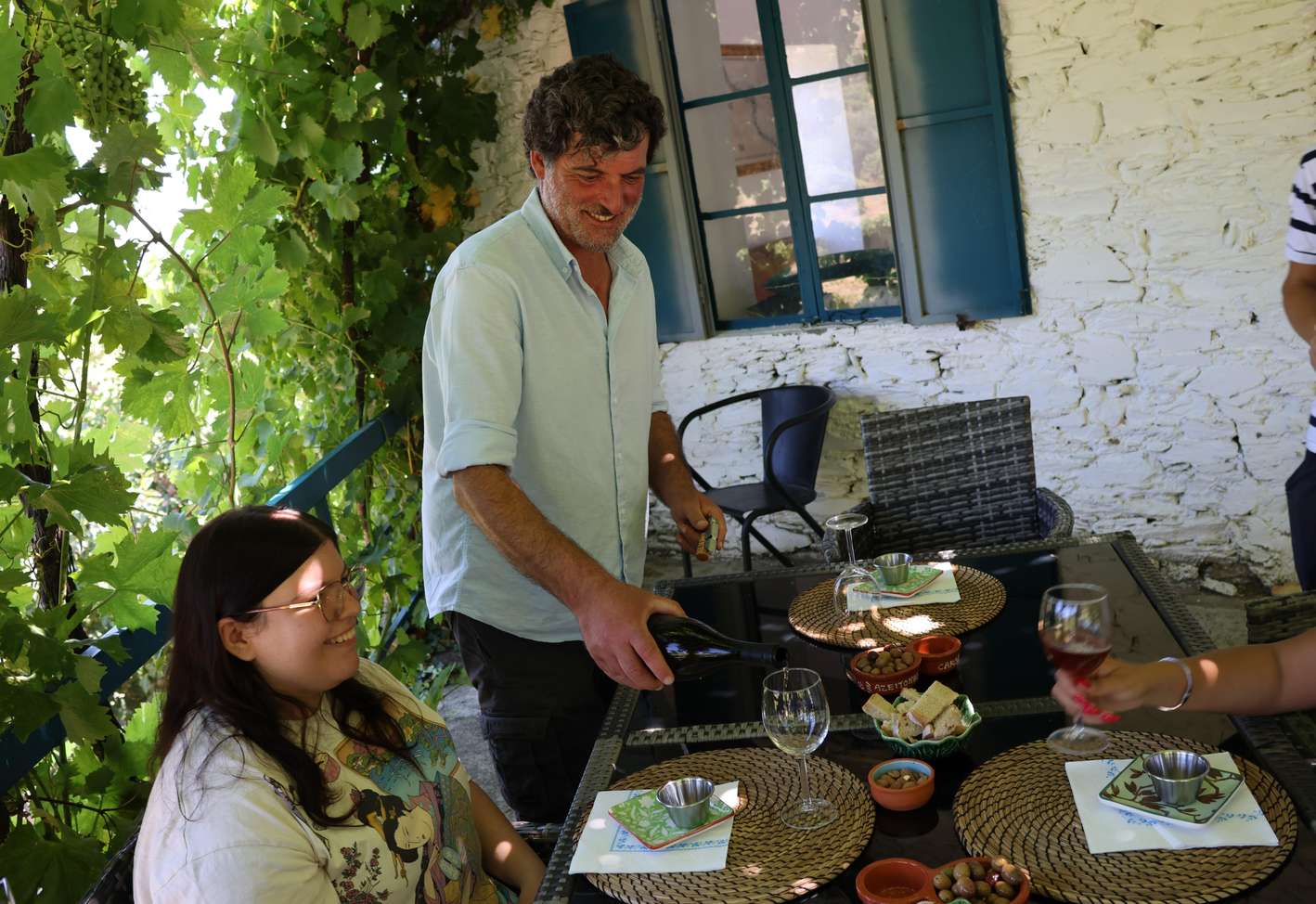
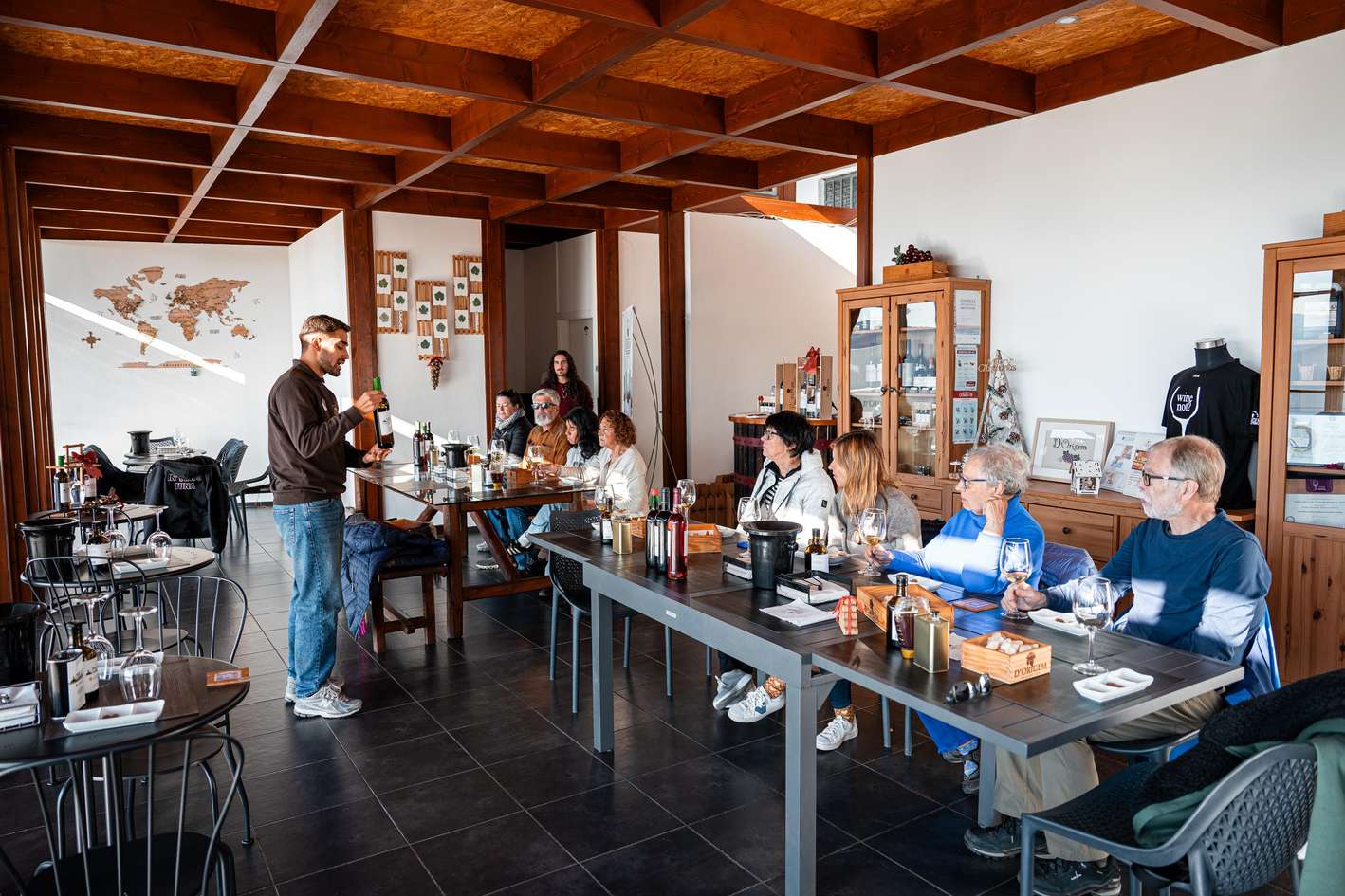
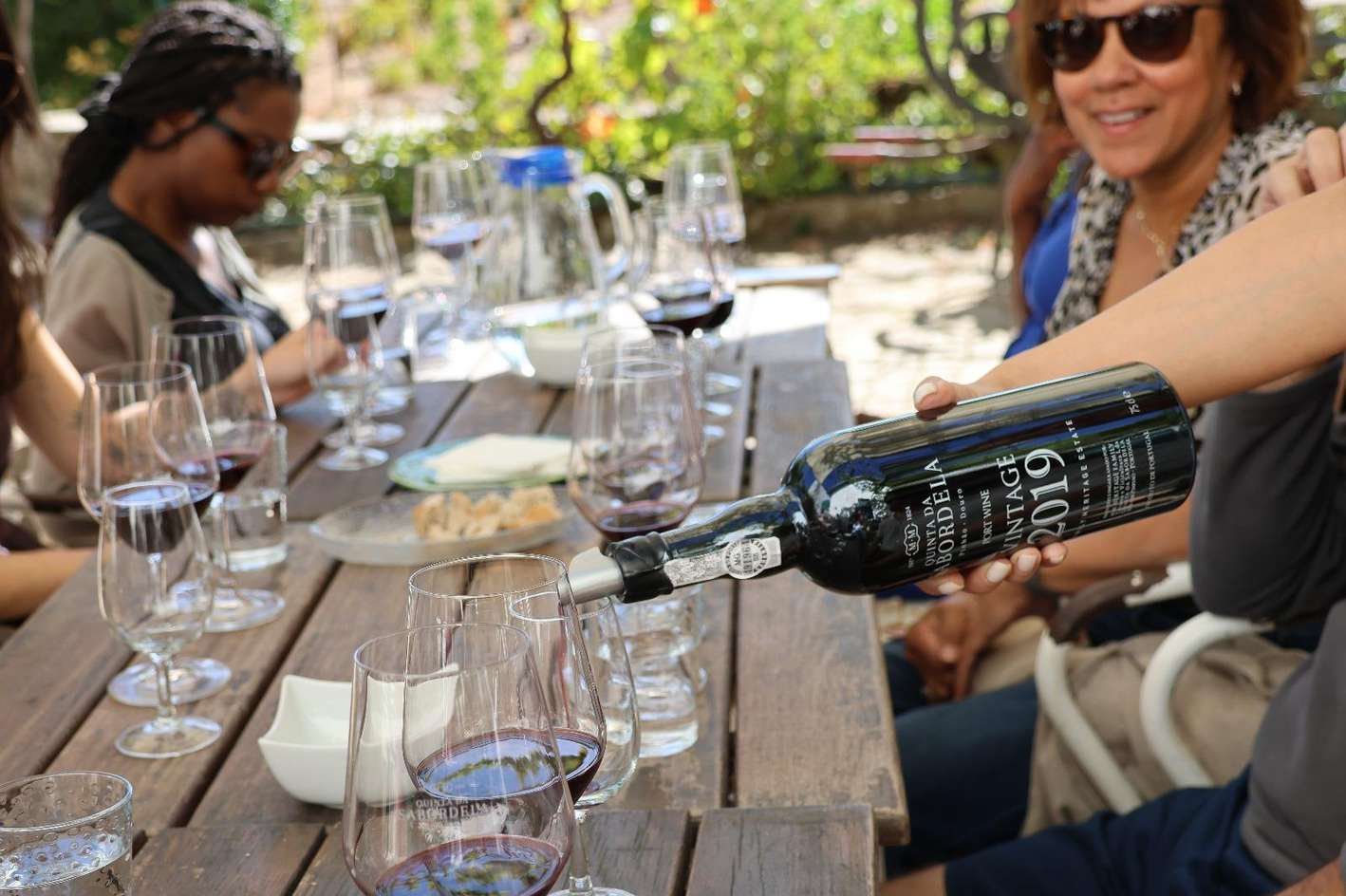
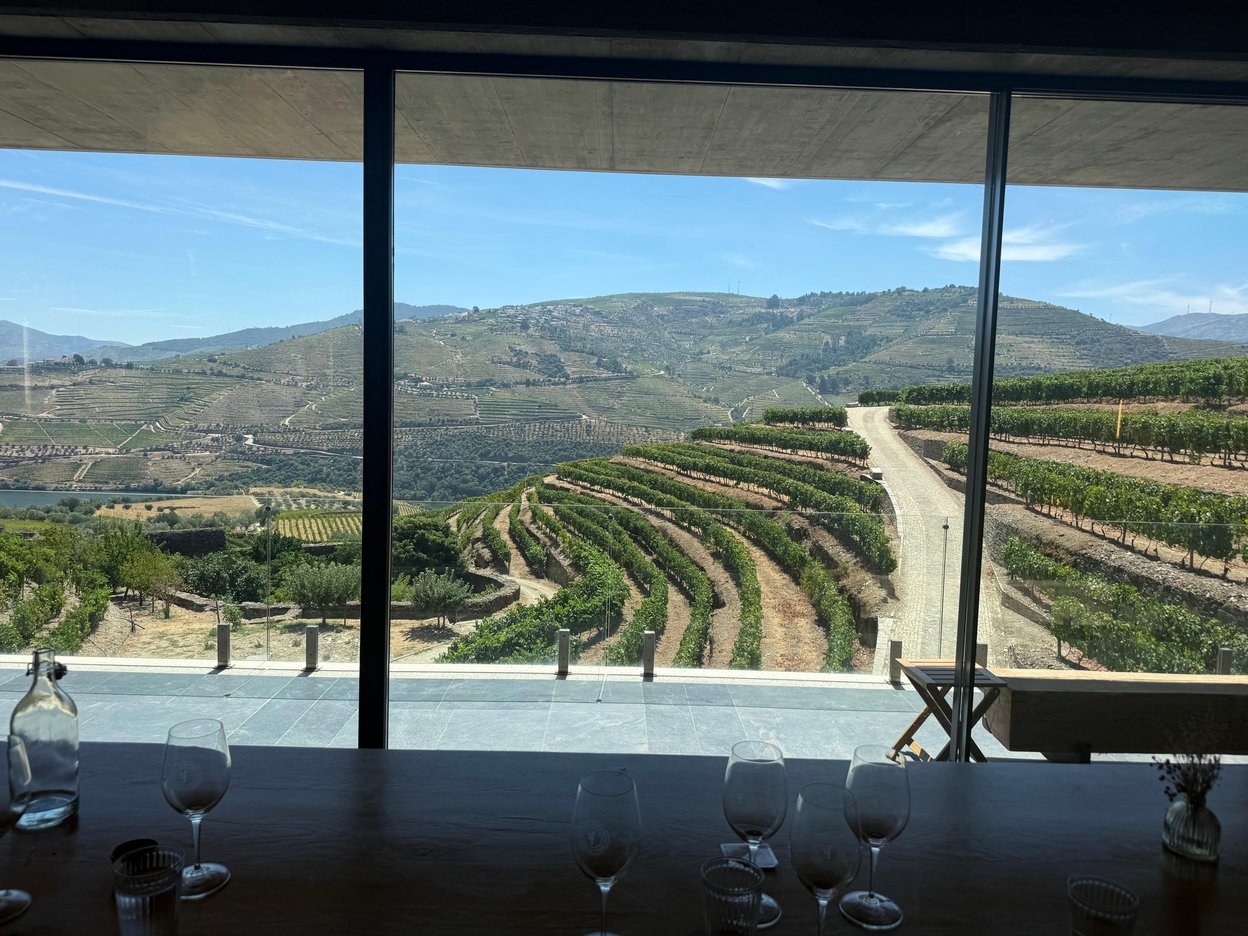
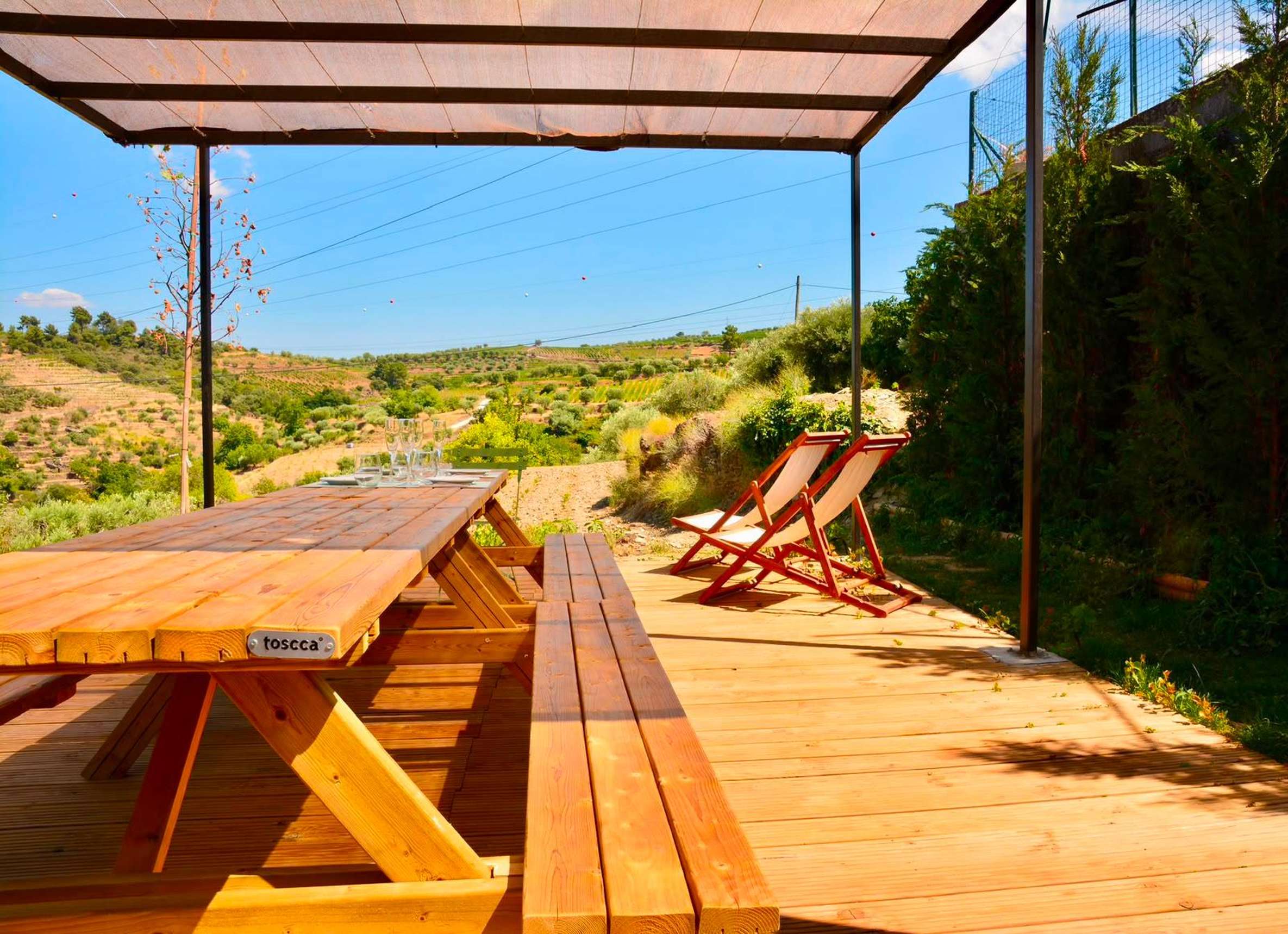
At a small family-run quinta, the tasting often runs to red and white table wines, port, and the family's own olive oil, with the owners themselves doing the talking.
The wine is more than port. Port makes up about half of what the Douro produces today, so dry reds and whites from the DOC pour at almost every estate you will visit.
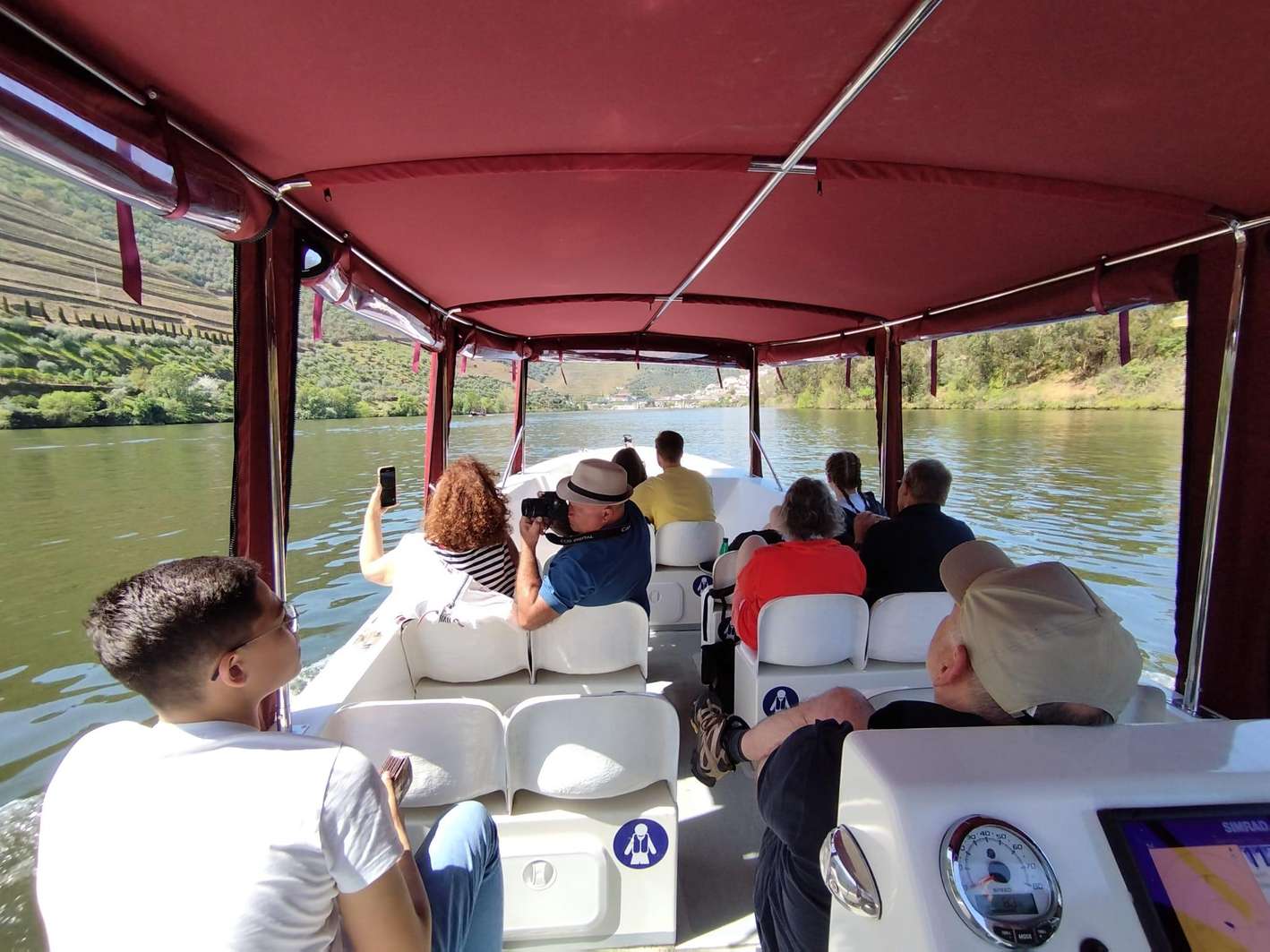
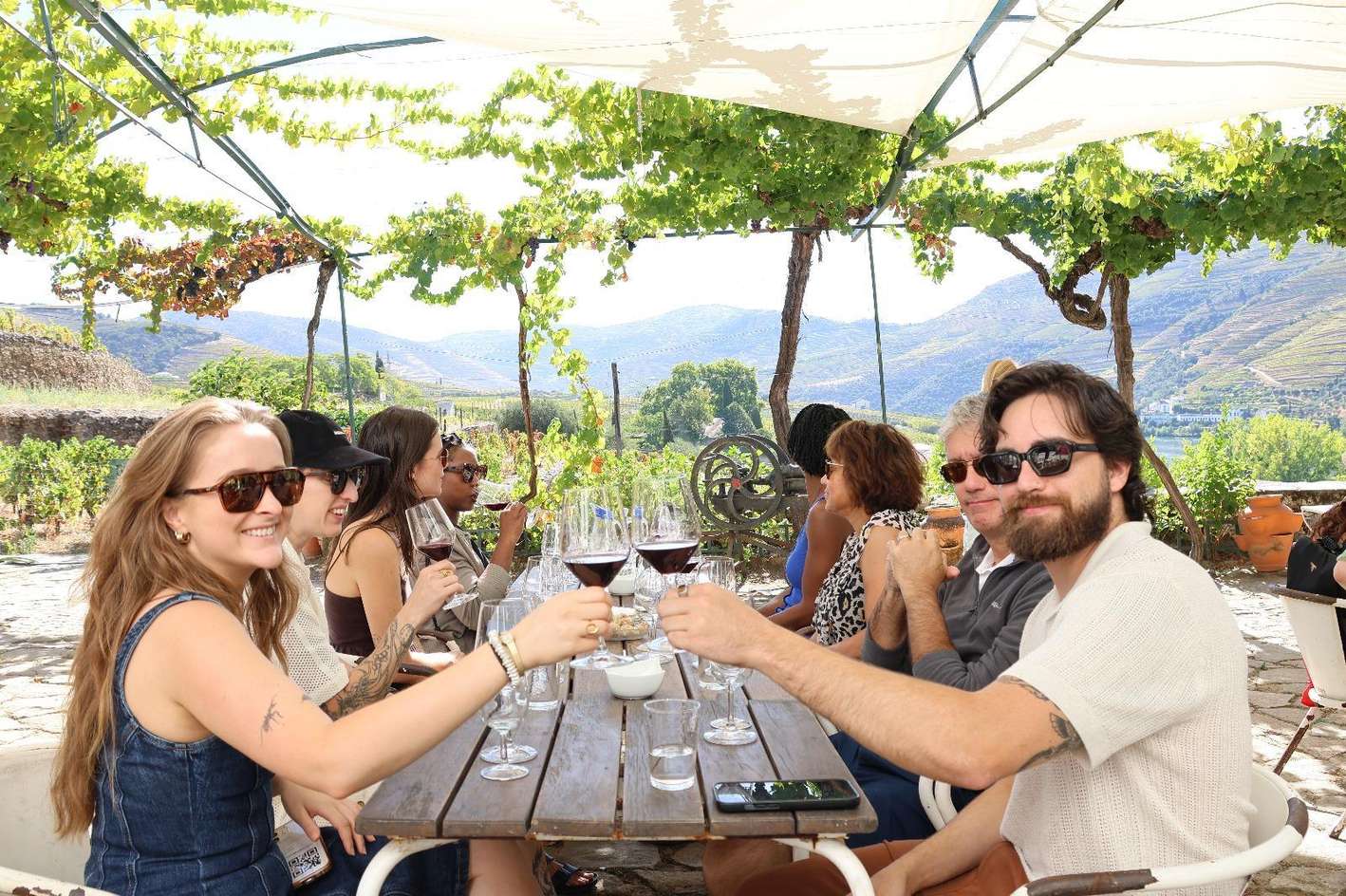
Pours run generous, and the boat usually carries a glass of sparkling wine or a port cocktail to go with the terraces sliding past.
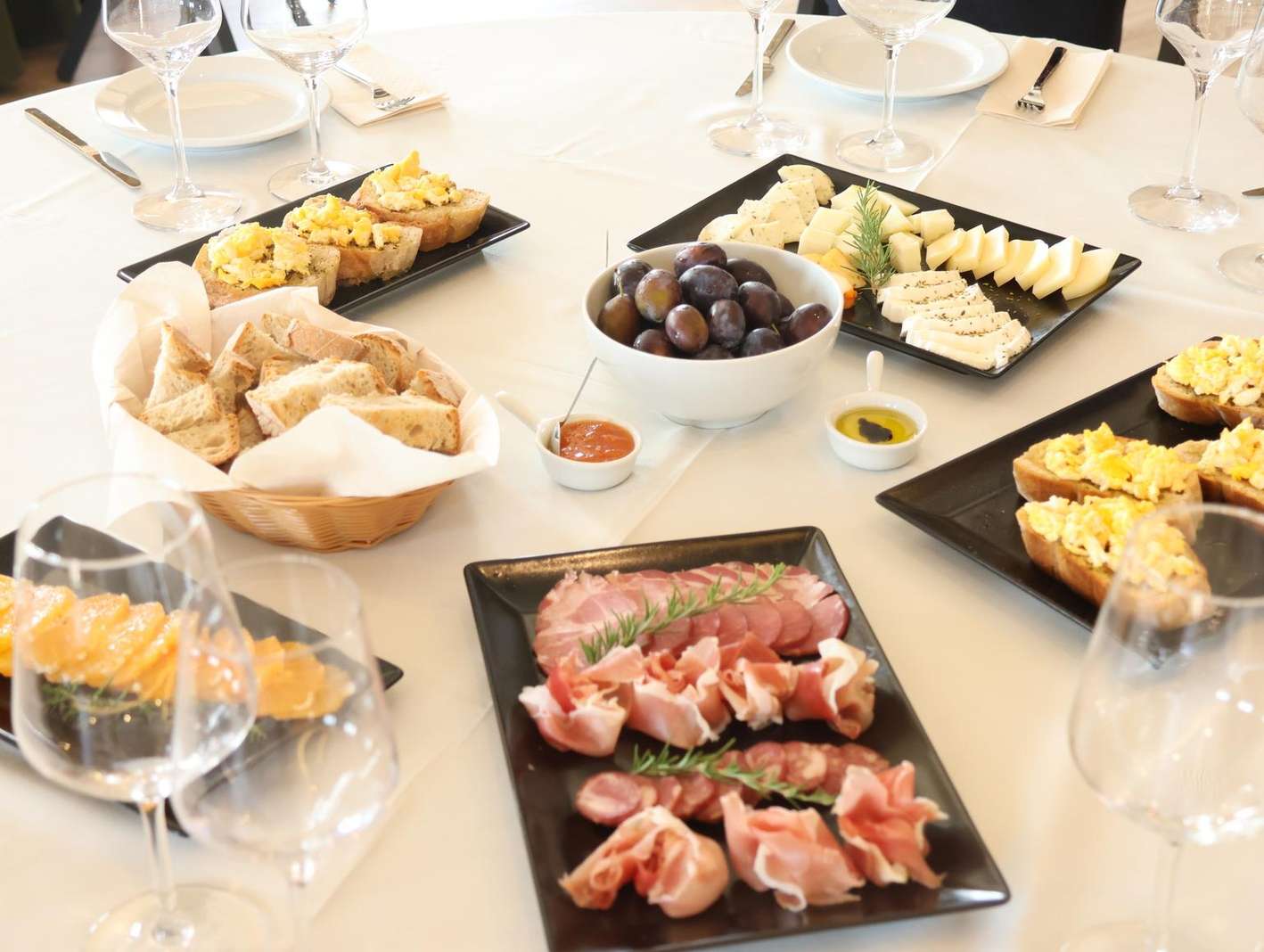
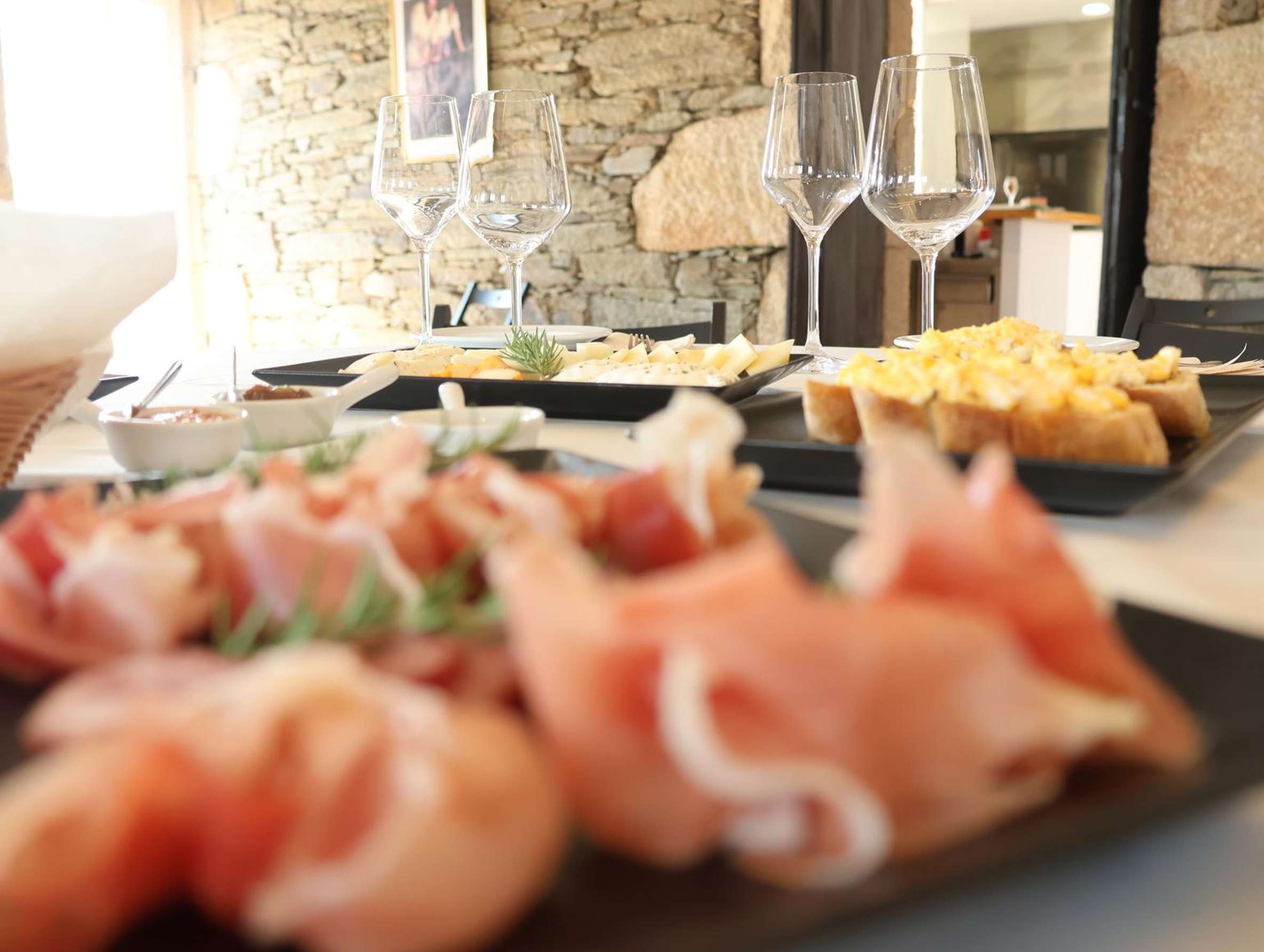
What you give up is the sit-down restaurant lunch. Most half day options run without one, and one operator tells participants outright to eat before departure. A few short tours solve this differently: the brunch format serves regional cheese, cured meats, bread, and olive oil aboard the boat, which turns the cruise into the meal.
A traveler's note
Ricardo and Andres made a great team around this beautiful area. Ricardo's detailed knowledge, humor, and thoughtful touches like trip soundtracks stood out. Great guides, delicious lunch, clear pre-trip info, and solid local tips!
The clock starts early. Tours with a central Porto meeting point ask you to arrive 15 minutes before departure, and some operators wait only five minutes past the scheduled start before leaving without you. Hotel pickup runs between 7:30 and 8:00 in the morning, with the exact time sent the day before.
The drive east into the Baixo Corgo takes about an hour and a quarter on the A4, and the morning is shaped around it: one estate visit and tasting, a short local rabelo cruise that departs directly from Cais da Régua and slots in neatly alongside viewpoints and wineries, and the return.
Express tasting routes reach Porto again around 2:15 in the afternoon.
How a half day unfolds
1
7:30 to 8 am
Meet in central Porto or get hotel pickup, then head inland on the A4
Arrive 15 minutes early at meeting points; latecomers get a five-minute grace period
2
Around 9:30 am
Arrive at the estate for the guided visit and tasting
One winery, with red and white Douro wines and port poured
3
Midday
The rabelo cruise departs from Cais da Régua, about an hour on the water
Terraces on both banks, often with a drink aboard
4
Around 2:15 pm
Back in central Porto
Express routes return in time for a late lunch or afternoon plans
What surprises first-timers is how little of the day is transit. Roughly two and a half hours on the road across the whole outing, the rest on your feet, on a terrace, or on the water.
Tour for this
From Porto: Douro Valley w/ Boat Tour, Wine Tasting & Lunch4.7★ (23,728) · 7 - 10 hours · Hotel pickup · Free cancellation
Morning departures leave Porto between 7:30 and 8:00 in the morning and put you back between 2:00 and 2:15 in the afternoon, which leaves the whole afternoon and evening open.
That matters more than it sounds: Porto's evening rush runs from 5:00 to 8 pm, and traffic on the VCI inner ring crawls near 20 km/h at peak. A morning return sails in well before any of it.
The afternoon version flips the trade. Depart around 2 in the afternoon, keep a lazy Porto morning, and return around 8:30 in the evening after dark. Fine if your evening is free; a problem if dinner is booked or a flight leaves the next morning.
Morning's other wrinkle is food. With no lunch stop, you either eat a solid breakfast and lunch late back in the city, or you book the brunch format.
Two return times circulate, and they count different formats. The 2:15 pm figure belongs to the express tasting routes, the straightforward six-hour format that skips lunch outright.
The 5 pm return belongs to the seven-hour brunch-and-cruise trips that start at 10 in the morning; the extra ninety minutes buys the meal aboard. Both are half days, and the difference is lunch and departure time.
Half-day Douro Valley tour schedule and return hours
Morning departure9:45 am to 10 am
Tours check in and depart central Porto.
Midday cruisenoon to 1 pm
Boats depart for an hour-long Douro cruise.
Early return2:15 pm
Express tasting trips reach Porto by 2:15 pm.
Late return5 pm
Seven-hour brunch itineraries arrive back around 5 pm.
QuietBusyThe busiest
Match the return against your evening: the 2:15 express suits dinner reservations, the 5:00 brunch trip suits people who want a slow start but still make an 8:30 table.
The Douro Valley: Half-Day w/ Brunch, Tastings & Scenic Cruise covers both ends, with a family-run winery, olive oil tasting, and the N222 photo stops on either format.
Tour for this
Porto: Douro Valley with Lunch (Optional), Tastings & Cruise4.7★ (9,516) · 6 - 10 hours · Hotel pickup · Free cancellation
Group size decides the texture of the day before anything else does. Small-group tours cap around eight passengers in a minivan, which is what gets you into the smaller family-run quintas and onto less crowded boats.
Large coaches, some running 29-seat minibuses, arrive at the same estates alongside big crowds and move at the pace of the slowest passenger.
The other thing a van buys you is access. Hillside wineries and high viewpoints sit up steep roads that are difficult to reach on foot from the valley train stations, and a guided van simply drives you there.
People who have done it both ways say the small van tour is good value once you price the taxi calls and missed connections of going alone.
Before booking any short tour, check three things: whether lunch or brunch is included, the exact return time in Porto, and whether the boat is shared or private. Those three answers separate the tours more than the itineraries do.
Half day formats, side by side
Small-group van tour
Large coach tour
Train plus boat on your own
Group size
Around 8 in a Mercedes van
Up to 29 or more
Just your party
Hillside quintas and viewpoints
Reachable by van, door to door
Big estates only, coach parking
Limited to what you can walk or taxi to
Pace
Set by the group, room to linger
Moves with the slowest passenger
Wholly yours, but the clock rules
Transit fatigue
Direct A4 routing, about 2.5 hours total
5 to 6 hours of a 10-hour day reported
4 to 5 hours of rail time alone
Small-group van tour
Group size
Around 8 in a Mercedes van
Hillside quintas and viewpoints
Reachable by van, door to door
Pace
Set by the group, room to linger
Transit fatigue
Direct A4 routing, about 2.5 hours total
Large coach tour
Group size
Up to 29 or more
Hillside quintas and viewpoints
Big estates only, coach parking
Pace
Moves with the slowest passenger
Transit fatigue
5 to 6 hours of a 10-hour day reported
Train plus boat on your own
Group size
Just your party
Hillside quintas and viewpoints
Limited to what you can walk or taxi to
Pace
Wholly yours, but the clock rules
Transit fatigue
4 to 5 hours of rail time alone
One row in that comparison should settle it for most readers: the coach's five or six hours aboard. On a day this short, hours spent parked in a vehicle are hours the tasting and the river lose.
Tour for this
Porto: Douro Valley Tour with Lunch, Boat Cruise & Tastings4.7★ (3,259) · 7 - 10 hours · Hotel pickup · Free cancellation
Half day travel math - the road is shorter than you fear
The fear is real and the numbers dissolve it. Porto to Peso da Régua on the A4 is a smooth, tolled, multi-lane motorway taking about 1 hour 15 minutes to 1.5 hours each way.
Half day tours use that direct route to reach the western valley quintas, keeping total road time near two and a half to three hours, where full-day coaches wandering between stops report five or six hours aboard.
The train, lovely as it is, cannot serve a half day. It runs about 1 hour 50 minutes to 2 hours each way to Régua, and up to 2.5 hours to Pinhão, which is four to five hours of round-trip rail before a single tasting. Save it for a day with more room.
Travel routes from Porto to Douro Valley
To Pinhão
1From Porto130 km
Car via A4Easiest
Fast inland highway through Marão tunnelDirections →
That routing is why the short format works at all: one fast highway run, then slow scenic roads only where they earn their keep.
If you need to leave bags before hotel check-in, São Bento station has lockers inside, to the left of the main entrance doors just past the blue tile panels, with a staffed left-luggage desk too. Campanhã keeps its lockers in a small building off platform 1.
Peso da Régua at roughly 85 minutes each way is the practical half day hub. Pinhão is 20 minutes further inland, which is why brunch-and-cruise formats that go deeper start earlier and come back later.
Tour for this
Porto: Douro Valley Tour with Wine Tasting, Cruise and Lunch4.6★ (3,096) · 7 - 10 hours · Hotel pickup · Free cancellation
Self-drive works for some people and quietly fails for others, so check yourself against the list before committing. Rental desks in Porto commonly refuse drivers whose licenses come from outside the EU or UK, or are written in a non-Latin script, unless an International Driving Permit accompanies the original.
They also want a physical credit card in the driver's own name for the deposit; debit, prepaid, and virtual cards often mean a refusal.
Tolls are simpler than they look. The A4's western stretch between Porto and Amarante uses barrier booths and electronic gantries, and rental cars come fitted with a Via Verde transponder that bills automatically. East of Amarante, through the Marão tunnel and on to Régua, the tolls were dropped in January 2025.
Then there is the tasting itself. Portugal's limit is 0.5 g/l blood alcohol, and half that for new and professional drivers, with the valley an active spot for GNR and PSP breathalyzer checks.
A driver who tastes cannot really taste, which is the quiet case for the guided van. Last thing: distances lie here. Wineries that look minutes apart on the map sit on narrow, twisting roads that take far longer than the scale suggests.
Driving yourself
Rent a car in PortoCompare cars from the rental companies in one search, then pick yours.
The terraces teach the dress code the hard way. Slopes of schist break into loose flakes that behave like gravel on a ramp, the terraces incline beyond 30 degrees in places, and every estate visit involves stone steps, cobblestones, and a boat gangway.
Closed-toe shoes with rubber grip, sneakers or sturdy walkers, are non-negotiable in every season. Sandals, flip-flops, and slick soles are how ankles meet cellars.
The sun is the second lesson. Terraced vineyards offer no shade and the river throws glare back at you from the boat, so a wide-brimmed hat, UV sunglasses, and high-factor sunscreen earn their space in the bag. Bring a refillable water bottle too; exposed vineyard paths have neither shade nor taps.
Dress for two climates in one day. The inland valley runs hotter and drier than coastal Porto, and summer afternoons on the open terraces can push past 35 degrees, while the aging cellars stay cool year-round. Lightweight layers in summer, breathable layers with a light sweater in spring and autumn cover both.
Packing essentials for Douro vineyard walks and boat cruises
Closed shoes with rubber treadLoose schist slopes slip like gravel ramps, while rabelo boat gangways and wet cellar stones become slick when wet. Avoid sandals and heels.
Wide-brim sun hatVineyard terraces have no shade, and heat reflection off schist rock intensifies sun exposure during outdoor estate walks.
High-factor sunscreenLong daylight hours and open river exposure on rabelo boats require broad-spectrum sun protection throughout the day.
UV-blocking sunglassesIntense valley sunlight reflects off river water and light-colored stone terraces, causing harsh glare during cruises and walks.
Refillable water bottleThere is no shade or water along exposed vineyard paths, making hydration essential, especially in hot summer microclimates.
Lightweight, breathable layersExposed outdoor terraces can reach over 30°C in summer, while underground barrel aging cellars stay cool at 14°C to 18°C year-round.
Everything on that list goes in a small daypack. Nothing on a half day itinerary rewards heavy luggage.
Each season rewrites the view from the boat. Spring brings the first green shoots and almond and cherry blossom in the lower valley; by April the canopies fill the terraces.
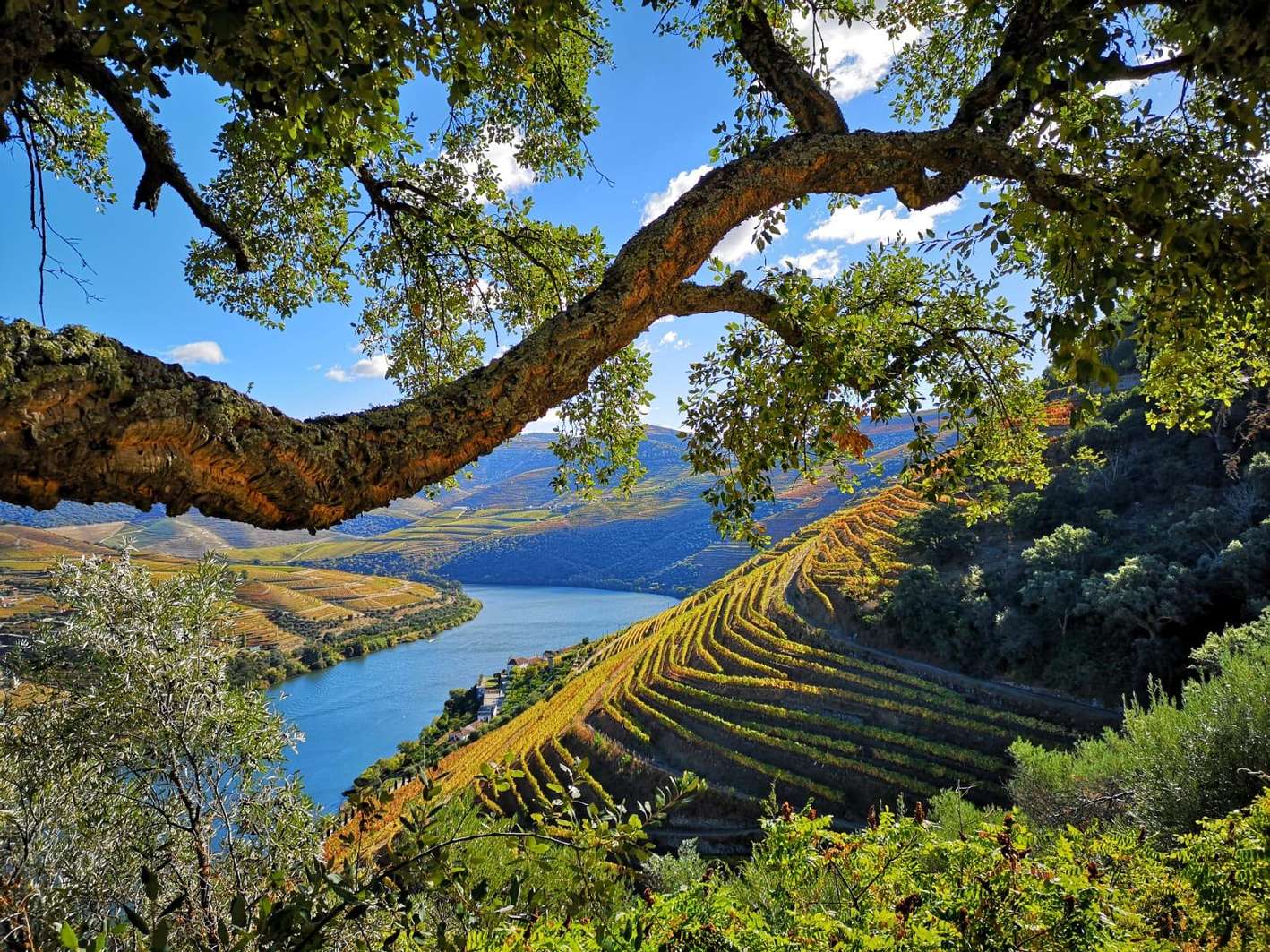
Summer turns the vines bright green, then in August the grapes shift, reds to violet, whites to gold. September and October set the slopes in gold, amber, and crimson, with pickers, crates, and tractors working the rows.
The harvest window runs from late August into September and finishes by late October, and dates shift each year with the weather.
Harvest-season departures sell out first: small-group tours for September fill at least a week ahead, and the premium participation experiences sell out by June. Book ordinary short tours a week or more early in autumn; in the quiet months you can decide days ahead.
How busy it gets, month by month
April: 5 out of 5 for how busy it gets.
HighestApr to Jul, Sep
In betweenMar, Aug, Oct
LowestNov to Feb
Darker: a higher how busy it gets score, out of 5
Tap a month to read it.
Crowds follow the week as well as the year. Tuesday to Thursday are the calmest days at the top tasting quintas, Saturdays and Sundays the heaviest, as Porto empties into the valley on weekends.
And the summer heat does not stop anything: tours run in air-conditioned vans, cellars stay naturally cool, and boats sail on schedule.
Rain on the river? What to do if your half day gets cancelled
Rain seldom costs you the day. Tastings and cellar tours move indoors, estate visits carry on under winery roofs, and boats run covered or enclosed. The cruise only leaves the itinerary when river or weather conditions make it unsafe, and then operators substitute another activity or put you on a covered vessel.
The river itself is the real variable. Heavy storms and upstream dam discharges can raise the Douro fast, and authorities ban navigation when quays flood or flows turn dangerous. That decision comes from the river authority, and it can land without advance notice.
The cancellation window is the number to hold onto: up to 24 hours before start, full refund, and later than that, nothing. Changing a pickup location needs more than 48 hours of notice. And the departure grace period is five minutes at some meeting points, so treat the start time as hard.
When things go sideways
If this happens
What happens then
Heavy rain on tour day
Tastings move indoors, the estate visit continues under cover, and the boat runs covered or enclosed
River rises or authorities suspend navigation
The cruise is replaced with another activity or swapped for a covered boat where conditions allow
You cancel more than 24 hours ahead
Full refund
You cancel inside 24 hours
No refund comes back
You arrive late at the meeting point
Some operators wait only five minutes past the start, then leave
Rain from late October through November falls often enough to plan around, so pack a layer and trust the indoor plan. The day still happens.
Already there? Half day tours from Pinhão and Régua
Staying in the valley flips the problem: instead of worrying about the drive, you have too many short options.
The tidy one is a three-hour guided tour from Pinhão's quay, running daily at 10 in the morning and 2 in the afternoon, with an air-conditioned minivan, a boat ride, and a winery visit with tasting built in. Meet at the kiosk by the river 30 minutes before it starts.
Beyond that, the Pinhão waterfront dock sends out one-hour rabelo cruises past the vine terraces on both banks, and two-hour versions with audio narration.
Winter does not stop them: the dam locks close for maintenance from late November to late March, which suspends long cruises, but the short Pinhão trips run on an open stretch of river and sail daily through winter.
On foot, Quinta do Bomfim sits a 15-minute uphill walk from Pinhão's station, and local taxis wait outside the station for hillside quintas and viewpoints.
Tasting without a tour works too: any quinta marked on the port wine route will usually pour you a glass, and the tasting rooms at Quinta das Carvalhas and Quinta Nova's wine bar welcome walk-in tastings year-round.
One caution from people who have learned it the slow way: some Pinhão tasting rooms are just that, rooms, with no working vineyard behind them.
From Pinhão: Douro Valley Tour w/ Wine Tasting and Boat Trip packs the whole short-format day, minivan, boat, estate tasting, and a local guide, into three hours, with morning and afternoon slots.
Tour for this
From Pinhão: Douro Valley Tour w/ Wine Tasting and Boat Trip4.5★ (526) · 3 hours · Free cancellation
If your tour starts or ends in Peso da Régua, the town rewards a spare hour. The Douro Museum, set in the former 18th-century wine company headquarters, sits two minutes' walk from the center, and the railway station carries historic tile panels of the grape harvest worth standing in front of.
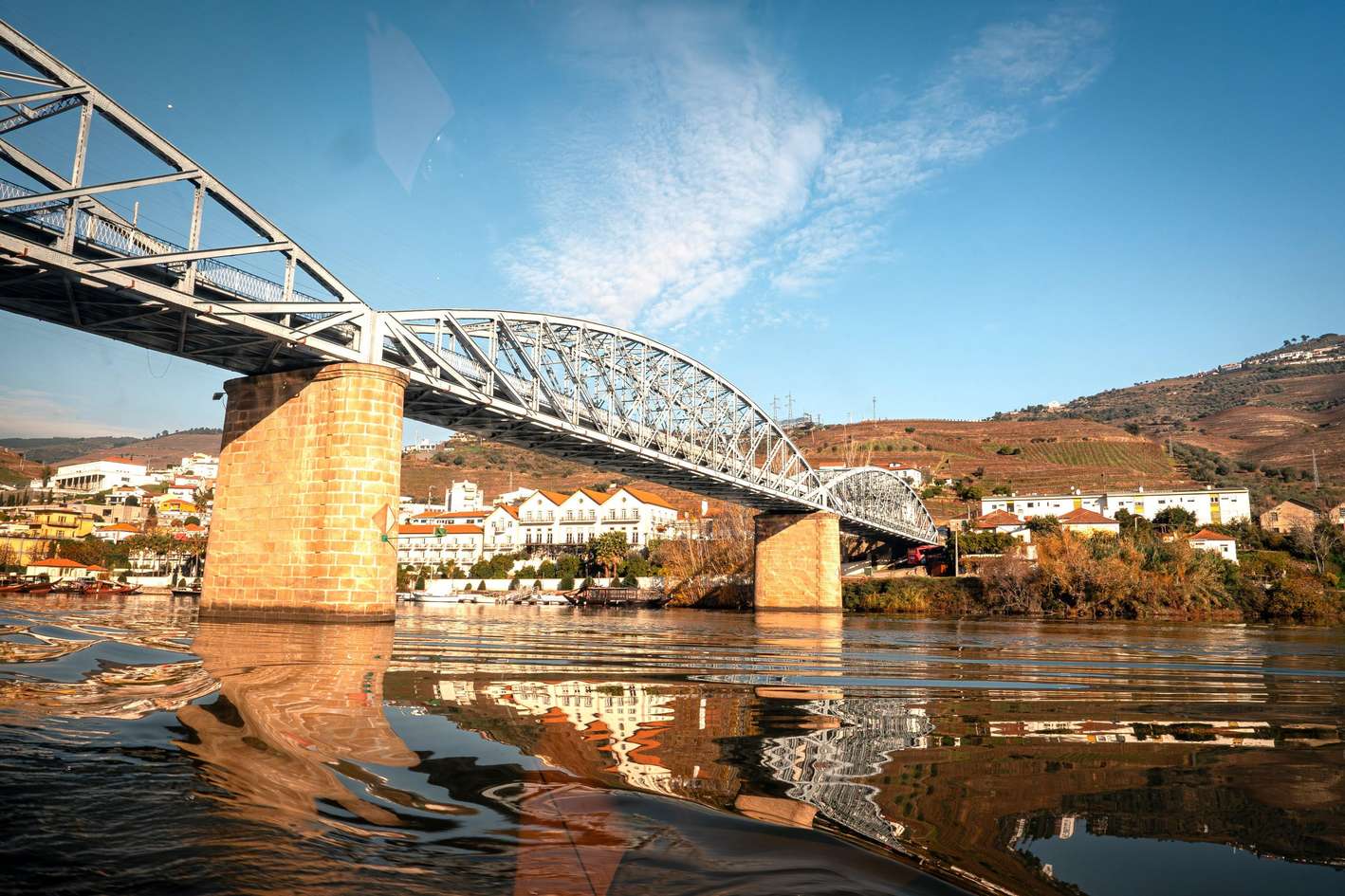
Cross the metal pedestrian bridge over the river for the view, then climb to the Miradouro de São Leonardo de Galafura for the full sweep of terraces.
Back in Porto, the day earns a proper finish.
Dogma in the historic center pours tastings led by Portugal's first Master of Port, Sala de Prova at Time Out Market next to São Bento dedicates itself to Douro and port wines, and Poente by Vallado pairs Quinta do Vallado bottles with snacks in a restored 18th-century building over the river.
If the morning tour got you home by 2:15, lunch first, then any of these after dark.
The half day gives you the estate tasting, the river, and the terraces, and asks only for the long lunch and the second winery in return. Morning departures are the smart pick: back in Porto by mid-afternoon, clear of the evening rush, with the day still yours.
Go ifYou have a dinner reservation, evening plans, or a flight the next morningYou want the quinta-and-cruise essentials without a ten-hour dayYou are already staying in Pinhão or Régua and can join a three-hour local tour
Skip ifYou have three or more days in Porto and want two wineries and lunch in the valleyYou only have one day in Porto and have never seen the city itselfYou travel with very young children who struggle with winding roads and long van rides
Half day Douro Valley wine tour - your questions answered
Short on time? These are the answers travelers ask before booking a compressed Douro Valley wine tour.
How long is a half-day Douro Valley wine tour?
The shortest tours from Porto run six to seven hours, and a three-hour option exists if you are already in Pinhão. A full day runs eight to ten hours, so you get the valley in roughly two-thirds of the time, with a winery tasting and a river cruise still on board.
Is a half-day trip to the Douro Valley even possible?
It is, because the drive runs on the A4 motorway. Getting to Peso da Régua takes about 1 hour 15 minutes to 1.5 hours each way, so a tour that skips lunch can have you tasting at a quinta and back on a boat within five or six hours.
How many wineries do you visit on a half-day tour?
One. A half-day format keeps a single estate visit with a proper tasting and pairs it with a one-hour river cruise. Full-day itineraries usually fit two wineries plus lunch. One stop, done unhurried, still gives you the cellar, the story and the glasses.
Is lunch included on a half-day Douro Valley wine tour?
Usually no. Half-day options drop the sit-down restaurant meal so the day stays short, so plan to eat before you leave Porto or book a table in the city for when you return. A few short tours serve brunch instead, with regional cheeses, cured meats and bread alongside the wines.
What time will I be back in Porto?
Express tasting routes return around 2:15 pm. A seven-hour tour that departs at 10 am gets you back around 5 pm. Either way you keep your evening, which is the whole point of choosing the short format.
Will a morning departure help me avoid Porto traffic?
Yes. A 7:30 am start puts you back in the city around 2 pm, well clear of the evening rush between 5 pm and 8 pm, when travel times on the inner ring road stretch past half an hour for ten kilometres.
How much of a half-day tour is spent driving?
Around 2.5 to 3 hours of road time in total. Half-day tours take the direct A4 highway to the western valley estates near Peso da Régua, so you avoid the slow, winding 27-kilometre stretch of the N222 with its 93 curves that eats up hours on longer coach itineraries.
Can I do the Douro Valley in a half day by train?
The train takes roughly 2 hours each way to Peso da Régua, and closer to 2.5 hours to Pinhão. That means four to five hours of travel alone, which leaves very little time on the ground. On a half-day schedule, a guided van tour is the more practical way to go.
Is a half-day tour worth it compared to the Gaia port cellars?
The two do different things. The port lodges in Vila Nova de Gaia sit a walk from central Porto and give you a solid first taste of port wine.
A half-day valley tour also fits a tight schedule, and it takes you to the terraces where the grapes actually grow, with a river cruise thrown in.
What if I get carsick on winding roads?
The A4 motorway run is smooth, and the twisting stretch of the N222 is what you watch for. Sit toward the front of the van, bring a remedy if you are sensitive, and mention it to your guide so stops can be paced.