3 Day Douro Valley Tour Multi-Day Wine Country Itinerary
Stay three days in the Douro Valley and travel the wine country at its own pace. Two fully guided packages cover quintas, tastings, river travel and meals, with your driver handling the switchback roads that make a self-planned trip so hard to arrange.
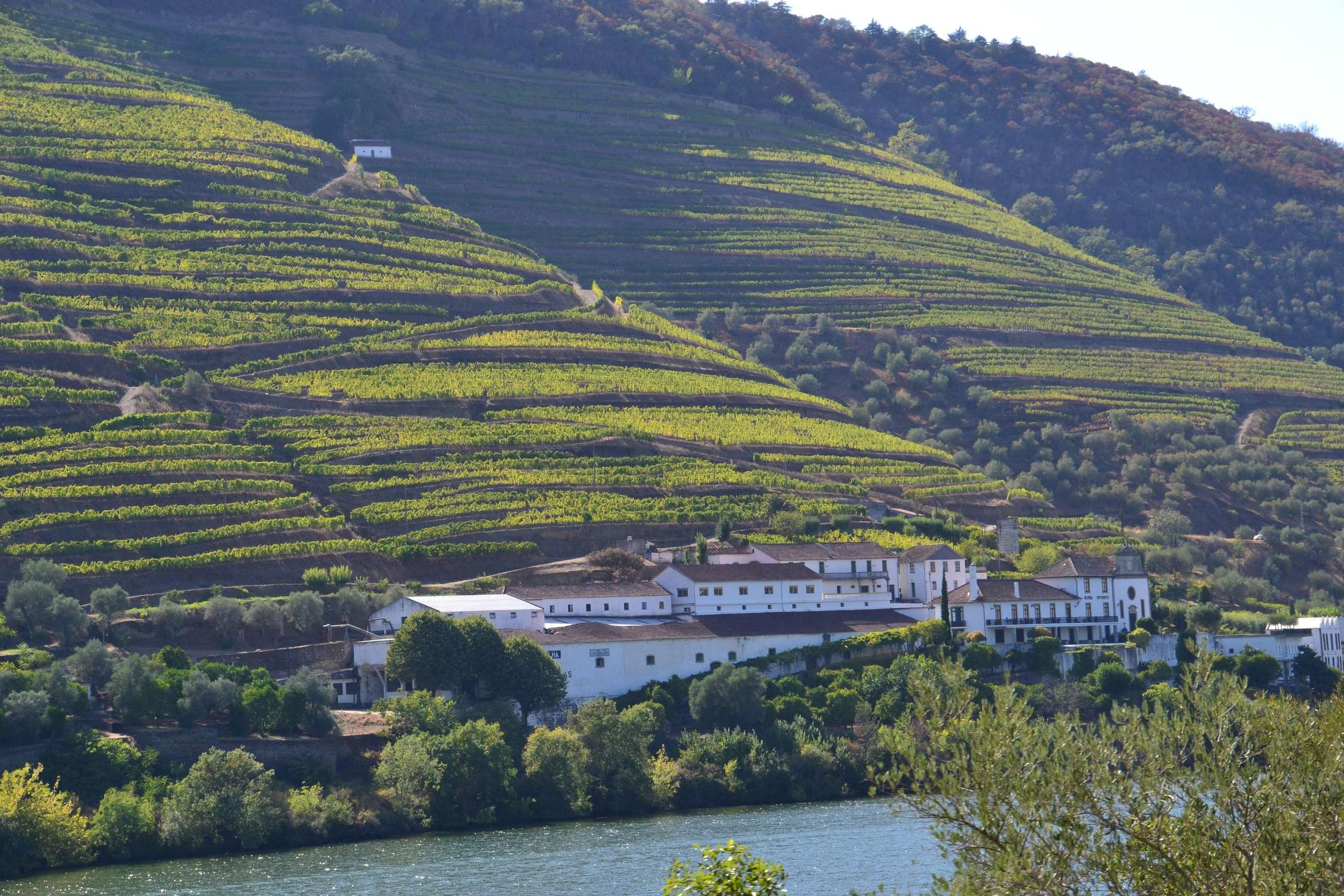
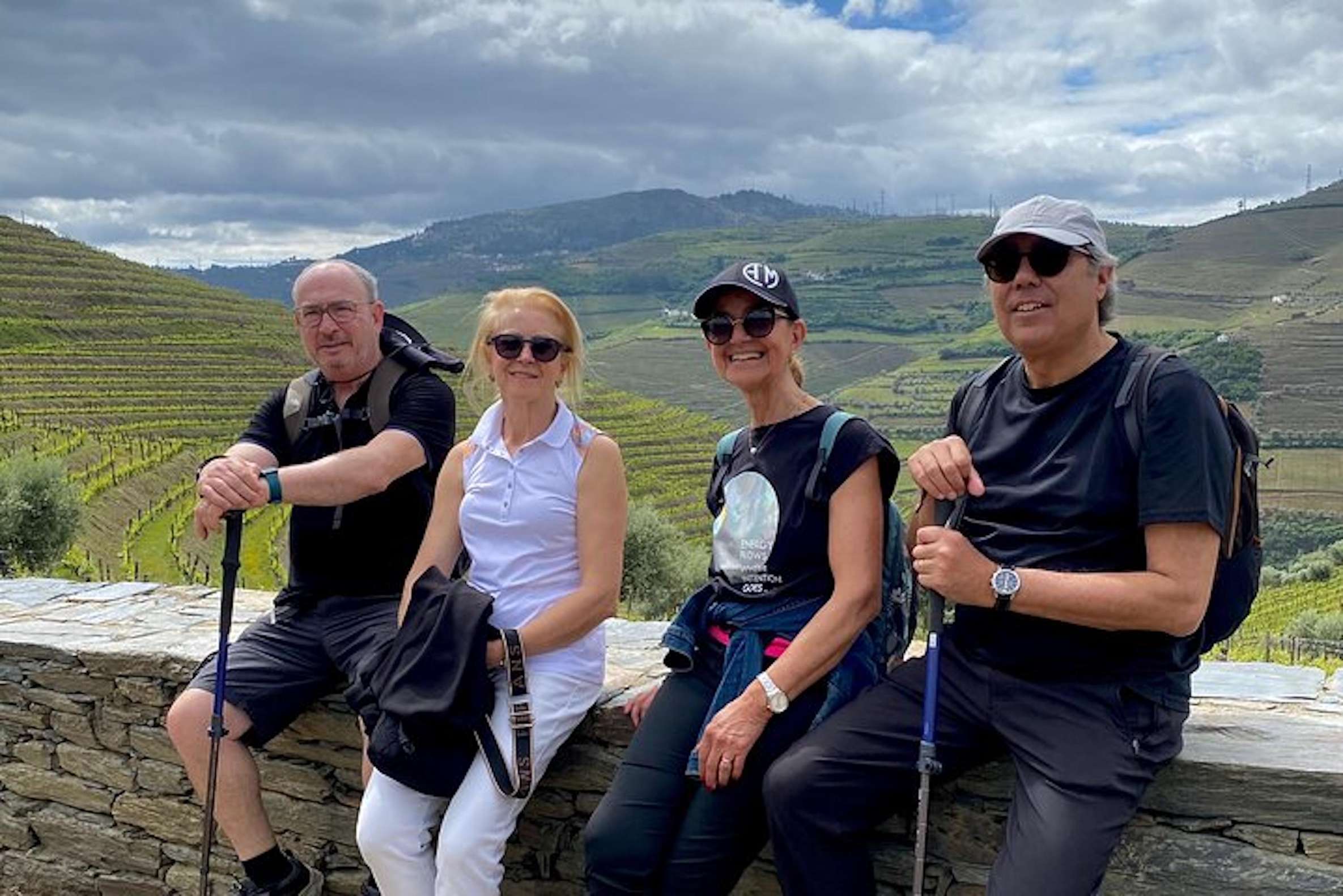
Three days in the valley comes in two styles: a private car journey with a dedicated guide and tastings at named estates, or a walking trip built around daily hikes, local lunches and village dinners. The private tour suits wine lovers who want to cover ground east of Pinhão; the walking journey suits travelers who would rather reach viewpoints on foot and taste wine after a morning on the trails.
Booking aheadWinery visits across the valley fill up well in advance, and showing up at a popular quinta without a reservation often ends at the door. Reserve everything before leaving home.
Drinking agePortugal sets the minimum age for any alcohol at 18, so tastings are for adults only.
Driving yourselfPortugal's blood alcohol limit is 0.5 g/l, and wine regions like the valley draw active breathalyzer checks on its narrow, winding roads. An organized tour removes the question entirely.
MobilityHistoric quintas involve uneven ground and stairs, and tours that visit them are not suitable for wheelchair users or travelers with significant mobility limits.
Season closuresMost major wineries stay open in winter with reduced hours, closing only on December 25 and January 1.
Hot afternoonsJuly and August afternoons on the terraces regularly pass 32°C, though wine cellars hold a constant 13°C to 16°C, so a tasting gives you shelter and a cool break.
Booking lead timeFor September harvest dates, reserve boutique quintas and private experiences three to six months ahead; in-demand multi-day tours often book out by then too.
Peak quiet hoursDay-trip buses leave the vineyard villages after 6 pm, and mornings before 10 am bring mist on the river and empty trails.
Palate pacingTwo or three tastings a day is the most anyone can enjoy comfortably; one full estate visit takes about 90 minutes, with 15 to 45 minutes of driving between neighboring quintas.
closureMost major Douro wineries close on December 25 and January 1, and some estates such as Quinta Nova run no tours from December 23 to 27.
Plan your 3 day Douro Valley tour around those dates, and note that winter itineraries can be adjusted when a scheduled quinta is shut, with a reschedule or refund for the affected visit.
Comparing the 3 day wine tours of the Douro Valley
Private
3 days·Portuguese, English
Douro: Private 3-Day Wine & Heritage Tour
Your own guide and vehicle for the whole three days, with tastings at two estates and a hotel night in Peso da Régua.
Free cancellationHotel pickup includedDedicated private guide throughout the journey
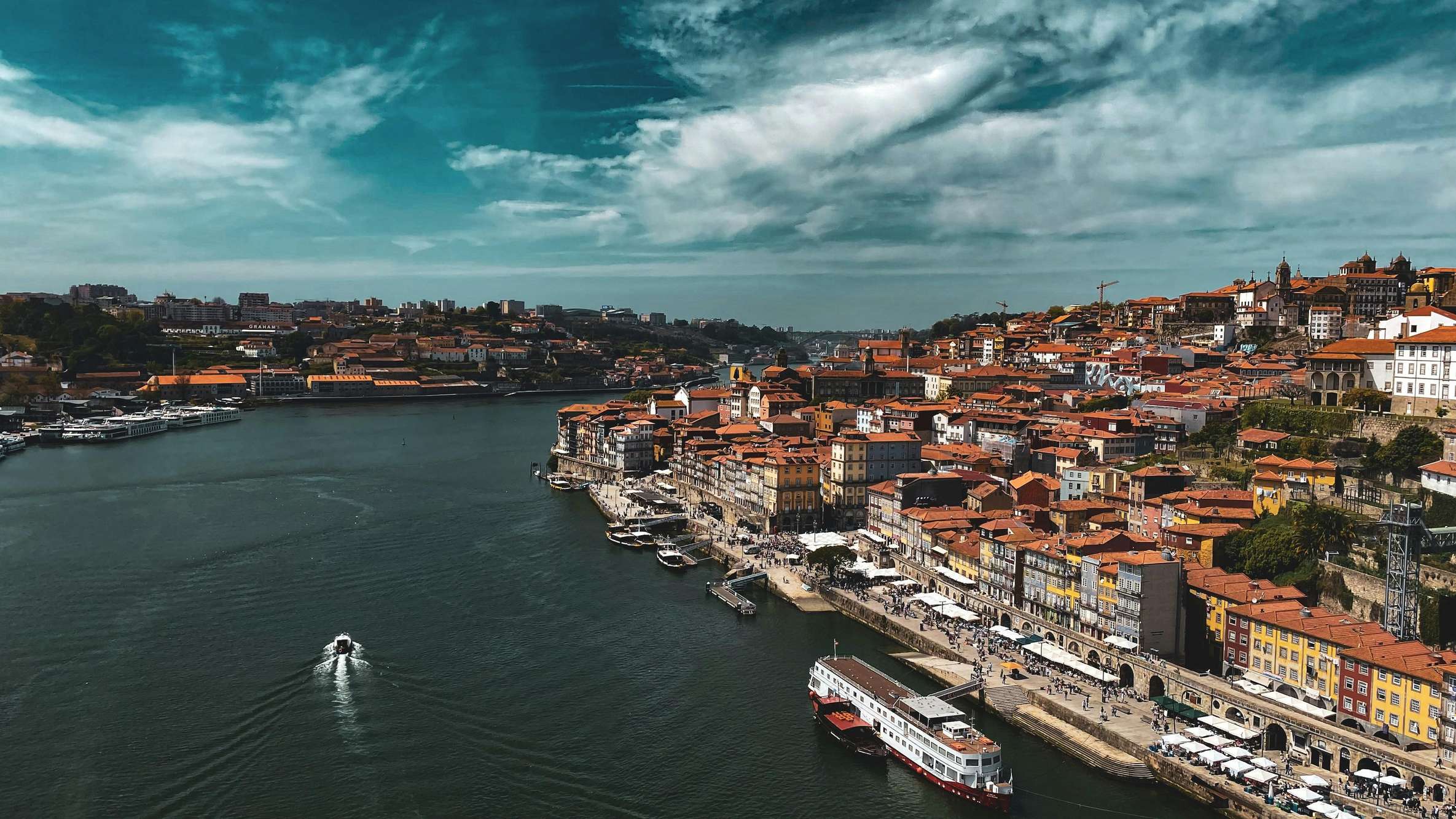
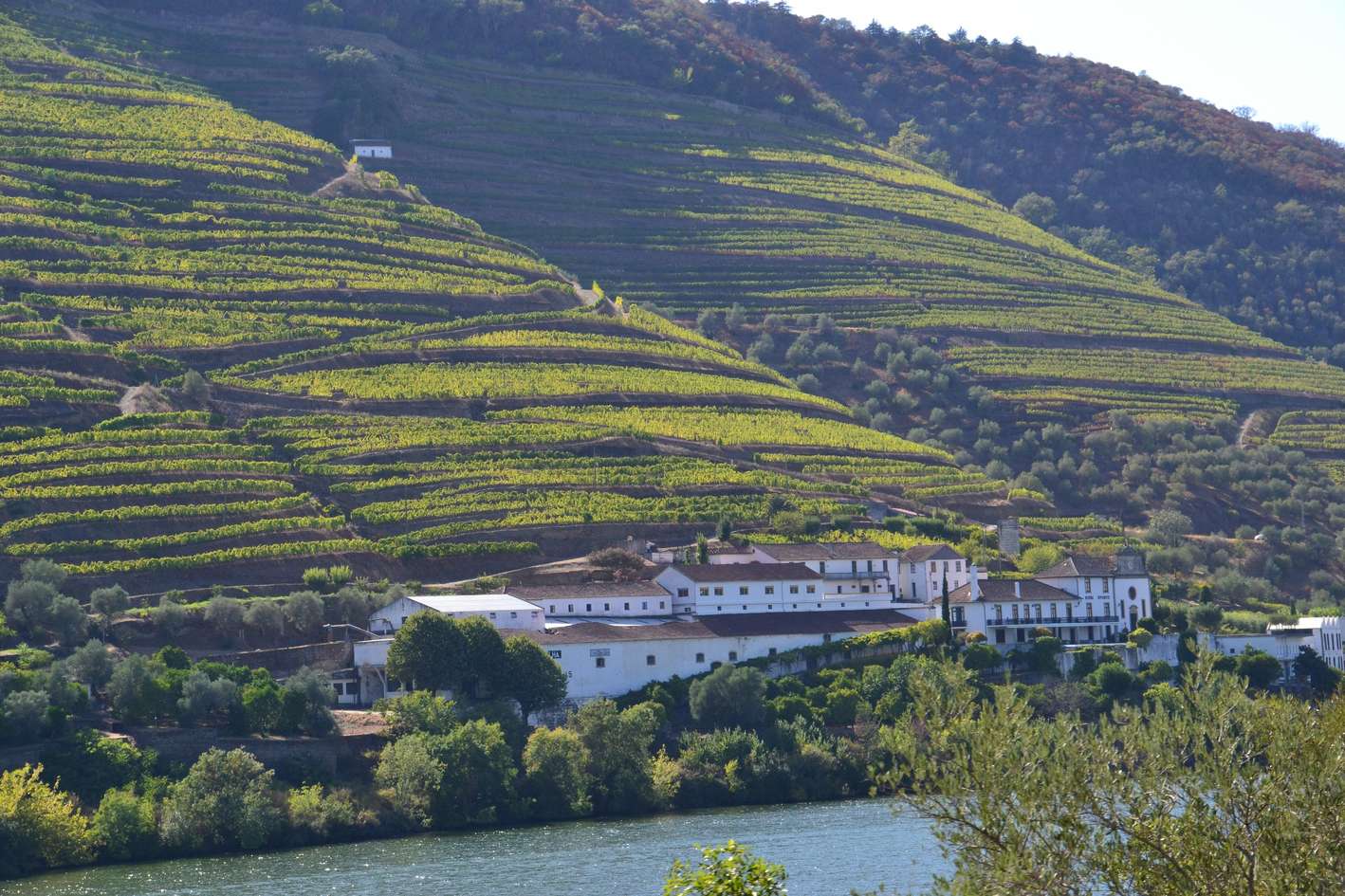
The first morning carries you upriver from Porto into the Baixo Corgo, where the terraces begin, and on to Quinta da Pacheca for a guided visit and tasting with your own private guide.
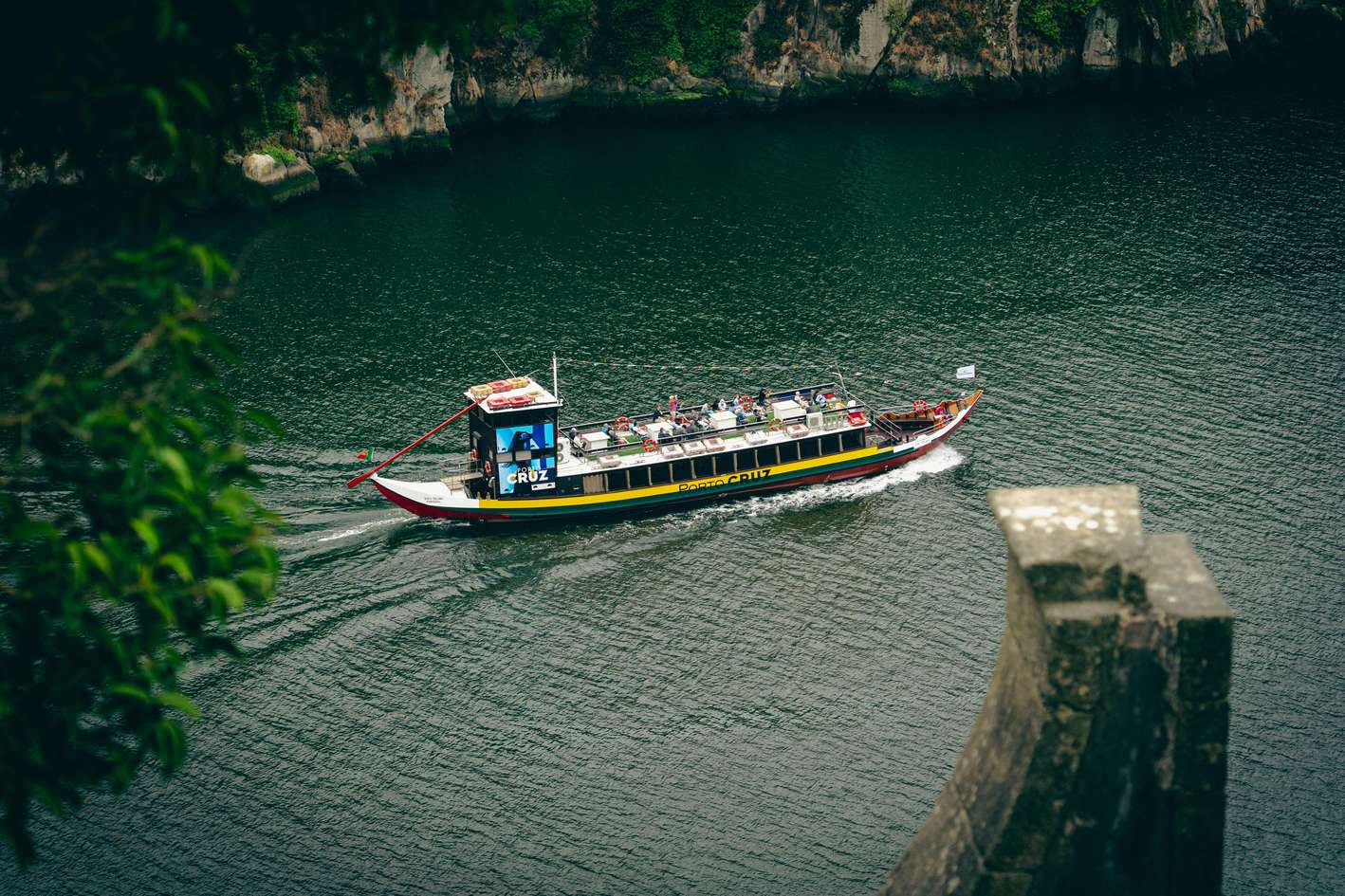
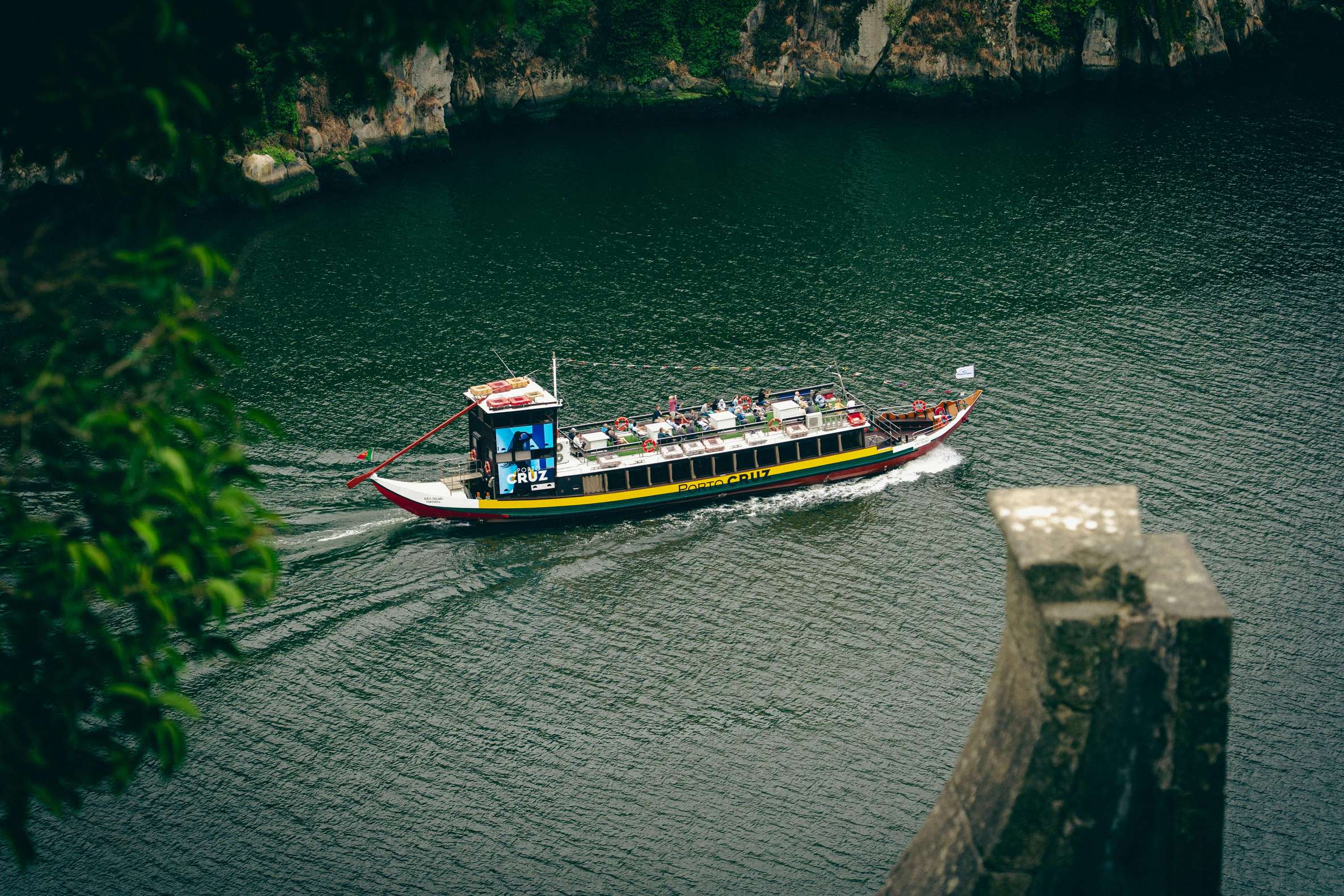
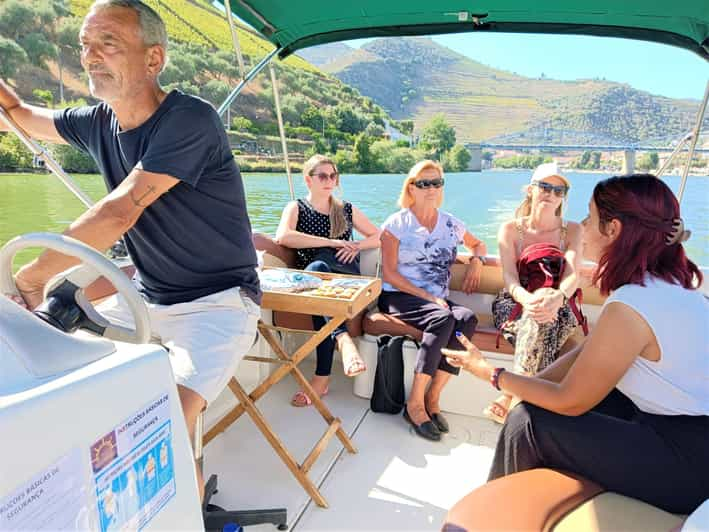
From Pinhão you cruise the river on a traditional Rabelo boat with Port wine, then trade grapes for olives at the D'Origem museum in Casal de Loivos before an overnight in Peso da Régua.
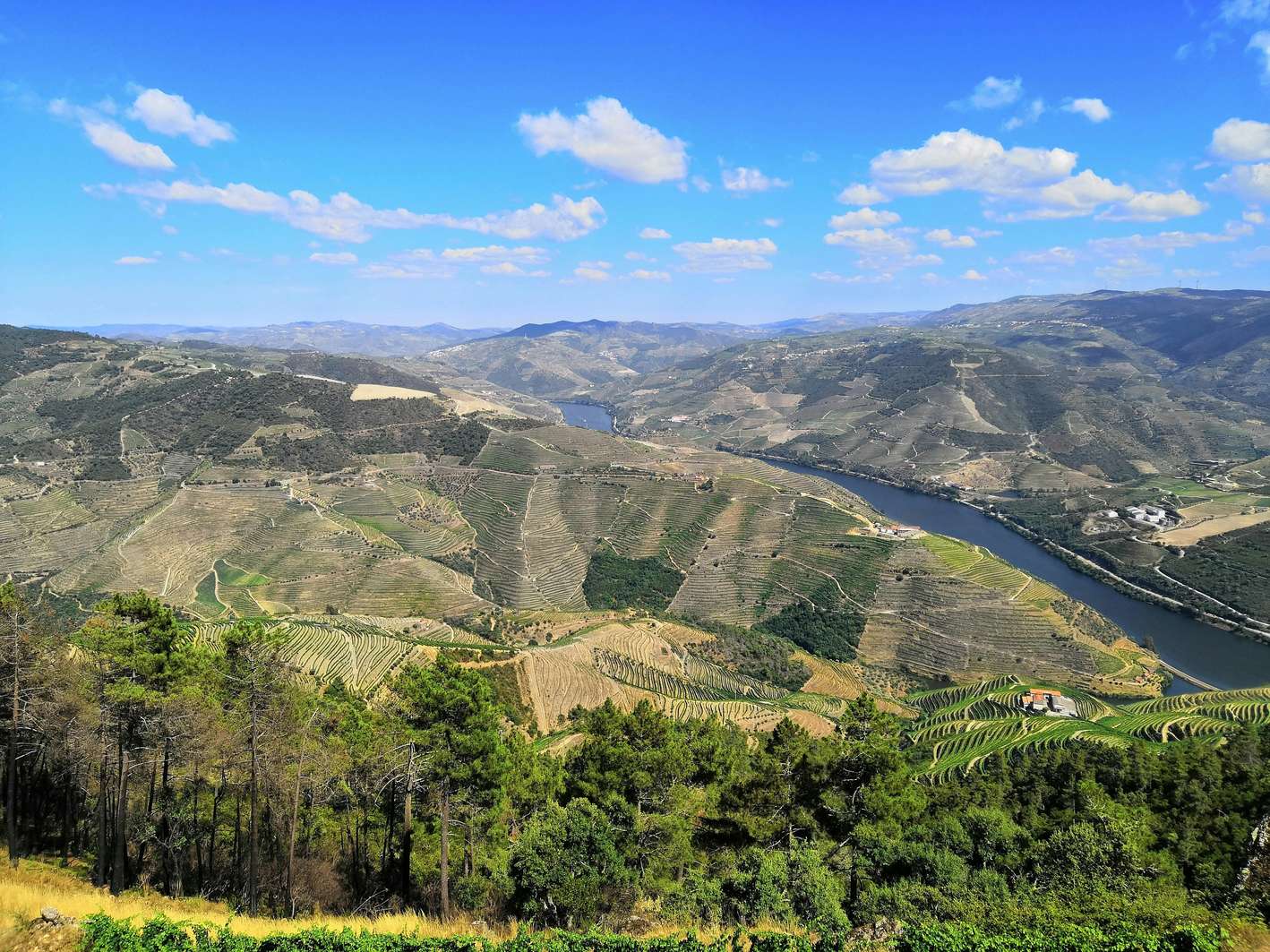
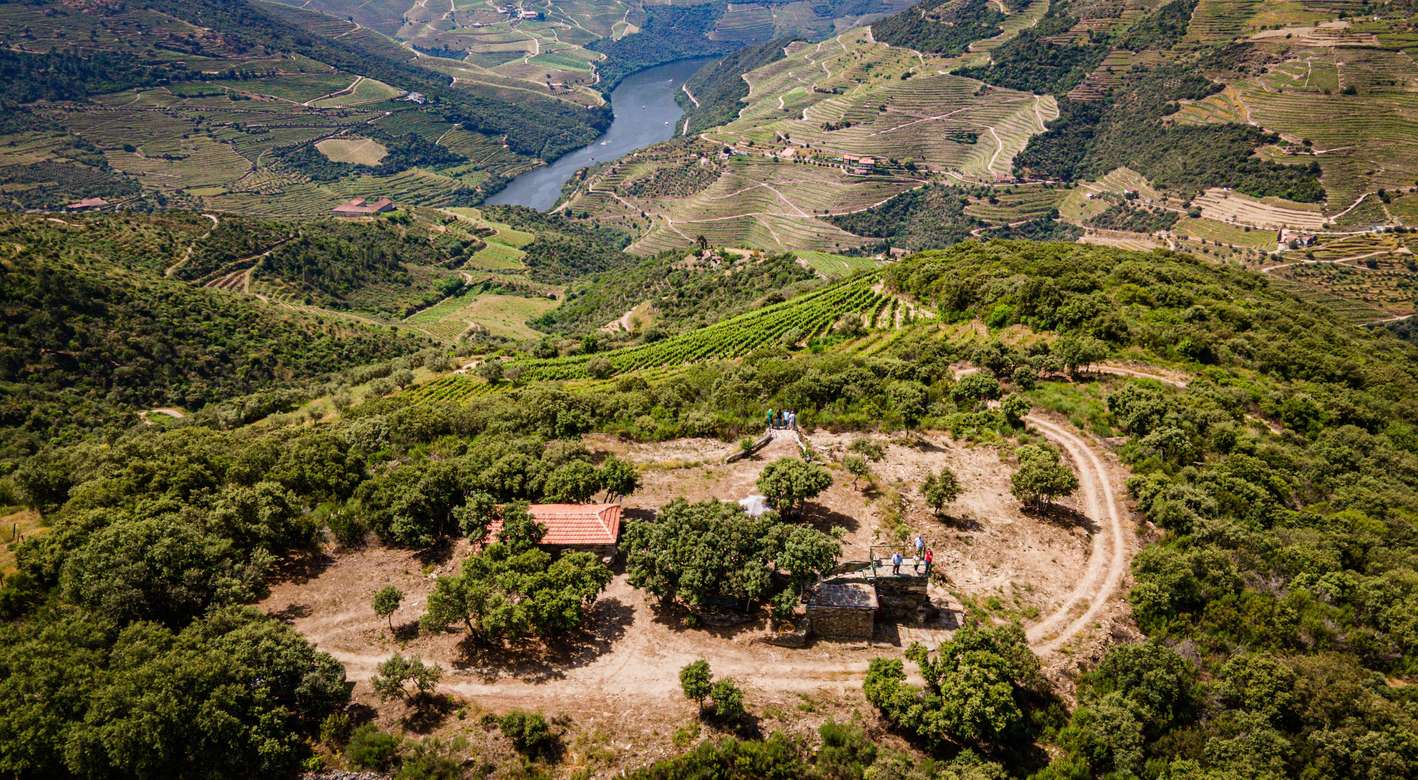
Day two climbs to the São Leonardo de Galafura viewpoint, stops at Quinta do Seixo for three Port wines, and finishes through Vila Real and Amarante.
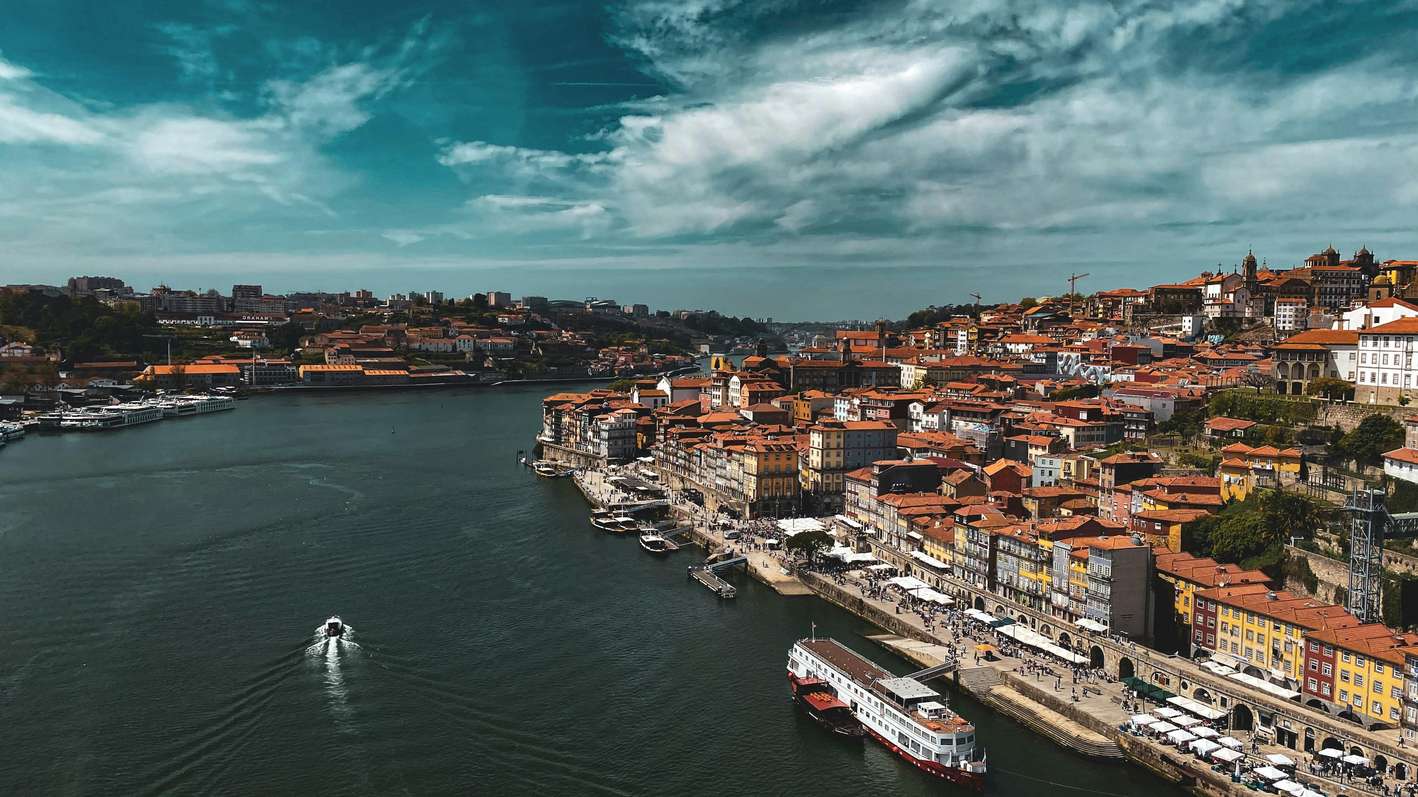
The last day returns to Porto for a walk through Aliados, São Francisco and Ribeira before drop-off. A three-day walking version runs the other style: easy to moderate hikes each morning, a long lunch with wine, and free afternoons.
PickupAvintesYour guide returns you to your Porto accommodation at the end of the third day.From this tour2Mesao FrioFirst sight of the terraced vineyards as the route enters the Baixo Corgo, the coolest and wettest of the Douro's three subregions.From this tour3Quinta da PachecaA renowned Douro estate. You take a guided visit of the property and a curated wine tasting on site.Street View4PinhãoA private-style cruise on a traditional Rabelo boat with Port wine tasting, plus the station's 24 azulejo panels showing the harvest, treading and wine barges.5Casal de LoivosVisit the D'Origem Olive Oil Museum to see how the region's other staple is pressed, alongside the wine tastings.Street View6Peso da RéguaYour base for the night at a selected hotel, with breakfast included and a visit to the Douro Museum.From this tour7Viewpoint of São Leonardo de GalafuraA panoramic stop high above the river bend, where the terraced slopes stack up on both banks.8Q.ta do SeixoA working estate on the river above Pinhão with a guided visit and a refined tasting of three Port wines.9Vila Real, PortugalThe historic town of the upper Douro, visited on the second day after the estate mornings.From this tour10AmaranteA riverside town on the return leg, known for its old bridge and the São Gonçalo pastry.From this tour11Porto DistrictThe drive back west through northern Portugal toward the coast on the final day.From this tour12PortoA final private walk through the historic centre, taking in Aliados, São Francisco and Ribeira.Drop-offAvintesYour guide returns you to your Porto accommodation at the end of the third day.From this tour
Private transportation from Porto in a modern, air-conditioned vehicleDedicated private guide throughout the journeyWelcome drink in the Douro ValleyVisit to the Douro MuseumGuided visit and wine tasting at Quinta da PachecaTraditional Rabelo boat cruise with Port wine tasting
Not included
Lunches and dinnersPersonal expenses and purchasesHotel tourist tax, where applicableRoom upgrades or additional hotel services
How to reserve your spot on a 3 day Douro Valley itinerary
01
Pick your dates first
Choose your three days on the calendar and check availability before anything else. Weekend tasting slots book out weeks in advance, and weekday dates leave more room at the quiet quintas.
Pro tipFor a September harvest trip, reserve three to six months ahead, because boutique estates and private guides fill their dates by June.
RecommendedTuesday to Thursday gives you the emptiest tasting rooms and lighter traffic on the N222.
02
Choose the right three day format
Decide between the private wine and heritage tour with a dedicated guide, vehicle and hotel night in Peso da Régua, and the all-inclusive walking journey with hikes, meals and rustic accommodation. Pick the private version for comfort and tastings at two estates, the walking one for trails and village dinners.
Common mistakeFirst-timers pick the format by price alone and end up on a schedule that doesn't match how they want to spend three days.
03
Pay and get your confirmation
Confirm the booking and the voucher arrives through the marketplace with your dates and the operator's contact details. Both three day tours let you cancel up to 24 hours in advance for a full refund, so a change of plan is not costly.
ImportantCancellation is free only up to 24 hours before the start time. Inside that window there is no refund.
04
Sort out pickup or the meeting point
The private heritage tour includes pickup, so send your Porto hotel address when the operator messages you. The walking journey starts in Peso da Régua, and its package covers transfers within the three days but not your trip to the meeting point.
Pro tipIf you book the walking journey, plan your own train or transfer to Peso da Régua the evening before, so the first hike starts rested.
ImportantChanges to pickup locations need more than 48 hours of notice, so fix your hotel before you request a different address.
05
Prepare for the day itself
Pack hiking shoes and comfortable clothes if you chose the walking version, and check the know-before-you-go notes for dietary or mobility needs, which the private tour asks you to declare before arrival. Keep your ID or passport handy, since some tours ask for it at check-in.
Common mistakeWaiting until you land to book estate tastings. Quintas fill up well ahead of time, and walk-ins at popular estates are often turned away.
RecommendedMessage the operator a day ahead with any vegetarian or gluten-free needs so the estate kitchens can prepare.
What to know before you book a 3 day tour of the Douro Valley
Can stop the dayGood to knowGood news
01
ChoosingWhat it is, who it suits, when to go
7
Getting around
On the private tour, a modern air-conditioned vehicle with your dedicated driver-guide carries you for all three days. The walking journey transfers you to each trailhead and restaurant, so you never navigate the valley roads on your own.
Group size
Both three-day tours run privately, so it is just your party with the guide. That keeps the pace flexible: you linger where the wine interests you and move on when you have had enough.
What's included
The private tour bundles transport, guide, two estate tastings, a Rabelo cruise, museum visits, one night in a Régua hotel with breakfast and travel insurance. The walking journey covers three days of guided hikes, all lunches, two dinners and two rustic nights.
Extra costs
Lunches and dinners fall outside the private tour, and you cover personal purchases, hotel tourist tax and anything not listed. On the walking journey, tips and your transfer to the meeting point come from your own pocket.
Booking ahead
Boutique quintas and sought-after estate visits fill weeks ahead, especially around the September harvest, when September dates at quality estates are gone by June. For a multi-day itinerary, securing your dates early also keeps weekend tasting slots open.
Timing
Pinhão and the riverside villages are busiest from 10:00 to 6 pm, when the day-trip coaches are in the valley. Once they leave after 6 pm, the streets empty and you get the quiet evenings that day tours miss.
Tipping
Tips are not expected as part of either package, and the walking journey lists them among the things not included. If a driver-guide has earned one, hand over cash in euros at the end rather than at the start.
02
BookingHow far ahead, and what happens if plans change
1
Cancellation
Both three-day tours let you cancel up to 24 hours in advance for a full refund. If a scheduled stop on the private tour closes for a local event, you can accept the proposed change, reschedule or take a refund for that visit.
03
Before you goPapers, health, what to bring
2
Health limitsCan stop the day
Douro quintas involve stairs, uneven stone and steep terraces, and visits there are not suitable for wheelchair users or people with significant mobility or heart conditions. The walking journey rules out back problems, mobility impairments and heart conditions outright, and its trails are easy to moderate.
Footwear
Bring hiking shoes and comfortable clothes for the walking journey. The terraces climb slopes steeper than 30 degrees over loose gravel and stone steps, so closed-toe shoes with good grip matter even on a short walk.
04
On the dayWhere to be, when, and how you get there
1
Pickup
The private wine and heritage tour collects you at your Porto hotel with your luggage, so the valley day starts at your door. The walking journey begins at a meeting point in Peso da Régua, and transfers to and from it are not part of the package.
The 3 day Douro Valley guide
Pinhão empties by 7 pm, and the vineyards go quiet in a way no day trip from Porto ever shows you. Three days is what it takes to taste the whole valley without rushing a single glass.
Porto· 41.11° N, 8.55° W
If you only remember three things
1
Pace yourself at two to three winery visits a day, with a late-morning tasting around 10:30 am and the next after 4 pm.
2
Book September harvest visits three to six months ahead; the best quintas are full by June.
3
Never drive after tastings: the legal limit is 0.5 g/l and the valley roads have 93 bends between Régua and Pinhão.
Is a 3 day Douro trip really worth it?
The last tour bus pulls out of Pinhão just before 7 pm. Within the hour the riverfront tables are empty, the shadows have climbed the terraces, and the town belongs to the people staying over. That evening is the part you cannot buy on a day trip.
A single day from Porto genuinely works for a first look: two or three quintas, lunch, an hour on the river, back by night. If that is your situation, an organized day tour is often more relaxing than changing hotels for one night.
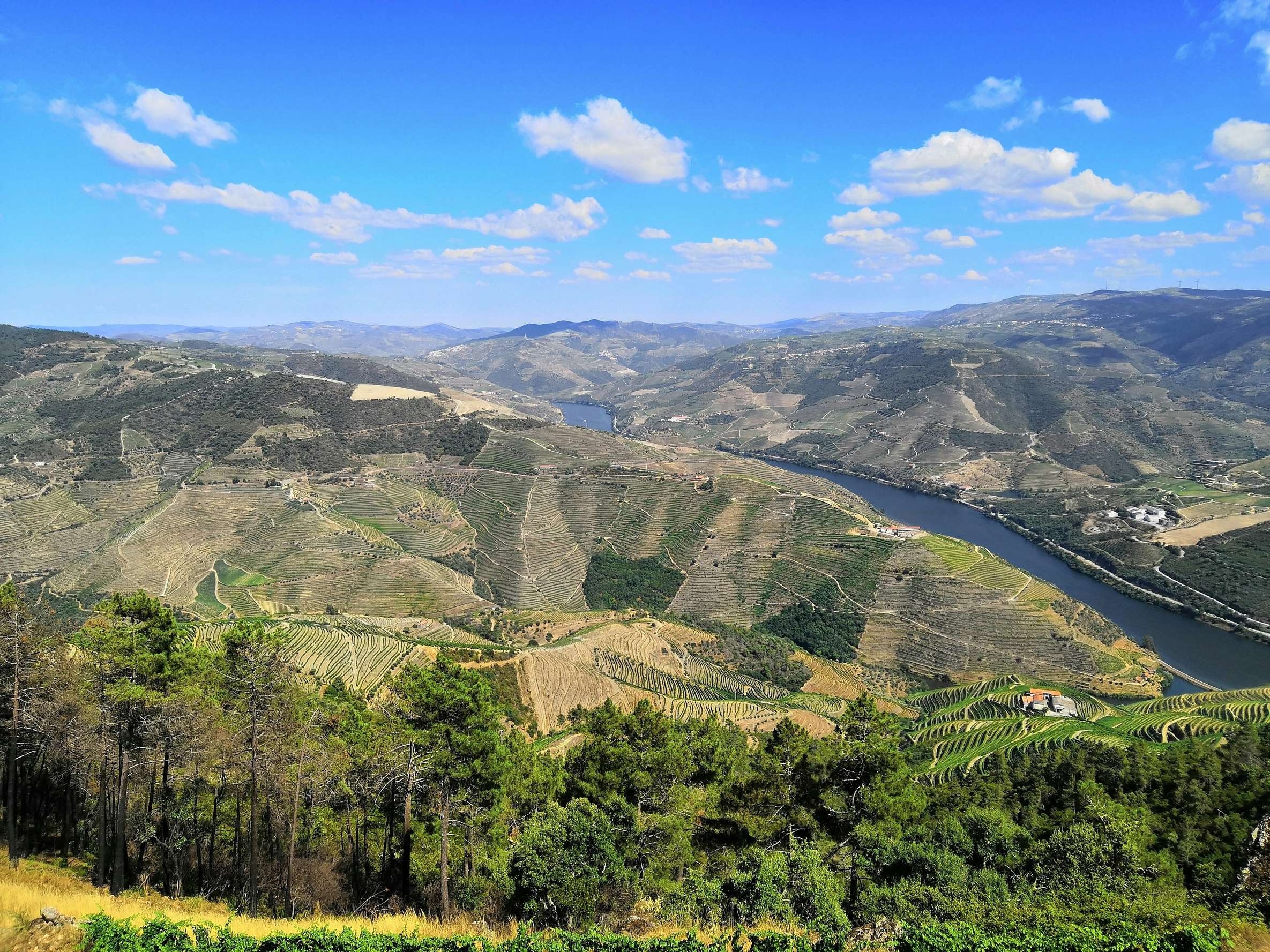
Stay three days and the balance shifts. You skip the four-hour round drive twice over, you taste without watching the clock, and you can push east toward the Douro Superior, the hot, dry country near the Spanish border that sits too far from Pinhão for any day return.
Two full winery days plus a cultural day covers both the Baixo Corgo and Cima Corgo sub-regions without strain.
Crowd levels and village atmosphere throughout the day
Early morning7 am to 10 am
Mist along the river and quiet vineyard trails before tour groups arrive.
Daytime Peak10 am to 6 pm
Day-trippers and tour buses fill boat piers, wineries, and village streets.
Evening6 pm to 10 pm
Day-trippers depart, leaving empty riverfronts and quiet dinner terraces.
QuietBusyThe busiest
The mornings seal it. Before 10 am there is mist on the river and stillness on the trails, and the tour buses have yet to find the piers.
Quiet mornings are the real payoff, and the rhythm of the day decides everything: build your tastings and boat time around the middle hours, and keep the early morning and the evening for walking and dinner. The day-trippers never get either.
Tour for this
Douro: Private 3-Day Wine & Heritage Tour3 days · Hotel pickup · Free cancellation
Day one pairs Peso da Régua with Pinhão; the two sit close enough to share a day. Day two heads east, upriver toward Pocinho and the Côa Valley. Day three belongs to a final winery or a viewpoint, or to Vila Nova de Foz Côa if the prehistoric rock art is on your list.
A full winery visit takes 90 minutes to two hours, and transfers between neighbouring quintas run 15 to 45 minutes on steep, winding lanes. That is why two to three tastings a day is the honest ceiling; a third estate turns the schedule into a race.
Pacing winery visits in the Douro Valley
2 to 3winery tastings per day
1.5 to 2 hoursvisit duration per estate
15 to 45 mindrive time between quintas
A day that works: late-morning tasting between 10:30 am and 1 pm, a long vineyard lunch, then a second tasting between 4:00 and 6:30 pm. Pinhão helps here, because the town is compact, the waterfront walkable, and the boat trips leave straight from the quay.
Balance what you taste as carefully as when. Give one day to fortified Ports, one to dry still wines and vineyards, and one mostly to the river with a single tasting. A red and a white alongside a Port flight keeps the palate awake where four flights of Port in a row will not.
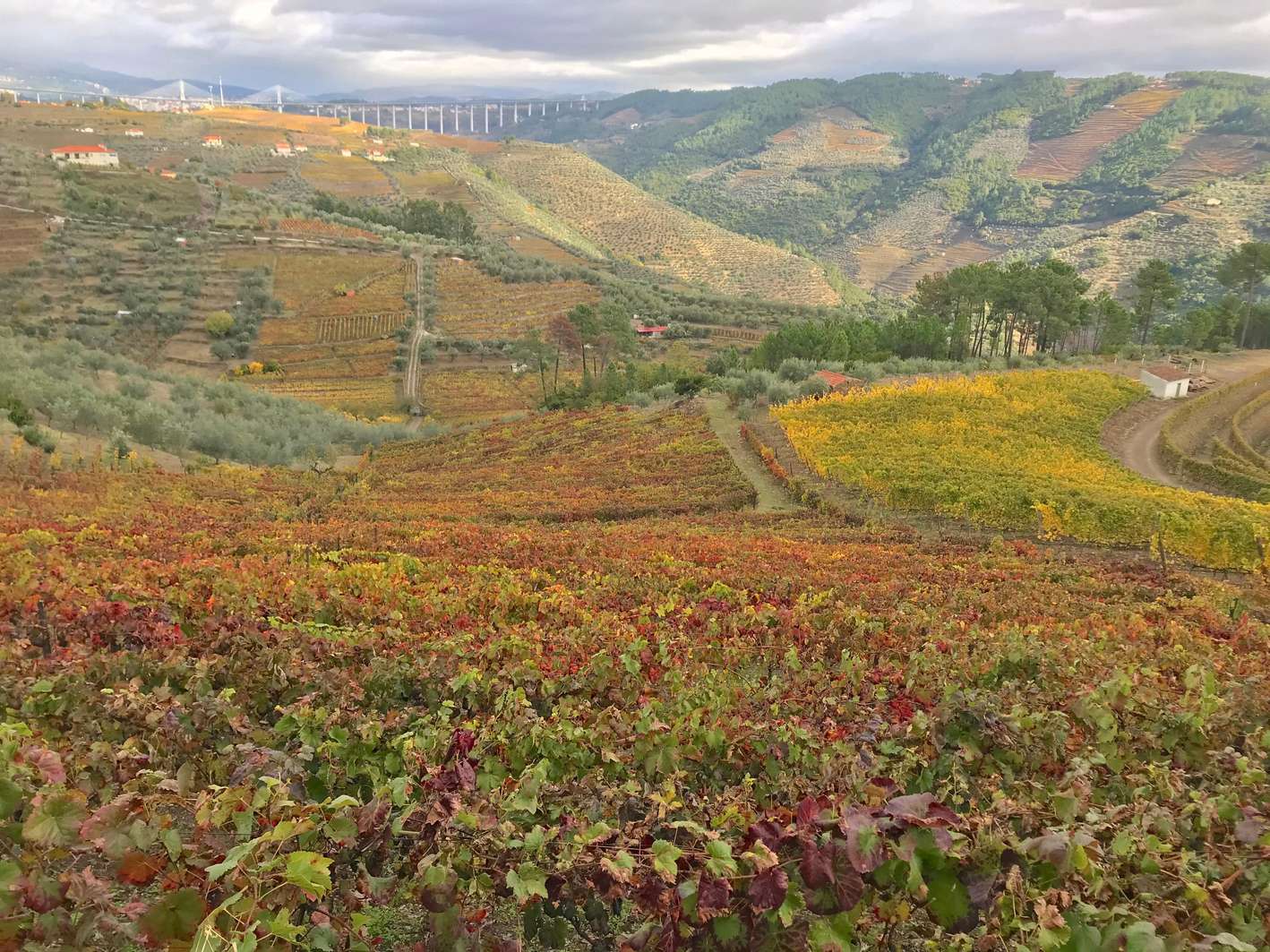
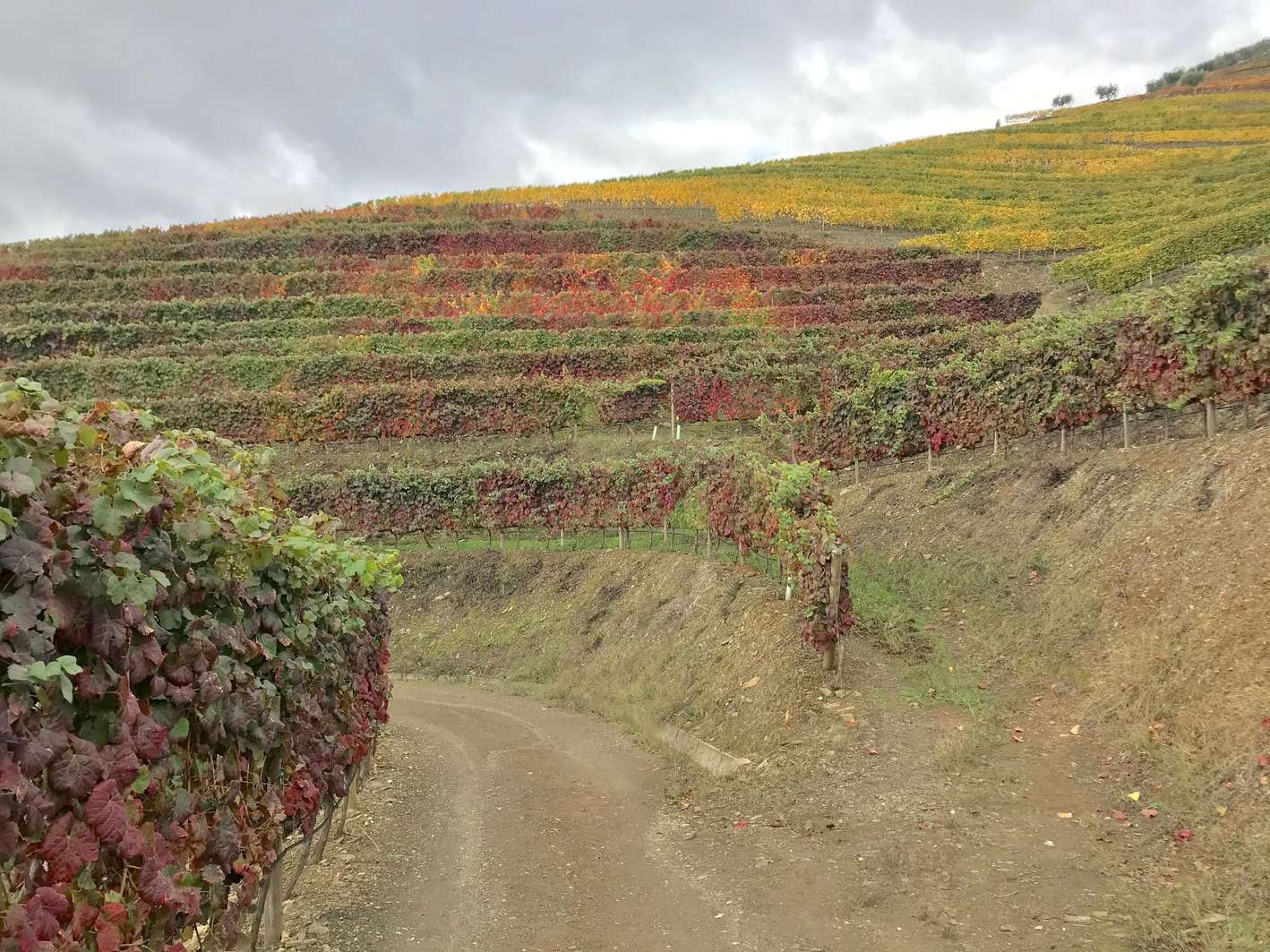
Mid-September to mid-October is the answer most wine people give, and they are right. The vindima fills the terraces with picking crews, the wineries run live fermentation and foot-treading, and the leaves turn crimson and gold.
The harvest usually starts at the end of August or in early September and finishes somewhere between late September and October, moving from low white-grape parcels up to the higher vineyards last.
Book those dates months ahead or you will not get them. Boutique quintas and private guides for September want reserving three to six months out, and September at the good estates is full by June. Harvest activities like picking and treading need three to four months' notice.
Douro Valley Wine Tasting by Month
April: 5 out of 5 for how busy it gets. Tasting tours surge with comfortable 16°C highs and blossoming trees, while vines develop fresh green shoots.
HighestApr to Jun, Aug to Oct
In betweenMar, Jul
LowestNov to Feb
Darker: a higher how busy it gets score, out of 5
Tap a month to read it.
August: highs around 29.3°C. High heat near 29°C keeps outdoor walking demanding, but early grape harvesting begins late in the month.
HighestJun to Aug24.1 to 29.3 °C
In betweenApr to May, Sep to Oct16.5 to 22.2 °C
LowestNov to Mar8.9 to 12.7 °C
Darker months: higher, from 8.9 to 29.3 °C
Tap a month to read it.
October: 159 mm of rain. Autumn foliage turns golden red and harvest wraps up in early October, though rain increases to 159 mm across the month.
HighestOct to Jan112 to 159 mm
In betweenFeb to May, Sep59 to 94 mm
LowestJun to Aug6 to 49 mm
Darker months: higher, from 6 to 159 mm
Tap a month to read it.
August: 30 dry days. High heat near 29°C keeps outdoor walking demanding, but early grape harvesting begins late in the month.
HighestJul to Aug29.6 to 30 days
In betweenMay22 days
LowestJun, Sep to Apr17.8 to 21.4 days
Darker months: higher, from 17.8 to 30 days
Tap a month to read it.
September: 5 out of 5 for vineyard activity. Peak harvest and grape stomping
HighestMay to Jun, Aug to Oct
In betweenJul
LowestNov to Apr
Darker: a higher vineyard activity score, out of 5
Tap a month to read it.
May and June are the strong alternative. The terraces are lush green, the light lasts long, and daytime highs of 20 to 24 degrees sit well below the summer peak. July and August push past 28 degrees in the afternoons, and winter leaves the vines bare and the weather cold and wet.
One thing is fixed by the calendar alone: grape stomping in a working lagar happens only during the harvest weeks. If you want bare feet in the tanks, the season chooses itself.
Read the monthly picture the same way: when vineyard activity is high and the daytime high stays bearable, you land in May, June or the harvest itself.
Tour for this
3-Day Walking Journey in Douro Valley - All-Inclusive3 days · Free cancellation
Two formats cover nearly every kind of traveller, and the choice comes down to where you want to spend your hours: beside a table or on a hillside.
The Douro: Private 3-Day Wine & Heritage Tour runs on a dedicated vehicle and guide, two tastings at renowned estates, a Rabelo boat cruise with Port, and a night in Peso da Régua with breakfast.
It is the format for people who want the region brought to them: heritage stops like the Douro Museum and the olive oil side of the valley folded in, someone else holding the keys all three days.
Which 3 day format suits you
Private Wine & Heritage
All-Inclusive Walking Journey
Pace
Flexible, set with your guide
Hikes each morning, free afternoons
Transport
Private vehicle and driver throughout
Transfers to trails and restaurants
Focus
Wine estates, museums, river cruise
Trails, local food, wine at lunch
Suitability
Anyone who prefers wheels
Needs easy-to-moderate fitness
Meals
Arrange your own, except breakfast
Lunches and dinners all included
Private Wine & Heritage
Pace
Flexible, set with your guide
Transport
Private vehicle and driver throughout
Focus
Wine estates, museums, river cruise
Suitability
Anyone who prefers wheels
Meals
Arrange your own, except breakfast
All-Inclusive Walking Journey
Pace
Hikes each morning, free afternoons
Transport
Transfers to trails and restaurants
Focus
Trails, local food, wine at lunch
Suitability
Needs easy-to-moderate fitness
Meals
Lunches and dinners all included
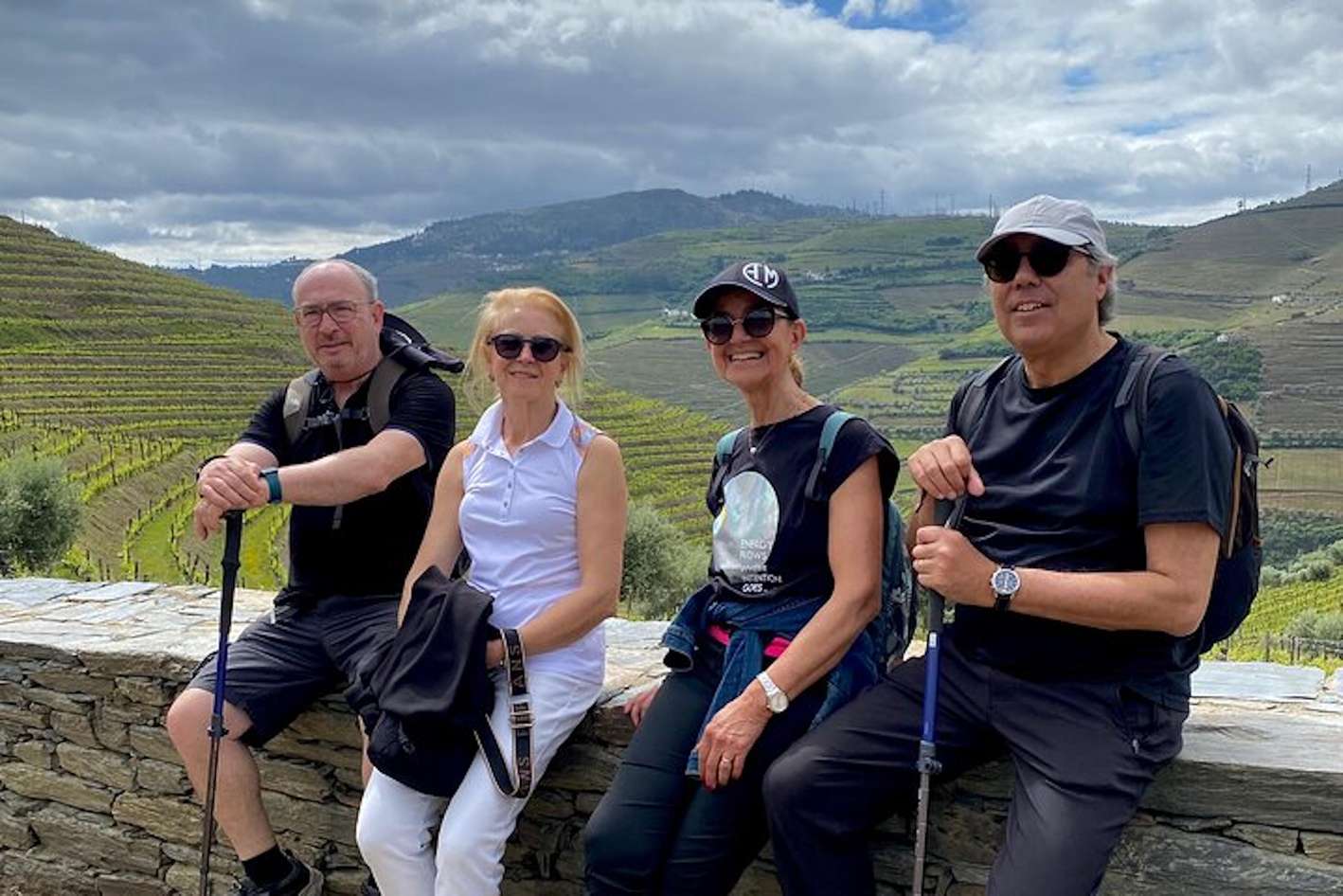
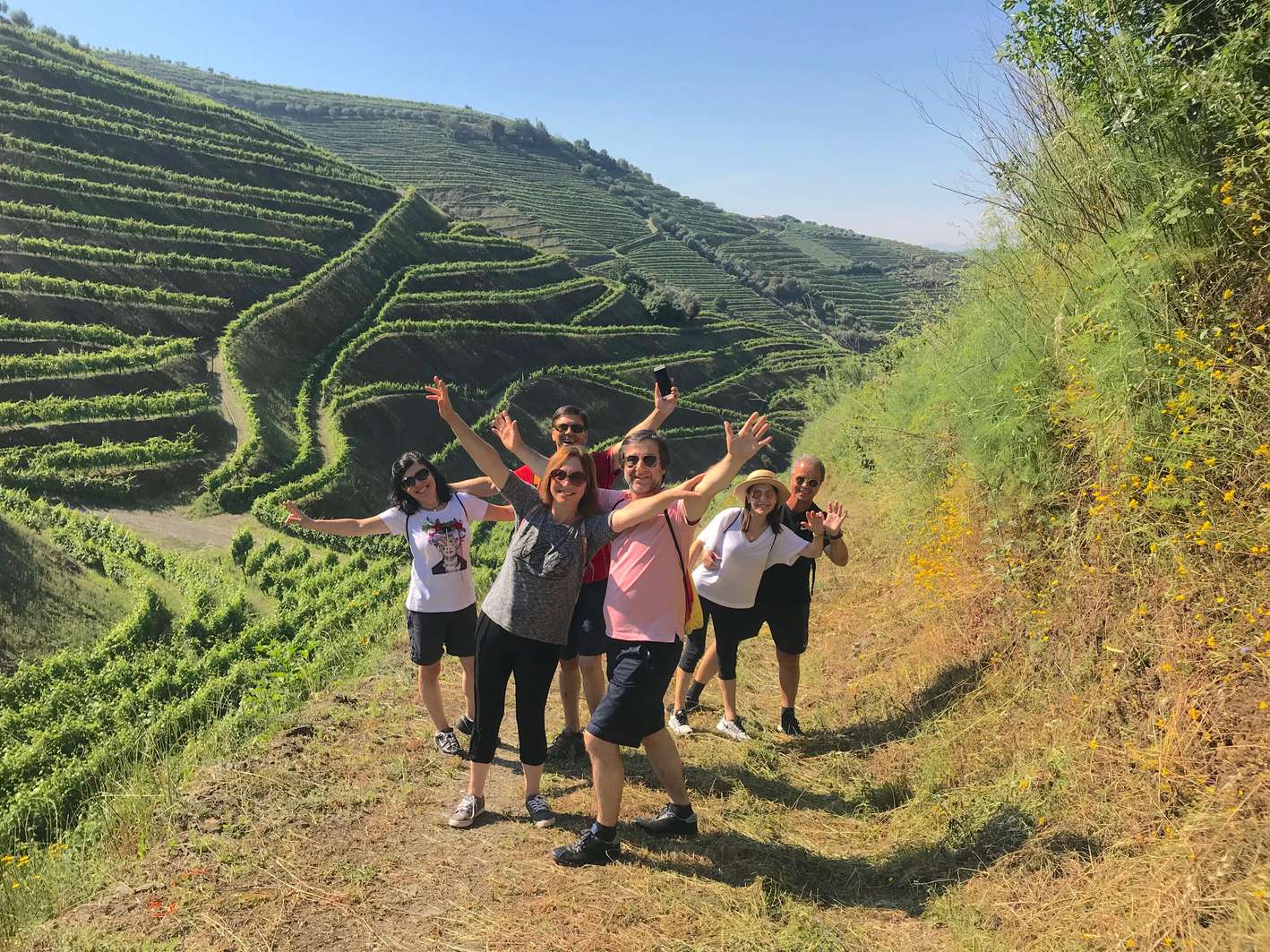
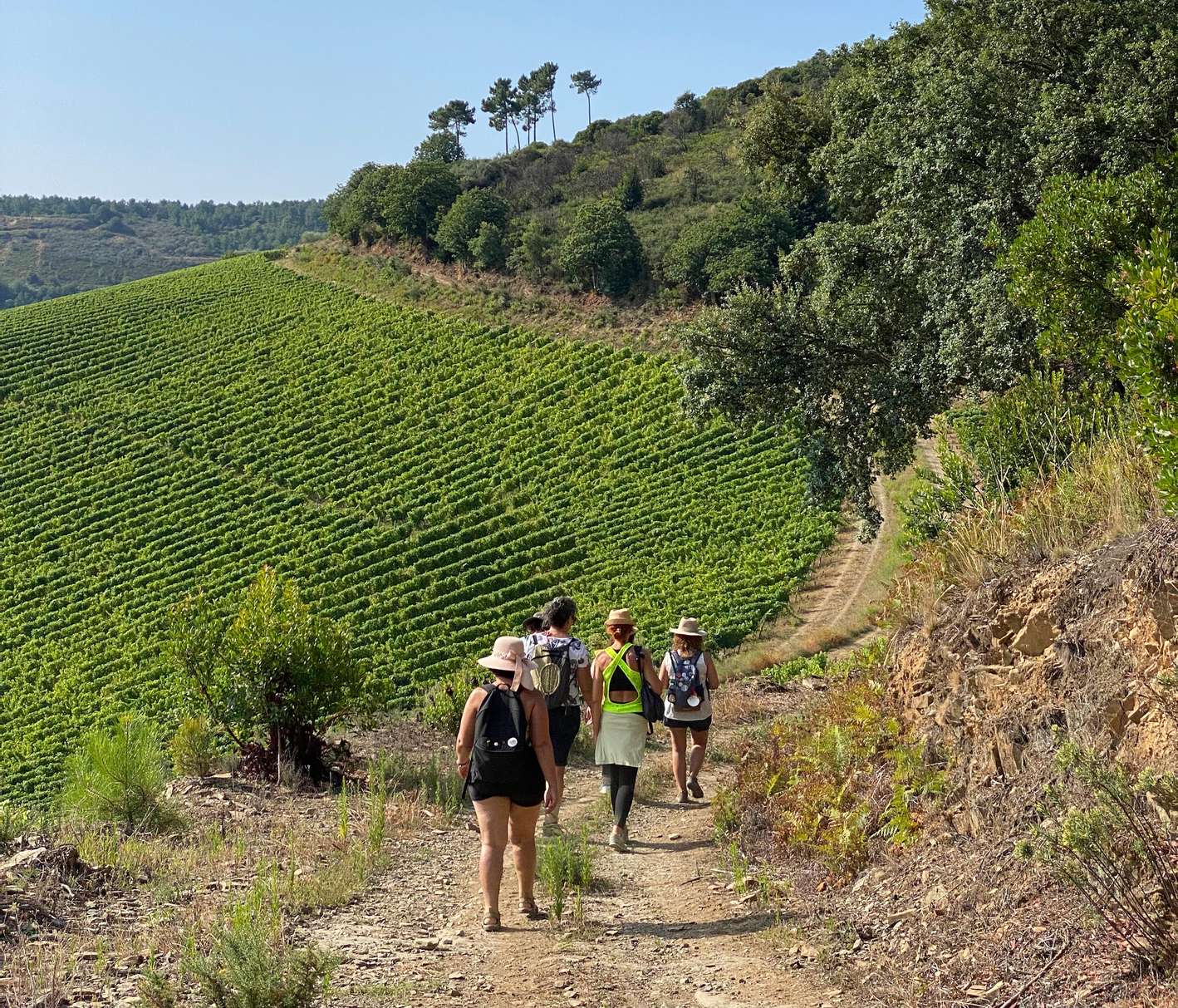
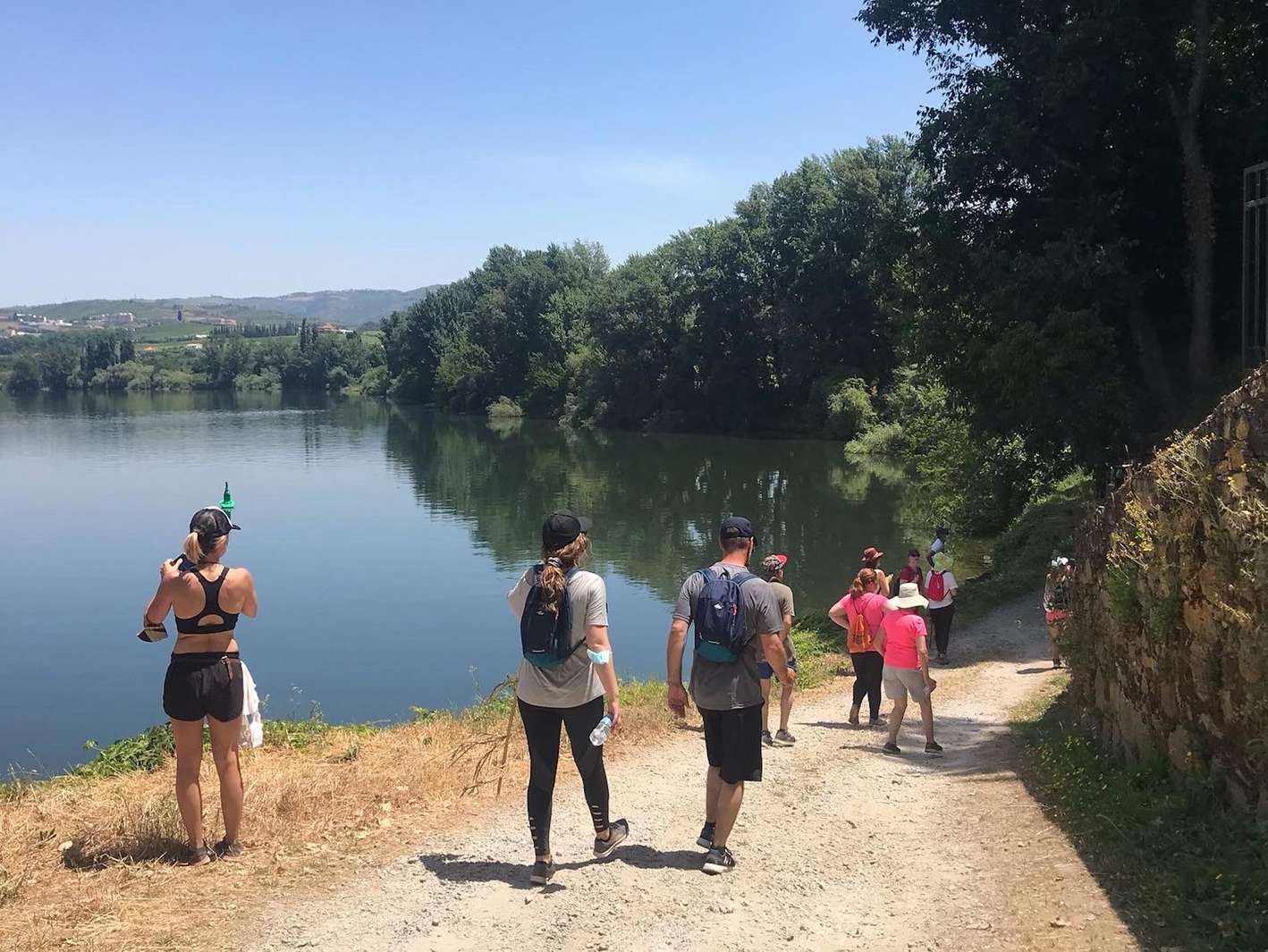
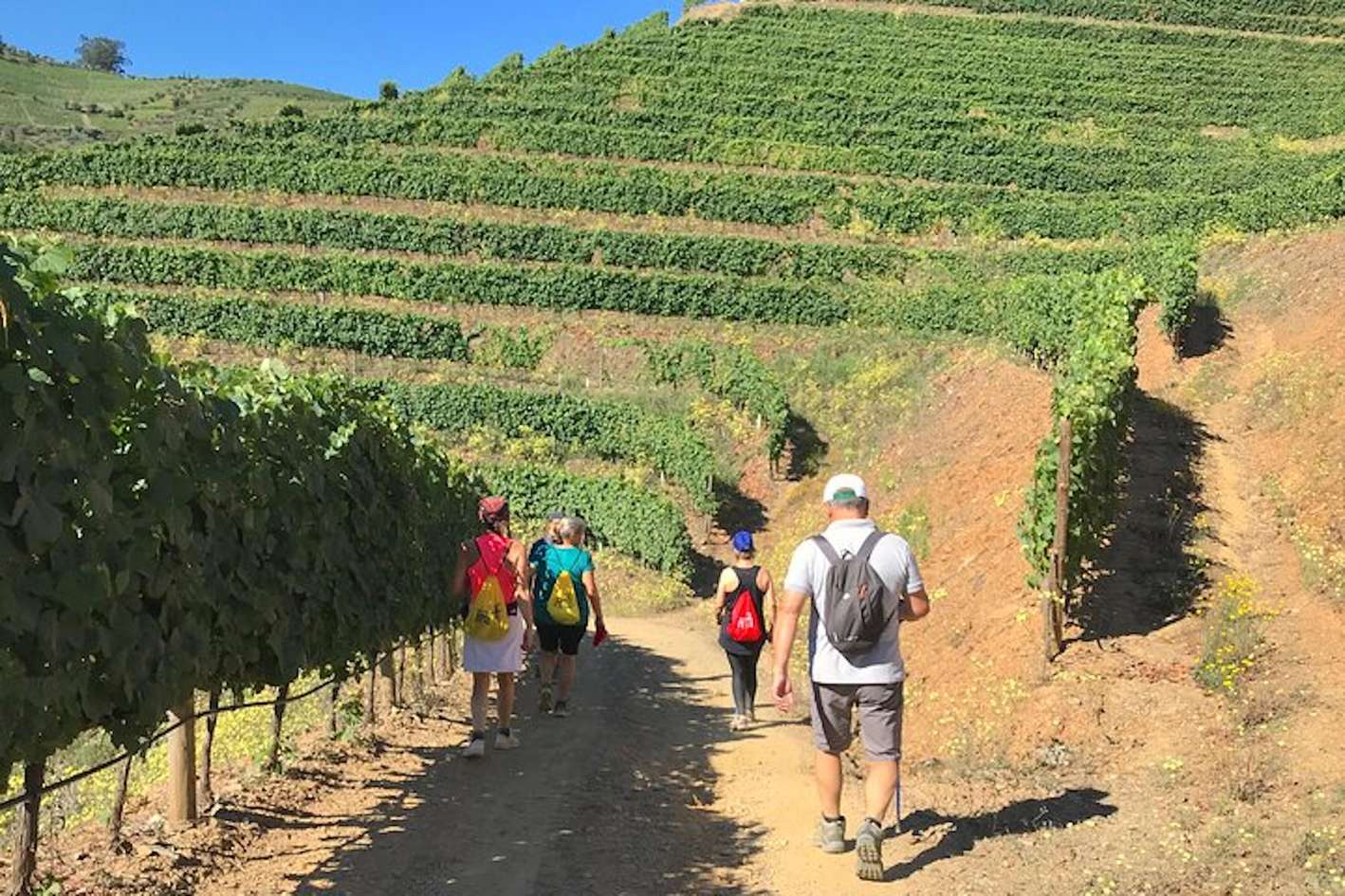
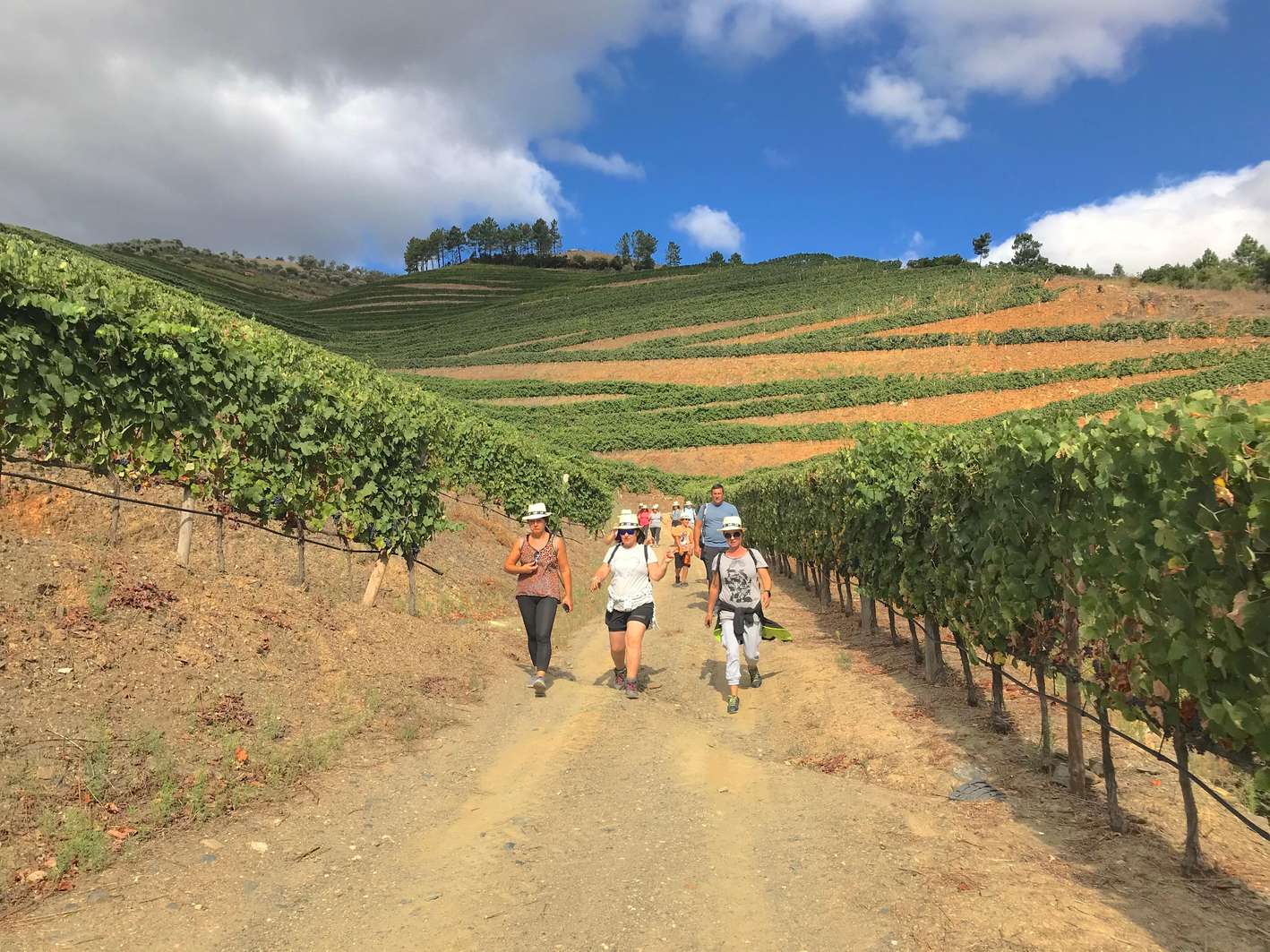
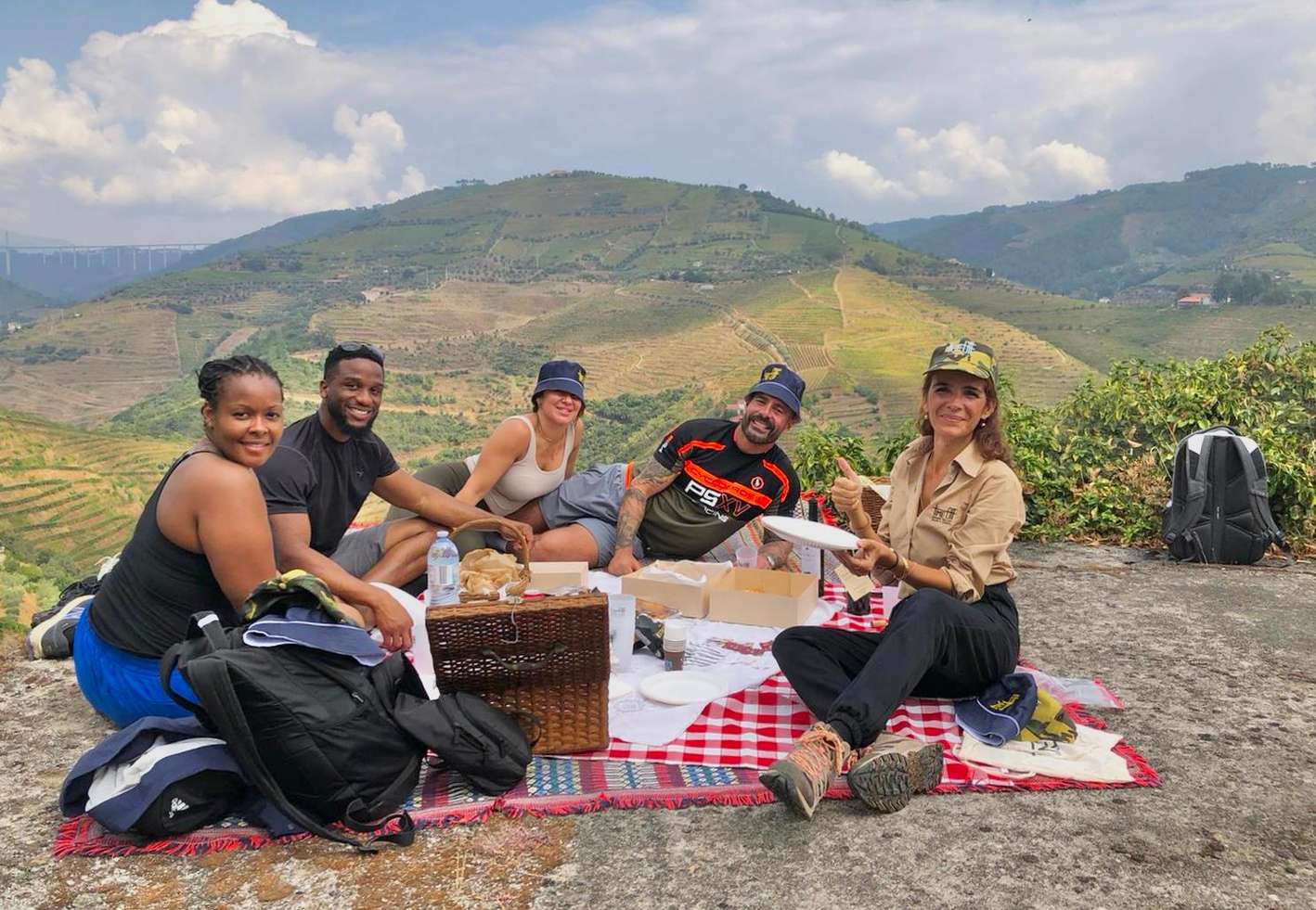
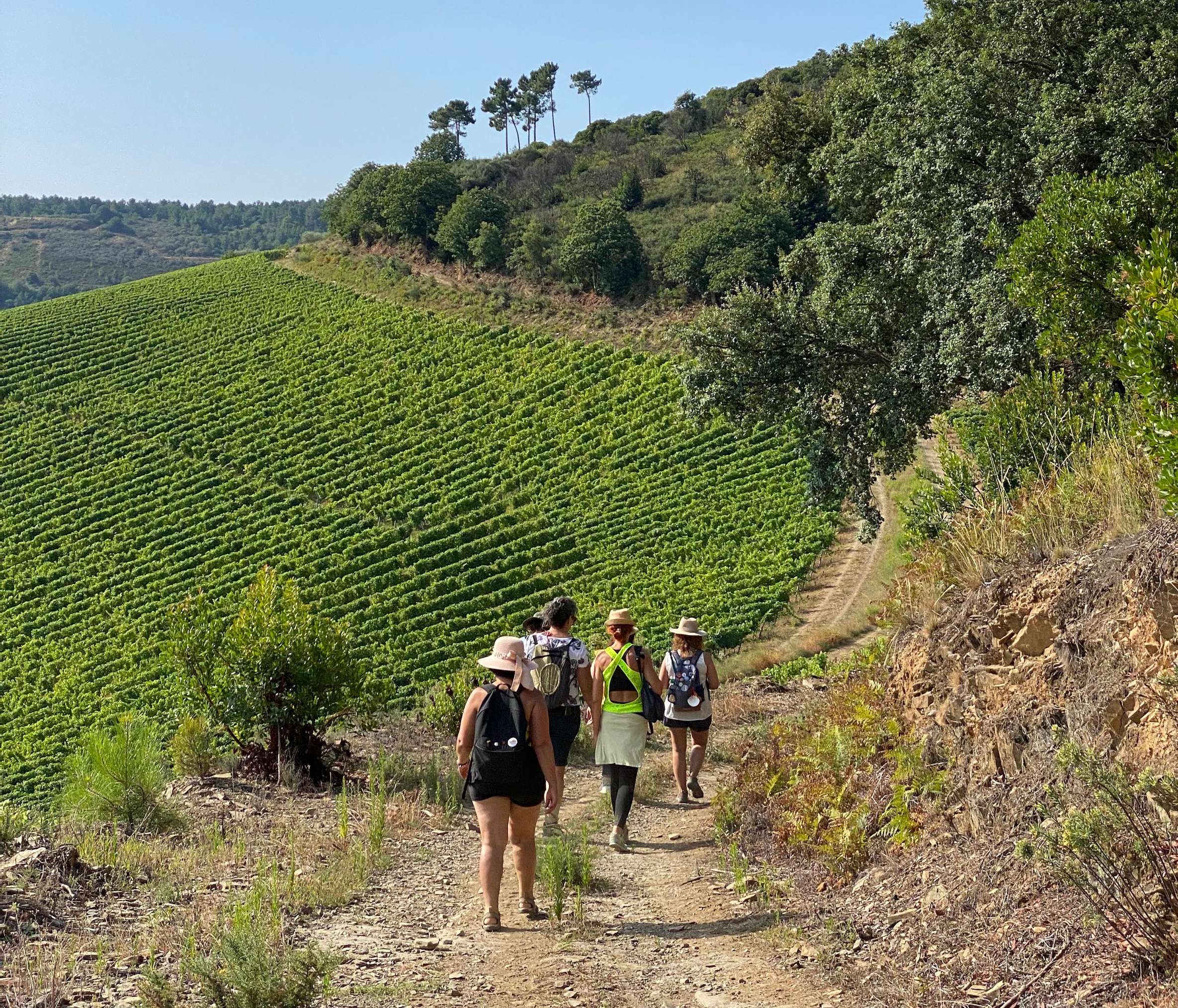
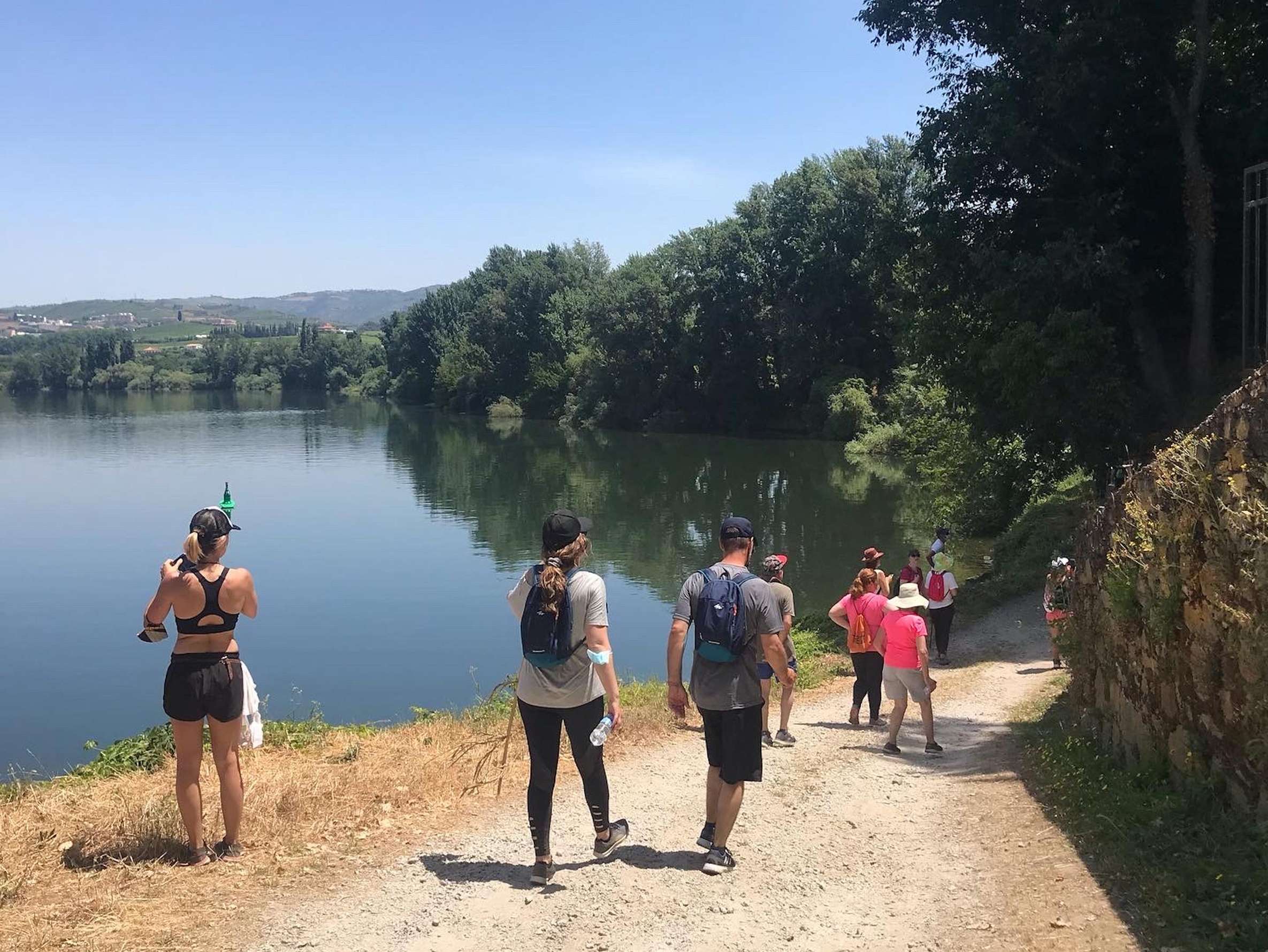
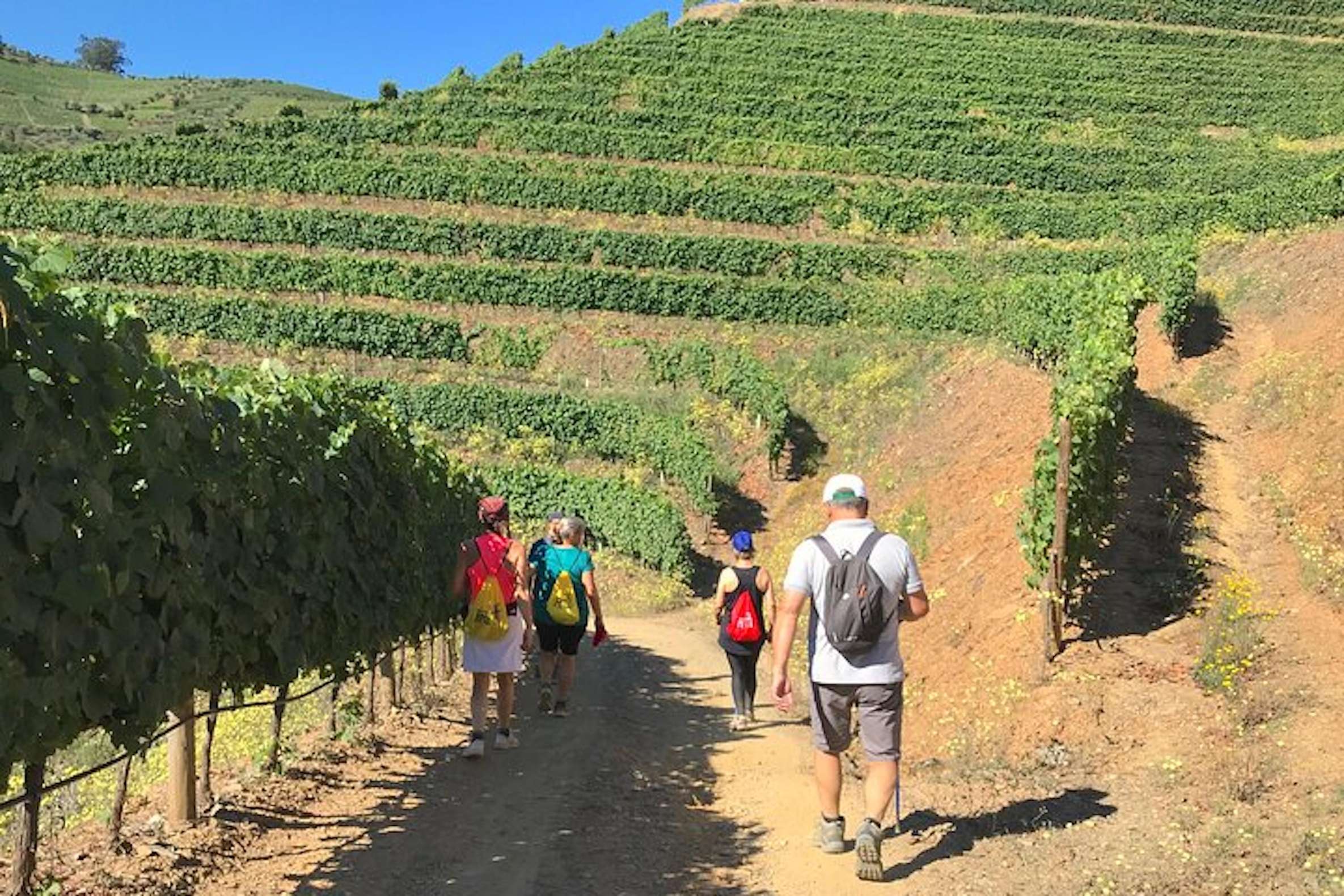
The 3-Day Walking Journey answers a different call. Easy to moderate hikes each morning, lunch with local wine or a picnic on the trail, dinners in village restaurants, and a rustic bed in Cumieira, with transfers handled throughout.
You taste less and walk more, and the terraces you cross on foot teach you things a car window cannot.
Both cancel free up to 24 hours ahead. If the tasting table and the trail pull equally, take the private tour with a group that mixes abilities and add a short walk where the path allows.
Tour for this
Douro: Private 3-Day Wine & Heritage Tour3 days · Hotel pickup · Free cancellation
Morning winery visits start between 10:30 and 11 am, and getting there for them means leaving Porto between 7:30 and 8:30 am. The road east is easy at first: a smooth, tolled motorway to Peso da Régua in about an hour and a quarter.
Then comes the part people remember. From Régua to Pinhão the route follows the N222 along the south bank, 27 kilometres and 93 bends, fully paved and wide enough for two cars. The corners are gentle enough to enjoy, with slower traffic during the September and October harvest.
Pro tipGive the N222 to a local driver. The 93 bends between Régua and Pinhão become scenery from the passenger seat, and nobody counts glasses at lunch.
Sit with that road behind a local driver and it becomes scenery. Drive it yourself and it becomes work, especially after lunch. Portugal's blood alcohol limit is 0.5 g/l, lower for professional and probationary drivers, and wine country is an active focus for breathalyzer checks. The curves are exactly where enforcement waits.
Between tastings, do not count on apps. Uber and Bolt drivers in the valley regularly decline or cancel ride requests, and taxis are scarce outside the towns. A local cab from Pinhão station to a nearby winery costs pocket money, which makes it the easiest fix in the valley.
Renting instead? A licence from outside the EU or UK, or in a non-Latin script, needs an International Driving Permit, and the counter wants a physical credit card in the driver's name.
On an organized multi-day tour all of this disappears: the driver collects you at your Porto accommodation, loads the bags, and never touches a glass.
Driving yourself
Rent a car for the driveCompare cars from the rental companies in one search, then pick yours.
The schist slopes exceed 30 degrees in places, with loose gravel and stone steps, so closed-toe shoes with rubber grip are a year-round rule, and the one item that never comes out of the bag.
The rest of the packing follows the season: summer calls for cotton or linen, a wide-brimmed hat and sunscreen at highs that can top 35 degrees on exposed terraces, while spring and autumn want breathable layers and something rain-resistant.
What to wear and bring by season
Mar to MayMild with spring sun and passing showers. Dress in breathable layers with a light sweater, windbreaker, and closed-toe walking shoes.
Jun to AugHot and dry with highs near 29°C. Wear light, breathable cotton or linen, closed-toe shoes with grip, a wide-brim hat, and sunscreen.
Sep to NovHarvest warmth giving way to cooler, rainy days. Wear breathable layers, a water-resistant jacket, and sturdy shoes with solid grip.
Dec to FebChilly and damp with daytime highs near 9°C to 11°C. Wear warm wool layers, a waterproof coat, and non-slip waterproof walking boots.
Book your tastings before you pack. Popular quintas turn away walk-ins, and a reservation made online before you leave home is the difference between a tasting and a photo of the gate. Estate cellars generally do not cater to unscheduled visits.
Plan the shopping too. Bottles of wine travel fine in checked airline luggage, and oil has no choice: anything over 100 ml stays out of the cabin. Many wineries ship abroad, and the Port houses have done it for decades; smaller quintas route through a consolidator in Lisbon.
If you arrive early or change hotels, Pinhão station has self-service lockers near the platform, sized for backpacks and small cases rather than large suitcases. Porto's São Bento station holds bags up to 24 hours behind the blue tile panels.
One habit worth copying: the estate cellars give you a cellar tasting; the waterfront wine shops in Pinhão give you a retail pour. Pick accordingly.
Historic quintas are working farms with stairs, uneven floors and steep paths, and tours of them are not suitable for wheelchair users or anyone with significant mobility limits.
The workaround exists: Quinta das Carvalhas in Pinhão runs an open-air property tour by vehicle, so you see the terraces without the climb, and station taxis spare you the hillside walk.
important
Children under 12 and shorter than 135 cm must ride in an approved child seat in the rear seats of the van. Tell the operator before arrival; getting it wrong brings a fine.
Families travel well here. Portugal expects children at restaurants and vineyards and welcomes them warmly, and many tastings pour grape or orange juice alongside the wine. The drinking age is 18 throughout Portugal. Bring a baby carrier or folding stroller for the boats, since stairs and narrow pathways make full-size pushchairs awkward.
Diets are handled with a message ahead of time. Winery lunches provide vegetarian, vegan and gluten-free menus on request.
A three-day stay suits wine lovers, repeat visitors, and anyone who wants the quiet mornings. It asks more of the legs than a day trip, and the terraces reward every step with the view the coach tours see from the road.
Villages like Pinhão empty between 6:00 and 7 pm, when the coaches head west, and what stays behind is the valley's best hour: long shadows on the terraces, dinner without a queue, a riverfront table with nobody rushing you. The quiet evening is why you booked the second and third nights.
The one trap is the day of the week. Traditional village taverns close on Sundays and Mondays, and a three-day stay can easily land on both.
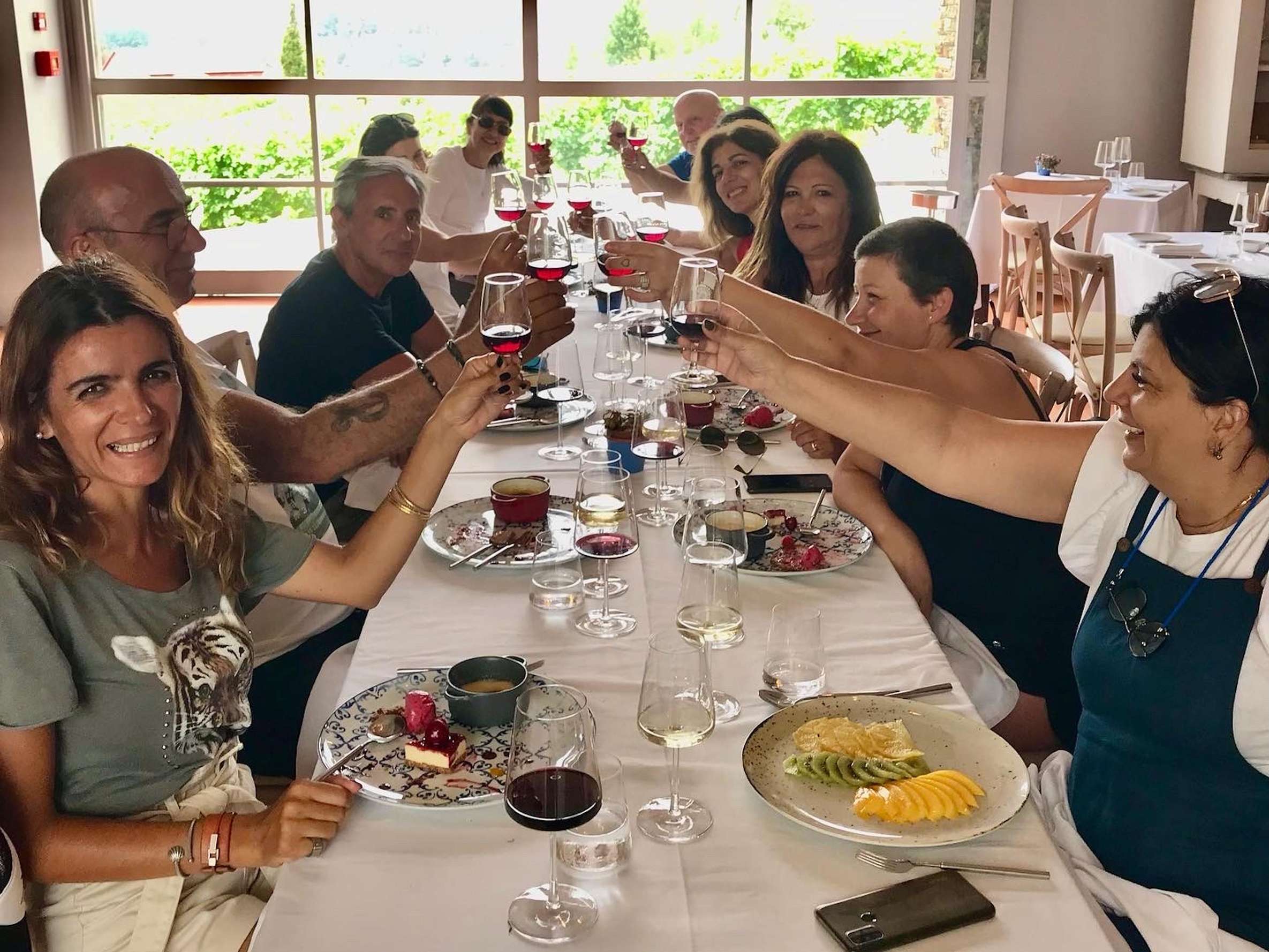
Book around it by eating at the quintas, several of which run daily kitchens: winery restaurants serve lunch from 12:30 pm to 3:30 pm seven days a week, and estate dining rooms like Cozinha da Clara at Quinta de la Rosa pour lunch and dinner, 12:30 pm to 3 pm and again from 7 pm, every day of the week.
That matters less with children than anywhere else in European wine country. A family with young kids at a vineyard table is expected here, treated with genuine affection, and the staff compete for the chance to spoil them.
Practical rhythm for a three-day stay: lunch at a quinta after the late-morning tasting, dinner in a village restaurant midweek when the taverns are open, and the estate kitchen held in reserve for the Sunday or Monday. Breakfast is usually your hotel's, and the walking journey's dinners at local restaurants come included.
If plans change during your 3 day trip
Rain rarely cancels anything. Tastings and cellar tours move indoors, and rainy-day boat tours generally run because the vessels can be covered or enclosed. Estate visits continue in the wet, with the walking done inside winery buildings and touring vehicles.
The river is the variable. High water from storms or upstream dam discharges can stop departures, sometimes without notice, and a cruise that cannot run safely is cancelled or swapped for another activity. A covered boat is the usual first answer.
The refund window is the number to remember: cancel up to 24 hours before and you get everything back. Inside that window there is no refund, and changing a pickup location needs more than 48 hours' notice.
What happens when plans slip
If this happens
What happens then
Cancel more than 24 hours ahead
Full refund
Cancel inside 24 hours
No refund
Change of pickup point
Needs more than 48 hours' notice
Rain on tour day
Tastings move indoors; boats run covered or the cruise swaps for another activity
Late to a shared departure
The van waits five minutes, then leaves
Trains are the other failure mode. Four to five departures a day run each way between Porto and Pinhão, so missing the last one is a real possibility.
The fix is unglamorous: hire a local taxi, all the way back or to Régua for connections, or take a room in the village and continue in the morning.
On shared departures, one operator holds the van for just five minutes past the scheduled start. Set two alarms. None of these end the trip; they cost an afternoon or a plan B, which is what three days buys you.
What else to do on your 3 day winery trip
Start at Pinhão station, of all places. Its 24 blue and white azulejo panels, made by Aleluia Cerâmicas, show the whole Port cycle: women carrying grape baskets on their heads, barefoot men treading the harvest in stone lagares, barrels loaded onto rabelo boats for the trip downriver.
The granite markers called the Marcos Pombalinos tell the older story. The Marquis of Pombal placed them in the 18th century to fix exactly which vineyards could make export Port, the first demarcated wine boundary in the world, and the stones still stand along the banks.
Olive oil earns equal billing. Estate tastings routinely pair Douro and Port wines with the house oil, and the D'Origem Olive Oil Museum at Casal de Loivos sits within reach of the Régua leg.
Take a taxi up into the hills above Pinhão to family-run Quinta do Jalloto, where the view over the river rewards the climb as much as the tasting does.
Worth the walk
1
Busto do Conselheiro José Maria Alpoimhistoric place
The 50-minute rabelo cruises from the quay carry audio narration, and most have no restroom aboard, so go before boarding. For a crew who went beyond the job, a small note in folded euros passed quietly is the local way to thank them.
The river towns are compact; most small sights sit minutes from the quay, worth a pause between tastings rather than a detour.
More to book around Porto
Live dates and prices
Three days, if the wine is the point
A day trip from Porto covers the highlights; three days covers the valley. Stay over and you get the quiet mornings, the empty evenings and the eastern country no day tour reaches. Pick the format that matches your feet, book the harvest months well ahead, and let a driver hold the keys.
Go ifYou want quiet mornings and empty evenings that day trips never seeYou want to reach the Douro Superior and the villages east of PinhãoYou would rather taste two or three estates a day than rush a fourth
Skip ifYou have a single day in Porto; the round drive eats itYou will not book quintas ahead and expect walk-in tastingsSomeone in the group cannot manage uneven terrace paths and stairs
Our pick to book
Douro: Private 3-Day Wine & Heritage Tour3 days · Hotel pickup · Free cancellation
Common questions about the 3 day trip to the Douro
Straight answers before you commit three days to wine country.
Porto2026
The river goes still before 10 am and the coach crowds leave by 6 pm. Those are the hours worth staying for.
Is spending 3 days in the Douro Valley worth it compared to a single day trip from Porto?
A one-day trip from Porto covers the main highlights, two or three quintas, lunch and a river cruise. Three days let you explore more wineries at an unhurried pace and skip repeating the four-hour round-trip drive. If you want the eastern valley and quieter villages, three days is the right length.
How does a 3 day Douro Valley tour avoid feeling rushed?
Three days fit two full winery days plus one cultural day across the Baixo Corgo and Cima Corgo sub-regions. You also get quiet mornings and calmer dusk boat cruises that day-trippers never see.
What parts of the valley can only be reached with a multi-day trip?
Day trips cover Peso da Régua and Pinhão. The Douro Superior toward the Spanish border is too far from Pinhão for a comfortable out-and-back, so it needs at least four nights, with three days a solid start.
How should I divide my time between Peso da Régua, Pinhão and the Douro Superior?
Combine Peso da Régua and Pinhão on day one, travel east to Pocinho and the Côa Valley on day two, and use the third morning for a final winery or viewpoint. Vila Nova de Foz Côa works as a third-day destination.
How many winery tastings can I schedule per day without palate fatigue?
Two to three tastings a day is the comfortable ceiling. A good rhythm is a late morning tasting between 10:30 am and 1 pm, a leisurely vineyard lunch, then a second tasting between 4 pm and 6:30 pm.
How do I keep port flights and dry table wines from blurring together?
Give each day one focus: one day for fortified wines, one for still wines and vineyards, and one built around a river cruise with a single tasting. Alternating red and white still wines with ports keeps the palate awake.
Do I have to drive after wine tastings on a multi-day trip?
No. An organized multi-day tour with a dedicated guide and vehicle handles all the driving, including the steep mountain roads between tastings. Ride-hailing apps like Uber and Bolt are unreliable in the valley, so leave the wheel to someone else.
How does luggage and hotel transfer work when traveling from Porto?
On a private guided tour, a driver collects you at your Porto accommodation or the airport, loads your luggage and takes you straight to your valley lodging. A standard allowance is one medium suitcase and one handbag per person.
What are the villages like once the day-trip buses leave?
Pinhão is busiest from 10 am to 6 pm, when tour coaches fill the piers and wineries. After the coaches go, around 6:00 to 7 pm, the streets go quiet and the terraced slopes catch long shadows. Mornings before 10 am bring river mist and empty trails.
Where do we eat when small village restaurants close on Sundays and Mondays?
Book estate dining rooms instead. Winery restaurants such as Terraçu's at Quinta Nova, Cantina de Ventozelo and Seixo at Quinta do Seixo serve lunch daily from 12:30 pm to 3:30 pm, and Cozinha da Clara at Quinta de la Rosa serves lunch and dinner every day.
Can I store luggage between accommodations during a three-day trip?
Yes. Pinhão train station has self-service lockers near the main platform that fit medium backpacks and small suitcases. Large suitcases may not fit, so plan around that.
What about motion sickness on the valley roads?
The N222 between Peso da Régua and Pinhão has 93 bends over 27 kilometers, and access roads climb tight switchbacks. Traveling with a chauffeur or guide takes the wheel out of your hands, and drivers navigate these roads smoothly. If you are self-driving with children, bring car sickness remedies and plan rest stops.
Where to go next after your 3 day trip through the Douro
Three days with your own guide and vehicle, from Porto hotel pickup to the Rabelo cruise in Pinhão, and you can cancel up to 24 hours ahead for a full refund.